


Platform
YouTube Lays Out Five-Part Revenue Playbook for Broadcasters and Media Companies

YouTube is pitching European broadcasters on a way to grow on its platform without moving away from television. In a blog post published October 28, less than two weeks after MIPCOM Cannes closed, the company laid out five tactics and attached a named partner or a figure to most of them.
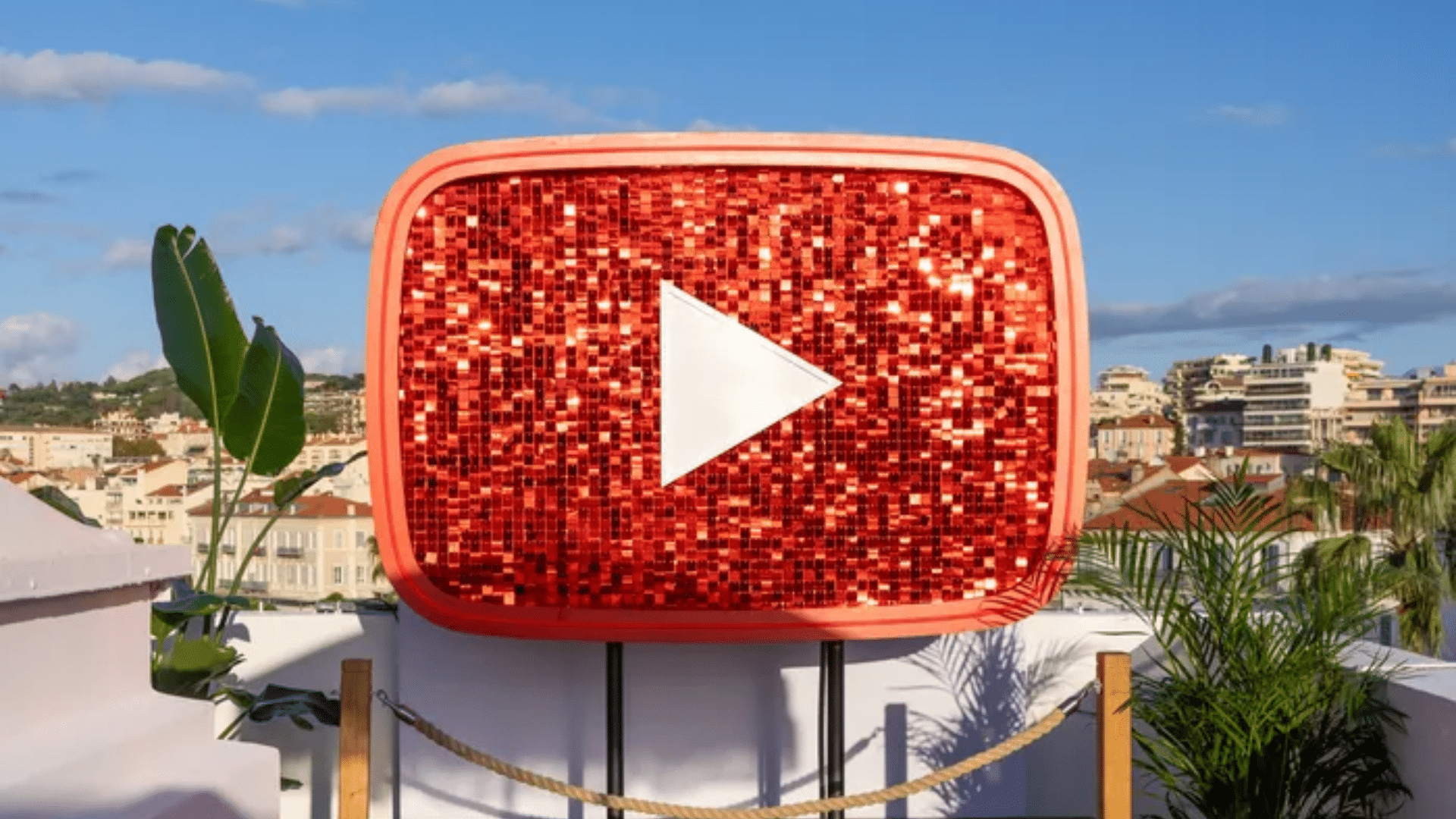
The post follows a week in which MIPCOM organizers framed the market around the same relationship between established media companies and newer players. YouTube returned to Cannes with an expanded presence alongside Meta and TikTok, and the market drew 10,100 delegates, including 3,150 buyers, from 104 countries, according to organizer RX France.
Lucy Smith, Director of MIPCOM Cannes, described the aim behind adding creator, brand, AI and vertical-drama businesses to the market. “We are bringing them here to create new business opportunities for the core industry,” Smith says. YouTube makes a parallel case in its post, framing the strategies as complementary to broadcasters’ existing businesses. Each tactic rests on figures the company reported itself.
Building Multiple Streams of YouTube Income
YouTube’s first recommendation is to build more than one income stream. Media companies keep the majority of the ad revenue their videos generate, the company says, and can also sell premium ad slots directly, offer paid Channel Memberships, use auto-dubbing to reach new markets and rely on Content ID to find and monetize uploaded intellectual property.
The post’s example is Goalhanger, the London podcast company behind “The Rest Is History” and “The Rest Is Politics,” co-founded by former English soccer player Gary Lineker. YouTube reports 63 million watch hours so far this year and 1.4 million subscribers across Goalhanger’s channels, with nearly a quarter of revenues coming from Channel Memberships.
Goalhanger’s commercial plans extend beyond one platform. Starting in January 2027, the company will sell its own advertising, letting brands build partnerships across audio, video, live events and other formats instead of buying podcast ads as a single line item. The company reported more than 750 million full-episode views and streams in 2025 and expects to pass one billion in 2026.
YouTube Pitches Archive Episodes as a Route Back to Television
The second tactic concerns what broadcasters already own. YouTube recommends putting select full episodes, live events and older shows on the platform, which it says helps new viewers find the content and often sends them to the broadcaster’s own subscription apps and traditional television.
France Télévisions is the post’s example. It has made its national and local news programs available, including “13h” and “20h,” along with current affairs shows such as “Envoyé Spécial.” According to YouTube, the franceinfo channel generated 110 million views in September and passed one million subscribers.
The Dutch children’s series “Fabeltjeskrant” is bringing more than 1,600 episodes to the platform, restored, enhanced and dubbed, so that new generations around the world can discover it, YouTube says.
Broadcasters Are Borrowing Creators’ Testing Methods and Talent
The third tactic moves from existing shows to new ones. YouTube advises producers to pilot concepts and watch YouTube Studio’s second-by-second retention data before committing major budgets, an approach it says the most successful creators use. Its example is filmmaker Curry Barker, who used his YouTube comedy channel to refine his storytelling before directing “Obsession.” Box-office reporting places the film’s domestic opening at approximately $17.2 million. It went on to surpass $100 million during its theatrical run.
The fourth tactic pairs a broadcaster’s credibility with a creator’s voice. Dutch public broadcaster NPO backed “The FOMO Show” with creators Daan Boom, Tobias Camman and Jasper Demollin instead of adapting a television format for YouTube, according to the post. The show reached millions of young viewers and won a top television award. The creators now front NPO’s streaming platform, NPO Start.
Smart TVs Now Shape How YouTube Packages Programming
The fifth tactic addresses where viewing happens. More than 1 billion hours of YouTube content are watched on smart TVs every day, according to the company. Banijay and BBC use YouTube’s Shows feature to package “Mr. Bean” and “BBC Earth” for those viewers.
Coachella is the post’s other example. YouTube’s “Multiview” feature lets viewers watch up to four acts at once. More than half of last year’s festival livestream watch time came from living room devices, a figure YouTube said shaped this year’s expanded “Multiview” rollout.
In April, YouTube streamed the festival across seven stages, adding 4K resolution for three of them. In September, YouTube and Goldenvoice extended their exclusive livestream partnership through 2030, which keeps YouTube the sole global livestream destination for both festival weekends. YouTube’s blog post said this year’s festival set a record for concurrent livestream viewers.
Subscribe to Our Newsletter
Check Out Our Podcast