




Agency
Wildcatter’s Tim McArdle on Why Brands Should Make Episodes, Not Ads

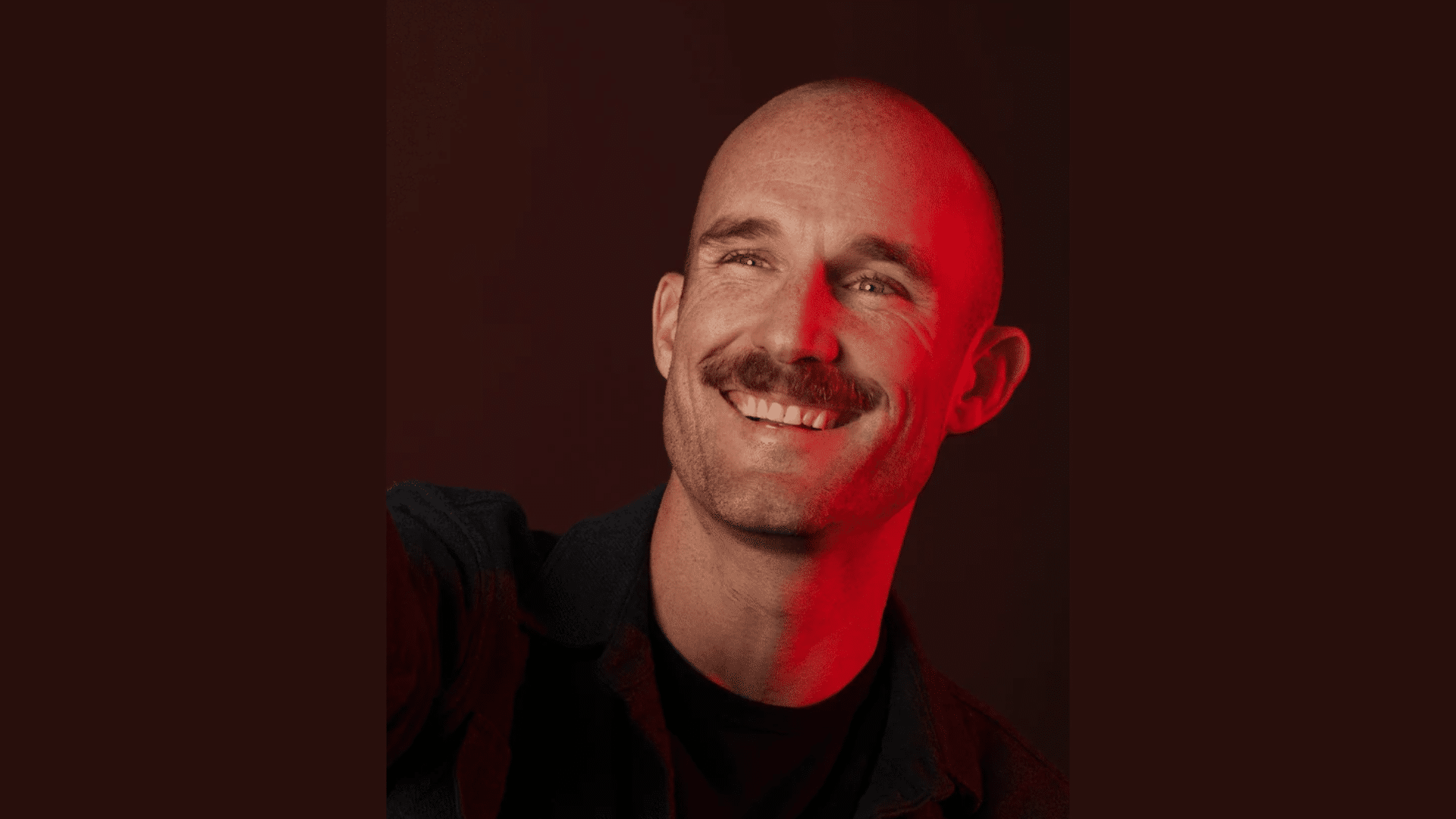
Tim McArdle, co-founder and Chief Content Officer of Wildcatter, argues that creators are becoming the new networks and that brands have an opening to finance the programming on them. The Los Angeles studio, founded in 2020, develops and produces shows for YouTube and Twitch with brands, creators, platforms, talent and ad agencies.
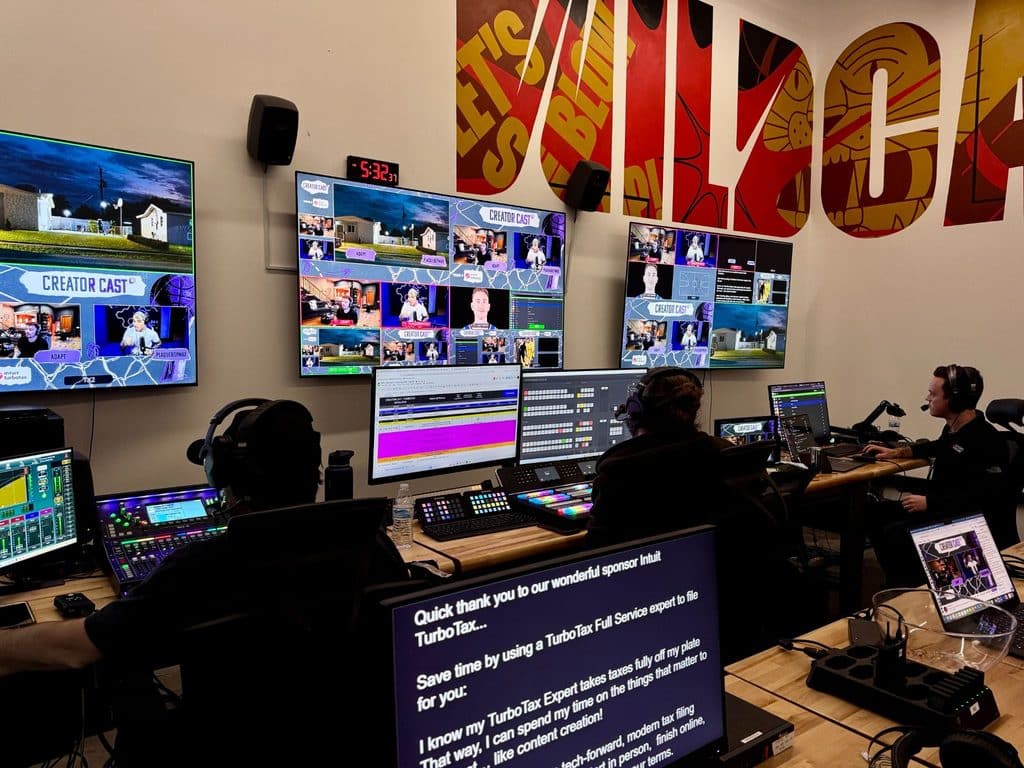
“We’re huge believers that brands are going to be financing entertainment for the next 15 years,” Tim says. He cites “Creator Cast,” a Twitch watch-along Wildcatter produces with Twitch and Amazon around Prime Video’s NBA, WNBA, NASCAR and NWSL broadcasts, as one example. Almost every episode carries a different sponsor, from Xbox to TurboTax, and Tim wants brands to back creator entertainment the same way, as recurring shows they help pay for, built around a creator and planned long before anyone goes live.
Wildcatter’s focus on YouTube and Twitch came from the company’s first clients. Tim and co-founder Don Gaby each worked more than a decade in sports production, Tim at NFL Network and MLB Network and Don at FOX Sports, and they started Wildcatter to sell traditional sports documentaries. YouTube and Twitch hired them first, and the founders pivoted to digital about six years ago.
“If creators are the new networks and forms of distribution, where are the studios that are developing and producing premium content for these new networks?” Tim asks. Wildcatter’s answer, as he describes it, pairs traditional development skills with formats coded for each platform’s audience. “You can’t just create content like you normally would on a traditional broadcaster and expect audiences to react with it,” he argues.
Brands Should Commit to Six Episodes
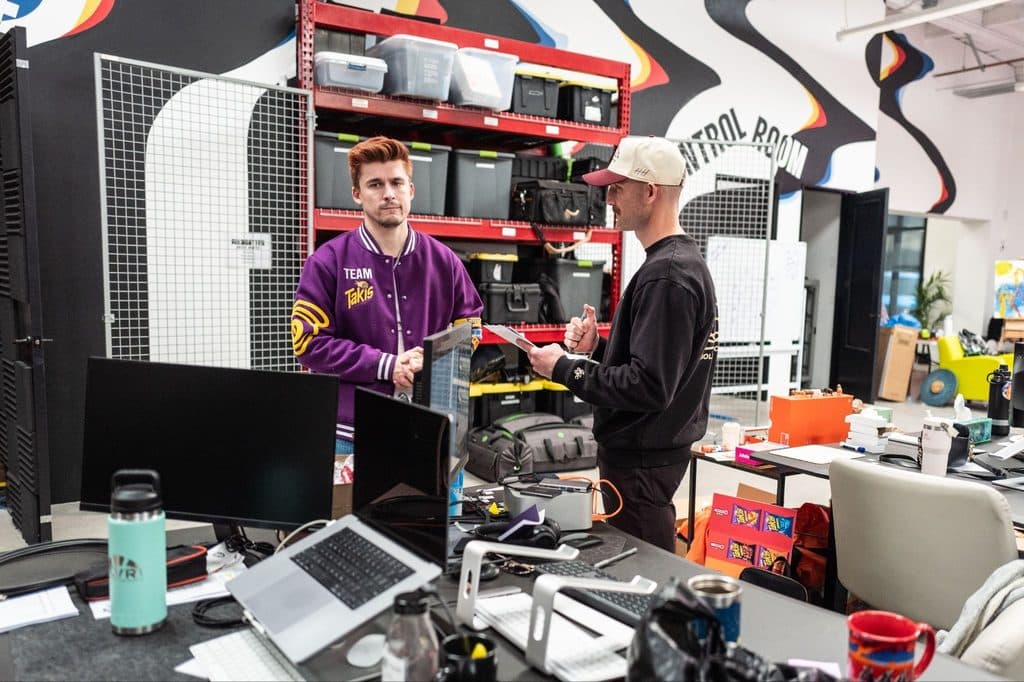
For brands, Tim’s main recommendation concerns format. “I think the single best thing a brand can do is this idea of going from ads to episodes,” he says. A brand that runs four, five, or six shows as episodes instead of campaigns should expect a growing audience, in his view, or at least a community that builds around the repetition.
“Creator Cast” is his working example. Tim puts the count at more than 30 episodes and says viewership keeps rising, with the most-watched episode airing at almost 40,000 concurrent viewers. He credits part of that record to the game itself. “If you’re making a promise to an audience, you should learn from what worked and double down on what worked,” he says of Wildcatter’s shows more broadly.
The commitment comes with checkpoints. “I think brands should commit to six episodes, but they should really look after two and then after four,” Tim recommends. Those reviews are for adjusting the show, which he doesn’t think should run the same way across all six episodes. On YouTube, he tests against retention spikes, average percentage viewed and click-through rates.
Episodes also need room to perform. One Wildcatter show had the right tone and talent, Tim says, but its host channel published too much, once posting a three-hour video 45 minutes after Wildcatter’s episode aired. “How do you make and create the best ecosystem for your content to actually succeed?” he asks. Paying for episodes, by that account, also means planning the release around them.
Production Should Follow the Creative
For Tim, the creative is where any production value discussions should begin. “I do think there’s probably too much focus that goes on the infrastructure,” he says. “You should start with your creative because every piece of creative should be represented differently from a production standpoint.”
IRL streamers often work with little more than a phone and a backpack, which is perfect for that audience, Tim notes, while “Creator Cast” is a premium product. Either way, he argues, audiences gravitate toward personality more than production value.
Within “Creator Cast,” the production framework stays fixed while the creative changes. Every episode uses the same graphics package, but each pairs two different creators, so the tone, the games, and the prompts thrown to chat shift from show to show.
Wildcatter Casts Creators by Their Audiences
Choosing those pairs starts with the people watching. “It’s audience first,” Tim says. “We don’t really look at it from a creator lens.” Audience research can even favor a creator who knows nothing about a sport. Wildcatter has built shows around such a creator learning the game, a proxy for followers who don’t know it either.
The same logic shapes Tim’s main critique of the industry. “I think it’s getting hyper-fixated on just the top 1% of 1% of creators,” he says, along with vanity metrics such as impressions and views. The biggest names often don’t need a brand anymore, in his view, and traditional one-off influencer marketing campaigns are becoming less and less effective.
“I think you can find really incredible partners both from a talent and distribution standpoint in that upper to mid-tier of creators,” Tim says. Those creators have more die-hard audiences and strong parasocial relationships, he argues, which is why Wildcatter weighs engagement rate over hard views. For a brand underwriting a series, casting becomes a question of how attached an audience is.
Live Branded Shows Run on Pre-Production Trust
Casting is also Tim’s first safeguard in live production. If a branded campaign can’t include cursing, the studio has to bring in talent who fit that rule. The technical side needs redundancies, including backup power as well as backup internet. “When something goes wrong, it can really go wrong and you can’t fix it in post,” he says.
Most of the work, in Tim’s account, happens before the stream starts. “I think what people get wrong is not building that layer of trust from the beginning and being really explicit about what your goals are and what you can’t say,” he says.
That trust also sets how much control a brand keeps. Executives expecting a commercial shoot’s video village, where they dictate the day, won’t get one on a live creator show, according to Tim. Some clients wanted a heavier hand and joined Wildcatter’s Discord servers to work with talent and producers in real time, an arrangement Tim says hasn’t been an issue. “I do think the most successful shows are when a brand comes in with a rock-solid brief,” he adds.
Wildcatter positions itself as the party both sides have to trust. “We try to speak natively to creators so they trust us,” Tim says. “But we have to have a CMO trust that if they’re spending money, their brand is going to be represented in a way they want.”
Takis Leaned All the Way Into Its Branding
The Takis show tested that trust six weeks before air. Planned as counter-programming on Super Bowl Sunday in 2025, it had been built as a football show until the brand told Wildcatter it could not mention football, the Super Bowl or the NFL.
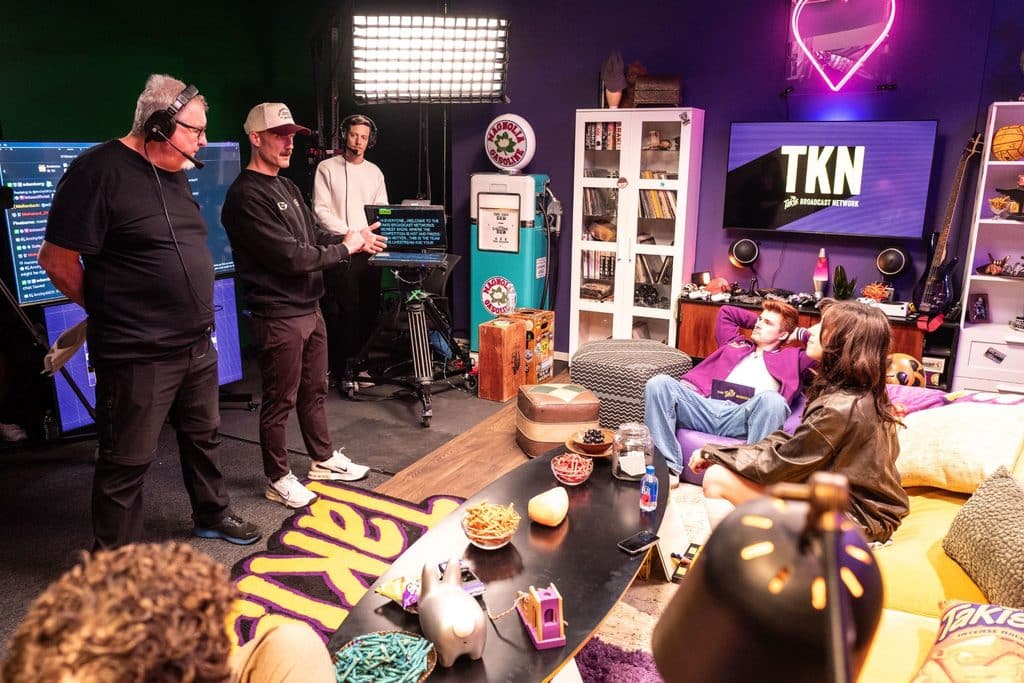
Wildcatter repitched it as the “Takis Broadcast Network,” a made-up public-access channel built around four or five brand talking points. “We leaned all the way into it being branded,” Tim says, to the point that it was funny. The cast shot fake Takis commercials and broke the fourth wall to play with chat.
Tim argues audiences now spot advertising easily. “I think if you’re authentic and you’re upfront about something being branded, people will buy into it,” he says. “When you try to hide it in and you do half measures, it doesn’t work.”
The lineup included Pokimane and Ludwig. The show peaked at 21,162 concurrent viewers and logged 337,724 hours watched, according to Wildcatter, and Tim says both the brand and the creators came back for more work. He attributes that to the creators buying into the creative and the brand trusting the studio to rebuild the show on short notice.
Wildcatter Is Betting on the Moments Between Games
Beyond client work, Wildcatter is building its own slate. Tim says the studio will finance two of its own shows on Twitch and YouTube at the end of this year or in the first quarter of 2027, aimed at underserved audiences with signposts of demand for a specific genre. Finance and sports are both in play, and an event-style tennis project is in development.
In sports, Tim sees the opening between game days. Viewers under 25, he argues, are as interested in shoulder programming as in the main event. His model is the “Internet Invitational,” a golf property he credits with owning the stretches between the sport’s bigger events.
The self-financed shows apply the advice Tim gives clients, with repeatable formats, creators chosen for their audiences, and brands built in from the start. “How do you own those in-between moments? That’s where Wildcatter fits, and that’s where we want to help grow,” Tim says.
Subscribe to Our Newsletter
Check Out Our Podcast