





Agency
Why MENA Creator-Driven Sales Depend on Building Campaigns Market by Market

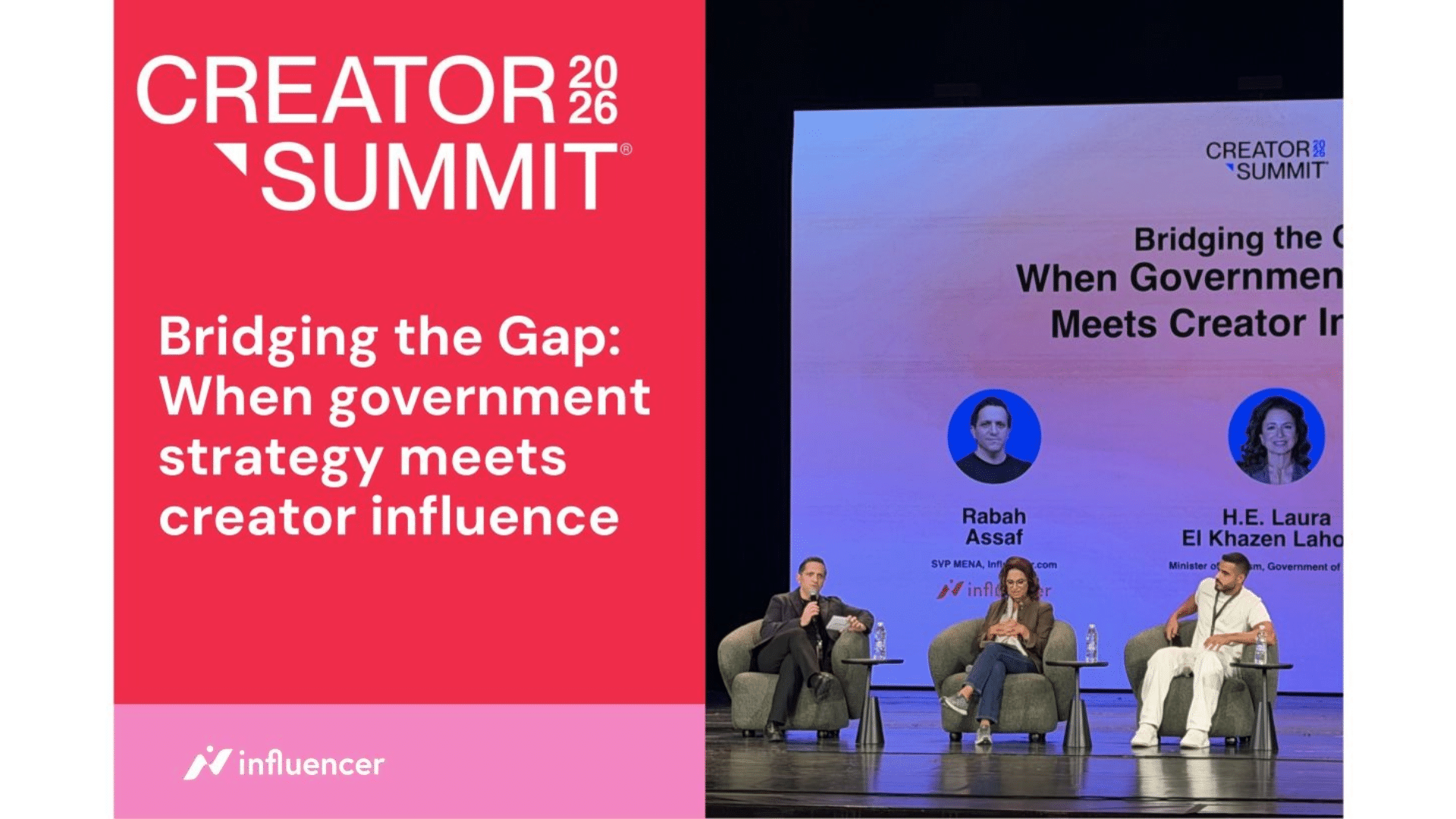
Creator marketing in the Middle East has moved from leftover awareness budget into the path to purchase, according to Conor Thompson, who watched the shift from inside TikTok’s Middle East and North Africa (MENA) business. Now leading brand partnerships at agency Influencer, he and the agency’s Senior Vice President, MENA, Rabah Assaf, argue that the sales payoff depends on building each campaign for its market, down to where a creator’s followers live and which Arabic dialect they speak.
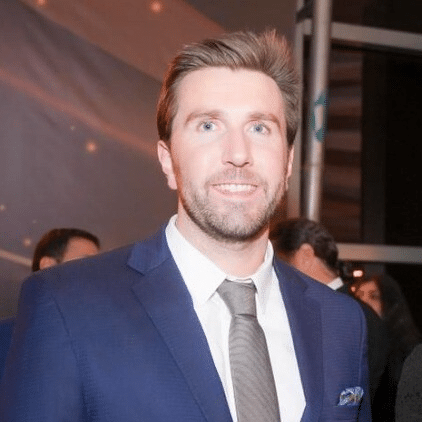
“There might be a very advanced solution from working with creators that works in London. That does not necessarily mean it will work in our region,” Rabah says. Influencer, founded in 2015 by Ben Jeffries and Caspar Lee and now operating from six cities including Riyadh and Dubai, represents brands rather than talent, choosing creators and content to fit each brief. “I’d like them to think of us as their internal creator marketing team,” Rabah explains.
That model competes with the big holding networks. Rabah, who runs MENA from Riyadh, says Influencer is one of the few global independent agencies with staff on the ground in the UAE and the only one in Saudi Arabia. He counts independence as the edge, because decisions come quickly and the co-founders are “a message away.”
The UAE is where Conor comes in. Influencer focused on Saudi Arabia “for the longest time,” Rabah says, and Conor brings a Dubai network plus platform experience at Yahoo, Pinterest and TikTok. Five weeks after he joined, former clients have started handing the agency test campaigns, which Rabah expects to pay off in 2027.
Creators Moved Into the Path to Purchase
Many of those clients knew Conor from TikTok MENA, where he led a four-person consumer client solutions team across automotive, tech, and food and beverage. When he started in 2022, he says, brands still saw creators as an upper-funnel play, “a fun thing that you do with the remaining awareness budget.”
That view changed over his four years at the platform. “Clients were becoming increasingly leaned in when it came to creator or influencer-led marketing. And they were really realizing that creator marketing is a business decision,” Conor says. He ties it to lower-funnel actions such as booking a test drive, buying a food and beverage product, or purchasing the latest smartphone.
At Influencer, Conor now plans across platforms and organic content, including whether creator content should run as paid media. “Platform decisions and creative decisions are very much merged together,” he says.
Once creators sit inside the purchase decision, the choice of creator carries commercial weight. In MENA, the first variable in that choice is the market itself.
Saudi and UAE Campaigns Need Separate Plans
Saudi Arabia and the UAE both belong to the Gulf Cooperation Council, but Rabah treats them as different audiences. By his figures, about 80% of Saudi Arabia’s population are locals and 20% are expats, and the UAE is the exact opposite. He calls it a huge mistake for brands to plan the two as one market.
“They will positively hit one group and negatively hit the other,” Rabah says of a uniform plan. Conor places much of that cost in language. A creator speaking UAE-style Arabic cannot simply be repurposed for Saudi audiences. “In Saudi, to show up authentically, you actually need Saudi Arabic,” he says.
Audiences in the region also react in public. “Platform users aren’t afraid to share their thoughts and share their feelings and leave them in the comments box,” Conor notes. He believes brands that reused one campaign across both markets had a negative experience and probably did not try it again.
Dialect is the most visible part of a broader relevance test that Conor applies to individual creators.
Follower Location Outranks Follower Count
Follower count still matters for some activations, Conor says, but where that following lives matters more. A UAE-based creator with 100,000 followers might draw most of them from the UK, Europe, or the U.S. “It’s important to them that their audience is made up of people who are actually here in the region. Otherwise it becomes irrelevant,” he says of brands targeting the UAE or Saudi Arabia.
Tone of voice is the deciding factor beyond location, according to Conor. As illustrations, he says Rolls-Royce might pass on a creator known for self-deprecating humor in favor of polished, aesthetic work, while Ryanair’s humorous voice calls for creators who match it.
Tone has also slowed heritage brands. Conor says some legacy luxury automotive names worried creators would damage their image, partly from a misconception that creator content has to be funny. “Working with creators doesn’t mean that you absolutely need to destroy the brand reputation that’s been built over 50, 100, 150 years,” he says.
Fit settles who fronts a first campaign. Keeping customers after it is harder, in Conor’s view.
Repeat Creator Squads Build Loyalty
Of the customer journey stages Influencer covers, from discovery to loyalty, Conor names loyalty as the hardest for creators to move. “Getting somebody to purchase or trial for the first time is one thing, but creating that repeat purchase behavior is obviously then the more difficult part,” he says.
His recommendation is a standing group of creators, which he says many brands now call a creator squad. “When an audience sees the same creator partnering with the same brand on a repeat basis, that’s what really creates confidence,” Conor says.
A squad turns creator spend into continuing relationships that someone has to manage week to week. Who manages them is where the two executives part ways.
Agencies Earn Their Place in Daily Creator Management
Both men expect brands to keep using agencies even as they build in-house teams. Rabah points to L’Oréal, which runs a large in-house creator team and still works with an agency. “Creator marketing is not like media where you book a billboard, or you book a TV spot, and you just sit and watch what happens,” he says. The work, he explains, means handling day-to-day incidents and content approvals with creators.
They differ on timing. Conor ties the decision to growth, as a brand’s early generalist hires give way to the need for depth. “Once they start feeling like they need a second opinion and they need to get out of their own heads, I think that’s the moment that an agency really is required,” he says.
Rabah would bring one in from the start, regardless of company size. “Rather than trying to invent the wheel, bring someone who has this as their bread and butter,” he says. A brand can part ways later if it no longer needs the help, in his view.
AI Is Cutting Creator Discovery to an Hour
Inside that agency work, Rabah says AI-assisted creator discovery has cut a two-day job to one hour, and the agency also uses AI to build reports. He is skeptical of AI-generated UGC. “AI UGC had its chance to become something, and it didn’t work very well. At the end of the day, when we talk Creator Economy, it’s human-to-human,” he says.
Conor says clients tell him AI can suit brand-led content but not their creator strategy. “The more AI grows, it’s just going to highlight more and more the actual need for human connection,” he says.
Influencer’s answer engine optimization work, built on a partnership with Profound, uses answer-engine data to direct creator content. Profound analyzes where answer engines such as ChatGPT pull responses from, and Rabah says creator content is becoming one of those sources. The agency audits why a client’s material is not being picked up and turns the findings into creator strategy. In an example Rabah gives, an airline that performs poorly on lounges would be told to focus its upcoming creator content there.
Creator Spend Will Answer to Return on Investment
Rabah expects more clients to ask what return they get from a given creator, as creator marketing becomes what he calls a more performance-driven challenge. As evidence that Influencer is preparing, he points to hires in Europe and North America of people who launched TikTok Shop.
Conor expects the conversation to move from one-off activations to what happens between them on an evergreen basis, with brands asking how big to go and which channels to amplify on. Both forecasts extend the shift he saw at TikTok, with creators judged on what they sell.
“I think marketing and creator marketing probably will just become one thing. It won’t even need to have a separate team,” Conor says.
Subscribe to Our Newsletter
Check Out Our Podcast