




Influencer
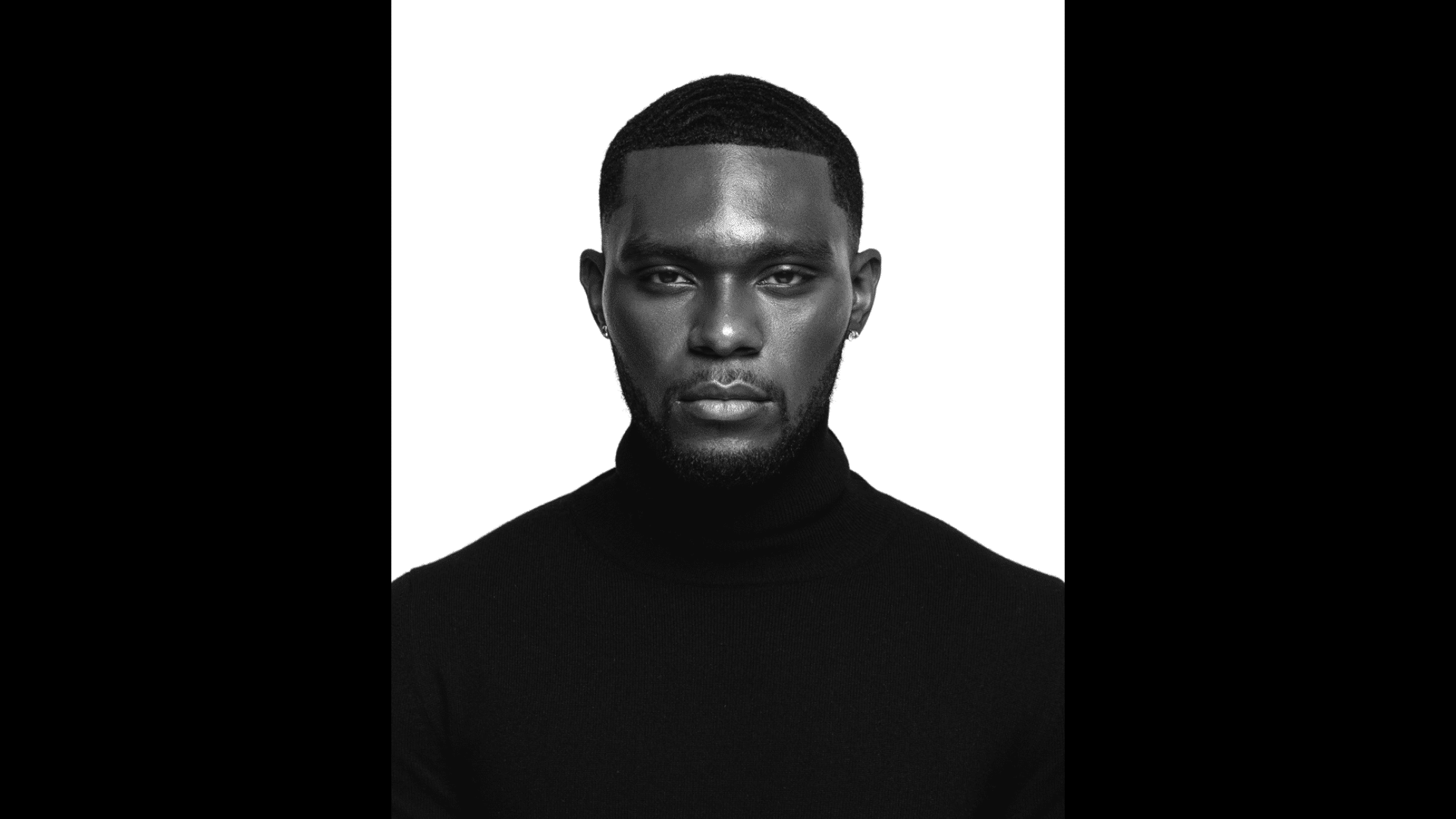
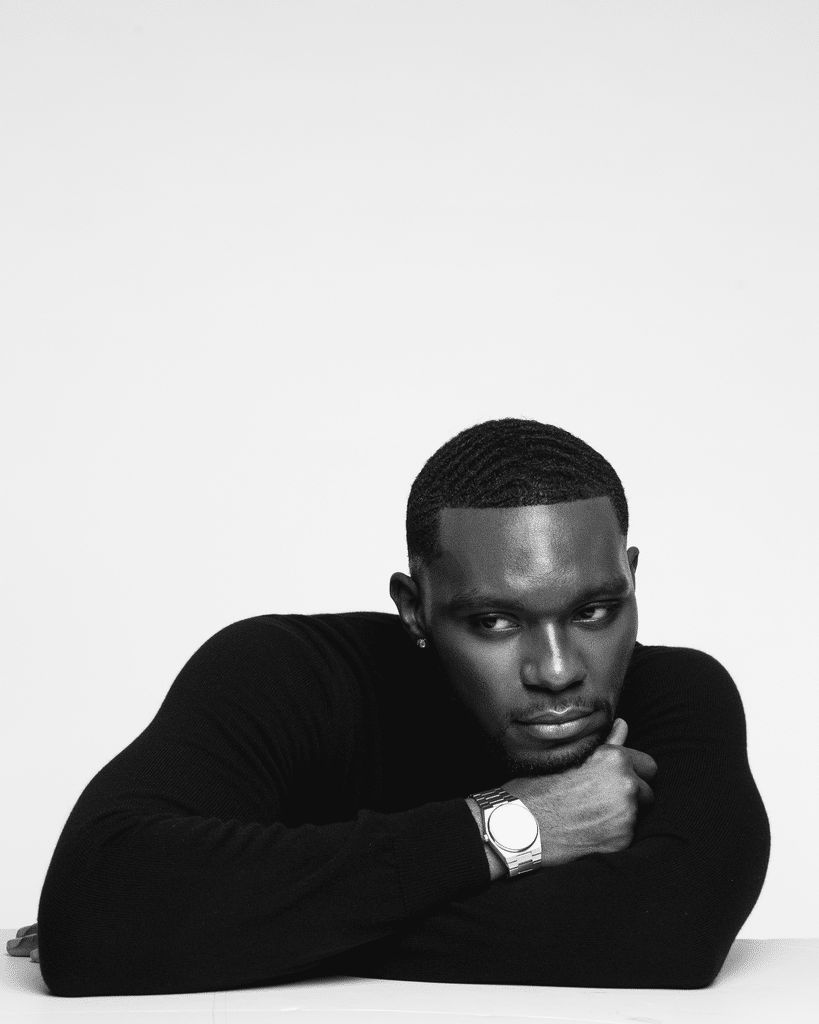
Tyshon Lawrence on Moving Beyond Viral Fame and Building an Entertainment Career

On the days Tyshon Lawrence worked as a certified nursing assistant, his content shift began as soon as the medical one ended. He would come home, trade his nursing clothes for a cheap fur jacket he planned to return, and film. That routine built the discipline he now uses to move from viral catchphrases into the entertainment industry.
That move is already underway. Earlier this year, Tyshon attended a premiere event for “The Devil Wears Prada 2,” hoping to meet Anne Hathaway and left without the chance. Later that year, he interviewed her and Dakota Johnson for Amazon MGM Studios’ “Verity.” “All that grinding, and sometimes you forget this is what you grind for,” he says.
The interview sits on top of a full-time creator business that his family still says is not a job. Tyshon posts lifestyle content built around food, outings, and his day-to-day on TikTok, YouTube, Instagram, and Facebook. Strangers still stop him on the street to shout the line from “Where’s Your Mother?,” the reaction series he remains best known for. “Their description of what I do for a living is ‘You don’t work,’” he says of his relatives.
That verdict misses how deliberately he has rebuilt himself. He has cycled from food videos to “Where’s Your Mother?” to science experiments and now to lifestyle, fashion, and skincare. “Since I’ve been doing it for so long, I don’t really get scared anymore,” he says. “It’s always good to reinvent yourself.”
Posting Into a Feed With Few Faces Like His
Tyshon was born in North Carolina and raised largely in Jacksonville, Florida. He started taking social media seriously at 19, while he was in nursing school, working as a CNA, and helping care for his great-grandmother. What kept him posting was who he did not see online. “At that time, as a Black queer creator, I wasn’t really seeing a lot of representation that looked like me,” he says.
The few peers who did look like him and were climbing gave him a target. “I just wanted to be up there with them,” he says. A growing sense that nursing was not his passion pushed him the same way. “I felt like I wanted to do some type of entertainment, and I felt like social media was my outlet,” he says.
He credits the work ethic to his parents. “Whatever my mom was passionate about, whatever my dad was passionate about, they really worked hard to be the best,” he says.
The Accidents That Taught Him to Lock In
His first viral moment came while Musical.ly was turning into TikTok, from a trend in which users pulled their sweatpants high up their legs. The video was featured on the app, and TikTok later used it to promote itself. “I look a hot mess,” Tyshon says. “But at the end of the day, I gotta [thank] that video because it really motivated me to keep going.”
His response was a schedule. He committed to three videos a day and held that pace for three years, leaving underperforming posts up and moving on. “I knew that eventually, once I figured out some type of hook or some type of series that I could continue to do, it would come,” he says.
The series arrived by accident too. Tired of watching children misbehave in viral clips, he stitched one and screamed the question that became his signature. “I kept seeing kids just doing crazy stuff on social media,” he says. “I’m like, ‘Where’s their mother?’” He carried the format to YouTube, where subscribers sent in videos for him to react to, and a limited merchandise drop sold out quickly. “The more I did it, the bigger it got,” he says.
Knowing When to Retire a Catchphrase
Success with a single format carries a cost, and Tyshon acknowledges it. “Sometimes, yes, you do feel like it’s tying you in because it’s kind of like the same formula,” he says. His rule now is to leave a series alone once it starts to dry out and a new one has officially launched.
He has tested that rule against his own audience. Last year, he revived the catchphrase for a trend about lines creators were once known for, and followers asked him to bring the series back. “I don’t think I’ll bring it back,” he says. “We’re doing different things now.”
Part of the shift reflects what audiences want. Tyshon sees viewers gravitating toward get-ready-with-me content, food spots, and new clothing, and he ties his formats to the brands he wants to reach. “If I want to work with more food brands, I will have to start making more food videos,” he says.
A Manager Who Won’t Only Say Yes
Tyshon recently signed with Kensington Grey and treats the relationship as an ongoing strategy conversation, which starts with the creator knowing what they want. “Walking in and not knowing exactly what you want to do doesn’t help your manager,” he says.
That puts the burden on self-advocacy, which did not come naturally. He says he used to be shy about promoting his own accomplishments. “Why would you work so hard to then discredit yourself?” he asks.
He also wants pushback. “I never want to work with a management team that’s like, ‘Yes, yes,’” he says. The notes he values are tied to outcomes. “If you want to be sitting in the front row at a Louis Vuitton show, we need to see some fashion content,” he says, describing the feedback he wants from his team.
Pay followed the same arc. Early on, with no one representing him, he took almost any deal. “I didn’t know my worth in the sense of how much I should be getting paid,” he says. Steady growth and a team willing to back him changed the terms.
Why Creators Stopped Complaining in Private
His longest brand relationship ran about three years with Motorola, which brought him to the US Open and put him in his first international commercial, shot in Brazil. Other work came from brands approaching him directly, including Kiehl’s and a joint project with the NFL and Heinz.
Some brands arrive with a fixed concept. “Sometimes, a brand has a specific type of vision,” he says. “It’s almost like a commercial.” When a deal does not fit, he passes quietly. “I would never want to have bad blood with a brand,” he says.
Other creators have taken a louder route, which Tyshon sees as the biggest change since he started. Complaints about unfair treatment used to circulate among creators by text. Now creators post videos naming brands that treat or pay them unfairly. “We click that button, and we’re not afraid to talk about it,” he says. “And that’s when things start to change.”
From ‘The Princess Diaries’ on DVD to the Interview Chair
The “Verity” sit-down grew out of earlier projects with Amazon, which brought the opportunity to his team. “They kind of came to my team and were like, ‘We would love to submit [Tyshon] for this opportunity. Is he interested?’” he recalls. Tyshon showed up in what he calls his best Sunday church shoes to interview an actress whose “The Princess Diaries” DVD he watched every day as a child.
Acting runs on a parallel track. He walked his first runway show around 2023 and appeared in “Almost Popular,” a film on Amazon. “I had a tiny line,” he says. He cites comedic actors like Bernie Mac and Martin Lawrence as influences and plans to take acting and improv classes before chasing bigger roles. “I never want to do something where I don’t feel overly prepared,” he says.
Asking the Entertainment Industry for More Grace
In the near term, Tyshon is filming a series in which he visits only New York spots his followers recommend. His larger targets include interviewing at events like the Met Gala and landing an international modeling campaign that puts his face in stores in New York, Paris, and London. Eventually he wants a brand of his own, which he is not ready to rush.
He expects many creators to cross into entertainment over the next decade and hopes the backlash that follows them keeps easing. He does not call the move effortless. “There’s still a lot of work that it takes to get there,” he says. “But I feel like there could be a little bit more grace.”
He says he is educating himself for the journalism-style work influencers are moving into. The conviction underneath has not changed since the fur-jacket days.
“Anybody who works hard for something and manifests a thing for themselves knows that it will happen,” he says. “They just don’t know when.”
Subscribe to Our Newsletter
Check Out Our Podcast