Creator pricing has no shared reference point. Most rates still come from a manager’s rate card or the last deal a creator closed. Media buying settled on published CPMs decades ago, and creator marketing never has.
The gap has a measurable cost. A July survey of 1,000 brand marketing and procurement decision-makers found that 45% of brands have mispriced a creator partnership. Among those that did, 40% paid too much and 36% paid too little. Seventy-three percent of respondents manage creator finances manually, and 81% negotiate fees in-house rather than through an agency.
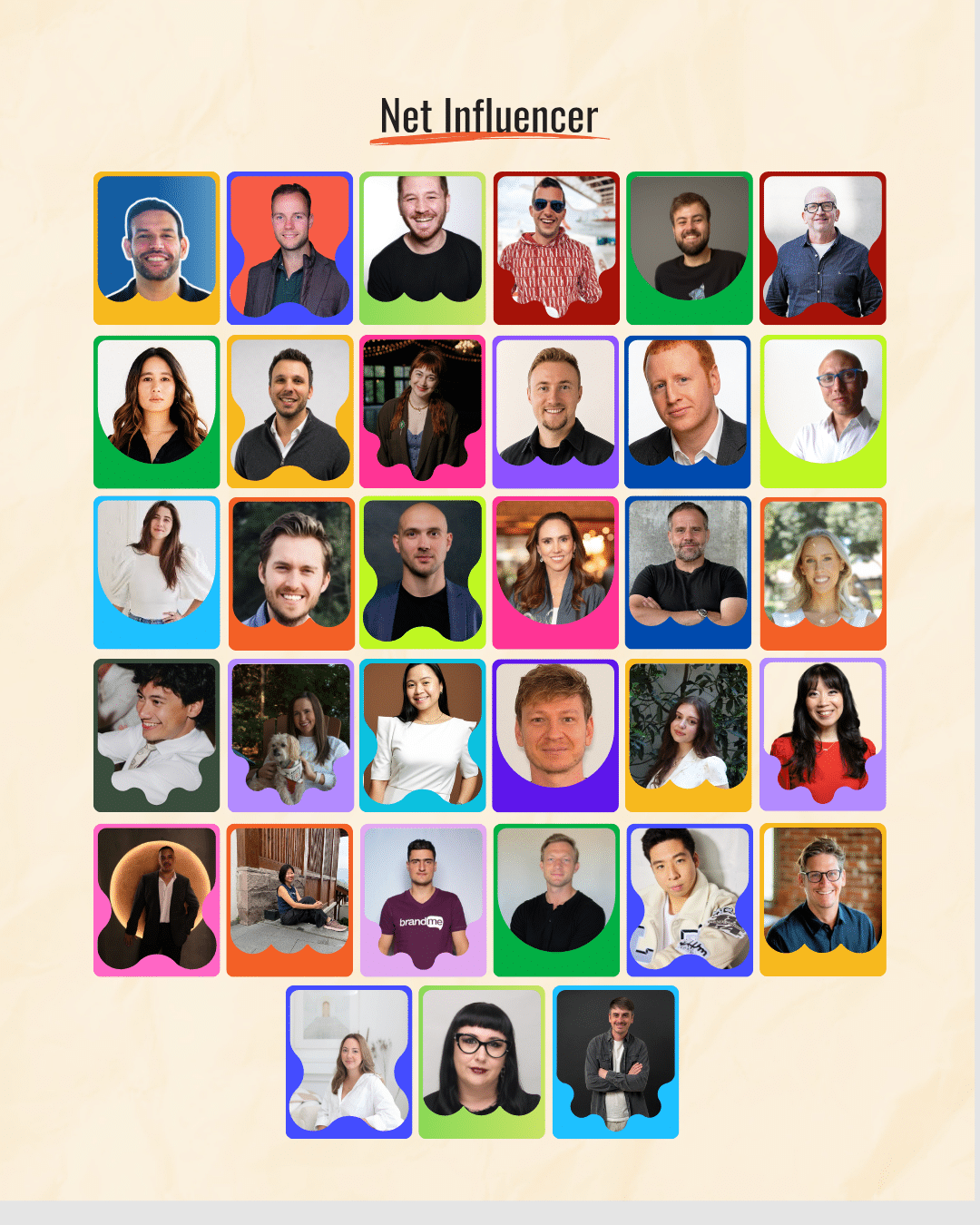
The open question is whether a public benchmark would raise creator earnings, lower them, or simply relocate the argument. Hence, we asked 33 industry professionals whether creator rates should be standardized and published or remain subject to private negotiation.
This will be an unpopular opinion, but for most creators rates should follow a standard, and that standard should be CPM by platform. Celebrities are in another stage, their price is about the name and that will always be private. That is a small group.
For the rest of the industry, a creator is almost never bought alone. They are one part of a larger campaign, next to 10, 20 or 50 other creators, and the brand runs that campaign on specific rates. If one creator is priced on a feeling, it breaks the math for the whole plan, and that creator is the first one cut.
A clear CPM per platform (YouTube long-form, Shorts, TikTok, Instagram, podcasts) gives everyone the same language. Brands can budget with confidence and creators know where they stand before the first email.
I believe this raises creator earnings over time. When the price is predictable, brands buy more and they come back. Renewals are where creators make money.
The negotiation does not disappear. It moves to what is different: a stronger audience, better past results, more deliverables. That is a healthier conversation than starting from zero.
Brands should publish their budgets before creators publish their rates.
I’m against standardized public creator pricing. Benchmarks are useful, but a creator’s value isn’t determined by a spreadsheet. Audience quality, actual views, engagement, brand fit, and commercial results matter far more.
And here’s where I’ll upset some people: If a creator normally charges $1,000 but willingly accepts $400 for a strategic campaign, I’d rather see them earn $400 than protect an imaginary price floor and earn $0.
That doesn’t mean accepting every lowball offer. It means recognizing that negotiation is business, not an attack on someone’s worth.
Want transparency? Great. Brands should disclose their budgets upfront, creators should justify their rates, and both sides should negotiate.
Why is the industry so obsessed with making creator pricing transparent while brands get to hide what they’re actually willing to spend?
A published benchmark would just price the audience a creator had last month, and the negotiation becomes about talking the number down to it. Media buying could settle on CPMs because an impression on one site is roughly worth an impression on another. Creators don’t work like that. In our syndication deals we’ve stopped arguing over rates altogether. We run a standard revenue split, so the only number that matters is how well the content performs. After 14 years in this industry, the deals I’ve seen last are ones where the price moves along with the results. Standardize the terms, not the price.
Publish benchmarks, but keep the final price a negotiation.
The first question I would ask is whether creators helped build the benchmark and believe it reflects the work. A number is only useful if you know what went into it. Was it actual payments or asking prices? Does it account for the deliverables, the audience, usage rights, and exclusivity? Is there a performance component?
A brand-awareness campaign and an e-commerce campaign are not priced on the same basis, just as one Instagram post is not the same deal as a post a brand can run as paid media for six months.
Public benchmarks could help creators who have no idea what anyone else is getting paid. They could also pull earnings down if brands read an average as a ceiling. That is the risk.
Published ranges with a clear methodology and real creator input are more useful than a single standard rate. Without that context, you do not end the negotiation. You just move it to an argument about whose number is right.
Creators should be able to use the data to negotiate. It should not be used to tell them what their work is worth.
I don’t think you should expose a creator’s rate publicly, everyone has the right to set and justify their own cost and every creator is different.
But, I get why brands want a benchmark though. So much of pricing right now is vibes and a rate card from a manager. What I’d want instead is the data behind the creator: audience quality, community strength, GMV, conversions, what the strength of their fans is. There’s a LOT to dig into beyond follower count, and brands should be able to see it.
So my take is to keep the rate private, open up the data, and let brands react to the rate from there. A public benchmark doesn’t raise or lower earnings, it just moves the argument somewhere else, and I’d rather the argument be about the evidence.
Creator rates should not be standardized, but the inputs behind them should be. Public benchmarks can give both sides a starting point; they should never become the final price.
A benchmark could raise the floor for creators who are undercharging and give brands more confidence in negotiations. But if it relies mainly on follower count or CPM, it will undervalue specialists and creators whose value comes from trust, expertise, or creative quality rather than reach. A creator with a modest audience may still produce content that performs well in paid media or gives a brand credibility beyond impressions.
Benchmarks must separate the base deliverable from production complexity, usage rights, paid amplification, exclusivity, category restrictions, geography, and duration. Thirty days of organic use is not comparable to a year of paid media and exclusivity.
I would publish ranges and methodologies while keeping the final negotiation private. That would likely raise the floor, but it would not end the argument; it would move it to what justifies a premium. The industry should standardize the variables behind a rate, not the rate itself. Otherwise, an average designed to create transparency can become a ceiling for the creators it was meant to protect.
Every deal has a different goal, and a creator’s rate should reflect that goal and what the creator uniquely brings to it. A benchmark can tell a brand what a similar creator charged last quarter. It can’t price the input that matters most, which is demand, and only the manager and the creator can see that. If my creator is already booked with partnerships through December, taking on another one means reshuffling their calendar or risking their audience’s trust in a crowded feed. That costs more, and it should. Public benchmarks won’t really raise or lower creator earnings. They’ll give brands an opening number, and the real negotiation will move to what that number can’t capture: timing, exclusivity, usage rights, and how much a creator’s audience actually listens. Actors work the same way. Industry minimums exist, but nobody prices a lead role off a rate card.
Creator rates shouldn’t be standardized, but the inputs used to price them should be. Public benchmarks are useful as a starting point, especially because follower count is a poor proxy for commercial value. But the final rate should reflect what the brand is actually buying: audience fit, format, production effort, usage rights, exclusivity, conversion history, affiliate upside, and increasingly, the shelf life of the content beyond the campaign.
Here’s something we’re increasingly seeing firsthand: a high-intent YouTube video that keeps driving Amazon sales “and” gets cited by AI shopping systems can deliver significantly more long-term value than a one-off sponsored post.
Standardize the pricing framework, not the price. That creates trust and transparency without turning creators into commodities.
With long-tail and/or micro-creators, I think there’s probably a more realistic opportunity to (at least temporarily) create more formal, likely CPM-based benchmarks for pricing; though this approach simply doesn’t work for higher-profile, more in-demand creators given all of the nuance often involved in high-level deal-making. More often than not, factors like creative, usage, brand alignment, timing, seasonality, product category, creator bandwidth, outside factors tied to the creator’s larger enterprise and many more variables are factored into each deal, whether quietly or otherwise, and a standardized pricing matrix simply cannot account for all of this. The end result would be brands likely coming short on securing deals with their target creators that would have been very makeable if the brand simply picked up the phone and worked through a bespoke partnership.
I personally think a public benchmark would lower creator earnings at the end of the day. Not to mention, content creators are not a one-size-fits-all pricing strategy. Off the top of my head pricing can be impacted by numerous variables such as niche of the creator, an intensive scope of work, fast turnarounds, if the content requires a budget to cover materials, holiday campaigns, etc. At the end of the day, pricing for both parties should reflect a budget that aligns against a realistic CPM, while making space for the factors I just listed. We represent one of the biggest floral designers on social media, and in all of their brand deal negotiations we make sure that whatever rate we negotiate, it factors in a floral budget to reflect that cost the creator takes on. Public benchmarks would mean the client I just mentioned makes less money because it unfairly weighs their content against others without taking into account the factors that make their content so different. While a public benchmark would make things “easier” I just can’t get behind it when it comes to my clients.
Internal benchmarks are useful when they’re built from real data and real experience. The problem is when an agency treats their formula as fail-safe. There’s always nuance a model can’t hold, and that’s largely why talent management exists in the first place. A good manager should be articulating the value the spreadsheet misses. The managers who do that well are the ones commanding higher rates for their creators.
From my side, where we’re receiving and reacting to those numbers, I’d rather someone give me a baseline or a range up front. It makes me better informed and it gets us to an answer faster. Otherwise we’re doing a dance where I’m trying to work out what their actual budget is, and nobody gains anything from that.
Certain agencies share a range at the casting stage and I’ve been genuinely appreciative of it. It lets us rule out creators who aren’t a fit because the value they bring prices them above what’s been allocated. Whether that’s the right approach or not, the campaign results tend to answer the question themselves.
It’s such an interesting discussion point, particularly around more short-form or influencer content – there really isn’t a clearly defined rulebook for rates. For short-form content, we take the approach of putting forward a production fee for the creative and then use a CPM and an average view count of the channel to define the rate. But again, that’s what we do, and we would welcome a public benchmark or universal rate card to help refine this. It’s tough though because the short-form algorithms can really affect a branded content piece’s performance, so setting a benchmark based on view counts or CPMs is also really difficult.
Creator rates can be benchmarked, but they should not be standardized.
Creators are closer to actors, musicians, architects, or artists than interchangeable media inventory. Each brings a different combination of audience, reputation, format, expertise, and trust.
For smaller creators, I expect more standardization. Agencies will increasingly group talent into tiers and establish acceptable price ranges. Benchmarks can also give both sides a reasonable starting point for negotiation.
But follower count is the wrong foundation. Even views only get you closer.
What a brand is actually renting is attention and trust: how engaged the audience is, how credible the creator is within that audience, and how naturally the product fits that relationship. Retention, engagement, reputation, category authority, and repeated exposure all affect value – and some of those are difficult to reduce to a CPM.
That is why I don’t expect top creators to ever have truly standardized pricing, just as top actors or musicians don’t.
Brands shouldn’t optimize for the cheapest creator. They should find the strongest audience-product fit and negotiate from there.
You’re not buying followers. You’re renting trust.
I strongly believe industry pricing benchmarks are necessary. But benchmarks should be a starting point, not a fixed price. We’re negotiating with people, not inventory. A doctor creating specialized content will have a completely different value proposition than a lifestyle creator, even with the same follower count. Engagement, audience quality, expertise, content complexity, usage rights, and proven performance should all influence pricing.
My biggest concern is the rapid increase in creator fees across Latin America. If pricing continues to rise without a proportional increase in results, Influencer Marketing risks losing its cost-effectiveness and attractiveness to brands. We need to protect both fair creator compensation and advertiser ROI. Benchmarks won’t eliminate negotiation, but they can make it more informed, fair, and sustainable for the entire industry.
Creator rates should have a public benchmark, and the final price should stay negotiated.
A benchmark gives both sides a reference point. That’s useful in a market where pricing often depends on what someone negotiated last time. A reference price still tells you little about the value of the creator.
Two creators with identical follower counts can produce different commercial outcomes. One delivers impressions. The other has an audience that buys and comes back. Pricing them against the same rate card ignores what the buyer is purchasing.
The danger is that brands start treating benchmarks as ceilings. That could compress earnings for creators whose audiences outperform the averages.
Publish the benchmarks with transparent methodology, and leave the final price to negotiation, where audience quality, demonstrated performance, usage rights and scope of work belong.
Neither. Publish the structure, and keep the negotiations and numbers private. Media buying never standardized the price, only the unit, measured independently as impressions. U.S. rate guides have been published since 1919, but rate cards are typically a ceiling, programmatic inventory is often auction-based, and Nielsen tracks spend at published rate card values while noting discounted rates aren’t publicly available.
Creator benchmarks should be the anchor that kicks off negotiations, with creators pushing it up and brands pulling it down. Companion (Billion Dollar Boy’s creator pricing platform), built on $173M in verified creator campaign spend and 180K+ deal data points across 50+ markets, commissioned a survey that found that 45% of brands admitted to mispricing creator deals in both directions, and the company also acknowledged its algorithm doesn’t account for intangibles, like cultural momentum.
Real-time market forces also move prices, such as demand for a creator’s calendar, seasonal peaks like Black Friday, or a controversial post that may tank a creator’s market value.
The industry must standardize the formula, including baseline metrics, usage rights, exclusivity, and a whitelisting fee structure that scales with actual ad spend, the way media cost scales with delivery. Publish the formula, negotiate the numbers.
Benchmarks are coming whether the industry votes for them or not. The only question that matters is what gets benchmarked.
Benchmark reach and creators lose. Reach is the commodity here. Publish a CPM and every negotiation becomes a race to the cheapest impression. That B2B finding is the tell: follower count doesn’t set price because it was never the thing being bought.
Benchmark scope and creators win. Usage term, exclusivity, whitelisting, channel rights. That’s where the money actually sits, and it’s the part creators underprice because they have no comps.
Opacity never protected the little guy anyway. Brands have price data from hundreds of deals. A solo creator has their last three. That asymmetry only runs one way.
The exception is real differentiation. If your audience converts at three times the category, you’re pricing an outcome, not a CPM. No benchmark captures that.
A benchmark is a floor, not a verdict. It just moves the fight to scope, which is where it always belonged.
Creator rates should be benchmarked, not standardized. A published range gives brands and creators a fair place to start, but the final number should still be negotiated. Follower count, platform, and deliverables matter, but fair compensation also reflects a creator’s time, effort, and expertise.
A VFX creator developing custom animations may charge more than a lifestyle creator filming a talk-to-camera video. Both can be effective depending on the campaign goal, but the work involved is different.
Public ranges would likely raise earnings for creators who negotiate with little market data today, while shifting the conversation toward the work itself. That’s healthy, as long as benchmarks evolve with the market and leave room for each partnership.
Benchmarking pricing in the Creator Economy is too restrictive. And I think it misses the point entirely.
The argument for it makes sense on the surface, stop people pricing wherever they feel like it, bring some logic to the chaos. I get that. But the solution isn’t a benchmark, but better agents.
When you’re buying mass media across TV or multiple YouTube channels, bulk pricing makes sense. You’re buying audiences at scale. But in the Creator Economy, you’re buying an individual, their creative, and the trust they’ve built with their audience. That’s harder to commoditize, and it should be.
Benchmarking pulls everything to the lowest point of the range – because that’s always where buyers go first.
What actually fixes it is education. Agents who ask the right questions, and who understand what a brand is actually trying to achieve. Is it conversion, acquisition, awareness, content quality? Who knows which metrics matter for that specific brief and price accordingly. CPMs, usage rights, content placement, exclusivity windows, these are the variables that should be driving the number. Not a benchmark that flattens everything into a spreadsheet.
Price with logic. Price with context. Price with a real understanding of what you’re selling.
Courtney Canfield, Influencer Marketing Consultant & Content Creator
As someone who’s built influencer programs “and” worked as a creator for 14+ years, rates should be a private negotiation. Standardized pricing assumes creator content is a commodity, but it isn’t. I can spend up to 30 hours on a single sponsored post, but another creator might prop her phone on a tripod, film a short video, and post it. The effort, time, skill, experience, and production across creators is “not” the same, and they shouldn’t be compensated as though they were.
Remember: just because we want to standardize rates, doesn’t mean creators owe us that. Heck, I’d love to standardize the cost of real art from well-known artists so I could afford some for my home. And isn’t that what rate standardization is actually trying to do? Force creators with a similar following to charge the same, which pushes rates down for the “overpriced” ones brands “really” want to work with?
What matters more is that you are internally establishing performance benchmarks for your own campaigns, and evaluating creators through that lens. Train your team members so they know how to negotiate and when to walk away. “That’s” how you control creator rate creep.
Creator rates should be publicly benchmarked, but never fully standardized.
Having worked with more than 50,000 Filipino creators, I have seen how limited pricing transparency can disadvantage both sides. Creators may undervalue their work, while brands struggle to assess whether a proposal is fair. Credible benchmarks can provide a useful starting point and help professionalize the industry, especially in developing creator markets.
However, benchmarks must never become ceilings, or formulas driven primarily by follower count. The value of every partnership depends on audience trust, creative complexity, performance, usage rights, exclusivity, turnaround time, platforms, and territories.
I still believe pricing should begin with informed benchmarks and conclude through thoughtful negotiation. Transparency can make the market fairer, but creators are not interchangeable media placements. The goal is not one universal rate; it is a more balanced and defensible conversation about value.
Frankly, I’m skeptical about standardizing the creator rates. Because before we standardize them, I would want to understand who sets that standard and what makes their calculation credible. Also, what the pricing should be based on: is it views, expertise, audience trust, production costs or effort? Creators can bring different value to different brands under different circumstances, which makes it virtually impossible to justify any “standardized” reference value. Even though published numbers can help creators who undercharge, my concern is that brands would use them as a reason to push rates down, regardless of what a creator brings to the campaign.
Public benchmarks could provide brands with a useful starting point and curb obvious underpricing, but they should serve as a reference range, not a rate card. Used rigidly, they risk becoming a ceiling that reduces creators to follower count and engagement, overlooking audience trust, topic authority, conversion potential, brand fit, usage rights, and exclusivity. That could undervalue smaller creators with more credible or influential audiences. The real question is who sets the methodology and which inputs carry weight. Done transparently, benchmarks could improve negotiations; done simplistically, they will just move the argument to the data and assumptions behind the number.
We need to meet in the middle. In corporate, we reference salary benchmarks. It doesn’t mean every employee at the same level, at every company, gets paid exactly the same. But there’s at least a range to set expectations for both the employee and the employer – and there’s a baseline to ensure every employee, regardless of level, gets compensated for their work. I think in many cases, moving to a public benchmark would support creators and the tremendous effort, skill, and talent they invest in the work. Too often we receive rates from creators who are underselling themselves and asking for half of what we’re paying other creators with the same following size, engagement rate, skillset, usage rights, and set of deliverables. Of course, we’ve seen the extreme flip side of this too. Just like in corporate, establishing a public benchmark wouldn’t eliminate the need for negotiations, but it would start the conversation at a more productive and impactful place. Part of our job in creator relations is to create valuable partnerships between brands and creators that lead to the strongest, business-driving content. Our best way to achieve that is by making sure both parties are operating from the same playbook.
I don’t think creator rates should be fully standardized, but I do think we need more transparency around pricing. Having worked as a talent manager, I’ve seen firsthand how two creators with similar followings could have completely different rates, and honestly, for good reason. Follower count only tells you so much. It doesn’t reflect the relationship a creator has with their audience, the quality of their content, or the results they’ve delivered for brands. I’ve negotiated partnerships where usage rights, exclusivity, creative production, and long-term value were all part of the conversation.
I think public benchmarks could be such a positive thing, especially for smaller creators who don’t have management advocating for them. There are so many talented people undercharging simply because they don’t know what their work is worth. My only concern is brands treating those benchmarks as a ceiling instead of a starting point. At the end of the day, we’re working with people, not ad placements. I think benchmarks should help start a conversation about someone’s value, not make that decision for them.
Influencer Marketing has long operated in a space where pricing isn’t always clear or consistent. In my experience, influencer fees themselves are often fair. The challenge is the multiple layers of intermediaries, referrals, and markups that can sometimes inflate the final cost.
I believe influencers should feel empowered to publish their base rates openly. This helps brands make informed decisions, protects creators from being undervalued, and creates a fairer playing field for everyone.
Of course, pricing will always have some flexibility. Campaign scope, exclusivity, seasonal demand, and availability can all justify adjustments. No two campaigns are exactly alike.
But having a transparent base rate is a good starting point.
Ultimately, transparency builds trust and creates a healthier ecosystem for brands, agencies, and creators alike.
Creator pricing should be transparent, but not standardized. Public benchmarks can help brands understand fair market rates and give creators stronger foundations for negotiation, but they should never become fixed price lists.
Two creators with the same follower count can deliver completely different value. Audience quality, engagement, content expertise, production capabilities, brand affinity, usage rights, exclusivity, and proven business results should all influence pricing.
After more than 15 years in Influencer Marketing and working with thousands of creators and brands, I’ve learned that the biggest challenge isn’t the lack of a universal rate card. It’s the lack of consistent criteria for evaluating value.
I believe technology and AI will make pricing increasingly data-driven, helping both brands and creators negotiate with greater transparency. But the final price should remain a negotiation based on specific campaign objectives and the unique value each creator brings.
Benchmarks should inform the conversation, not dictate the outcome.
Creator rates shouldn’t be standardized, but usage rights should. Production is different every time. A lot of the work that goes into content is never seen, so what it costs should stay between the creator and the brand.
Usage rights are another matter. They’re about media and exposure, and right now there’s rarely a deal where the brand feels it paid fairly and the talent feels it was paid fairly.
To do it properly, you need monitoring of content use: where content goes, who sees it, what those viewers are worth, and on which platforms. With that data, talent gets paid for how their work is actually used, and brands can buy usage rights the way they buy media, which is what usage rights are.
This does require both sides to want a ‘fair’ market to operate effectively.
I’m all for greater transparency in creator pricing, but I think the bigger issue is that many creators don’t actually know how to price themselves or understand the value they bring to brands.
That’s a big part of why talent management exists. As managers, our job is to advocate for creators, understand what brands are willing to pay, and negotiate deals that reflect their value.
I think public benchmarks could be a helpful starting point, especially for newer creators who don’t have much experience negotiating. But I don’t think rates should be standardized. Two creators with identical follower counts can deliver completely different results based on their audience, engagement, content quality, and ability to drive conversions.
My concern is that brands could start treating benchmarks as pricing ceilings rather than reference points, ultimately driving creator earnings down. Transparency is valuable, but creators also need better education and representation to make sure they’re not undervaluing themselves.
We see value in a pricing benchmark, as long as everyone understands there will be a wide range of variability. Creator pricing is a dynamic marketplace. Seasonality, niche, scarcity and brand fit all affect the price.
Just as actors aren’t interchangeable, neither are creators. A brand may pay a premium because a creator has influence with the exact community it wants to reach. A benchmark can offer context, but it can’t fully price that fit. If the premium doesn’t make sense for the brand, the creator doesn’t make the final plan.
A benchmark can help start the conversation. It shouldn’t set the price. That still needs to be negotiated around the creator, the brand and the deal.
There’s too much nuance in how creators are valued to meaningfully standardize rates across the industry. While audience size, reach and engagement can provide a starting point, they’re only part of the picture. As a talent management agency, we also consider factors like the quality of a creator’s content, the time and resources required to produce it, their ability to influence purchasing decisions, and how sought-after they are by brands.
While I understand that standardized rates would make it easier and faster for brands to evaluate opportunities, I think they risk oversimplifying the industry and overlooking the individuality of each creator’s business. Benchmarks can be a useful starting point, but they shouldn’t be used to determine what a creator should charge for their work. Ultimately, brands get to decide what makes sense for their budgets and objectives, but that doesn’t mean they get to dictate what a creator’s work is worth.
Benchmarks are a useful start, but standardizing creator rates runs into a basic problem: what do you measure? Follower counts are easy to inflate and say little about who’s watching. Engagement rates vary by platform and account size, so one number would undervalue some creators and overpay others. What drives value is subjective: how much an audience trusts a creator, how well they fit a brand and the quality of their work. Add usage rights and exclusivity, and two identical-looking posts can be worth very different amounts. There’s a risk that the going rate quietly becomes a cap. In an industry this fast-moving, any benchmark would date quickly. Transparency helps, especially for creators without representation, but one rate card for everyone doesn’t fit this market.
I think it’s good to know a range but not exact pricing. At the end of the day, the creator is charging because of the influence they have on their network.
Some influencers have a lot more organic reach, and therefore their pricing should be more expensive. You’re paying for their recommendation, and how that particular voice or commendation can influence someone’s identity in a way.
Whereas with some creators, you’re paying for an ad asset. Maybe they don’t have good organic reach, but they can make really good videos.
I think the better the match between their profile, their video, and your product or service (or whatever you’re selling), the lower the price in general. The worse the match, the less that creator would like to post about you, so obviously they’ll want to charge you more.
Dragomir is a Serbian freelance blog writer and translator. He is passionate about covering insightful stories and exploring topics such as influencer marketing, the creator economy, technology, business, and cyber fraud.
















Creator pricing has no shared reference point. Most rates still come from a manager’s rate card or the last deal a creator closed. Media buying settled on published CPMs decades ago, and creator marketing never has.
The gap has a measurable cost. A July survey of 1,000 brand marketing and procurement decision-makers found that 45% of brands have mispriced a creator partnership. Among those that did, 40% paid too much and 36% paid too little. Seventy-three percent of respondents manage creator finances manually, and 81% negotiate fees in-house rather than through an agency.
The open question is whether a public benchmark would raise creator earnings, lower them, or simply relocate the argument. Hence, we asked 33 industry professionals whether creator rates should be standardized and published or remain subject to private negotiation.
Alan Kronik, Chief Revenue Officer, ThoughtLeaders
This will be an unpopular opinion, but for most creators rates should follow a standard, and that standard should be CPM by platform. Celebrities are in another stage, their price is about the name and that will always be private. That is a small group.
For the rest of the industry, a creator is almost never bought alone. They are one part of a larger campaign, next to 10, 20 or 50 other creators, and the brand runs that campaign on specific rates. If one creator is priced on a feeling, it breaks the math for the whole plan, and that creator is the first one cut.
A clear CPM per platform (YouTube long-form, Shorts, TikTok, Instagram, podcasts) gives everyone the same language. Brands can budget with confidence and creators know where they stand before the first email.
I believe this raises creator earnings over time. When the price is predictable, brands buy more and they come back. Renewals are where creators make money.
The negotiation does not disappear. It moves to what is different: a stronger audience, better past results, more deliverables. That is a healthier conversation than starting from zero.
AB Lieberman, Founder, Clicks Talent
Brands should publish their budgets before creators publish their rates.
I’m against standardized public creator pricing. Benchmarks are useful, but a creator’s value isn’t determined by a spreadsheet. Audience quality, actual views, engagement, brand fit, and commercial results matter far more.
And here’s where I’ll upset some people: If a creator normally charges $1,000 but willingly accepts $400 for a strategic campaign, I’d rather see them earn $400 than protect an imaginary price floor and earn $0.
That doesn’t mean accepting every lowball offer. It means recognizing that negotiation is business, not an attack on someone’s worth.
Want transparency? Great. Brands should disclose their budgets upfront, creators should justify their rates, and both sides should negotiate.
Why is the industry so obsessed with making creator pricing transparent while brands get to hide what they’re actually willing to spend?
Daniel Yorston, Senior Creator Partnerships Manager, Pubity Group
A published benchmark would just price the audience a creator had last month, and the negotiation becomes about talking the number down to it. Media buying could settle on CPMs because an impression on one site is roughly worth an impression on another. Creators don’t work like that. In our syndication deals we’ve stopped arguing over rates altogether. We run a standard revenue split, so the only number that matters is how well the content performs. After 14 years in this industry, the deals I’ve seen last are ones where the price moves along with the results. Standardize the terms, not the price.
Scott Allan, Chief Marketing & Solutions Officer, URLgenius
Publish benchmarks, but keep the final price a negotiation.
The first question I would ask is whether creators helped build the benchmark and believe it reflects the work. A number is only useful if you know what went into it. Was it actual payments or asking prices? Does it account for the deliverables, the audience, usage rights, and exclusivity? Is there a performance component?
A brand-awareness campaign and an e-commerce campaign are not priced on the same basis, just as one Instagram post is not the same deal as a post a brand can run as paid media for six months.
Public benchmarks could help creators who have no idea what anyone else is getting paid. They could also pull earnings down if brands read an average as a ceiling. That is the risk.
Published ranges with a clear methodology and real creator input are more useful than a single standard rate. Without that context, you do not end the negotiation. You just move it to an argument about whose number is right.
Creators should be able to use the data to negotiate. It should not be used to tell them what their work is worth.
Megan Duong, Co-Founder & CEO, Plot
I don’t think you should expose a creator’s rate publicly, everyone has the right to set and justify their own cost and every creator is different.
But, I get why brands want a benchmark though. So much of pricing right now is vibes and a rate card from a manager. What I’d want instead is the data behind the creator: audience quality, community strength, GMV, conversions, what the strength of their fans is. There’s a LOT to dig into beyond follower count, and brands should be able to see it.
So my take is to keep the rate private, open up the data, and let brands react to the rate from there. A public benchmark doesn’t raise or lower earnings, it just moves the argument somewhere else, and I’d rather the argument be about the evidence.
Fabio Gonçalves, Director of Talent, Viral Nation
Creator rates should not be standardized, but the inputs behind them should be. Public benchmarks can give both sides a starting point; they should never become the final price.
A benchmark could raise the floor for creators who are undercharging and give brands more confidence in negotiations. But if it relies mainly on follower count or CPM, it will undervalue specialists and creators whose value comes from trust, expertise, or creative quality rather than reach. A creator with a modest audience may still produce content that performs well in paid media or gives a brand credibility beyond impressions.
Benchmarks must separate the base deliverable from production complexity, usage rights, paid amplification, exclusivity, category restrictions, geography, and duration. Thirty days of organic use is not comparable to a year of paid media and exclusivity.
I would publish ranges and methodologies while keeping the final negotiation private. That would likely raise the floor, but it would not end the argument; it would move it to what justifies a premium. The industry should standardize the variables behind a rate, not the rate itself. Otherwise, an average designed to create transparency can become a ceiling for the creators it was meant to protect.
Becca Bahrke, CEO & Co-Founder, Illuminate Social
Every deal has a different goal, and a creator’s rate should reflect that goal and what the creator uniquely brings to it. A benchmark can tell a brand what a similar creator charged last quarter. It can’t price the input that matters most, which is demand, and only the manager and the creator can see that. If my creator is already booked with partnerships through December, taking on another one means reshuffling their calendar or risking their audience’s trust in a crowded feed. That costs more, and it should. Public benchmarks won’t really raise or lower creator earnings. They’ll give brands an opening number, and the real negotiation will move to what that number can’t capture: timing, exclusivity, usage rights, and how much a creator’s audience actually listens. Actors work the same way. Industry minimums exist, but nobody prices a lead role off a rate card.
Andri Sadlak, Agentic Commerce Architect, Founder & CEO, ARTAN AI
Creator rates shouldn’t be standardized, but the inputs used to price them should be. Public benchmarks are useful as a starting point, especially because follower count is a poor proxy for commercial value. But the final rate should reflect what the brand is actually buying: audience fit, format, production effort, usage rights, exclusivity, conversion history, affiliate upside, and increasingly, the shelf life of the content beyond the campaign.
Here’s something we’re increasingly seeing firsthand: a high-intent YouTube video that keeps driving Amazon sales “and” gets cited by AI shopping systems can deliver significantly more long-term value than a one-off sponsored post.
Standardize the pricing framework, not the price. That creates trust and transparency without turning creators into commodities.
Alec Shankman, Founder & CEO, HeartRock Partners
With long-tail and/or micro-creators, I think there’s probably a more realistic opportunity to (at least temporarily) create more formal, likely CPM-based benchmarks for pricing; though this approach simply doesn’t work for higher-profile, more in-demand creators given all of the nuance often involved in high-level deal-making. More often than not, factors like creative, usage, brand alignment, timing, seasonality, product category, creator bandwidth, outside factors tied to the creator’s larger enterprise and many more variables are factored into each deal, whether quietly or otherwise, and a standardized pricing matrix simply cannot account for all of this. The end result would be brands likely coming short on securing deals with their target creators that would have been very makeable if the brand simply picked up the phone and worked through a bespoke partnership.
Eddie Pietzak, Sr. VP of Digital, CESD Talent
I personally think a public benchmark would lower creator earnings at the end of the day. Not to mention, content creators are not a one-size-fits-all pricing strategy. Off the top of my head pricing can be impacted by numerous variables such as niche of the creator, an intensive scope of work, fast turnarounds, if the content requires a budget to cover materials, holiday campaigns, etc. At the end of the day, pricing for both parties should reflect a budget that aligns against a realistic CPM, while making space for the factors I just listed. We represent one of the biggest floral designers on social media, and in all of their brand deal negotiations we make sure that whatever rate we negotiate, it factors in a floral budget to reflect that cost the creator takes on. Public benchmarks would mean the client I just mentioned makes less money because it unfairly weighs their content against others without taking into account the factors that make their content so different. While a public benchmark would make things “easier” I just can’t get behind it when it comes to my clients.
Regan Cleminson, CEO, Coastline Creatives
Internal benchmarks are useful when they’re built from real data and real experience. The problem is when an agency treats their formula as fail-safe. There’s always nuance a model can’t hold, and that’s largely why talent management exists in the first place. A good manager should be articulating the value the spreadsheet misses. The managers who do that well are the ones commanding higher rates for their creators.
From my side, where we’re receiving and reacting to those numbers, I’d rather someone give me a baseline or a range up front. It makes me better informed and it gets us to an answer faster. Otherwise we’re doing a dance where I’m trying to work out what their actual budget is, and nobody gains anything from that.
Certain agencies share a range at the casting stage and I’ve been genuinely appreciative of it. It lets us rule out creators who aren’t a fit because the value they bring prices them above what’s been allocated. Whether that’s the right approach or not, the campaign results tend to answer the question themselves.
Tom James, CEO, Digital Fox Talent
It’s such an interesting discussion point, particularly around more short-form or influencer content – there really isn’t a clearly defined rulebook for rates. For short-form content, we take the approach of putting forward a production fee for the creative and then use a CPM and an average view count of the channel to define the rate. But again, that’s what we do, and we would welcome a public benchmark or universal rate card to help refine this. It’s tough though because the short-form algorithms can really affect a branded content piece’s performance, so setting a benchmark based on view counts or CPMs is also really difficult.
Andrii Salii, Freelance Audiovisual Producer
Creator rates can be benchmarked, but they should not be standardized.
Creators are closer to actors, musicians, architects, or artists than interchangeable media inventory. Each brings a different combination of audience, reputation, format, expertise, and trust.
For smaller creators, I expect more standardization. Agencies will increasingly group talent into tiers and establish acceptable price ranges. Benchmarks can also give both sides a reasonable starting point for negotiation.
But follower count is the wrong foundation. Even views only get you closer.
What a brand is actually renting is attention and trust: how engaged the audience is, how credible the creator is within that audience, and how naturally the product fits that relationship. Retention, engagement, reputation, category authority, and repeated exposure all affect value – and some of those are difficult to reduce to a CPM.
That is why I don’t expect top creators to ever have truly standardized pricing, just as top actors or musicians don’t.
Brands shouldn’t optimize for the cheapest creator. They should find the strongest audience-product fit and negotiate from there.
You’re not buying followers. You’re renting trust.
Natalia Serna, CEO, Goldfish Group
I strongly believe industry pricing benchmarks are necessary. But benchmarks should be a starting point, not a fixed price. We’re negotiating with people, not inventory. A doctor creating specialized content will have a completely different value proposition than a lifestyle creator, even with the same follower count. Engagement, audience quality, expertise, content complexity, usage rights, and proven performance should all influence pricing.
My biggest concern is the rapid increase in creator fees across Latin America. If pricing continues to rise without a proportional increase in results, Influencer Marketing risks losing its cost-effectiveness and attractiveness to brands. We need to protect both fair creator compensation and advertiser ROI. Benchmarks won’t eliminate negotiation, but they can make it more informed, fair, and sustainable for the entire industry.
Josh Stein, CEO, Attention Capital
Creator rates should have a public benchmark, and the final price should stay negotiated.
A benchmark gives both sides a reference point. That’s useful in a market where pricing often depends on what someone negotiated last time. A reference price still tells you little about the value of the creator.
Two creators with identical follower counts can produce different commercial outcomes. One delivers impressions. The other has an audience that buys and comes back. Pricing them against the same rate card ignores what the buyer is purchasing.
The danger is that brands start treating benchmarks as ceilings. That could compress earnings for creators whose audiences outperform the averages.
Publish the benchmarks with transparent methodology, and leave the final price to negotiation, where audience quality, demonstrated performance, usage rights and scope of work belong.
Daniel Caldas, Founder, Caldas Ecom
Neither. Publish the structure, and keep the negotiations and numbers private. Media buying never standardized the price, only the unit, measured independently as impressions. U.S. rate guides have been published since 1919, but rate cards are typically a ceiling, programmatic inventory is often auction-based, and Nielsen tracks spend at published rate card values while noting discounted rates aren’t publicly available.
Creator benchmarks should be the anchor that kicks off negotiations, with creators pushing it up and brands pulling it down. Companion (Billion Dollar Boy’s creator pricing platform), built on $173M in verified creator campaign spend and 180K+ deal data points across 50+ markets, commissioned a survey that found that 45% of brands admitted to mispricing creator deals in both directions, and the company also acknowledged its algorithm doesn’t account for intangibles, like cultural momentum.
Real-time market forces also move prices, such as demand for a creator’s calendar, seasonal peaks like Black Friday, or a controversial post that may tank a creator’s market value.
The industry must standardize the formula, including baseline metrics, usage rights, exclusivity, and a whitelisting fee structure that scales with actual ad spend, the way media cost scales with delivery. Publish the formula, negotiate the numbers.
Tobias Hoss, Co-Founder, Senior Advisor, 30 Dishes
Benchmarks are coming whether the industry votes for them or not. The only question that matters is what gets benchmarked.
Benchmark reach and creators lose. Reach is the commodity here. Publish a CPM and every negotiation becomes a race to the cheapest impression. That B2B finding is the tell: follower count doesn’t set price because it was never the thing being bought.
Benchmark scope and creators win. Usage term, exclusivity, whitelisting, channel rights. That’s where the money actually sits, and it’s the part creators underprice because they have no comps.
Opacity never protected the little guy anyway. Brands have price data from hundreds of deals. A solo creator has their last three. That asymmetry only runs one way.
The exception is real differentiation. If your audience converts at three times the category, you’re pricing an outcome, not a CPM. No benchmark captures that.
A benchmark is a floor, not a verdict. It just moves the fight to scope, which is where it always belonged.
Emily Thornbury, Manager, Talent Partner Team, Linqia
Creator rates should be benchmarked, not standardized. A published range gives brands and creators a fair place to start, but the final number should still be negotiated. Follower count, platform, and deliverables matter, but fair compensation also reflects a creator’s time, effort, and expertise.
A VFX creator developing custom animations may charge more than a lifestyle creator filming a talk-to-camera video. Both can be effective depending on the campaign goal, but the work involved is different.
Public ranges would likely raise earnings for creators who negotiate with little market data today, while shifting the conversation toward the work itself. That’s healthy, as long as benchmarks evolve with the market and leave room for each partnership.
Chris J Smith, Head of Agency, The Gold Studios
Benchmarking pricing in the Creator Economy is too restrictive. And I think it misses the point entirely.
The argument for it makes sense on the surface, stop people pricing wherever they feel like it, bring some logic to the chaos. I get that. But the solution isn’t a benchmark, but better agents.
When you’re buying mass media across TV or multiple YouTube channels, bulk pricing makes sense. You’re buying audiences at scale. But in the Creator Economy, you’re buying an individual, their creative, and the trust they’ve built with their audience. That’s harder to commoditize, and it should be.
Benchmarking pulls everything to the lowest point of the range – because that’s always where buyers go first.
What actually fixes it is education. Agents who ask the right questions, and who understand what a brand is actually trying to achieve. Is it conversion, acquisition, awareness, content quality? Who knows which metrics matter for that specific brief and price accordingly. CPMs, usage rights, content placement, exclusivity windows, these are the variables that should be driving the number. Not a benchmark that flattens everything into a spreadsheet.
Price with logic. Price with context. Price with a real understanding of what you’re selling.
Courtney Canfield, Influencer Marketing Consultant & Content Creator
As someone who’s built influencer programs “and” worked as a creator for 14+ years, rates should be a private negotiation. Standardized pricing assumes creator content is a commodity, but it isn’t. I can spend up to 30 hours on a single sponsored post, but another creator might prop her phone on a tripod, film a short video, and post it. The effort, time, skill, experience, and production across creators is “not” the same, and they shouldn’t be compensated as though they were.
Remember: just because we want to standardize rates, doesn’t mean creators owe us that. Heck, I’d love to standardize the cost of real art from well-known artists so I could afford some for my home. And isn’t that what rate standardization is actually trying to do? Force creators with a similar following to charge the same, which pushes rates down for the “overpriced” ones brands “really” want to work with?
What matters more is that you are internally establishing performance benchmarks for your own campaigns, and evaluating creators through that lens. Train your team members so they know how to negotiate and when to walk away. “That’s” how you control creator rate creep.
Ace Gapuz, CEO, Blogapalooza Inc.
Creator rates should be publicly benchmarked, but never fully standardized.
Having worked with more than 50,000 Filipino creators, I have seen how limited pricing transparency can disadvantage both sides. Creators may undervalue their work, while brands struggle to assess whether a proposal is fair. Credible benchmarks can provide a useful starting point and help professionalize the industry, especially in developing creator markets.
However, benchmarks must never become ceilings, or formulas driven primarily by follower count. The value of every partnership depends on audience trust, creative complexity, performance, usage rights, exclusivity, turnaround time, platforms, and territories.
I still believe pricing should begin with informed benchmarks and conclude through thoughtful negotiation. Transparency can make the market fairer, but creators are not interchangeable media placements. The goal is not one universal rate; it is a more balanced and defensible conversation about value.
Alexander Frolov, CEO & Co-Founder, HypeAuditor
Frankly, I’m skeptical about standardizing the creator rates. Because before we standardize them, I would want to understand who sets that standard and what makes their calculation credible. Also, what the pricing should be based on: is it views, expertise, audience trust, production costs or effort? Creators can bring different value to different brands under different circumstances, which makes it virtually impossible to justify any “standardized” reference value. Even though published numbers can help creators who undercharge, my concern is that brands would use them as a reason to push rates down, regardless of what a creator brings to the campaign.
Mikayla D’Agostino, VP of Talent, Greenlight Group
Public benchmarks could provide brands with a useful starting point and curb obvious underpricing, but they should serve as a reference range, not a rate card. Used rigidly, they risk becoming a ceiling that reduces creators to follower count and engagement, overlooking audience trust, topic authority, conversion potential, brand fit, usage rights, and exclusivity. That could undervalue smaller creators with more credible or influential audiences. The real question is who sets the methodology and which inputs carry weight. Done transparently, benchmarks could improve negotiations; done simplistically, they will just move the argument to the data and assumptions behind the number.
Eva Wasko, SVP, Public Relations, Allen & Gerritsen
We need to meet in the middle. In corporate, we reference salary benchmarks. It doesn’t mean every employee at the same level, at every company, gets paid exactly the same. But there’s at least a range to set expectations for both the employee and the employer – and there’s a baseline to ensure every employee, regardless of level, gets compensated for their work. I think in many cases, moving to a public benchmark would support creators and the tremendous effort, skill, and talent they invest in the work. Too often we receive rates from creators who are underselling themselves and asking for half of what we’re paying other creators with the same following size, engagement rate, skillset, usage rights, and set of deliverables. Of course, we’ve seen the extreme flip side of this too. Just like in corporate, establishing a public benchmark wouldn’t eliminate the need for negotiations, but it would start the conversation at a more productive and impactful place. Part of our job in creator relations is to create valuable partnerships between brands and creators that lead to the strongest, business-driving content. Our best way to achieve that is by making sure both parties are operating from the same playbook.
Cedric Burgan, Founder & CEO, Haus Of CLB
I don’t think creator rates should be fully standardized, but I do think we need more transparency around pricing. Having worked as a talent manager, I’ve seen firsthand how two creators with similar followings could have completely different rates, and honestly, for good reason. Follower count only tells you so much. It doesn’t reflect the relationship a creator has with their audience, the quality of their content, or the results they’ve delivered for brands. I’ve negotiated partnerships where usage rights, exclusivity, creative production, and long-term value were all part of the conversation.
I think public benchmarks could be such a positive thing, especially for smaller creators who don’t have management advocating for them. There are so many talented people undercharging simply because they don’t know what their work is worth. My only concern is brands treating those benchmarks as a ceiling instead of a starting point. At the end of the day, we’re working with people, not ad placements. I think benchmarks should help start a conversation about someone’s value, not make that decision for them.
Yuhwen Foong, Director, SushiVid
I’ve always been a firm believer in transparency.
Influencer Marketing has long operated in a space where pricing isn’t always clear or consistent. In my experience, influencer fees themselves are often fair. The challenge is the multiple layers of intermediaries, referrals, and markups that can sometimes inflate the final cost.
I believe influencers should feel empowered to publish their base rates openly. This helps brands make informed decisions, protects creators from being undervalued, and creates a fairer playing field for everyone.
Of course, pricing will always have some flexibility. Campaign scope, exclusivity, seasonal demand, and availability can all justify adjustments. No two campaigns are exactly alike.
But having a transparent base rate is a good starting point.
Ultimately, transparency builds trust and creates a healthier ecosystem for brands, agencies, and creators alike.
Gerardo Sordo, CEO & Founder, BrandMe
Creator pricing should be transparent, but not standardized. Public benchmarks can help brands understand fair market rates and give creators stronger foundations for negotiation, but they should never become fixed price lists.
Two creators with the same follower count can deliver completely different value. Audience quality, engagement, content expertise, production capabilities, brand affinity, usage rights, exclusivity, and proven business results should all influence pricing.
After more than 15 years in Influencer Marketing and working with thousands of creators and brands, I’ve learned that the biggest challenge isn’t the lack of a universal rate card. It’s the lack of consistent criteria for evaluating value.
I believe technology and AI will make pricing increasingly data-driven, helping both brands and creators negotiate with greater transparency. But the final price should remain a negotiation based on specific campaign objectives and the unique value each creator brings.
Benchmarks should inform the conversation, not dictate the outcome.
Benjamin Woollams, CEO, TrueRights
Creator rates shouldn’t be standardized, but usage rights should. Production is different every time. A lot of the work that goes into content is never seen, so what it costs should stay between the creator and the brand.
Usage rights are another matter. They’re about media and exposure, and right now there’s rarely a deal where the brand feels it paid fairly and the talent feels it was paid fairly.
To do it properly, you need monitoring of content use: where content goes, who sees it, what those viewers are worth, and on which platforms. With that data, talent gets paid for how their work is actually used, and brands can buy usage rights the way they buy media, which is what usage rights are.
This does require both sides to want a ‘fair’ market to operate effectively.
Dylan Huey, CEO, REACH
I’m all for greater transparency in creator pricing, but I think the bigger issue is that many creators don’t actually know how to price themselves or understand the value they bring to brands.
That’s a big part of why talent management exists. As managers, our job is to advocate for creators, understand what brands are willing to pay, and negotiate deals that reflect their value.
I think public benchmarks could be a helpful starting point, especially for newer creators who don’t have much experience negotiating. But I don’t think rates should be standardized. Two creators with identical follower counts can deliver completely different results based on their audience, engagement, content quality, and ability to drive conversions.
My concern is that brands could start treating benchmarks as pricing ceilings rather than reference points, ultimately driving creator earnings down. Transparency is valuable, but creators also need better education and representation to make sure they’re not undervaluing themselves.
Glenn Ginsburg, President, QYOU Media
We see value in a pricing benchmark, as long as everyone understands there will be a wide range of variability. Creator pricing is a dynamic marketplace. Seasonality, niche, scarcity and brand fit all affect the price.
Just as actors aren’t interchangeable, neither are creators. A brand may pay a premium because a creator has influence with the exact community it wants to reach. A benchmark can offer context, but it can’t fully price that fit. If the premium doesn’t make sense for the brand, the creator doesn’t make the final plan.
A benchmark can help start the conversation. It shouldn’t set the price. That still needs to be negotiated around the creator, the brand and the deal.
Samantha Walters, VP of Talent Experience, Shine Talent Group
There’s too much nuance in how creators are valued to meaningfully standardize rates across the industry. While audience size, reach and engagement can provide a starting point, they’re only part of the picture. As a talent management agency, we also consider factors like the quality of a creator’s content, the time and resources required to produce it, their ability to influence purchasing decisions, and how sought-after they are by brands.
While I understand that standardized rates would make it easier and faster for brands to evaluate opportunities, I think they risk oversimplifying the industry and overlooking the individuality of each creator’s business. Benchmarks can be a useful starting point, but they shouldn’t be used to determine what a creator should charge for their work. Ultimately, brands get to decide what makes sense for their budgets and objectives, but that doesn’t mean they get to dictate what a creator’s work is worth.
Lily Randall, Social Media Lead, re:act
Benchmarks are a useful start, but standardizing creator rates runs into a basic problem: what do you measure? Follower counts are easy to inflate and say little about who’s watching. Engagement rates vary by platform and account size, so one number would undervalue some creators and overpay others. What drives value is subjective: how much an audience trusts a creator, how well they fit a brand and the quality of their work. Add usage rights and exclusivity, and two identical-looking posts can be worth very different amounts. There’s a risk that the going rate quietly becomes a cap. In an industry this fast-moving, any benchmark would date quickly. Transparency helps, especially for creators without representation, but one rate card for everyone doesn’t fit this market.
William August, CEO, Outlandish
I think it’s good to know a range but not exact pricing. At the end of the day, the creator is charging because of the influence they have on their network.
Some influencers have a lot more organic reach, and therefore their pricing should be more expensive. You’re paying for their recommendation, and how that particular voice or commendation can influence someone’s identity in a way.
Whereas with some creators, you’re paying for an ad asset. Maybe they don’t have good organic reach, but they can make really good videos.
I think the better the match between their profile, their video, and your product or service (or whatever you’re selling), the lower the price in general. The worse the match, the less that creator would like to post about you, so obviously they’ll want to charge you more.
Subscribe to Our Newsletter
Check Out Our Podcast