Platform engagement – measured through likes and comments per view – only lines up with a piece of creator content’s brand-building potential about a third of the time, according to a new Kantar report analyzing more than 15,000 pieces of sponsored creator content on TikTok, Instagram, and YouTube.
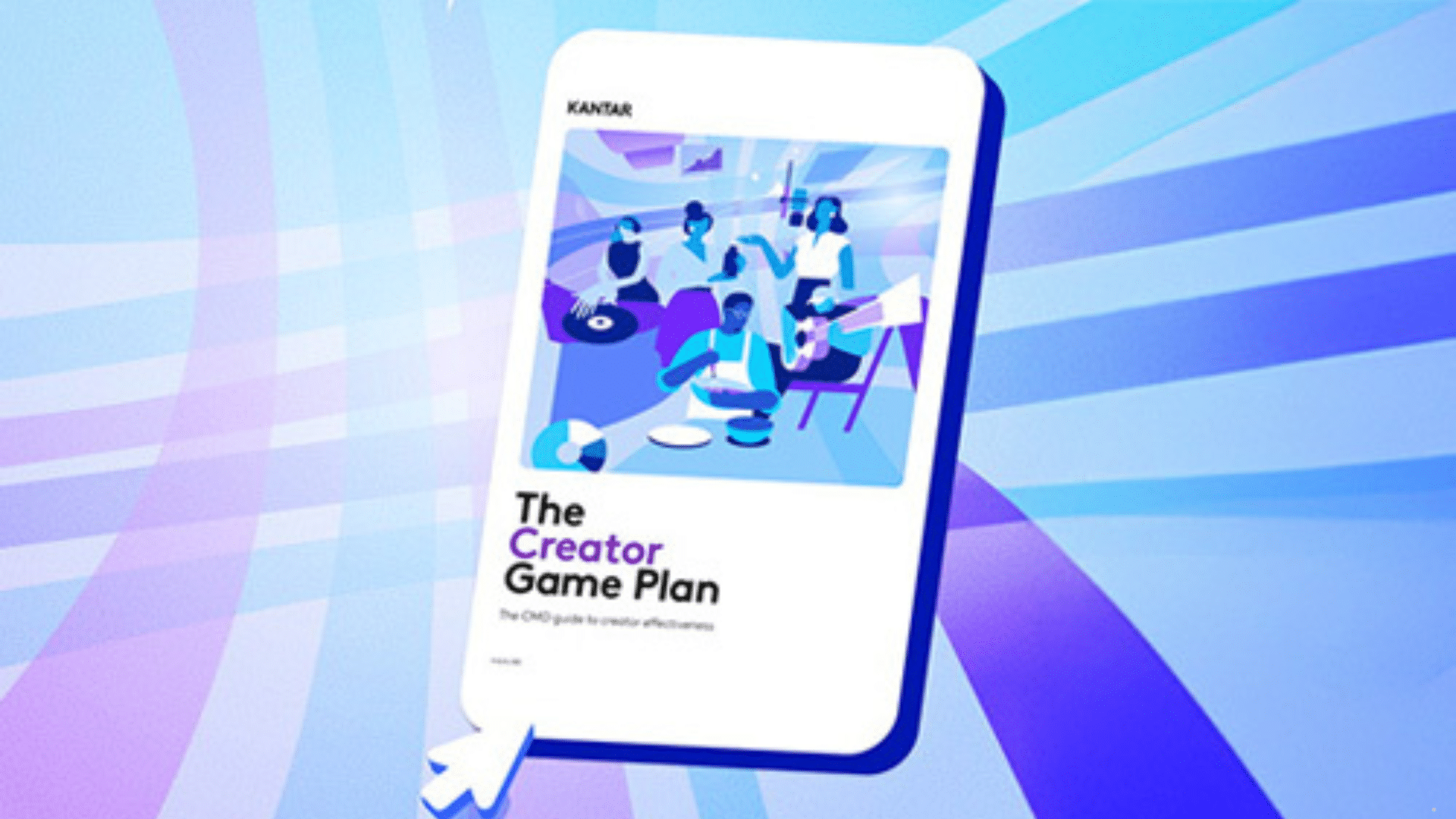
The report, “The Creator Game Plan: The CMO guide to creator effectiveness,” compared in-market platform engagement data against brand impact predictions from Kantar’s LINK AI creative effectiveness tool. The two measures aligned in roughly one in three cases. Among content that scored highly on platform engagement specifically, fewer than one in five pieces showed strong potential to build the brand, and for short-term sales that figure dropped to roughly one in eight.
“Platform engagement metrics tell you what the algorithm rewards, but are on their own poor predictors of whether that investment will deliver for your business,” the report states.
The finding matters given the pace of spend behind it. A net 61% of marketers plan to increase creator content spend in 2026, per Kantar’s Media Reactions data, and the share of Effie Europe award winners using creators as their primary communications touchpoint rose from 0% across 2021 through 2023 to 7% in 2024 and 13% in 2025.
Three Ways Brands Use Creators
Kantar identifies three creator strategies, each building on the last. Media channel treats the creator as messenger, prioritizing reach, with credibility as the main risk; L’Oréal’s always-on creator network is cited as an example. Creative partner treats the creator as co-author, prioritizing relevance, with branding as the risk; CeraVe’s Anwar Jibawi-fronted “Romeo et Juliette” TikTok, a Kantar Advertising Awards winner, is the example given. Cultural asset treats the creator as protagonist, prioritizing cultural resonance, with values mismatch as the risk; Dr. Max’s Effie Europe-winning “Don’t Die Bag” campaign with Slovak meme page ZOMRI is cited here.
Where Creator Content Beats and Lags Paid Ads
Measured against digital advertising benchmarks in Kantar’s Context Lab, creator content outperforms on Active Involvement (+12 percentile points), Relevance (+8) and Enjoyment (+6), and shows a +5 point edge on long-term brand equity. It underperforms on Branding, at -7 points, which Kantar attributes to the editorial style that makes the format work, also softening conventional brand cues.
The report’s touchpoint-tracking data shows creator content’s impact on brand KPIs has risen 77% since 2022, versus 39% for video streaming and 4% for the average of the top 20 touchpoints tracked, according to Kantar’s Connect database.
What Actually Drives Branding
With fewer branding devices available than in traditional ads, Kantar’s data points to two levers: how the creator interacts with the brand, and how they integrate branding devices into the content. The single highest-leverage move is having the creator say the brand name out loud – that lift alone runs at 22 percentile points, yet only 49% of the content analyzed included a verbal mention, with the brand often relegated to captions instead.
Other drivers show similar gaps between impact and incidence: interaction with the product carries a 77% incidence rate and a +15 percentile point lift to Brand Power, plus a +10 percentage point lift to Sales Power. Communicating product benefits, at 71% incidence, lifts Brand Power by 18 points and Sales Power by 12. Less common elements, including product demos (16% incidence, +17/+9) and versatility framing (17% incidence, +14/+8), show comparably strong lifts despite their lower incidence.
Three Recommendations for CMOs
Kantar closes with three directives: avoid over-indexing on engagement metrics alone; match the creator strategy (media channel, creative partner, or cultural asset) to the specific campaign goal rather than defaulting to one approach; and make brand presence and core message non-negotiable in the brief while leaving creative execution to the creator.
Image source: Kantar The full report is available here
Dragomir is a Serbian freelance blog writer and translator. He is passionate about covering insightful stories and exploring topics such as influencer marketing, the creator economy, technology, business, and cyber fraud.












Platform engagement – measured through likes and comments per view – only lines up with a piece of creator content’s brand-building potential about a third of the time, according to a new Kantar report analyzing more than 15,000 pieces of sponsored creator content on TikTok, Instagram, and YouTube.
The report, “The Creator Game Plan: The CMO guide to creator effectiveness,” compared in-market platform engagement data against brand impact predictions from Kantar’s LINK AI creative effectiveness tool. The two measures aligned in roughly one in three cases. Among content that scored highly on platform engagement specifically, fewer than one in five pieces showed strong potential to build the brand, and for short-term sales that figure dropped to roughly one in eight.
“Platform engagement metrics tell you what the algorithm rewards, but are on their own poor predictors of whether that investment will deliver for your business,” the report states.
The finding matters given the pace of spend behind it. A net 61% of marketers plan to increase creator content spend in 2026, per Kantar’s Media Reactions data, and the share of Effie Europe award winners using creators as their primary communications touchpoint rose from 0% across 2021 through 2023 to 7% in 2024 and 13% in 2025.
Three Ways Brands Use Creators
Kantar identifies three creator strategies, each building on the last. Media channel treats the creator as messenger, prioritizing reach, with credibility as the main risk; L’Oréal’s always-on creator network is cited as an example. Creative partner treats the creator as co-author, prioritizing relevance, with branding as the risk; CeraVe’s Anwar Jibawi-fronted “Romeo et Juliette” TikTok, a Kantar Advertising Awards winner, is the example given. Cultural asset treats the creator as protagonist, prioritizing cultural resonance, with values mismatch as the risk; Dr. Max’s Effie Europe-winning “Don’t Die Bag” campaign with Slovak meme page ZOMRI is cited here.
Where Creator Content Beats and Lags Paid Ads
Measured against digital advertising benchmarks in Kantar’s Context Lab, creator content outperforms on Active Involvement (+12 percentile points), Relevance (+8) and Enjoyment (+6), and shows a +5 point edge on long-term brand equity. It underperforms on Branding, at -7 points, which Kantar attributes to the editorial style that makes the format work, also softening conventional brand cues.
The report’s touchpoint-tracking data shows creator content’s impact on brand KPIs has risen 77% since 2022, versus 39% for video streaming and 4% for the average of the top 20 touchpoints tracked, according to Kantar’s Connect database.
What Actually Drives Branding
With fewer branding devices available than in traditional ads, Kantar’s data points to two levers: how the creator interacts with the brand, and how they integrate branding devices into the content. The single highest-leverage move is having the creator say the brand name out loud – that lift alone runs at 22 percentile points, yet only 49% of the content analyzed included a verbal mention, with the brand often relegated to captions instead.
Other drivers show similar gaps between impact and incidence: interaction with the product carries a 77% incidence rate and a +15 percentile point lift to Brand Power, plus a +10 percentage point lift to Sales Power. Communicating product benefits, at 71% incidence, lifts Brand Power by 18 points and Sales Power by 12. Less common elements, including product demos (16% incidence, +17/+9) and versatility framing (17% incidence, +14/+8), show comparably strong lifts despite their lower incidence.
Three Recommendations for CMOs
Kantar closes with three directives: avoid over-indexing on engagement metrics alone; match the creator strategy (media channel, creative partner, or cultural asset) to the specific campaign goal rather than defaulting to one approach; and make brand presence and core message non-negotiable in the brief while leaving creative execution to the creator.
Image source: Kantar
The full report is available here
Subscribe to Our Newsletter
Check Out Our Podcast