A week built for editors and store buyers now belongs to creators, the agencies that manage them, and brands from well outside fashion.
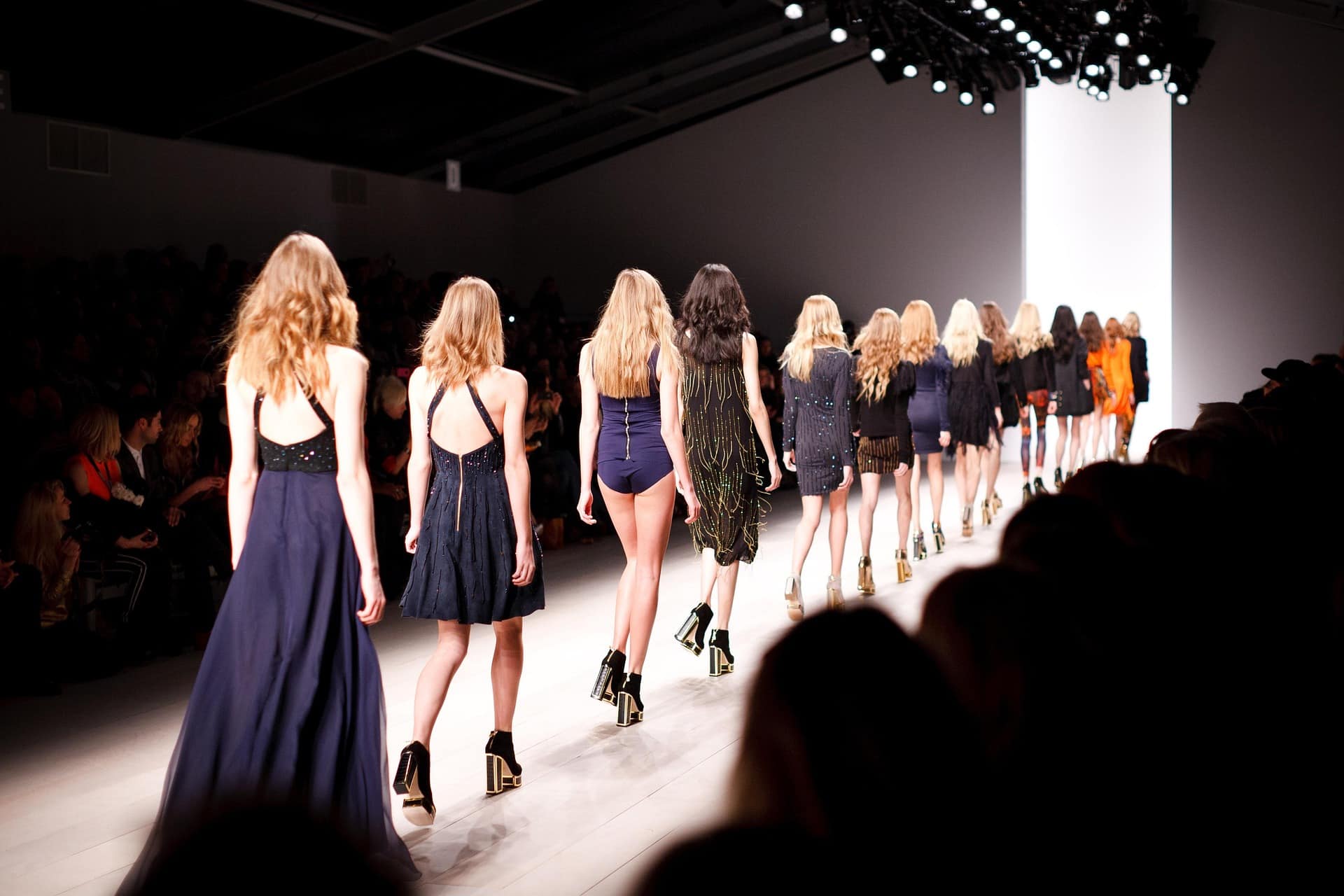
New York Fashion Week starts Thursday with 70 shows and presentations on the official calendar, and most of the creators heading to New York will not be at any of them. One talent agency is sending 52 of its creators, with managers flying in to walk them from dinner to sponsored suite to launch. Another is bringing its entire staff, for the third year, to spend an afternoon with its roster and the brands that want to meet them. A dermatologist and two men from reality television are on one agency’s list alongside the fashion and beauty names. Sarah King, who runs the U.S. team at Shine Talent Group, calls the week her creators’ Super Bowl, and her team has spent the past month building schedules around it. Eight years ago, almost none of this existed.
It did not start this way
Amanda Acevedo, Director of Talent at G&B Digital Management, has managed creators for almost eight years. When she started, a creator’s Fashion Week deal was an invitation, and getting one was the whole win. Now there is a fee to attend, a fee to walk in a show, and a fee for the posts afterward, “more in that $25,000 and up range.” She would not have believed it a couple of years ago.
“Before, it was the cool girls only,” says Sarah Boyd, Partner, The Digital Dept. “If you did not get those invites, if you were not sitting front row at those events, it was very cliquey. You were either in or you were out.”
The week itself had been shrinking. Designers had stopped showing in New York after the shows left Lincoln Center and Mercedes-Benz ended its sponsorship, and the lull is when creators arrived. Sandra Fernandez, Director of PR and Marketing at The Sociable Society, remembers it as the years when “Instagram became a thing” and the week “filled a bit of a gap” with new designers and returning ones.
The New Cool Kids
For most of its history, a New York collection was next season’s, and the people in the front row were department store buyers placing orders. That is over, Sarah Boyd says. Brands now walk the current collection and want it posted “on LTK and you can buy it now,” and she puts the return in one sentence: “One influencer sitting there posting about this skirt could move more than a full order at Nordstrom.” The show stopped selling to stores and started selling to shoppers, and once a post from the front row could sell the collection that night, the person who mattered most in that row was the one with the biggest audience of shoppers, and that was a creator.
The shows also lost their press corps. Emily Fonda, Co-Founder and COO of The Sociable Society, says brands no longer have “an army of journalists to go out and cover all of these events,” so they rely on creators to do it. The brands themselves changed too. The elite, luxury level is still there, with its top models and celebrities, but underneath it Emily sees “this off-Broadway level, where more accessible brands are coming in and putting on shows,” and those brands want creators at their events because a celebrity is unlikely to partner with a mainstream brand.
“If a brand is rude to a creator, the creator is going to tell their audience, and that is going to affect the brand’s sales,” Amanda says. “Whether a brand was hesitant about a creator or not, there is really no option anymore. They make or break it now. I think it almost was forced.”
Dinners, lists, and sponsored rooms
The shows still anchor the week, and some creators still go for the front row. Sarah Boyd says a few of her clients are “hardcore fashion girls” who want to be at the shows and nowhere else. Most of what the agencies build for their creators, though, happens around the shows, at the events brands put on for the people in town. “Honestly, not many are attending the shows,” she says of her clients. “They are doing all of the parties.”
The events are small. A dinner or a presentation runs to about 40 people with the founder or designer in the room, and the creators meet the brand rather than watch it. Fewer runway shows get staged than a decade ago, and Sarah Boyd puts that down to cost. The rooms that can hold a dinner are booked solid during the week, so some of those dinners now happen in other cities the rest of the year.
“Sometimes talent will decide to go based on the amount of invites they have gotten,” Sarah King says. “It is really nice when brands send those invites out three months in advance.” The guest lists come from the agencies. Talent managers spend the summer filling requests from brands for creators who will be in town and pitching the ones who are coming, and a creator with a full schedule by early summer books the trip.
A creator’s whole week can belong to one brand. The brand wants the getting-ready content, “whether it is their outfits or their makeup or the tools they are using at the hotel room, the drinks they are drinking on the go,” as Emily puts it. Year-long ambassadors get brought to a run of events, and the videos count against deliverables already in the contract.
Some creators are there on paid deals. The deal is an appearance, a shoot, and posts, at $25,000 and up, and it almost always goes to a creator the brand worked with earlier in the year. “Most of the partnerships that are paid for Fashion Week are a part two to a successful part one,” Amanda says. This year hers are with a pharmaceutical company and with fashion and beauty brands.
The agencies host rooms of their own. The Digital Dept.’s BRANDEdit runs two days at the end of the week, 150 creators by appointment from a waitlist of more than 500, with Comfrt as title sponsor alongside Clean & Clear, Zenni Optical, and Shokz. The Sociable Society hosts its roster and eight brand sponsors in a suite away from the shows. Who gets a slot depends on what a creator did with the last one. “Did they come last year and not share one thing, or did they come and do lots of content?” Sarah Boyd says. “We take that into consideration as opposed to who is the cool girl and who has the high following.”
Beyond fashion
A brand does not need a fashion story to be at Fashion Week. Sandra says brands activate in New York that would never do the same in Paris or Milan, and Sarah Boyd’s sponsor list includes skincare, eyewear, and headphones. The budget can be small. “Even brands that are not fashion related at all are activating at Fashion Week,” she says. “You can hand out merch on the street. We have really small sponsorships.”
Those brands are why the week keeps growing. Every mainstream brand that comes in brings more creators with it, Emily says, and she sees no end to that. The growth has started to spill out of New York, too: BRANDEdit has run in Nashville, and the dinners brands host during Fashion Week now turn up in other cities through the year. Sarah Boyd does not expect New York to narrow as that happens. “I do not see it going back to being exclusive. Paris and Milan still have that. New York, I see it widening to all types of creators.”
Additional reporting by Ceci Carloni and Tamara Blazquez
Nii A. Ahene is the founder and managing director of Net Influencer, a website dedicated to offering insights into the influencer marketing industry. Together with its newsletter, Influencer Weekly, Net Influencer provides news, commentary, and analysis of the events shaping the creator and influencer marketing space. Through interviews with startups, influencers, brands, and platforms, Nii and his team explore how influencer marketing is being effectively used to benefit businesses and personal brands alike.








A week built for editors and store buyers now belongs to creators, the agencies that manage them, and brands from well outside fashion.
New York Fashion Week starts Thursday with 70 shows and presentations on the official calendar, and most of the creators heading to New York will not be at any of them. One talent agency is sending 52 of its creators, with managers flying in to walk them from dinner to sponsored suite to launch. Another is bringing its entire staff, for the third year, to spend an afternoon with its roster and the brands that want to meet them. A dermatologist and two men from reality television are on one agency’s list alongside the fashion and beauty names. Sarah King, who runs the U.S. team at Shine Talent Group, calls the week her creators’ Super Bowl, and her team has spent the past month building schedules around it. Eight years ago, almost none of this existed.
It did not start this way
Amanda Acevedo, Director of Talent at G&B Digital Management, has managed creators for almost eight years. When she started, a creator’s Fashion Week deal was an invitation, and getting one was the whole win. Now there is a fee to attend, a fee to walk in a show, and a fee for the posts afterward, “more in that $25,000 and up range.” She would not have believed it a couple of years ago.
“Before, it was the cool girls only,” says Sarah Boyd, Partner, The Digital Dept. “If you did not get those invites, if you were not sitting front row at those events, it was very cliquey. You were either in or you were out.”
The week itself had been shrinking. Designers had stopped showing in New York after the shows left Lincoln Center and Mercedes-Benz ended its sponsorship, and the lull is when creators arrived. Sandra Fernandez, Director of PR and Marketing at The Sociable Society, remembers it as the years when “Instagram became a thing” and the week “filled a bit of a gap” with new designers and returning ones.
The New Cool Kids
For most of its history, a New York collection was next season’s, and the people in the front row were department store buyers placing orders. That is over, Sarah Boyd says. Brands now walk the current collection and want it posted “on LTK and you can buy it now,” and she puts the return in one sentence: “One influencer sitting there posting about this skirt could move more than a full order at Nordstrom.” The show stopped selling to stores and started selling to shoppers, and once a post from the front row could sell the collection that night, the person who mattered most in that row was the one with the biggest audience of shoppers, and that was a creator.
The shows also lost their press corps. Emily Fonda, Co-Founder and COO of The Sociable Society, says brands no longer have “an army of journalists to go out and cover all of these events,” so they rely on creators to do it. The brands themselves changed too. The elite, luxury level is still there, with its top models and celebrities, but underneath it Emily sees “this off-Broadway level, where more accessible brands are coming in and putting on shows,” and those brands want creators at their events because a celebrity is unlikely to partner with a mainstream brand.
“If a brand is rude to a creator, the creator is going to tell their audience, and that is going to affect the brand’s sales,” Amanda says. “Whether a brand was hesitant about a creator or not, there is really no option anymore. They make or break it now. I think it almost was forced.”
Dinners, lists, and sponsored rooms
The shows still anchor the week, and some creators still go for the front row. Sarah Boyd says a few of her clients are “hardcore fashion girls” who want to be at the shows and nowhere else. Most of what the agencies build for their creators, though, happens around the shows, at the events brands put on for the people in town. “Honestly, not many are attending the shows,” she says of her clients. “They are doing all of the parties.”
The events are small. A dinner or a presentation runs to about 40 people with the founder or designer in the room, and the creators meet the brand rather than watch it. Fewer runway shows get staged than a decade ago, and Sarah Boyd puts that down to cost. The rooms that can hold a dinner are booked solid during the week, so some of those dinners now happen in other cities the rest of the year.
“Sometimes talent will decide to go based on the amount of invites they have gotten,” Sarah King says. “It is really nice when brands send those invites out three months in advance.” The guest lists come from the agencies. Talent managers spend the summer filling requests from brands for creators who will be in town and pitching the ones who are coming, and a creator with a full schedule by early summer books the trip.
A creator’s whole week can belong to one brand. The brand wants the getting-ready content, “whether it is their outfits or their makeup or the tools they are using at the hotel room, the drinks they are drinking on the go,” as Emily puts it. Year-long ambassadors get brought to a run of events, and the videos count against deliverables already in the contract.
Some creators are there on paid deals. The deal is an appearance, a shoot, and posts, at $25,000 and up, and it almost always goes to a creator the brand worked with earlier in the year. “Most of the partnerships that are paid for Fashion Week are a part two to a successful part one,” Amanda says. This year hers are with a pharmaceutical company and with fashion and beauty brands.
The agencies host rooms of their own. The Digital Dept.’s BRANDEdit runs two days at the end of the week, 150 creators by appointment from a waitlist of more than 500, with Comfrt as title sponsor alongside Clean & Clear, Zenni Optical, and Shokz. The Sociable Society hosts its roster and eight brand sponsors in a suite away from the shows. Who gets a slot depends on what a creator did with the last one. “Did they come last year and not share one thing, or did they come and do lots of content?” Sarah Boyd says. “We take that into consideration as opposed to who is the cool girl and who has the high following.”
Beyond fashion
A brand does not need a fashion story to be at Fashion Week. Sandra says brands activate in New York that would never do the same in Paris or Milan, and Sarah Boyd’s sponsor list includes skincare, eyewear, and headphones. The budget can be small. “Even brands that are not fashion related at all are activating at Fashion Week,” she says. “You can hand out merch on the street. We have really small sponsorships.”
Those brands are why the week keeps growing. Every mainstream brand that comes in brings more creators with it, Emily says, and she sees no end to that. The growth has started to spill out of New York, too: BRANDEdit has run in Nashville, and the dinners brands host during Fashion Week now turn up in other cities through the year. Sarah Boyd does not expect New York to narrow as that happens. “I do not see it going back to being exclusive. Paris and Milan still have that. New York, I see it widening to all types of creators.”
Additional reporting by Ceci Carloni and Tamara Blazquez
Subscribe to Our Newsletter
Check Out Our Podcast