




Influencer
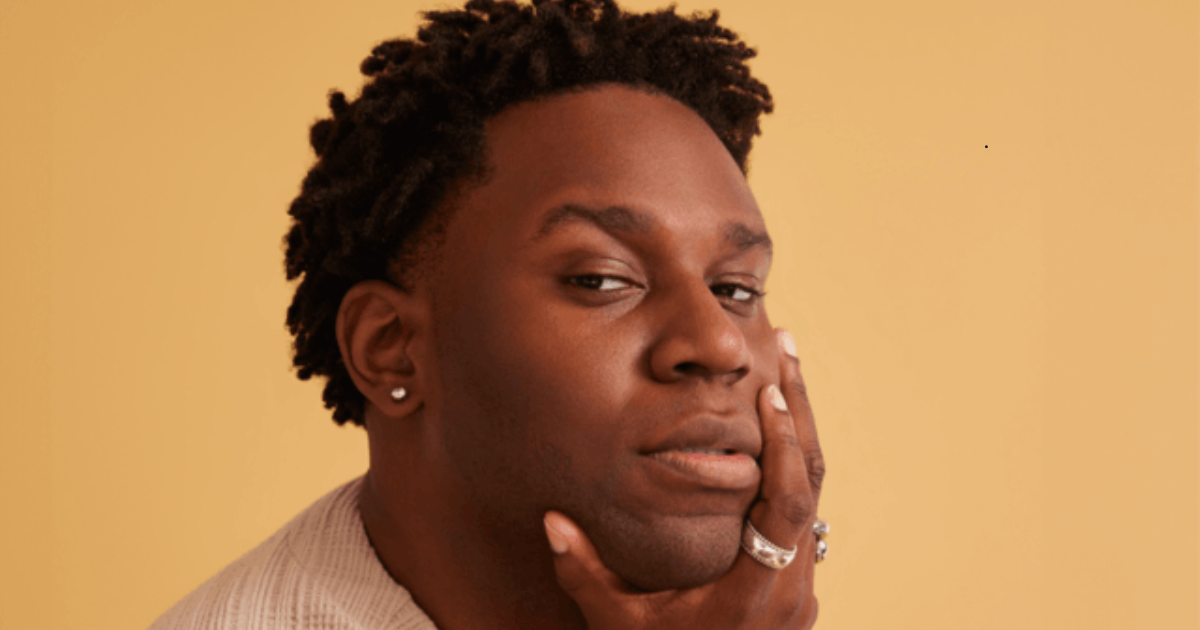
Meet O’Neil Thomas, A Creator Who Merged Comedy, Couture, And Cultural Commentary Into A Single Business

“I always want to be able to just bring joy, happiness, and laughter to anyone who comes to my page.”
That guiding instinct sits at the center of O’Neil Thomas’s creator business, one built on three interlocking pillars: comedy as the entry point, fashion as visual storytelling, and cultural commentary as connective tissue. Together, they have enabled O’Neil to scale without flattening his voice, using humor not only for entertainment, but also to lower defenses, start conversations, and build trust with a growing audience.
O’Neil began breaking through in late 2023 and throughout 2024, when his situational comedy series, often set around a dinner table filled with exaggerated family archetypes, began drawing repeat viewers and experiencing rapid audience growth.
At the same time, his pop culture sketches, including a viral video centered on Bad Bunny, expanded his reach beyond platform-native audiences and into mainstream coverage by CNN, The Wall Street Journal, AP News, and People Magazine.
Comedy as the Invitation, Commentary as the Substance
O’Neil describes comedy as the front door. “Comedy is very inviting,” he says. “It’s a great way to introduce people to a funny aspect and bring their defense down a little bit.”
Once people are listening, he begins to explore deeper territory. His sketches regularly touch on cultural identity, mental health, and social dynamics, but always through humor rather than confrontation. “I find a really healthy medium in regards to building that connection,” he explains. “I want to invite them to the table and not feel like they’re shunned away.”
This approach reflects O’Neil’s personality both off-camera and on-camera. He credits his love of conversation to family dynamics, joking that his mother compares him to a household version of Dr. Phil. He likes asking why people think and act the way they do, then translating those observations into content that feels familiar rather than preachy.
The result is work that resonates across demographics without losing specificity.
The Series That Changed Everything
The creative risk that paid off most for O’Neil began almost accidentally. A Thanksgiving video posted one year ago went viral, then faded into the archive. A year later, with no new idea ready and permission from another creator echoing in his mind, he reposted it.
It went viral again. This time, the audience wanted more.
“I thought it was a standalone video,” O’Neil says. “Then people were asking for a part two. I did a part two, and that went super viral. They wanted a part three.”
Within five days, he was producing new episodes continuously. The momentum did not slow. “I earned a million more followers in the span of about three months because of that video,” he says. “And then each year, I’ve just gained a million more.”
The series, now one of his signature formats, gave O’Neil something many creators never achieve: a piece of IP he writes, produces, edits, and stars in himself.
Building With the Audience
Scale has not changed how O’Neil interacts with his community. If anything, it has deepened his commitment to reciprocity. He responds to comments, opens question boxes on Instagram Stories, and regularly invites fans to help shape future episodes.
“I remind myself consistently that it is social media,” he says. “It’s a two-way street.”
Audience comments often become part twos and part threes, or inspire standalone videos. O’Neil studies his For You page, tracks what language and references are circulating, and weaves those signals into his work so viewers recognize themselves in it.
That attention shows up in the metrics he closely monitors. According to O’Neil, high comment volume in the first 10 to 30 minutes signals a hit. Shares matter more than likes. Sometimes, when engagement surges so fast the platform lags, he knows something big is happening.
Fashion as Character, Not Costume
Fashion is not a side project for O’Neil. It is central to his storytelling. “Fashion is expression,” he says. “Who are you feeling? What’s your vibe? What’s your mood?”
As a tall creator with a background in performance, he gravitates toward bold silhouettes and fabrics that communicate persona. One day, that might mean neutral warmth for a coffee run. Another night, it could be all black leather, leaning into a supervillain fantasy.
His audience does not separate the comedy from the clothes. “They follow me for me,” O’Neil says. “They love a good laugh. They love it when I come out with a really good look.”
That trust reached a new level in 2025, when O’Neil collaborated with iconic stylist Mickey Freeman on two custom couture looks for Beyoncé’s “Cowboy Carter Tour” at MetLife Stadium.
It was his first time wearing custom couture. The process began as an idea a year earlier, moved through sketches that mirrored what he had imagined, and culminated in garments designed in Paris and fitted in the United States.
“I was blown away,” he says. “He knew exactly what I was thinking.”
Creators and the Gatekept Worlds of Fashion
That experience reinforced O’Neil’s belief that creators belong in traditional spaces, but on their own terms. “Trust your gut,” he says. “Never let commentary hinder your art.”
He sees the fashion industry warming to creators, especially as creators increasingly provide the depth and behind-the-scenes storytelling audiences crave. Still, he believes more can be done to lower barriers. Front-row seats and backstage access are not just perks but strategic investments in creators who translate craftsmanship into culture.
“They’re the ones showing off your work, your heart, everything you’ve put into it,” O’Neil says.
What Brands Still Get Wrong
From O’Neil’s perspective, the biggest misconception brands hold about creators is an overreliance on numbers without understanding audience trust. Metrics matter, he says, but they are not the whole story.
“Audience is the power,” he explains. “Audience is the wealth.”
O’Neil believes that brands that succeed are the ones willing to trust creators and their communities, even when the execution feels niche or unconventional. Others remain hesitant, defaulting to traditional campaigns that feel safe but disconnected.
Listening, he argues, is the missing step. Comment sections offer real-time feedback on what lands and what confuses. Creators who already speak the language of those spaces can help brands close that gap.
Platform Strategy and the Work Behind the Scenes
O’Neil’s platform mix reflects how he uses each space differently. Instagram comes first for him because of Stories and the immediacy of conversation. TikTok is his preferred platform for posting, where his audience responds quickly. YouTube provides long-form comfort for both him and his viewers.
Behind the scenes, the workload is intense. For his series, O’Neil scripts episodes in Google Docs, revises them for timing, lights his studio, performs all the characters, and edits on his phone. A single episode can take three to four hours from start to finish.
“It can be very daunting,” he says. “But knowing the end product is what I envisioned makes it worth it.”
Not every idea lands. O’Neil laughs when he recalls a SpongeBob impression video he was convinced would go viral. It flopped. He reposted it days later. It flopped again. He tried once more after gaining more than a million followers. Still nothing.
“Maybe this just wasn’t a good video,” he says. The lesson was simple, but lasting: let go of ideas that are not serving the work and move on.
Acting, Ownership, and the Next Phase
In 2026, O’Neil is focused on training. Acting classes, auditions, and preparation for film and television roles fill much of his time. In addition, he is considering ownership. He wants to funnel his audience toward projects he fully controls, from indie productions to potential live comedy shows.
A test post asking if fans would attend a live show drew more than 10,000 likes and 3,000 comments. The signal was clear.
Long-term, O’Neil sees himself on screens big and small, with press tours that merge performance and fashion. But the underlying goal remains unchanged. “I hope it’s good,” he says of how people describe his work. “If you need a good laugh, if you need to feel safe, go check out his work.”
In three years, he imagines that same energy scaled, not diluted. “I can see myself on everyone’s screens,” he says. “Big and small.”
Checkout Our Latest Podcast