



Brand
Inside James B. Beam’s Open-Ended Creator Campus for Artists and Creators

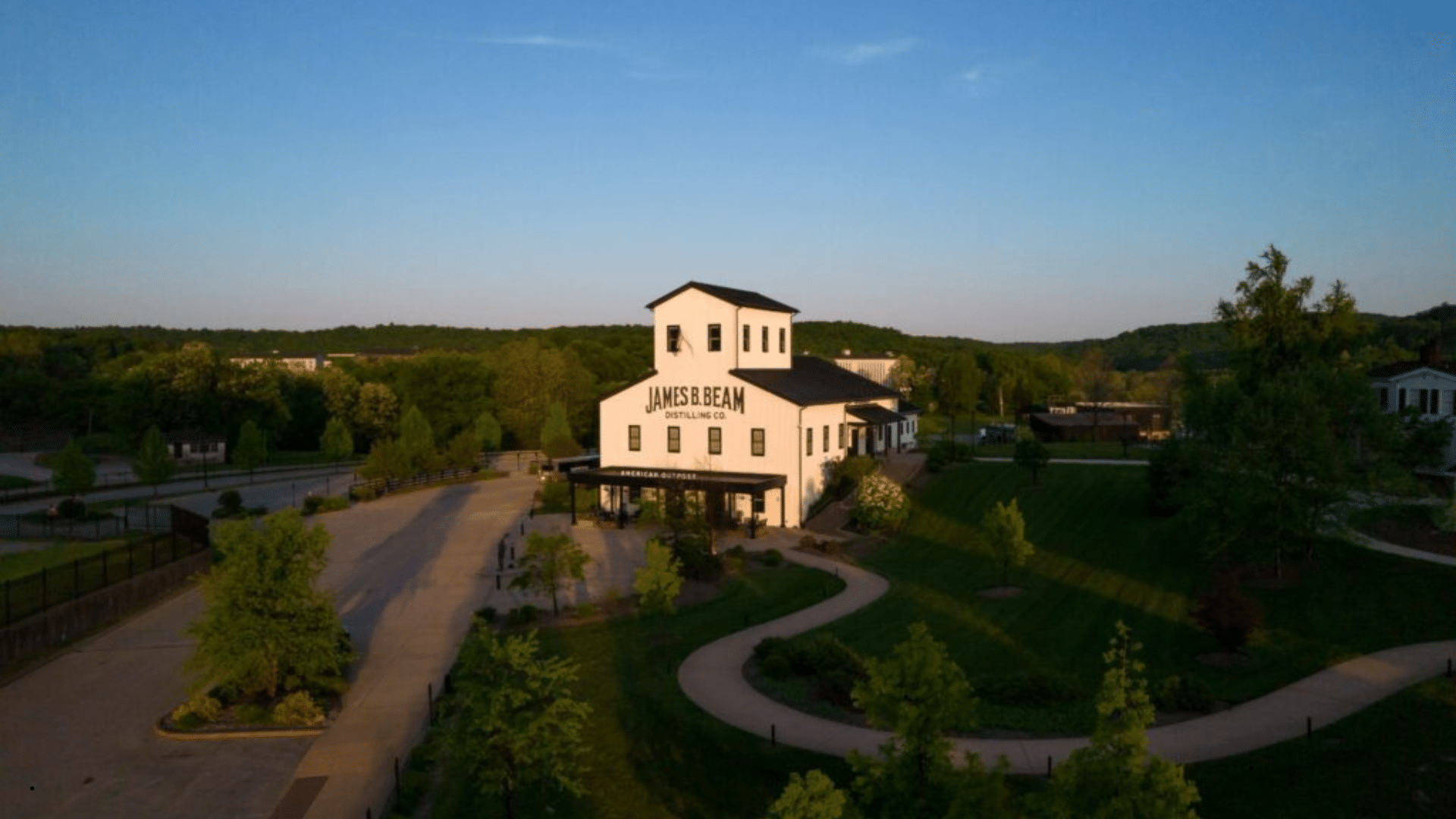
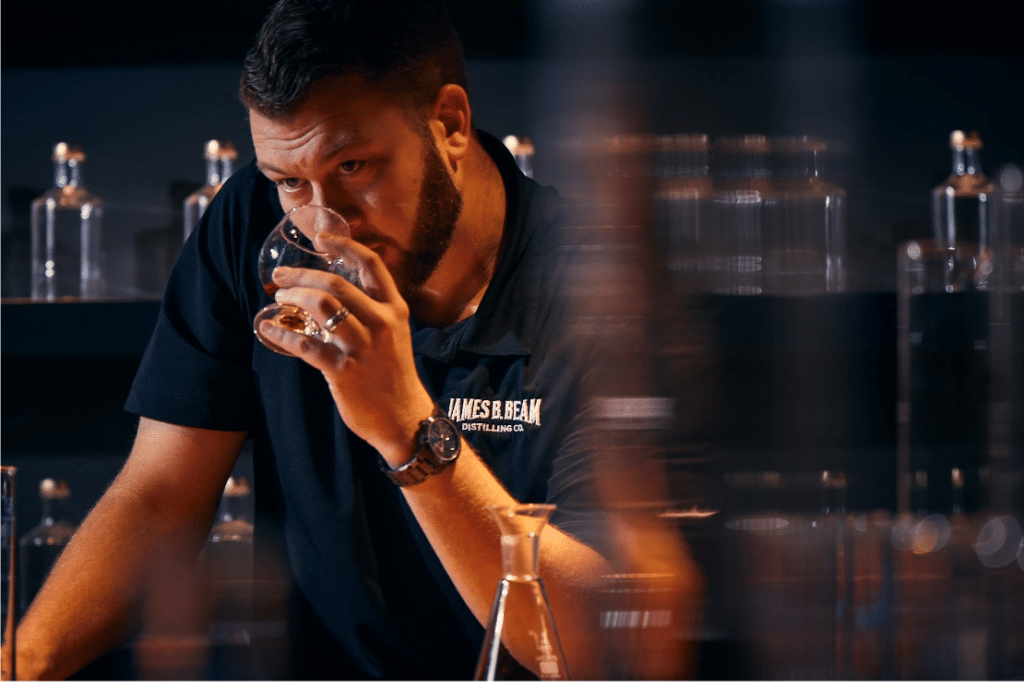
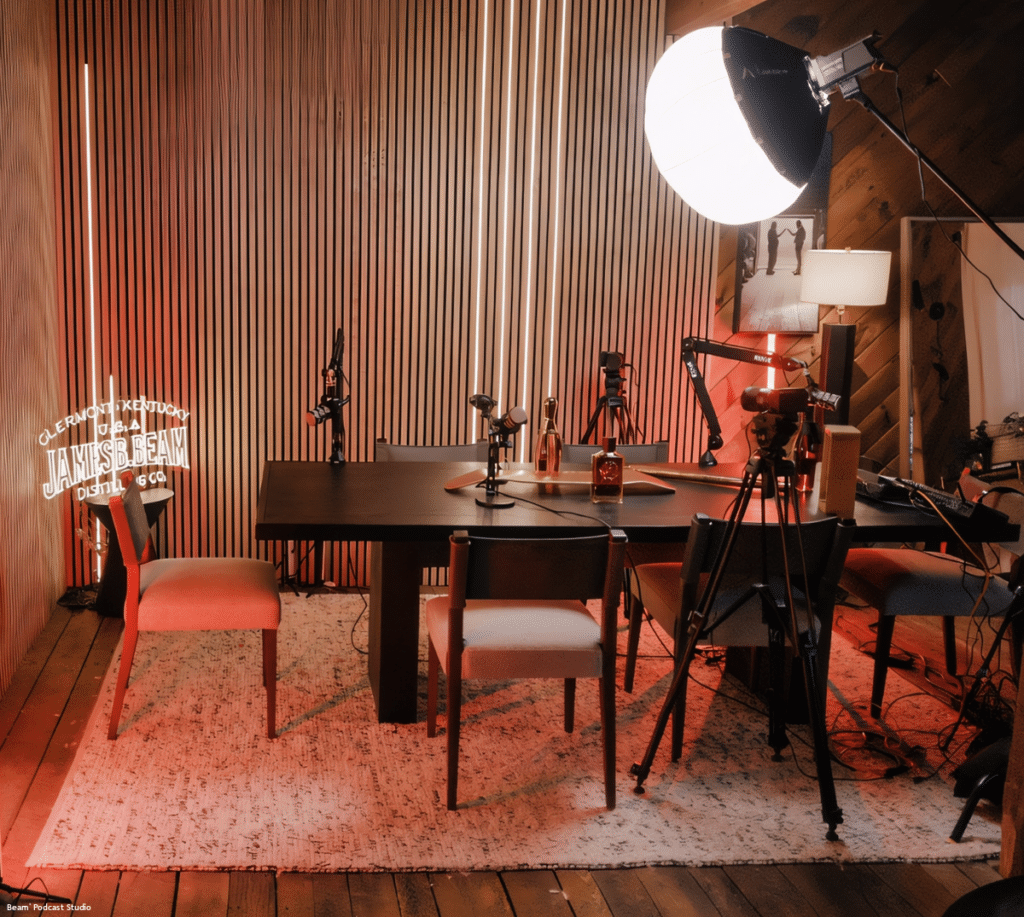
James B. Beam Distilling Co. is inviting podcasters, musicians, filmmakers, and digital creators to its Clermont, Kentucky campus with no fee, no brief, and no restrictions on where the content lands afterward. “Creator Campus,” which launched in August, gives selected participants access to the distillery’s production spaces, podcast studio, and grounds. Eighth-generation master distiller Freddie Noe, who conceived the program, says two centuries of campus history make a scripted creative direction unnecessary.
“There’s so much history that there’s enough there to be able to tie the whiskey in a story or something relevant to make it more important than just a glass of whiskey,” he says.
Freddie leads innovation and research at James B. Beam and has spent more than a decade in every operational role on the Clermont campus: special projects coordinator, bottling supervisor, distillery supervisor, and fermentation manager before ascending to his current position. Growing up on the grounds where his family has distilled since the post-Prohibition era, he developed a habit of reading the landscape as a source of stories.
That orientation gave rise to “Creator Campus.” Applications are open to podcasters, musicians, filmmakers, and digital creators aged 21 and older, with selections based on creative vision and the originality of the submitted idea. On arrival, participants are oriented to the campus’s history and processes and then given room to develop whatever feels true to their own audience.
A Campus Built for Discovery
The physical scale of the Clermont campus is central to what Freddie believes “Creator Campus” can produce. The grounds hold aging warehouses positioned across varied terrain, some near a creek, others lining a hillside, a few tucked under trees along a ridge. In one rack house, 50,000 barrels age in a space where “you can hear a pin drop.” The contrast between industrial infrastructure and natural Kentucky landscape, Freddie argues, is the kind of material a creative mind without a predetermined outcome will find most useful.
“If you got a musician in here who likes to take samples and really play around with unique sounds, you could come up with some very unique stuff that you probably wouldn’t think would come from a distillery,” he says. “Creator Campus” intentionally reaches beyond social media creators. JBBDCo. is seeking anyone who can, in Freddie’s words, “connect with a good story.”
The campus’s permanent fixtures, from the distillery to the Kitchen Table restaurant to the barrel houses spread across the property, serve as what Freddie calls “jumping-off points.” The goal is not to route creators toward pre-approved angles but to put them in the environment and let the material suggest what to make. Each tour guide, including Freddie himself, gives a different walkthrough every time because, as he puts it, there is too much content on campus to repeat.
The No-Brief Approach Extends to Content Rights, Not Just Creative Direction
“Creator Campus” does not ask creators to make content for JBBDCo.’s channels, assign topic areas, or restrict how participants use what they produce after leaving. “If we started to put kind of handcuffs on what angles we’re looking to get things out of,” Freddie says, “I think the biggest thing you’ll see is there’s a lot of people there that take a lot of pride in the work they do.”
The terms of “Creator Campus” do not dictate exactly what creators make or where the resulting work has to live. “Our goal is to provide the access, resources and backdrop and let creators interpret that through their own lens,” Freddie says, “rather than treating everything created here as Jim Beam content.”
He notes the campus is aimed toward the experience as a destination, including culinary events, tastings, and educational tours, not toward generating content designed to move bottles.
Creators Define What Success Looks Like
JBBDCo. charges no access fee and does not specify how creators should convert a campus visit into revenue. “I don’t think we want to prescribe what success has to look like for every creator,” Freddie says. “Everybody’s creative process, audience, and business is different.”
He highlights the range of possible outcomes. “If somebody leaves here with a great podcast episode, a new piece for their portfolio, an idea they didn’t have before, or something that creates another opportunity for them down the road, that’s a win,” Freddie says. “I know firsthand how much time and work goes into making something you’re proud of. We want to give people a place that helps spark that.”
This positions “Creator Campus” outside the typical brand partnership structure, where access is conditional on content delivered to spec, on agreed platforms, within an agreed window.
The Application Starts With the Idea, Not the Follower Count
Applications ask creators to describe what they hope to experience on campus and what they are inspired to make, giving the team a sense of their creative direction before arrival. Both emerging and established creators are eligible.
“We want people to come in, have the opportunity to learn about the process, absorb that, and then have the opportunity to connect with our team and then let us help you deliver the content that you’re looking for,” Freddie says.
Content distribution is negotiated case by case. If a creator’s project involves Freddie or another campus team member, they may share the finished work. If the project is an independent creative piece made on the grounds, JBBDCo. might amplify it through reposts. “It’s about us helping you to draw attention,” Freddie says, “and showcasing this beautiful canvas that we have.”
The Ambition Is a Campus in Constant Creative Motion
Freddie will not speculate on what a second round of “Creator Campus” looks like until the first iteration runs. He describes the program’s development as “crawl, walk, run” and names logistics, participant resonance, and creator appetite for return visits as the variables that will determine what comes next. A creator who connects with the campus and its brands might naturally become a collaborator over time, but Freddie frames this as a secondary outcome.
His long-term vision is unambiguous. “Every day I step out of the office, I’d love to see someone on campus working on some type of content,” he says. That would mean Clermont transitioning from a structured program into a standing creative destination, with creators rotating through on an ongoing basis. Whether “Creator Campus” reaches that scale depends on whether the first cohort produces work that makes the invitation legible to the next wave of applicants.
The program reflects a broader calculation. The company’s 225 years of history, the campus’s physical scale, and its built-in narrative depth are a more durable creative resource than any brief JBBDCo. could write.
Freddie’s pitch to any creator considering applying is stripped down to a single word. “I hope that this has given folks a chance to be curious,” he says, “as to what these views are that he’s talking about, and can I be a part of this kind of open-ended, curious endeavor.”
Interested creators can submit their applications here.
Subscribe to Our Newsletter
Check Out Our Podcast