Brand
SharkNinja’s CEO Says Customers Made 98% of the CREAMi’s Billion Social Impressions

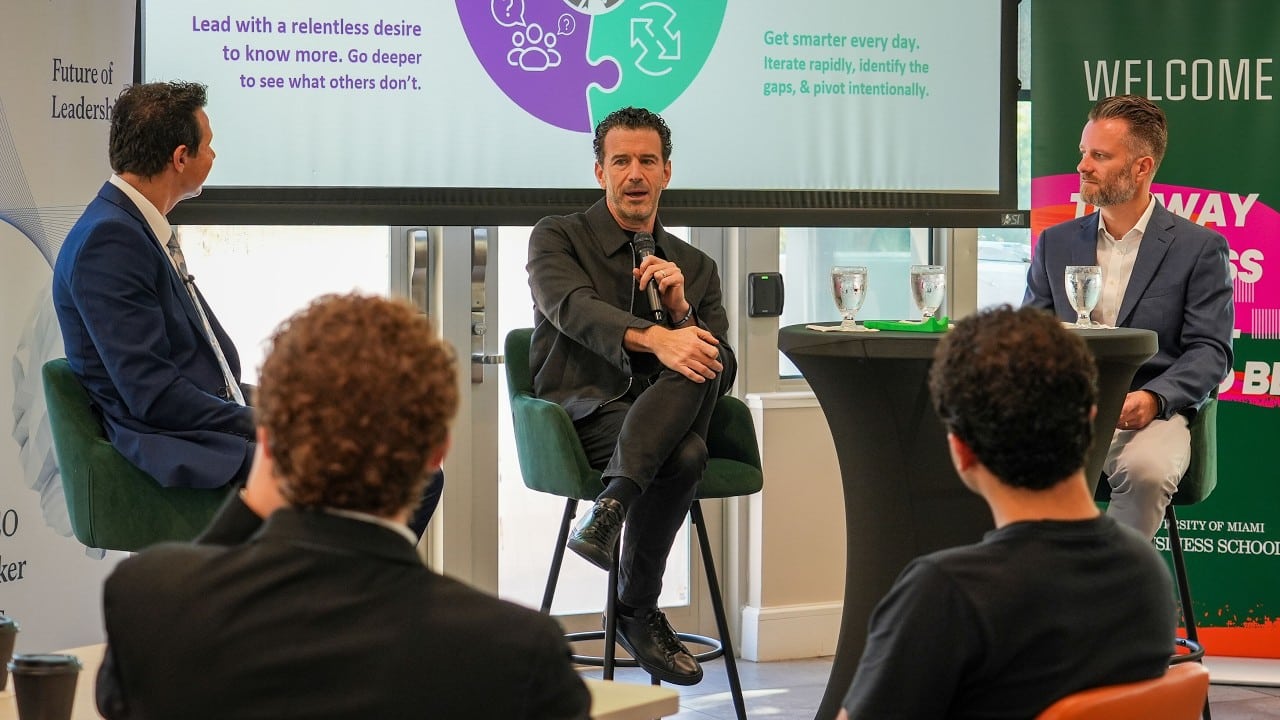
SharkNinja CEO and co-founder Mark Barrocas said customers produced nearly all of the social media attention around the Ninja CREAMi, speaking at a CEO speaker series co-hosted by the University of Miami Herbert Business School and McKinsey & Company.
“Last year, there were a billion impressions on social media on the Ninja CREAMi globally. A billion,” Barrocas said in response to a student’s question. “Of that, SharkNinja was responsible for 2% of all the impressions on social media. 98% of them were just consumers telling other consumers, ‘I bought the product and this is what I did with it.'”
According to Barrocas, the $199 ice cream maker “sold okay” in its first year, when SharkNinja’s marketing centered on “the ingredients you’re putting in, the allergens, you know, dairy restrictions.” Then gym-goers began pouring post-workout protein shakes into the CREAMi’s pint container, freezing them and posting the results, with users describing a 230-calorie pint carrying 30 grams of protein. “All of a sudden, having nothing to do with SharkNinja, and this happens with a lot of our products where people start hacking our products,” Barrocas said.
Barrocas traced that pattern to a strategy the founders set around 2008, when they told an adviser they would grow the business “one five-star review at a time.” The adviser called it “the dumbest idea in the world” for a low-engagement category like appliances, according to Barrocas. “What is that today? That’s the Instagram post. That’s the TikTok video,” Barrocas said. “It might be you just turning on your camera and for 30 seconds you show people, you know, this is the incredible thing I made with the Ninja CREAMi.”
From Infomercials to a Top TikTok Shop Seller
SharkNinja’s early growth ran through late-night television, with co-founder Mark Rosenzweig demonstrating products in infomercials because the company “didn’t have any money at the time” for other advertising, Barrocas said. Barrocas called the founders “the infomercial people” and said the push to change came from home. “My kids said to me, like, ‘Dad, like, you got to get off this infomercial thing. Like, you got to be doing social media.’ And I’m like, ‘Social media? Like, you can’t sell product on social media.’ And this was like, you know, 2020,” Barrocas said.
Six years later, SharkNinja ranks among the largest sellers on TikTok Shop in the U.S. Its Shark Home storefront ranked No. 2 by revenue in May with $17.67 million and No. 3 in June with $14.48 million, according to Kalodata data in NI’s July ranking of the top TikTok Shops, which also placed the Ninja Kitchen US shop at No. 6 in June with $10.55 million. Shark Home climbed back to No. 2 in August with $12.91 million, $12.30 million of it from affiliate sales, at an average price of $201.12, the highest in the top 10. It held No. 7 in September with $8.33 million.
The company has since moved to organize the content behind those sales. On October 21, SharkNinja launched “First Fans” for its employees and “SharkNinja Storytellers” for consumers, offering rewards and, for eligible members, affiliate commissions. SharkNinja said brand and creator content about its products generated more than 19 billion impressions across more than 200,000 posts this year, mostly from its community. On the company’s second-quarter earnings call in August, Barrocas said new AI tools let SharkNinja capture more than 60% of organic social content about its products, up from a baseline built mostly on posts carrying its own hashtags, which fewer than 20% of users include.
Executives said in August that SharkNinja’s TikTok Shop rollout had reached seven countries, with plans to more than double that number by the holiday season.
Subscribe to Our Newsletter
Check Out Our Podcast