




Tech
How Two Teenage Founders Built a YouTube Studio That Works with MrBeast, Red Bull, and NBA

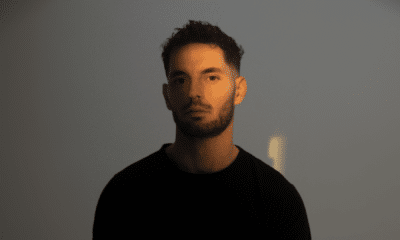
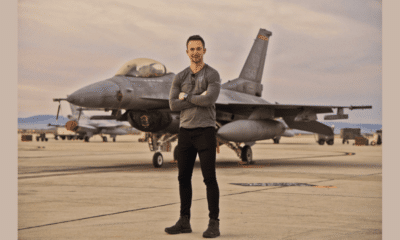
Many brand marketers treat YouTube like a billboard. Max Behrens (18) and Dimcha Aiwi (20), the co-founders of Munich-based Overluce, have spent years correcting that mistake for some of the platform’s most recognizable names.
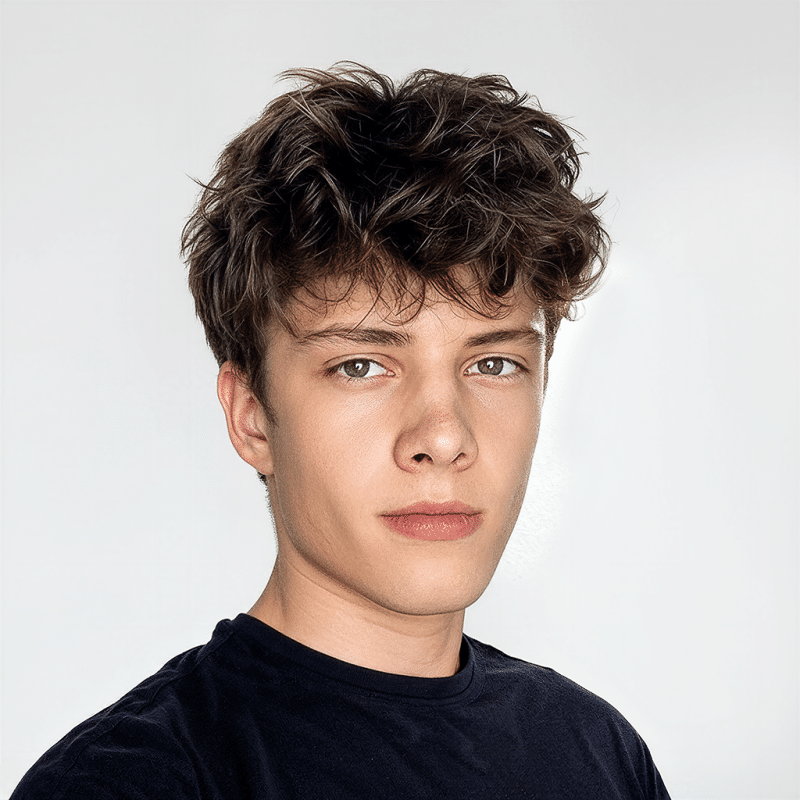

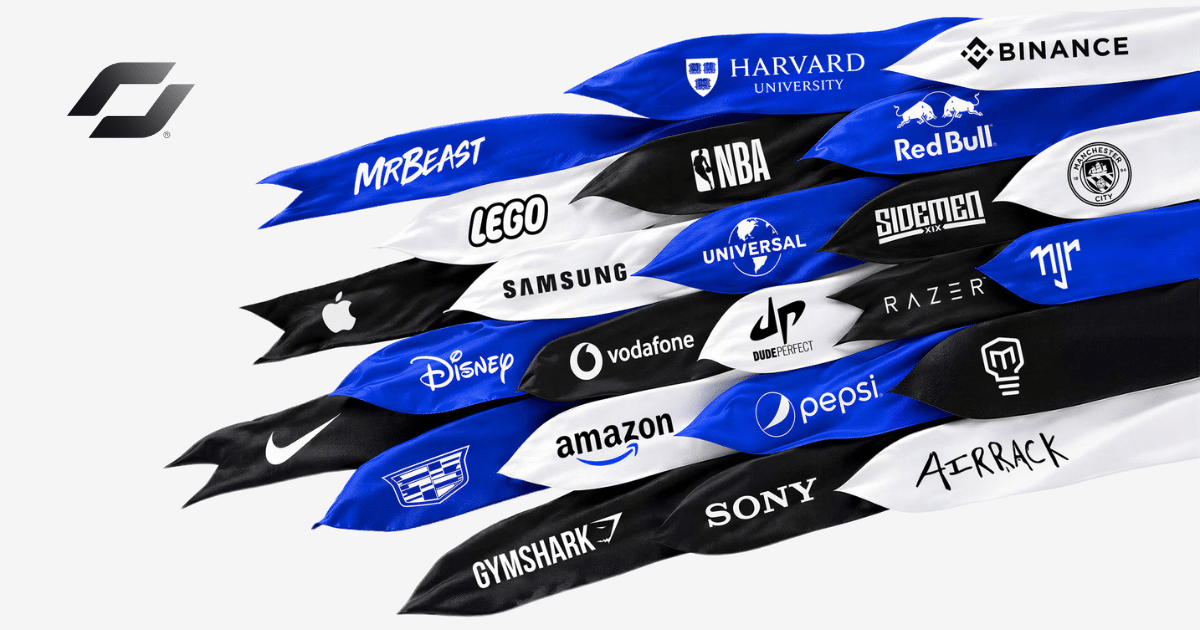
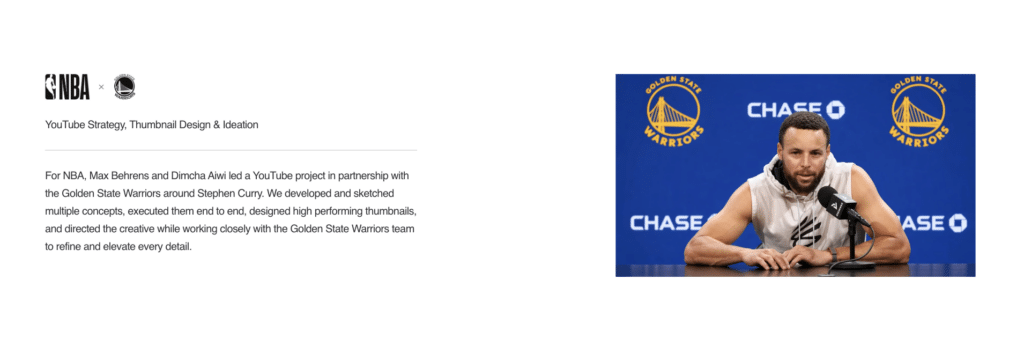
Overluce, formally established in January 2026, provides end-to-end YouTube services to global brands and creators, from packaging and creative direction through production and retention analysis. Their client list includes the NBA, Red Bull, MrBeast, Nike, and Disney. The studio’s work has contributed to over 18 billion views and has been featured in the Webby Awards.
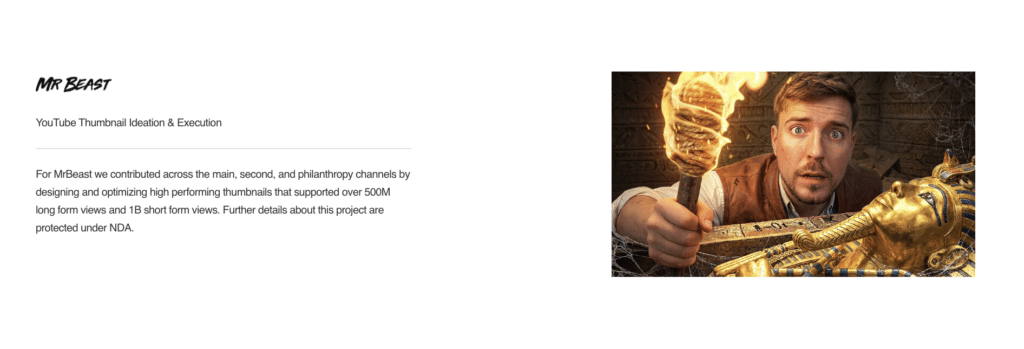
“We realized that we’re by far the best at the specific things we do out there,” Dimcha says. “And from there, since we were the best and so good at what we do, obviously, all of the brands wanting to do YouTube would come to us.”
The studio was founded after both co-founders spent several years building independent reputations as YouTube specialists, often sharing clients before deciding to formalize their collaboration. Before Overluce, Max had been ranked number one out of more than 21,000 freelancers and agencies listed on YTJobs. Dimcha Aiwi had also been working full-time at MrBeast for multiple months before founding Overluce.
From Thumbnails to a Full-Service Studio
Both Max and Dimcha began working in YouTube-related roles at around 14, starting with packaging: the thumbnails, titles, and concept framing that determine whether a viewer clicks a video at all.
The expansion from thumbnails to full-service work followed what they describe as a straightforward path. “We did that for many years until we were absolutely the best at it. And from there, it was very easy to expand on multiple areas of YouTube and be reliable for those as well.”
The studio’s scope now spans packaging, strategy, video ideation, creative direction, in-person production, and retention analysis. For ongoing clients including Red Bull and the NBA, the work covers YouTube strategy, photoshoot direction, and packaging.
Packaging Before Production: The Order Most Creators Get Backward
One of Overluce’s more counterintuitive operating principles concerns sequencing. Most creators treat the thumbnail and title as the last tasks before upload. Overluce treats them as prerequisites for production.
“You have to at least create a few concepts of the thumbnail before starting to invest in other areas of the video,” Max says. “It’s a pity to give so much money out on every aspect and then at the end notice that it doesn’t work due to packaging.”
The logic is risk management. Ideas that read well in a brief can collapse when visualized. By testing the thumbnail concept before committing budget to filming, the studio identifies whether the idea is clickable early enough to adjust. “The idea seemed good when talking about it,” Dimcha notes. “But then, when actually packaging the video, it didn’t seem interesting at all.”
On the thumbnail-title relationship, Max is precise. “Neither can stand alone,” he says. “The thumbnail creates the story, and the title continues it, creating even more of a curiosity gap. They shouldn’t repeat each other. They should build upon each other.”
The approach scales differently by channel size. For MrBeast, whose face is immediately recognizable to hundreds of millions of viewers, thumbnail design follows different rules than for a smaller creator. “Even if you make a thumbnail with MrBeast’s face, no matter what else is layered on top of it, it will very likely still perform well,” Dimcha says. “Whereas if you put a random face of a smaller YouTuber on a weak thumbnail, that recognition advantage simply isn’t there.”
The Single Variable That Viral Videos Share
When the question narrows to a single variable that overperforms in all videos – regardless of channel size, niche, and budget – Dimcha and Max pause.
“If I had to choose one thing, it would be the audience actually being satisfied at the end,” Dimcha says. “From the beginning to the end of the video, being fully satisfied. It might sound very obvious, but it gets way deeper. Seeing the thumbnail, building the curiosity gap, then watching the video and filling it out. That’s what every single video that blows up has in common.”
The frame is operationally demanding. A thumbnail and title open a specific promise to the viewer. Everything that follows must deliver on that promise while sustaining attention throughout. Falling short at any point breaks the contract.
For brands, this is where most YouTube investments fail before they begin, according to Max and Dimcha. “A lot of brands post tens of three-minute videos of product showcases that have 250 views, and they don’t even put a thumbnail on it,” they say. “That’s completely not what YouTube is about.”
What Brands Keep Getting Wrong
The most persistent mistake Dimcha and Max see brands make on YouTube is treating the platform as an advertising channel rather than a long-term relationship-building tool.
“They often approach YouTube like a place to run ads, instead of a place to build trust and familiarity with their audience,” Dimcha says. “The strongest YouTube content gives people something they actually want to watch. If the viewer feels entertained, interested, or connected by the end of the video, that creates a much stronger relationship with the brand.”
For brands hesitant to commit to the platform, the duo argues that YouTube’s strength lies in the depth of attention it can create. “YouTube allows a brand to spend real time with the viewer,” he says. “When done well, it can make the audience feel like they understand the people, story, or world behind the brand. It is not just a short impression. It is a 10 to 20 minute experience that can feel closer to entertainment than traditional marketing.”
Building Toward a Raw, Authentic Future
As AI-generated content proliferates, Dimcha and Max believe the Creator Economy will shift toward formats defined by the opposite of synthetic polish. Audiences surrounded by AI-produced media, they argue, will increasingly respond to the unscripted.
“A trend that is very likely to happen moving forward is to go as authentic as possible,” they say. “Vlogs, raw-style videos, not polished, not scripted, not staged. While watching, you’re going to feel as if you’re their friend and living the moment with them. That’s where it’s going to steer toward in the next few years.”
Subscribe to Our Newsletter
Check Out Our Podcast