Creator-led businesses tend to hit the same wall as they grow. One person can no longer handle content, contracts, hiring, and partnerships at once, and the audience rarely notices who is running the back office. What they do notice is any shift in tone or judgment behind the work they followed in the first place.
That tension defines the transition. Professional operators bring the structure a growing business needs, but they arrive without the years of context a founder has with their own audience. How much authority to hand over, and when, is rarely obvious, and the wrong sequencing can unravel a relationship with viewers or followers that took years to build.
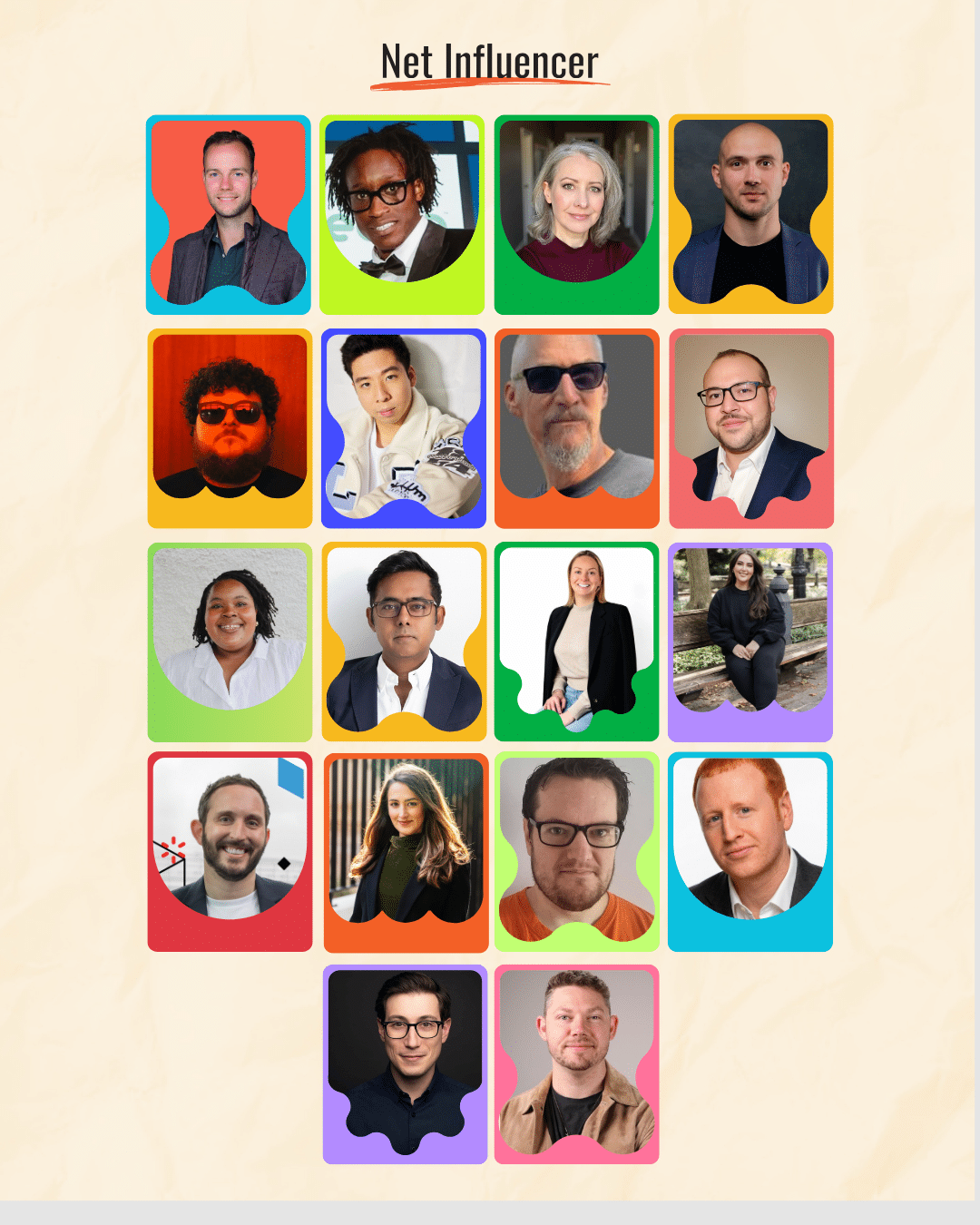
In this roundtable, 18 Creator Economy professionals describe what that handoff looks like once it is underway and where it tends to go wrong.
The creator businesses that scale cleanly all did one thing early: they treated themselves as franchises, not personalities.
Operators don’t break creative culture. Missing architecture does. When 100% of the value sits in one person’s voice, any new hire feels like a threat because there’s no business to operate beyond the founder. Give that same operator a franchise stack, owned IP, repeatable formats, sub-brands with their own audience equity, scalable production processes, and the job becomes obvious. Run the system. Protect the voice. Compound the assets.
The unlock is sequencing. Build the franchise architecture first. Codify formats so they can be produced without the founder in every frame. Establish ownership over IP, characters, and distribution. Then bring in operators who know how to turn that into a media business.
The best transitions share a pattern. The founder spent years building scalable IP and process before anyone called it a company. By the time operators arrived, there were real assets to operate. Culture stayed intact because they were scaling owned IP, not replacing the person who built it.
The ceiling isn’t operational. It’s architectural. Build the franchise early and you scale through it without breaking what made the business work.
The transition rarely breaks where founders expect. It breaks earlier, and it breaks because the handoff is poorly defined, not because operators threaten creative culture.
When we work with athletes and creators scaling their content into businesses, the most common mistake is treating “the business” as one entity to hand off. It isn’t. There are three engines running underneath every creator at scale: the creative engine (voice, point of view, instincts), the production engine (planning, shooting, editing, posting), and the commercial engine (deals, partnerships, IP, money). Operators can take over the second and third. The first should never leave the creator’s hands.
What breaks the handoff isn’t bringing in professional operators. It’s bringing in operators who try to handle all three engines because nobody told them which one was off-limits. Audiences feel the change in tone immediately. Brands lose interest in collaborations that suddenly feel scripted by committee.
The cleanest transitions we’ve seen treat creator-led businesses like a small studio – clear creative authority, layered operational support, and ruthless honesty about which decisions still belong to the founder. The cultural risk isn’t bringing in operators. It’s failing to ring-fence what they shouldn’t touch.
The handoff is never one big moment. The version that works is gradual and earns trust in stages. A good operator starts by taking the things the creator hates and is bad at, like billing, contracts, hiring, scheduling. Nobody mourns losing those. You prove you can run the boring machinery without dropping the voice. Only then do you earn a say in anything that touches the audience.
What it looks like in practice is a slow widening of the operator’s lane, always pulled forward by the creator, never pushed. The creator keeps a hard veto over anything creative. The operator owns everything that makes the creative possible.
What breaks it is an operator who confuses running the business with running the show. The minute someone from traditional media starts “optimizing” the content itself, treating the audience as a metric instead of a relationship, trust starts leaking on both sides. The creator feels managed, the audience smells it, and the whole thing unwinds.
The healthiest transitions I’ve seen share one trait. The operator is genuinely a fan of what the creator makes. You cannot protect a culture you do not actually respect.
The best handoff happens when an experienced operator joins the business and starts by asking a lot of questions. The creator understands that answering those questions in detail isn’t a distraction – it’s the investment that creates leverage. Together, they document workflows, define responsibilities, clarify desired outcomes, and build repeatable systems, templates, and operating procedures. That’s how operational knowledge moves out of the founder’s head and into the business.
The worst handoff is when everything lives in the creator’s mind, but they’re too busy – or unwilling – to transfer that knowledge. They hire an operator and expect them to “figure it out” without context, documentation, or clear expectations. That usually leads to frustration, inconsistent execution, and loss of momentum.
From an investor’s perspective, this transition should never be left to chance. Operational documentation, standardized processes, and a structured knowledge transfer should be treated as core requirements for scaling a creator-led media business, not optional improvements.
I’ve talked to close to a hundred creators making this jump, and the handoff almost never breaks where they expect. It looks like delegating tasks. But the tasks were never the hard part.
What a creator’s really handing over is judgment. A thousand small calls they make on instinct and never have to explain – what sounds like them, what’s beneath them even when it pays. It lives in one head. It doesn’t come out in a job description.
That’s why hiring keeps failing, and it’s rarely about competence. You can’t hand someone your taste. The ones who scale don’t try – they shrink it into a number, a target so exact a team can hit it without the instinct behind it.
Most never get there. The moment you turn taste into a metric, it stops feeling like yours.
What breaks the rest is the operator who reads that instinct as amateurism, and reaches for the obvious fix – more polish, bigger reach – the professional version of good the audience never came for. And trust is a lagging indicator. You win a hundred small arguments, each one right in the moment, and never feel the cost until it’s gone.
As a creator, the first things I delegated were the things that pulled me furthest away from the work I actually loved. For me, that was video editing, videography, and the parts of production that slowed me down. But I never wanted to delegate the parts I genuinely enjoyed, like brand negotiation, strategy, and the creative instincts that made the audience care in the first place.
That is usually where the handoff breaks. Operators come in and try to professionalize everything at once, but a creator business does not scale like a normal media company. The audience is still attached to the person, the taste, and the trust. The best operators understand that their job is not to replace the creator’s judgment, it is to protect the creator’s energy and build systems around what already works.
Now running REACH, where we manage and work with over 250 creators, I see this every day. The handoff works when the creator keeps control over the areas where their taste is irreplaceable, and the team takes over the repeatable systems that create leverage. It breaks when people confuse operational scale with creative control.
In my experience, both creators and incoming operators can unintentionally kill a business during the transition.
Creator flame out: This happens when a creator brings in help, but can’t actually let go of the reins. The honeymoon phase ends, and the creator holds onto control despite their initial agreement to hand it off. Experienced operators end up as overpaid coordinators, unable to do the work they were hired for. The creator has good intentions, but this failure to delegate often tanks the whole project.
Operator misalignment: This occurs when operators from big, resource-heavy companies struggle in a scrappy startup environment. They’re used to high-level strategy and massive support teams, but they lack the hands-on skills needed to execute in smaller businesses. They often accidentally introduce bloat, which kills the brand while they try to scale.
Scaling is tough, which is why most companies don’t make it. You have to be committed to growth while being honest with yourself and your new hires about the reality of your current environment.
We operate in the creator space through the lens of sports leagues, franchises, and the broader fan ecosystems around them. From that vantage point, the mistake is thinking creator-led businesses need to become traditional media companies to scale. They don’t.
In sports, the creator is often an athlete, analyst, trainer, former player, team personality, or cultural voice around a league or franchise. What makes that audience valuable is trust: fans feel like they’re getting access, perspective, and community they can’t get from a broadcast or press release.
The best creator-led businesses build an operating layer around that trust without sanding it down. They need systems for packaging content, managing partnerships, understanding cross-platform distribution and proving value to brands. But the goal is not to turn creators into media executives.
That is where content intelligence matters. The real signals are not always obvious in a box score or social dashboard. They live in how fans move across platforms, which voices drive engagement and which partnerships feel authentic.
The goal is infrastructure that lets creators scale without breaking the relationship that made fans care.
Creators are unique business leaders because they start as a one-person show, playing every role at once: creative director, accountant, business development, even HR. That range is what makes handing off control so hard. When you’ve been that deeply embedded in building something, ceding any piece of it feels risky, and creators are right to be protective of that.
The most useful question creators can ask as they scale isn’t how much control to give up, but what role they actually want to play going forward. If the goal is to stay the creative lead, the shift isn’t about giving up control. It’s about releasing the parts of the job you never wanted in the first place.
Creators also need to be firm about what their business is and isn’t, at any size. That clarity lets them hand off responsibilities without losing what made their brand work. Scaling without that brand clarity is risky. Growth that comes at the cost of core values, or the trust built with an audience, often leaves creators feeling like they’ve lost the thing they worked so hard to build.
The biggest mistake creators make is assuming the only way to scale is to hand off creative control. In reality, the first thing they should delegate is operational work.
Most creator businesses don’t break because the founder is too involved. They break because the founder gets pulled away from what made the business successful in the first place. Instead of creating, they’re managing inboxes, chasing brand deals, answering DMs, and coordinating operations.
That’s why I think the first “hire” should increasingly be AI. Let technology handle the repetitive work while the creator continues to own the voice, vision, and relationship with the audience. Those are the pieces of the puzzle that can’t be outsourced.
When creators eventually do bring on team members, they shouldn’t be replacing the creator’s instincts. Rather, they should be amplifying them. Businesses lose audience trust because operations start dictating creativity instead of protecting it.
The biggest mistake creator businesses make is trying to scale by becoming something they’re not. The audience didn’t subscribe to a company. They subscribed to a person, a perspective, and a personality.
As a creator grows, bringing in operators is inevitable, but the best operators understand their role isn’t to change the creator. It’s to protect what made them successful while giving them the support to grow. The handoff should happen around execution, logistics, and business operations, not the creator’s voice or creative instincts.
The businesses that lose audience trust are usually the ones that become overly polished or disconnected from the community that built them. Scale shouldn’t make a creator feel more corporate. It should create more space for them to do what only they can do: build authentic relationships with their audience.
An operator’s job isn’t to turn a creator into a corporation, but to build systems and create a foundation for sustainable growth and continued success. The goal is to take the operational load off the creator’s plate so they can stay focused on what they do best: content, community, and creative direction.
The handoff works best when there’s trust and a clear understanding of roles. Creators should remain the storytellers and visionaries behind the brand, while operators build the infrastructure that helps everything scale.
What breaks that relationship is when operators optimize for predictability and assume there’s a cookie-cutter formula for success. Creator businesses thrive on authenticity, speed, and gut instinct. If every idea has to go through layers of approval or every partnership is treated as a transaction, audiences notice quickly. When both sides respect each other’s expertise, creators gain the structure to grow without losing the authenticity and connection that made their audience show up in the first place.
The awkward thing with creator-led businesses is that the chaos is usually part of the reason they worked in the first place. The founder is close to the audience, people try things that would never get through a normal marketing process, and that energy becomes part of the brand.
But there is a point where that stops being enough. You cannot keep scaling if every decision needs to sit in one person’s head. You need planning, clearer roles, better distribution, proper commercial thinking and people who can build around the creator rather than just react to them.
That is usually where the tension starts.
The handoff works when structure is added around the culture, rather than on top of it. It breaks when the business starts treating the original audience as something it has grown out of. Those people are not just the first customers. They are the reason the brand has any permission to scale at all.
The handoff isn’t about creators giving up control, it’s about giving up the right control. Great operators don’t replace a creator’s vision, they create leverage around it. The biggest mistake I see is hiring executives who treat creators like talent instead of founders. That’s when authenticity gets optimized out of the business. The most successful creator companies are the ones where operators own execution, creators own vision, and everyone is aligned on what can never be compromised.
As someone who has overseen the transition of some “power” across multiple creator-led operations, I think bringing in the right people is probably the most important decision a creator can make.
The handoff of control should be regimented and tested to within an inch of its life. Ultimately, creator marketing and Influencer Marketing work because people connect with the influencer, so handing off that power at any level does risk damaging the relationship between creator and audience.
That said, when done correctly, the opposite is very much true.
Find someone who understands your audience, your goals and your style almost as well as you do, then utilize their strengths in ways you cannot.
For example, if you’re a creator starting a makeup line, you may be passionate about the project and deeply invested in making sure it’s the best it can be. But you probably won’t be the most qualified person when it comes to almost everything involved in getting it from idea to people’s hands. The best people you can bring on board do not replace the creator’s instinct. They protect it, organize it and build the structure that allows the business to grow without losing the thing that made people care.
What breaks the process is either handing over too much too quickly that it becomes very obvious that control has been lost, or refusing to hand over anything at all.
The beauty of a creator-led business is often the authentic connection between the creator themself and the product(s) they’ve put into the world for the benefit of their fans/audiences and beyond. That authenticity is often the magic that makes the brand thrive in an otherwise crowded and/or commoditized marketplace. To scale and/or in the event of an exit, it’s crucial to add smart, capable, and ideally passionate folks on the team to take over many of the responsibilities so that the creator can keep creating and the brand can continue thriving. However, if the authenticity and/or magic is lost in the process, things can break quickly. It’s imperative to understand specifically “why” the creator biz works before anything is materially changed because if that/those elements are entirely removed, the trust with consumers will vanish.
The handoff has to be slow and methodical, and they need to be willing to get into the weeds and treat it like it’s a startup, even if it is not. The problems happen when a creator hands the role over and abdicates it. The handoff really needs to be a delegation, working hand in hand with the creator. If they abdicate, that is always a recipe for disaster, and it happens more often than it should.
Dragomir is a Serbian freelance blog writer and translator. He is passionate about covering insightful stories and exploring topics such as influencer marketing, the creator economy, technology, business, and cyber fraud.











Creator-led businesses tend to hit the same wall as they grow. One person can no longer handle content, contracts, hiring, and partnerships at once, and the audience rarely notices who is running the back office. What they do notice is any shift in tone or judgment behind the work they followed in the first place.
That tension defines the transition. Professional operators bring the structure a growing business needs, but they arrive without the years of context a founder has with their own audience. How much authority to hand over, and when, is rarely obvious, and the wrong sequencing can unravel a relationship with viewers or followers that took years to build.
In this roundtable, 18 Creator Economy professionals describe what that handoff looks like once it is underway and where it tends to go wrong.
Tobias Hoss, Co-Founder & Senior Advisor, 30 Dishes, Copyright Capital, TopFan
The creator businesses that scale cleanly all did one thing early: they treated themselves as franchises, not personalities.
Operators don’t break creative culture. Missing architecture does. When 100% of the value sits in one person’s voice, any new hire feels like a threat because there’s no business to operate beyond the founder. Give that same operator a franchise stack, owned IP, repeatable formats, sub-brands with their own audience equity, scalable production processes, and the job becomes obvious. Run the system. Protect the voice. Compound the assets.
The unlock is sequencing. Build the franchise architecture first. Codify formats so they can be produced without the founder in every frame. Establish ownership over IP, characters, and distribution. Then bring in operators who know how to turn that into a media business.
The best transitions share a pattern. The founder spent years building scalable IP and process before anyone called it a company. By the time operators arrived, there were real assets to operate. Culture stayed intact because they were scaling owned IP, not replacing the person who built it.
The ceiling isn’t operational. It’s architectural. Build the franchise early and you scale through it without breaking what made the business work.
Abraham Charles, Founder & CEO, each&everyone
The transition rarely breaks where founders expect. It breaks earlier, and it breaks because the handoff is poorly defined, not because operators threaten creative culture.
When we work with athletes and creators scaling their content into businesses, the most common mistake is treating “the business” as one entity to hand off. It isn’t. There are three engines running underneath every creator at scale: the creative engine (voice, point of view, instincts), the production engine (planning, shooting, editing, posting), and the commercial engine (deals, partnerships, IP, money). Operators can take over the second and third. The first should never leave the creator’s hands.
What breaks the handoff isn’t bringing in professional operators. It’s bringing in operators who try to handle all three engines because nobody told them which one was off-limits. Audiences feel the change in tone immediately. Brands lose interest in collaborations that suddenly feel scripted by committee.
The cleanest transitions we’ve seen treat creator-led businesses like a small studio – clear creative authority, layered operational support, and ruthless honesty about which decisions still belong to the founder. The cultural risk isn’t bringing in operators. It’s failing to ring-fence what they shouldn’t touch.
Sarah McNabb, Chief Marketing Officer, GigaStar
The handoff is never one big moment. The version that works is gradual and earns trust in stages. A good operator starts by taking the things the creator hates and is bad at, like billing, contracts, hiring, scheduling. Nobody mourns losing those. You prove you can run the boring machinery without dropping the voice. Only then do you earn a say in anything that touches the audience.
What it looks like in practice is a slow widening of the operator’s lane, always pulled forward by the creator, never pushed. The creator keeps a hard veto over anything creative. The operator owns everything that makes the creative possible.
What breaks it is an operator who confuses running the business with running the show. The minute someone from traditional media starts “optimizing” the content itself, treating the audience as a metric instead of a relationship, trust starts leaking on both sides. The creator feels managed, the audience smells it, and the whole thing unwinds.
The healthiest transitions I’ve seen share one trait. The operator is genuinely a fan of what the creator makes. You cannot protect a culture you do not actually respect.
Andrii Salii, Head of Content, MIA Studio
The best handoff happens when an experienced operator joins the business and starts by asking a lot of questions. The creator understands that answering those questions in detail isn’t a distraction – it’s the investment that creates leverage. Together, they document workflows, define responsibilities, clarify desired outcomes, and build repeatable systems, templates, and operating procedures. That’s how operational knowledge moves out of the founder’s head and into the business.
The worst handoff is when everything lives in the creator’s mind, but they’re too busy – or unwilling – to transfer that knowledge. They hire an operator and expect them to “figure it out” without context, documentation, or clear expectations. That usually leads to frustration, inconsistent execution, and loss of momentum.
From an investor’s perspective, this transition should never be left to chance. Operational documentation, standardized processes, and a structured knowledge transfer should be treated as core requirements for scaling a creator-led media business, not optional improvements.
Lee Simpson, Founder, Friends We Trust
I’ve talked to close to a hundred creators making this jump, and the handoff almost never breaks where they expect. It looks like delegating tasks. But the tasks were never the hard part.
What a creator’s really handing over is judgment. A thousand small calls they make on instinct and never have to explain – what sounds like them, what’s beneath them even when it pays. It lives in one head. It doesn’t come out in a job description.
That’s why hiring keeps failing, and it’s rarely about competence. You can’t hand someone your taste. The ones who scale don’t try – they shrink it into a number, a target so exact a team can hit it without the instinct behind it.
Most never get there. The moment you turn taste into a metric, it stops feeling like yours.
What breaks the rest is the operator who reads that instinct as amateurism, and reaches for the obvious fix – more polish, bigger reach – the professional version of good the audience never came for. And trust is a lagging indicator. You win a hundred small arguments, each one right in the moment, and never feel the cost until it’s gone.
Dylan Huey, CEO, REACH
As a creator, the first things I delegated were the things that pulled me furthest away from the work I actually loved. For me, that was video editing, videography, and the parts of production that slowed me down. But I never wanted to delegate the parts I genuinely enjoyed, like brand negotiation, strategy, and the creative instincts that made the audience care in the first place.
That is usually where the handoff breaks. Operators come in and try to professionalize everything at once, but a creator business does not scale like a normal media company. The audience is still attached to the person, the taste, and the trust. The best operators understand that their job is not to replace the creator’s judgment, it is to protect the creator’s energy and build systems around what already works.
Now running REACH, where we manage and work with over 250 creators, I see this every day. The handoff works when the creator keeps control over the areas where their taste is irreplaceable, and the team takes over the repeatable systems that create leverage. It breaks when people confuse operational scale with creative control.
Keith Pape, CEO, YellowPike Media
In my experience, both creators and incoming operators can unintentionally kill a business during the transition.
Creator flame out: This happens when a creator brings in help, but can’t actually let go of the reins. The honeymoon phase ends, and the creator holds onto control despite their initial agreement to hand it off. Experienced operators end up as overpaid coordinators, unable to do the work they were hired for. The creator has good intentions, but this failure to delegate often tanks the whole project.
Operator misalignment: This occurs when operators from big, resource-heavy companies struggle in a scrappy startup environment. They’re used to high-level strategy and massive support teams, but they lack the hands-on skills needed to execute in smaller businesses. They often accidentally introduce bloat, which kills the brand while they try to scale.
Scaling is tough, which is why most companies don’t make it. You have to be committed to growth while being honest with yourself and your new hires about the reality of your current environment.
Nick Cicero, Founder & CEO, Mondo Metrics
We operate in the creator space through the lens of sports leagues, franchises, and the broader fan ecosystems around them. From that vantage point, the mistake is thinking creator-led businesses need to become traditional media companies to scale. They don’t.
In sports, the creator is often an athlete, analyst, trainer, former player, team personality, or cultural voice around a league or franchise. What makes that audience valuable is trust: fans feel like they’re getting access, perspective, and community they can’t get from a broadcast or press release.
The best creator-led businesses build an operating layer around that trust without sanding it down. They need systems for packaging content, managing partnerships, understanding cross-platform distribution and proving value to brands. But the goal is not to turn creators into media executives.
That is where content intelligence matters. The real signals are not always obvious in a box score or social dashboard. They live in how fans move across platforms, which voices drive engagement and which partnerships feel authentic.
The goal is infrastructure that lets creators scale without breaking the relationship that made fans care.
Amber Burns, Director, Creator Relations, Allen & Gerritsen (A&G)
Creators are unique business leaders because they start as a one-person show, playing every role at once: creative director, accountant, business development, even HR. That range is what makes handing off control so hard. When you’ve been that deeply embedded in building something, ceding any piece of it feels risky, and creators are right to be protective of that.
The most useful question creators can ask as they scale isn’t how much control to give up, but what role they actually want to play going forward. If the goal is to stay the creative lead, the shift isn’t about giving up control. It’s about releasing the parts of the job you never wanted in the first place.
Creators also need to be firm about what their business is and isn’t, at any size. That clarity lets them hand off responsibilities without losing what made their brand work. Scaling without that brand clarity is risky. Growth that comes at the cost of core values, or the trust built with an audience, often leaves creators feeling like they’ve lost the thing they worked so hard to build.
Gautam Goswami, CEO, POP.STORE
The biggest mistake creators make is assuming the only way to scale is to hand off creative control. In reality, the first thing they should delegate is operational work.
Most creator businesses don’t break because the founder is too involved. They break because the founder gets pulled away from what made the business successful in the first place. Instead of creating, they’re managing inboxes, chasing brand deals, answering DMs, and coordinating operations.
That’s why I think the first “hire” should increasingly be AI. Let technology handle the repetitive work while the creator continues to own the voice, vision, and relationship with the audience. Those are the pieces of the puzzle that can’t be outsourced.
When creators eventually do bring on team members, they shouldn’t be replacing the creator’s instincts. Rather, they should be amplifying them. Businesses lose audience trust because operations start dictating creativity instead of protecting it.
Paige Kelly, General Manager, Creator, Later
The biggest mistake creator businesses make is trying to scale by becoming something they’re not. The audience didn’t subscribe to a company. They subscribed to a person, a perspective, and a personality.
As a creator grows, bringing in operators is inevitable, but the best operators understand their role isn’t to change the creator. It’s to protect what made them successful while giving them the support to grow. The handoff should happen around execution, logistics, and business operations, not the creator’s voice or creative instincts.
The businesses that lose audience trust are usually the ones that become overly polished or disconnected from the community that built them. Scale shouldn’t make a creator feel more corporate. It should create more space for them to do what only they can do: build authentic relationships with their audience.
Jenna Tarabek, Senior Vice President, Link Management
An operator’s job isn’t to turn a creator into a corporation, but to build systems and create a foundation for sustainable growth and continued success. The goal is to take the operational load off the creator’s plate so they can stay focused on what they do best: content, community, and creative direction.
The handoff works best when there’s trust and a clear understanding of roles. Creators should remain the storytellers and visionaries behind the brand, while operators build the infrastructure that helps everything scale.
What breaks that relationship is when operators optimize for predictability and assume there’s a cookie-cutter formula for success. Creator businesses thrive on authenticity, speed, and gut instinct. If every idea has to go through layers of approval or every partnership is treated as a transaction, audiences notice quickly. When both sides respect each other’s expertise, creators gain the structure to grow without losing the authenticity and connection that made their audience show up in the first place.
Tom Stone, Co-Founder, re:act
The awkward thing with creator-led businesses is that the chaos is usually part of the reason they worked in the first place. The founder is close to the audience, people try things that would never get through a normal marketing process, and that energy becomes part of the brand.
But there is a point where that stops being enough. You cannot keep scaling if every decision needs to sit in one person’s head. You need planning, clearer roles, better distribution, proper commercial thinking and people who can build around the creator rather than just react to them.
That is usually where the tension starts.
The handoff works when structure is added around the culture, rather than on top of it. It breaks when the business starts treating the original audience as something it has grown out of. Those people are not just the first customers. They are the reason the brand has any permission to scale at all.
Nilou Ajdari, Co-Founder & Head of Talent, Currents Management
The handoff isn’t about creators giving up control, it’s about giving up the right control. Great operators don’t replace a creator’s vision, they create leverage around it. The biggest mistake I see is hiring executives who treat creators like talent instead of founders. That’s when authenticity gets optimized out of the business. The most successful creator companies are the ones where operators own execution, creators own vision, and everyone is aligned on what can never be compromised.
Kristian Sturt, Head of Influencer Marketing, Colossal Influence Limited
As someone who has overseen the transition of some “power” across multiple creator-led operations, I think bringing in the right people is probably the most important decision a creator can make.
The handoff of control should be regimented and tested to within an inch of its life. Ultimately, creator marketing and Influencer Marketing work because people connect with the influencer, so handing off that power at any level does risk damaging the relationship between creator and audience.
That said, when done correctly, the opposite is very much true.
Find someone who understands your audience, your goals and your style almost as well as you do, then utilize their strengths in ways you cannot.
For example, if you’re a creator starting a makeup line, you may be passionate about the project and deeply invested in making sure it’s the best it can be. But you probably won’t be the most qualified person when it comes to almost everything involved in getting it from idea to people’s hands. The best people you can bring on board do not replace the creator’s instinct. They protect it, organize it and build the structure that allows the business to grow without losing the thing that made people care.
What breaks the process is either handing over too much too quickly that it becomes very obvious that control has been lost, or refusing to hand over anything at all.
Alec Shankman, Founder & CEO, HeartRock Partners
The beauty of a creator-led business is often the authentic connection between the creator themself and the product(s) they’ve put into the world for the benefit of their fans/audiences and beyond. That authenticity is often the magic that makes the brand thrive in an otherwise crowded and/or commoditized marketplace. To scale and/or in the event of an exit, it’s crucial to add smart, capable, and ideally passionate folks on the team to take over many of the responsibilities so that the creator can keep creating and the brand can continue thriving. However, if the authenticity and/or magic is lost in the process, things can break quickly. It’s imperative to understand specifically “why” the creator biz works before anything is materially changed because if that/those elements are entirely removed, the trust with consumers will vanish.
Josh Zimmerman, Founder & CEO, Creator Coach®
The handoff has to be slow and methodical, and they need to be willing to get into the weeds and treat it like it’s a startup, even if it is not. The problems happen when a creator hands the role over and abdicates it. The handoff really needs to be a delegation, working hand in hand with the creator. If they abdicate, that is always a recipe for disaster, and it happens more often than it should.
Jason Russak, Chief Content Officer, Fixated
The biggest mistake creators make is not knowing what and how to delegate. Everything except being on camera and creative vision can be handed off.
Subscribe to Our Newsletter
Check Out Our Podcast