Atlantic CEO Nicholas Thompson’s personal podcast, “The Most Interesting Thing in AI,” has become a point of tension between the magazine’s business and editorial sides, with journalists complaining that the show operates outside The Atlantic’s editorial oversight despite reading as an Atlantic product to casual listeners.
According to a Semafor report, the friction surfaced publicly last month when Vox’s Peter Kafka asked Thompson, on the “Channels” podcast, how editor-in-chief Jeffrey Goldberg felt about the show’s growing success. “We make a lot of money on the stuff I do,” Thompson said. “Jeff likes when we make money.” According to Semafor, the comment circulated widely inside The Atlantic’s newsroom.
The podcast, produced by the magazine’s business side and carrying sponsored content, launched in 2024 without objection from the newsroom, Semafor reported, noting The Atlantic has run a paid content studio and events business for years. Tension built as the show’s profile rose and Thompson, a former WIRED editor-in-chief, began booking marquee guests, including OpenAI’s Sam Altman. Staff told Semafor the CEO’s bookings are undercutting the newsroom’s own reporting efforts on the same subject.
Four people familiar with the situation told Semafor the show has been a particular source of friction between Thompson and Goldberg, who reports to The Atlantic’s board rather than to the CEO. A separate flashpoint is Thompson’s 2024 content-licensing deal with OpenAI, which angered staffers who view AI labs as having trained on journalists’ work without compensation; the magazine’s editorial union has publicly criticized the arrangement, and its tech editor called it a “devil’s bargain” in a published op-ed. The Atlantic’s own coverage of frontier AI companies has run largely skeptical, a tone Semafor notes contrasts with the more optimistic register of Thompson’s podcasts and LinkedIn posts.
The Atlantic declined Semafor’s request for comment. A senior company source told Semafor that business-side content carries clear disclaimers, even when, as with Thompson’s show, it can read as journalistic given his background as a reporter.
A Familiar Shape for the Creator Economy
The dynamic Semafor describes – an executive building a personally branded, monetizable media product that draws bigger names and more attention than the institution’s own output – mirrors a pattern now playing out across consumer brands, where companies have begun hiring creators into executive roles specifically to capture audience trust an institution cannot manufacture on its own. It also echoes the broader shift in interview media, where independently owned podcast franchises have pulled high-profile bookings, including sitting officials, away from institutional programming that once held exclusive claim to them.
Thompson’s position as both CEO and host gives him direct control over a revenue stream and an audience relationship that exists partly outside the newsroom, the exact structure that has made ownership (rather than employment) the dividing line in similar disputes elsewhere in media.
Dragomir is a Serbian freelance blog writer and translator. He is passionate about covering insightful stories and exploring topics such as influencer marketing, the creator economy, technology, business, and cyber fraud.




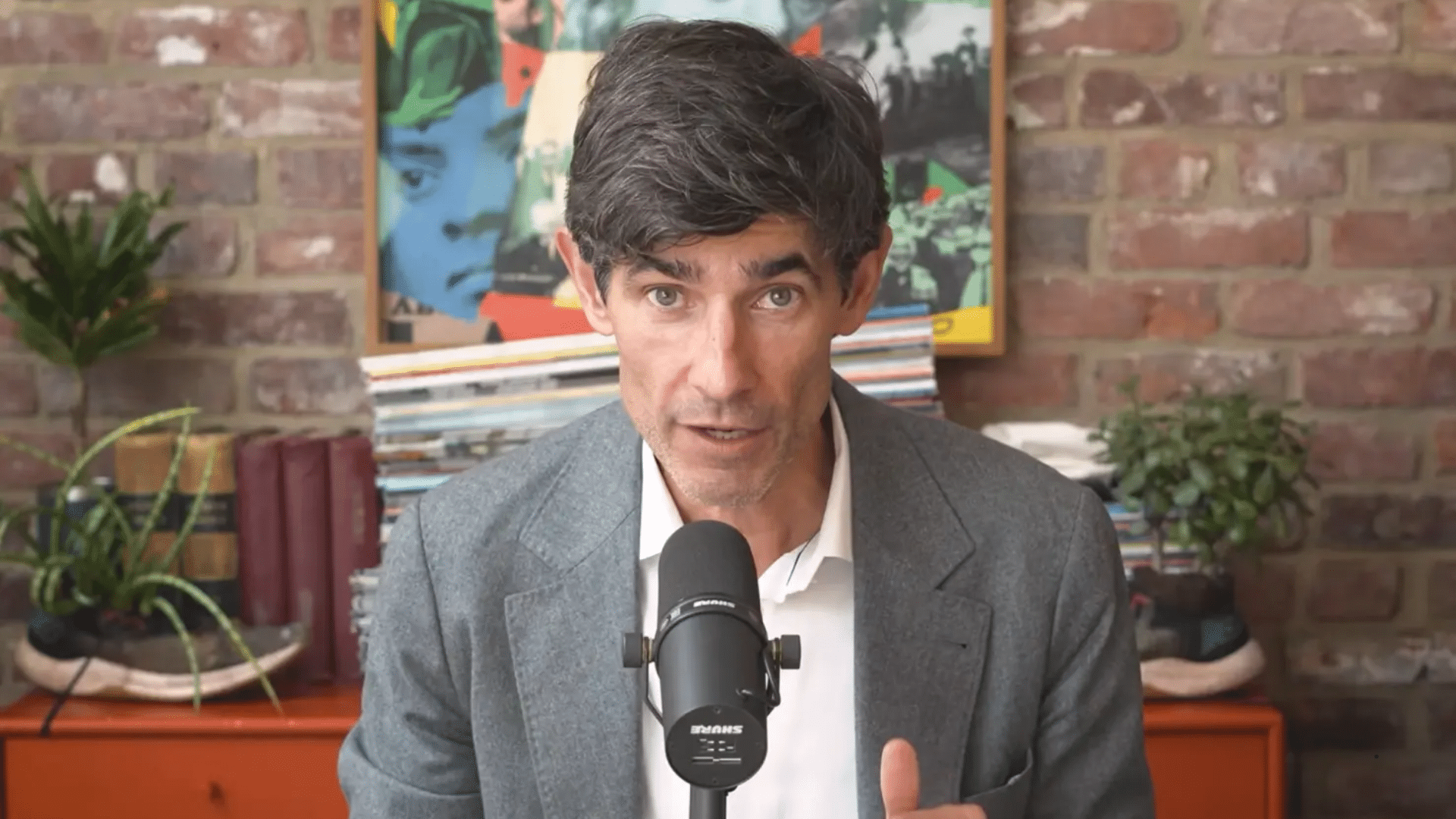










Atlantic CEO Nicholas Thompson’s personal podcast, “The Most Interesting Thing in AI,” has become a point of tension between the magazine’s business and editorial sides, with journalists complaining that the show operates outside The Atlantic’s editorial oversight despite reading as an Atlantic product to casual listeners.
According to a Semafor report, the friction surfaced publicly last month when Vox’s Peter Kafka asked Thompson, on the “Channels” podcast, how editor-in-chief Jeffrey Goldberg felt about the show’s growing success. “We make a lot of money on the stuff I do,” Thompson said. “Jeff likes when we make money.” According to Semafor, the comment circulated widely inside The Atlantic’s newsroom.
The podcast, produced by the magazine’s business side and carrying sponsored content, launched in 2024 without objection from the newsroom, Semafor reported, noting The Atlantic has run a paid content studio and events business for years. Tension built as the show’s profile rose and Thompson, a former WIRED editor-in-chief, began booking marquee guests, including OpenAI’s Sam Altman. Staff told Semafor the CEO’s bookings are undercutting the newsroom’s own reporting efforts on the same subject.
Four people familiar with the situation told Semafor the show has been a particular source of friction between Thompson and Goldberg, who reports to The Atlantic’s board rather than to the CEO. A separate flashpoint is Thompson’s 2024 content-licensing deal with OpenAI, which angered staffers who view AI labs as having trained on journalists’ work without compensation; the magazine’s editorial union has publicly criticized the arrangement, and its tech editor called it a “devil’s bargain” in a published op-ed. The Atlantic’s own coverage of frontier AI companies has run largely skeptical, a tone Semafor notes contrasts with the more optimistic register of Thompson’s podcasts and LinkedIn posts.
The Atlantic declined Semafor’s request for comment. A senior company source told Semafor that business-side content carries clear disclaimers, even when, as with Thompson’s show, it can read as journalistic given his background as a reporter.
A Familiar Shape for the Creator Economy
The dynamic Semafor describes – an executive building a personally branded, monetizable media product that draws bigger names and more attention than the institution’s own output – mirrors a pattern now playing out across consumer brands, where companies have begun hiring creators into executive roles specifically to capture audience trust an institution cannot manufacture on its own. It also echoes the broader shift in interview media, where independently owned podcast franchises have pulled high-profile bookings, including sitting officials, away from institutional programming that once held exclusive claim to them.
Thompson’s position as both CEO and host gives him direct control over a revenue stream and an audience relationship that exists partly outside the newsroom, the exact structure that has made ownership (rather than employment) the dividing line in similar disputes elsewhere in media.
Subscribe to Our Newsletter
Check Out Our Podcast