





Strategy
Creator TV Uses Ford’s ‘La Caravana’ to Make the Case for Creator-Made Shows and TV Commercials
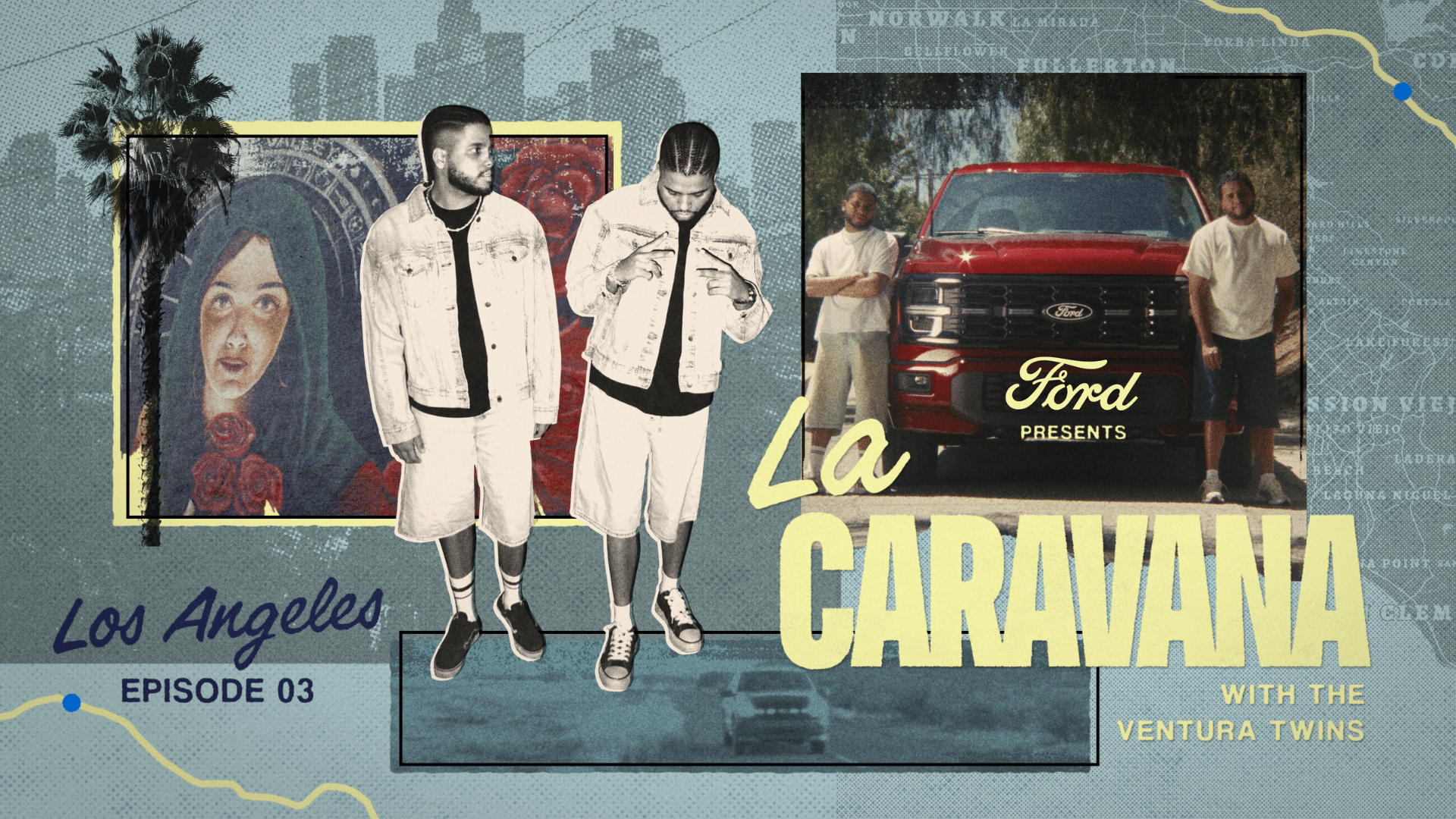
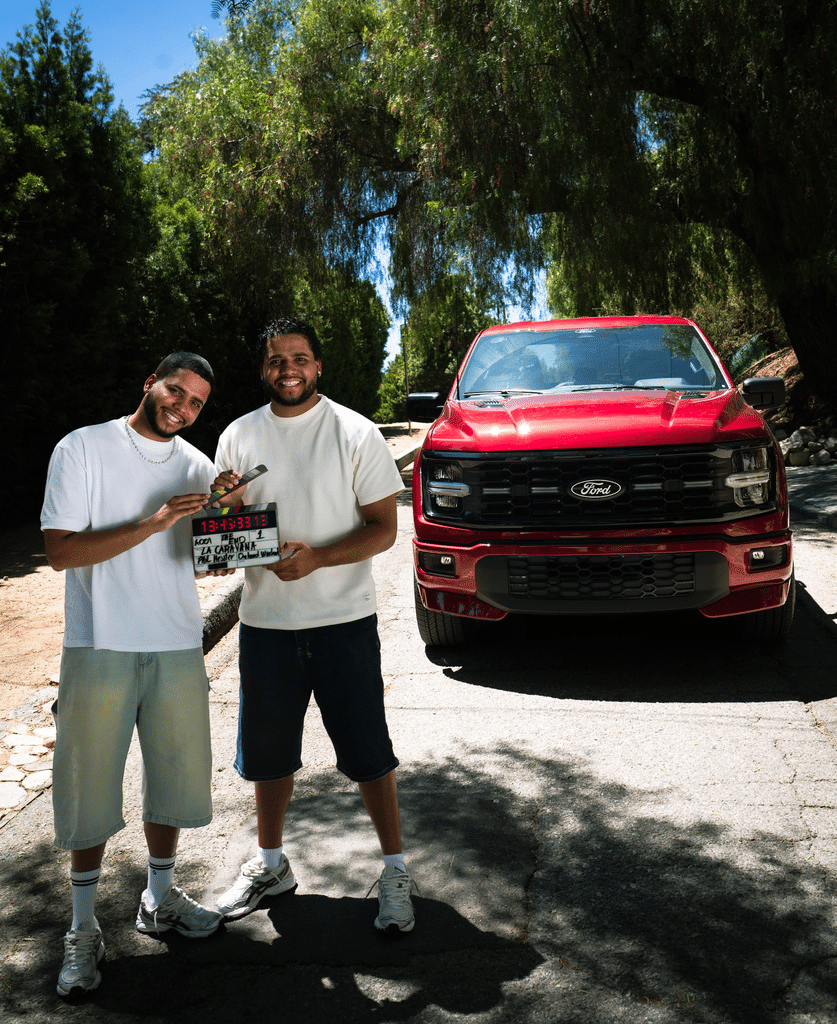
Ford’s “La Caravana” puts The Ventura Twins in an F-150 Lobo for a 2,800-mile drive from Miami to Los Angeles, and the truck never stops the story to show off a feature. Creator TV, which aired it in October, holds it up as a model for brand money in creator-led television: write the product into the show, let the creator carry the message into other formats, and back shows that can return for more seasons.
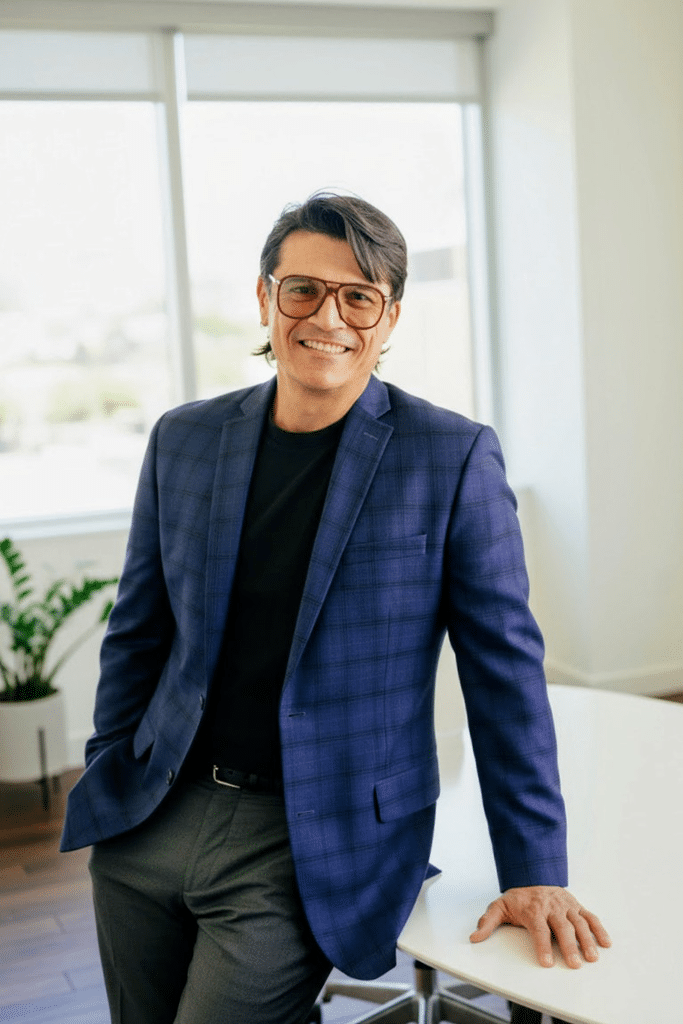
“I’ve always had this vision for the creator-led TV space to mirror the Creator Economy in the way that brands authentically integrate into content,” says Charlie Ibarra, co-founder and Head of Content at Creator TV. A former ad tech sales executive who retrained as a TV writer, he co-founded the Los Angeles company in 2022.
The network launched under ad tech company Sabio in January 2025, streams on six platforms and partners with creators to develop and produce original series and live events. “We will never just cast creators unless we’re putting together a live event,” Charlie says.
The company also runs 15- and 30-second TV spots for brands against targeted CTV audiences. “La Caravana” arrived through that kind of media partnership with Ford, though Charlie is explicit that the relationship did not influence the decision to air it. “The project we took on was because it’s just amazing storytelling,” he says.
Ford Wrote the Truck Into the Story
That standard matters because Creator TV is usually hesitant to program branded content. “First and foremost, we’re focused on the audience experience and providing programming that’s authentic and resonant in a way that only creators can deliver,” Charlie says.
“La Caravana” cleared that bar with Ford in the background. “What I do love is the car is actually integral to the story, in the way that it’s kind of obvious, but it’s a road trip,” Charlie notes. “This wasn’t about, oh my God, let me cool the cabin so I can share a feature of the car.” The question became whether the story was worth airing, and Creator TV built dedicated time slots for it on its 24/7 linear channel.
The cultural thread carried the show past its obvious audience. The twins, who are of Dominican descent, have done well on the network, as Jenny Lorenzo’s “Latinos Be Like” has, according to Charlie. “When we lean into culture as a network, it lands with wider audiences,” he says. “We don’t have a majority Latino audience.”
Ford’s brief, as Charlie describes it, was distribution, with an eye toward any social media lift during programming hours, which Creator TV did not measure. Viewership was strong enough that Creator TV wants a follow-up with the twins or other creators. “We were pleased enough to want more,” he says.
Visible Brands Work When They Sit Inside the Format
Ford’s presence is subtle, avoiding the point where it would become too obvious, in Charlie’s view. “I’m not seeing it as more brand, less engagement, more about the way that the brand is integrated and shows up,” he says.
Some Creator TV projects acknowledge the sponsor openly, mostly in playful or satirical ways. “What we’re talking about is how honest you’re being about it,” Charlie argues. “And even if you’re honest, it still has to be interesting.”
“The best way to do this is to include the brand in the format,” he adds. One example is a game show in development with an adhesive brand, where the product is part of the gameplay setup without being the thing under test. His reference point is “LEGO Masters,” a building competition he says puts LEGO at the center of every episode without the company paying for it.
By that logic, heavy presence can hold an audience when the product does real work inside the show. That puts the burden on whoever designs the format, and Charlie wants creators in that role.
Creators Are Moving Into the 30-Second Spot
Commercials are the newest place Creator TV applies that idea. A couple of months ago, the company rolled out its “Creator Ad Spot” program, which matches creators with brands to develop and produce 15- and 30-second commercials distributed to targeted audiences across streaming.
Charlie frames the case with a hypothetical. A celebrity paid to sound excited about a phone discount sits on one side, and on the other is a micro-influencer with 75,000 to 100,000 TikTok followers who helps shape how a family plan is pitched, because the plan matters more to her. “They know the audience well, and they know what type of storytelling and messaging is going to work really well,” Charlie says of creators.
“We know that creators participating in the creative development of commercials is going to be a huge thing,” he says. “It’s going to disrupt advertising in a similar way that Influencer Marketing did.” Some creator-led commercials made elsewhere strike him as a bit too raw, though he has not looked at their performance numbers.
The program adds a TV spot to creator deals that can already span a social post and a long-form series. “If you’re investing in a creator in a talent partnership, let’s do it all the way,” Charlie says.
Follower Counts Are a Weak Casting Test
Once a spot runs beyond a creator’s own followers, the question becomes how the message will land, Charlie explains. On a few “Creator Ad Spot” campaigns, the network presented bigger profiles and the client asked for one smaller creator instead, because “she really carries the authenticity factor.”
Charlie does not set the tiers against each other. Micro-influencers serve certain funnel messaging, while deeper partnerships with fewer creators produce cultural moments a micro-influencer campaign struggles to create. “Smart marketers are doing both,” he says.
The top tier is small. “There’s only a certain number of Druskis, MrBeasts, Kai Cenats in the world, but they’re not the only way to deliver a creator-led campaign that’s effective,” Charlie argues. Assembling eight creators and a host for the next Creator Poker Championship, he found four he had never come across, with more than 15 million followers combined.
He recommends a closer read of the numbers, citing a YouTube creator with about 50,000 subscribers and roughly a quarter million Instagram followers whose recent videos have drawn at least 2 million views, against a creator who might hold 15 million followers gathered a decade ago. “We have to look at the data a bit closer,” he says.
Shows That Earn Renewal Pay the Brand Back
View counts capture a moment, and Charlie agrees that most branded creator content drops out of feeds within days. A message tied to an event such as the FIFA World Cup has no reason to stay around, he notes.
Messages meant to last belong in creator-led episodic series, Charlie argues. If a brand takes a flier on a format and it takes off, the production is already paid for and audiences want the show back. “That’s the model that we are building and executing against. What’s the next ‘Hot Ones’?” Charlie asks, describing the interview show as a format built to promote hot sauce that grew into multiple seasons with major celebrity guests.
That takes brands brave enough, in his words, to redirect some traditional spend into bolder executions with a large potential payoff. Backing a creator also earns goodwill from that creator’s fans. “I see you, Ford. I see you supporting the Ventura Twins. I like them. I like you for that,” Charlie says, voicing a viewer.
Creator TV Is Pitching Brands on Franchises
Charlie’s five- to 10-year plan applies that logic at a larger scale, with brands partnering with creators across original series, sports leagues and live events. Some of those projects are being developed as ventures with creators, and brands could join or simply sponsor them.
“I underestimated how competitive creators are,” Charlie says of the live events. His hypothetical payoff is a brand that sponsored the Banana League at its formation and kept its name on the league as it grew.
“La Caravana” sits at the small end of that range. The test Charlie applies to it, whether the brand belongs in the story and the creator is trusted to tell it, is the one he wants brands to fund at league scale. “We’re creating opportunities for brands to partner on those kinds of events, leagues, series with creators that can build long-lasting franchises,” he says.
Subscribe to Our Newsletter
Check Out Our Podcast