James Nord wants to take the guesswork out of Influencer Marketing. Fohr, the platform he founded in 2012, now offers brands a guaranteed view floor before anyone posts.
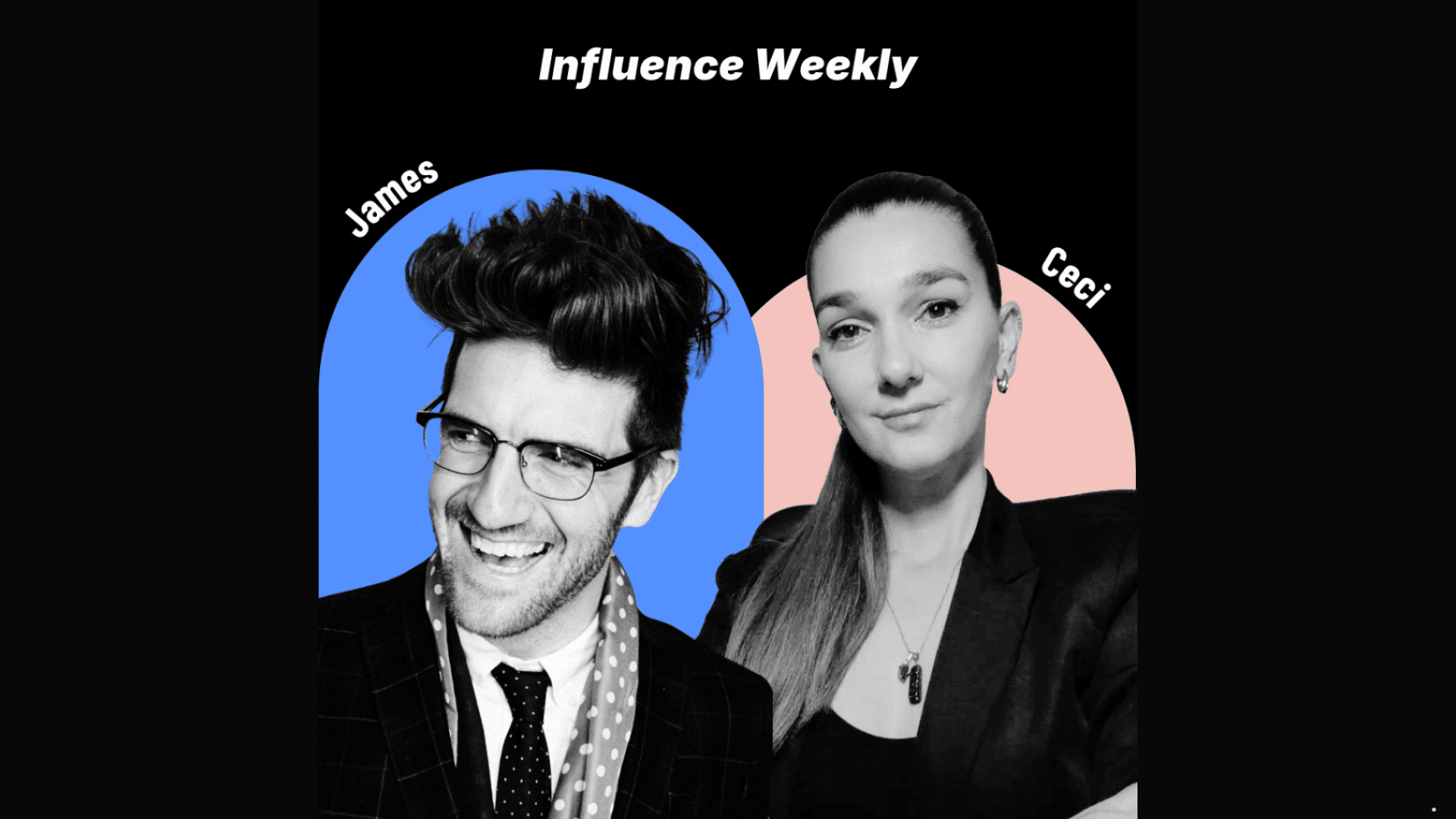
James sat down with Net Influencer Senior Editor Ceci Carloni to explain the probability models behind Fohr’s predictive campaign system, why he believes creative has almost no impact on how many people see a post, and what he expects changes for brands when the uncertainty disappears.
The conversation covered creator selection, views-per-dollar measurement, the limits of AI influencers and what James would change first if he were sitting in a CMO seat today.
1. Fohr Offers a Performance Guarantee Before a Campaign Launches
The system’s central claim is a floor, not a precise forecast.
“We can guarantee we’re going to get at least six and a half million views inside of your demographic,” James said. The range above that floor remains open, but James argues brands enter a campaign with a number they can plan against.
The pitch to CFOs and CMOs is straightforward. “What it used to be is, we might get five million views, we might get thirty million views. We have no idea,” James said. Fohr’s model, he says, lets clients build influencer performance into their broader advertising stack before a campaign launches. “It is turning influencer into a more predictable ad buy,” he said, “and that is what CFOs and CMOs want.”
2. The Math Comes From Hedge Funds, Not Marketing
James didn’t look at other influencer platforms when designing the predictive system. He looked at financial markets.
“I started to look at some of the mathematical models that hedge funds specifically have used to price in risk and randomness,” James said. The parallel he draws is structural: any brand can work with any creator, just as anyone can buy any stock. The question he wanted to answer was how to increase the odds of a return.
Social media, James argues, is probabilistic. Fohr spent years adapting hedge fund equations to creator behavior, building models for what each influencer’s next post will deliver, then simulating how a full campaign roster performs together. “We are applying the rigor and mathematical might of how people trade in financial services to the influencer space,” he said.
3. James’s Case That Creative Doesn’t Control How Many People See Your Post
Many brands treat the creative as the engine of reach. James argues the data doesn’t support that framing, and he points to one example in particular.
He describes an account on social media that posted the same cat video for 170 consecutive days with the same caption every time. The worst day drew 1,700 views; the best drew 20 million. The engagement rate was identical on both, at seven percent. James draws a conclusion from that pattern. “We have almost no control over how many people are seeing a post,” he said. “Creative just doesn’t have that much of an impact.”
His argument: distribution is a math problem; persuasion is not. “The question of how many people are going to see a message has very little to do with the message,” James said.
Where he says brands go wrong is conflating the two. “Brands are probably spending eighty percent on the art side and twenty percent on the science,” James said. “I think in many ways that should be flipped.”
4. Creator Selection Becomes a Portfolio Allocation
Prediction changed how Fohr builds rosters. James argues the individual creator is no longer the right unit of analysis.
Before the predictive system, he says a $100,000 budget was typically split evenly: ten creators at $10,000 each. Fohr now maps which creators account for which projected share of total campaign views, then allocates budget against those shares. A creator projected to drive 20 percent of total views earns a larger allocation; creators projected at one percent get less.
“We no longer are looking at a single creator as an island,” James said.
The metric he favors is views per dollar. A creator earning $20,000 for 100,000 views outperformed on raw numbers but underperformed on efficiency compared to a creator earning $5,000 for 80,000 views, in his framing. “A lot of people would say creator A did better,” James said. “But actually, they did worse.” His principle: “You can only have a creator that performs well at a certain price. You can’t separate price and performance.”
5. With a Guarantee in Place, James Says Brands Take Bigger Bets
James says the clearest behavior change he has observed is in how clients approach celebrity partnerships.
Single posts from high-profile creators can now run above $100,000. A price that previously ended deals can now, James says, be evaluated against a projected views-per-dollar return. “We are able to boil that down to a views-per-dollar number and say, actually, this is a really efficient way to spend your money,” he said. Clients, he says, are approving partnerships they previously passed on as too large to justify on instinct.
The same dynamic applies to creative ambition, in his view. “People end up watering themselves down so much out of doubt,” James said. A performance guarantee, he argues, removes the incentive to hedge, copy a competitor or produce content designed to offend no one.
6. The Guarantee Puts Fohr’s Fee at Risk
The performance floor is contractual, James says.
“If we don’t beat the performance of your last campaign, you do not pay our fee,” he said, adding that the condition is stated on Fohr’s website.
James reports the system has been wrong, but only in the direction of underestimating. He attributes accuracy at the campaign level to the law of large numbers: individual creators may fall short of their projected target, but across a full roster, variance averages out. “Our ability to predict increases as the number of people we’re working with increases,” he said.
7. The Brands James Says Are Winning Aren’t Asking Data for Permission
James separates brands by the question they bring to measurement. One group uses data to argue internally that Influencer Marketing is legitimate. The other uses data to find ways to spend more on it.
“If a spreadsheet is where you go to get confidence, then I don’t think you really believe in it,” he said. He cites SKIMS as an example of a brand in the second group, though he offers no data to support the comparison.
His advice to CMOs: build a portfolio, not a roster of individual stars. “Start thinking of them as a team and build a great team,” James said. “Stop focusing on finding great individual players.” Whether Fohr’s predictive model changes how broadly that advice gets followed is the question the company is now testing. “I want to build infrastructure that allows brands to spend more money with more confidence and get more return than anywhere else on the internet.”
Listen to the full conversation on “The Big Three” podcast.
Dragomir is a Serbian freelance blog writer and translator. He is passionate about covering insightful stories and exploring topics such as influencer marketing, the creator economy, technology, business, and cyber fraud.
















James Nord wants to take the guesswork out of Influencer Marketing. Fohr, the platform he founded in 2012, now offers brands a guaranteed view floor before anyone posts.
James sat down with Net Influencer Senior Editor Ceci Carloni to explain the probability models behind Fohr’s predictive campaign system, why he believes creative has almost no impact on how many people see a post, and what he expects changes for brands when the uncertainty disappears.
The conversation covered creator selection, views-per-dollar measurement, the limits of AI influencers and what James would change first if he were sitting in a CMO seat today.
1. Fohr Offers a Performance Guarantee Before a Campaign Launches
The system’s central claim is a floor, not a precise forecast.
“We can guarantee we’re going to get at least six and a half million views inside of your demographic,” James said. The range above that floor remains open, but James argues brands enter a campaign with a number they can plan against.
The pitch to CFOs and CMOs is straightforward. “What it used to be is, we might get five million views, we might get thirty million views. We have no idea,” James said. Fohr’s model, he says, lets clients build influencer performance into their broader advertising stack before a campaign launches. “It is turning influencer into a more predictable ad buy,” he said, “and that is what CFOs and CMOs want.”
2. The Math Comes From Hedge Funds, Not Marketing
James didn’t look at other influencer platforms when designing the predictive system. He looked at financial markets.
“I started to look at some of the mathematical models that hedge funds specifically have used to price in risk and randomness,” James said. The parallel he draws is structural: any brand can work with any creator, just as anyone can buy any stock. The question he wanted to answer was how to increase the odds of a return.
Social media, James argues, is probabilistic. Fohr spent years adapting hedge fund equations to creator behavior, building models for what each influencer’s next post will deliver, then simulating how a full campaign roster performs together. “We are applying the rigor and mathematical might of how people trade in financial services to the influencer space,” he said.
3. James’s Case That Creative Doesn’t Control How Many People See Your Post
Many brands treat the creative as the engine of reach. James argues the data doesn’t support that framing, and he points to one example in particular.
He describes an account on social media that posted the same cat video for 170 consecutive days with the same caption every time. The worst day drew 1,700 views; the best drew 20 million. The engagement rate was identical on both, at seven percent. James draws a conclusion from that pattern. “We have almost no control over how many people are seeing a post,” he said. “Creative just doesn’t have that much of an impact.”
His argument: distribution is a math problem; persuasion is not. “The question of how many people are going to see a message has very little to do with the message,” James said.
Where he says brands go wrong is conflating the two. “Brands are probably spending eighty percent on the art side and twenty percent on the science,” James said. “I think in many ways that should be flipped.”
4. Creator Selection Becomes a Portfolio Allocation
Prediction changed how Fohr builds rosters. James argues the individual creator is no longer the right unit of analysis.
Before the predictive system, he says a $100,000 budget was typically split evenly: ten creators at $10,000 each. Fohr now maps which creators account for which projected share of total campaign views, then allocates budget against those shares. A creator projected to drive 20 percent of total views earns a larger allocation; creators projected at one percent get less.
“We no longer are looking at a single creator as an island,” James said.
The metric he favors is views per dollar. A creator earning $20,000 for 100,000 views outperformed on raw numbers but underperformed on efficiency compared to a creator earning $5,000 for 80,000 views, in his framing. “A lot of people would say creator A did better,” James said. “But actually, they did worse.” His principle: “You can only have a creator that performs well at a certain price. You can’t separate price and performance.”
5. With a Guarantee in Place, James Says Brands Take Bigger Bets
James says the clearest behavior change he has observed is in how clients approach celebrity partnerships.
Single posts from high-profile creators can now run above $100,000. A price that previously ended deals can now, James says, be evaluated against a projected views-per-dollar return. “We are able to boil that down to a views-per-dollar number and say, actually, this is a really efficient way to spend your money,” he said. Clients, he says, are approving partnerships they previously passed on as too large to justify on instinct.
The same dynamic applies to creative ambition, in his view. “People end up watering themselves down so much out of doubt,” James said. A performance guarantee, he argues, removes the incentive to hedge, copy a competitor or produce content designed to offend no one.
6. The Guarantee Puts Fohr’s Fee at Risk
The performance floor is contractual, James says.
“If we don’t beat the performance of your last campaign, you do not pay our fee,” he said, adding that the condition is stated on Fohr’s website.
James reports the system has been wrong, but only in the direction of underestimating. He attributes accuracy at the campaign level to the law of large numbers: individual creators may fall short of their projected target, but across a full roster, variance averages out. “Our ability to predict increases as the number of people we’re working with increases,” he said.
7. The Brands James Says Are Winning Aren’t Asking Data for Permission
James separates brands by the question they bring to measurement. One group uses data to argue internally that Influencer Marketing is legitimate. The other uses data to find ways to spend more on it.
“If a spreadsheet is where you go to get confidence, then I don’t think you really believe in it,” he said. He cites SKIMS as an example of a brand in the second group, though he offers no data to support the comparison.
His advice to CMOs: build a portfolio, not a roster of individual stars. “Start thinking of them as a team and build a great team,” James said. “Stop focusing on finding great individual players.” Whether Fohr’s predictive model changes how broadly that advice gets followed is the question the company is now testing. “I want to build infrastructure that allows brands to spend more money with more confidence and get more return than anywhere else on the internet.”
Listen to the full conversation on “The Big Three” podcast.
Subscribe to Our Newsletter
Check Out Our Podcast