New Zealand Prime Minister Christopher Luxon unveiled legislation on August 24 that would ban children younger than 16 from using social media platforms, making New Zealand the latest country to pursue such a measure since Australia enacted the world’s first under-16s ban in December 2025, per ABC News.
“We simply cannot accept the harm being done to a generation of New Zealand children,” Luxon said in a statement, citing 2025 research showing a third of New Zealand teenagers spent at least five hours a day on social media. “Social media is exposing them to harmful content, addictive technology and pressures they are not equipped to deal with, and it’s affecting their family life, mental health, sleep, and education.”
Under the proposed law, platforms including Instagram, TikTok, Snapchat and Facebook could be fined up to 10% of their global revenue for failing to take “reasonable steps” to verify that users are older than 16, through methods that could include existing account information, facial age estimation, digital ID services and formal ID, according to material supplied by Luxon’s party. As in Australia, neither parents nor children would be penalized under the bill. New Zealand’s percentage-of-revenue penalty structure differs from Australia’s flat maximum fine of $99 million. Messaging platforms such as WhatsApp, gaming platforms like Roblox and productivity-focused AI apps including ChatGPT, Gemini and Copilot are excluded from both countries’ rules.
The proposal arrives as platforms’ compliance with Australia’s ban faces fresh scrutiny. Meta has said it removed more than 756,000 accounts it suspected belonged to Australians under 16 since the ban took effect. Australia’s internet regulator, eSafety, is weighing an enforcement lawsuit against platforms it says have not done enough to comply, and representatives from Meta, TikTok, Google and Snap were scheduled to testify at a parliamentary inquiry into the ban this month. Despite the takedowns, government figures and independent studies have found more than eight in 10 Australian under-16s were still on social media during the ban’s first three months, prompting lawmakers to double the maximum penalty for platform non-compliance and expand regulators’ document discovery powers.
New Zealand’s governing coalition is split on the measure. Both of Luxon’s coalition partners, ACT and NZ First, remain opposed to the law. On August 25, opposition Labour leader Chris Hipkins said his party would support the bill through its first reading, while seeking changes during the select committee process. Luxon said there will not be enough time for a vote before Parliament dissolves on October 1 ahead of November’s general election, meaning the proposal’s fate rests with the outcome of that vote. Since Australia’s ban took effect, Canada, Brazil and Indonesia have also enacted bans, while other countries continue to study similar measures.
Critics have raised concerns about the approach. Hannah Storey, Head of Children and Young People’s Digital Rights at Amnesty International, said bans “rely on age verification measures, which raise significant privacy concerns, while doing nothing to address the underlying design choices that make many platforms addictive.”
Dragomir is a Serbian freelance blog writer and translator. He is passionate about covering insightful stories and exploring topics such as influencer marketing, the creator economy, technology, business, and cyber fraud.



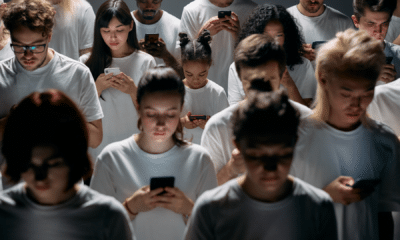












New Zealand Prime Minister Christopher Luxon unveiled legislation on August 24 that would ban children younger than 16 from using social media platforms, making New Zealand the latest country to pursue such a measure since Australia enacted the world’s first under-16s ban in December 2025, per ABC News.
“We simply cannot accept the harm being done to a generation of New Zealand children,” Luxon said in a statement, citing 2025 research showing a third of New Zealand teenagers spent at least five hours a day on social media. “Social media is exposing them to harmful content, addictive technology and pressures they are not equipped to deal with, and it’s affecting their family life, mental health, sleep, and education.”
Under the proposed law, platforms including Instagram, TikTok, Snapchat and Facebook could be fined up to 10% of their global revenue for failing to take “reasonable steps” to verify that users are older than 16, through methods that could include existing account information, facial age estimation, digital ID services and formal ID, according to material supplied by Luxon’s party. As in Australia, neither parents nor children would be penalized under the bill. New Zealand’s percentage-of-revenue penalty structure differs from Australia’s flat maximum fine of $99 million. Messaging platforms such as WhatsApp, gaming platforms like Roblox and productivity-focused AI apps including ChatGPT, Gemini and Copilot are excluded from both countries’ rules.
The proposal arrives as platforms’ compliance with Australia’s ban faces fresh scrutiny. Meta has said it removed more than 756,000 accounts it suspected belonged to Australians under 16 since the ban took effect. Australia’s internet regulator, eSafety, is weighing an enforcement lawsuit against platforms it says have not done enough to comply, and representatives from Meta, TikTok, Google and Snap were scheduled to testify at a parliamentary inquiry into the ban this month. Despite the takedowns, government figures and independent studies have found more than eight in 10 Australian under-16s were still on social media during the ban’s first three months, prompting lawmakers to double the maximum penalty for platform non-compliance and expand regulators’ document discovery powers.
New Zealand’s governing coalition is split on the measure. Both of Luxon’s coalition partners, ACT and NZ First, remain opposed to the law. On August 25, opposition Labour leader Chris Hipkins said his party would support the bill through its first reading, while seeking changes during the select committee process. Luxon said there will not be enough time for a vote before Parliament dissolves on October 1 ahead of November’s general election, meaning the proposal’s fate rests with the outcome of that vote. Since Australia’s ban took effect, Canada, Brazil and Indonesia have also enacted bans, while other countries continue to study similar measures.
Critics have raised concerns about the approach. Hannah Storey, Head of Children and Young People’s Digital Rights at Amnesty International, said bans “rely on age verification measures, which raise significant privacy concerns, while doing nothing to address the underlying design choices that make many platforms addictive.”
Subscribe to Our Newsletter
Check Out Our Podcast