





Influencer
Former Google, Meta Marketer Mitchie Nguyen on Building a Creator Career Around ‘Soft Ambition’

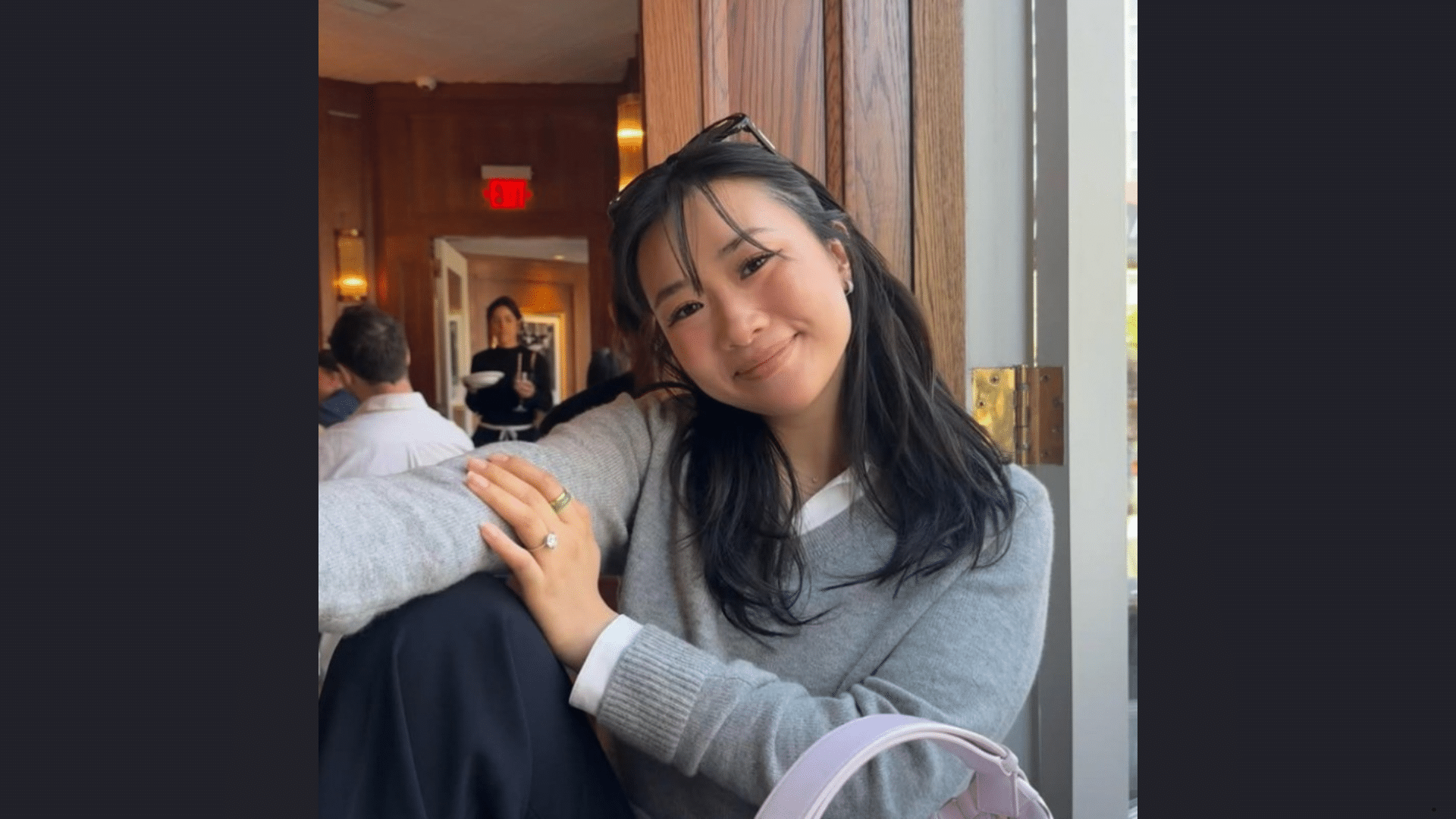
Mitchie Nguyen (@_misomelon) holds two jobs simultaneously. As a Senior Product Marketing Manager, she works on the strategies behind launching creator products. As a creator, she has spent the last four years constructing a following around what she calls “soft ambition,” a framework for working hard without letting work consume everything outside of it. The New York-based creator, who previously held roles at Meta, Google, and LinkedIn, describes her audience as ambitious women who want demanding careers and full lives running in parallel.
“I want to work hard, I want to build my dream life, but I don’t like that constant backdrop of stress, anxiety, and burnout as proof that I’m doing enough or working hard enough,” she says. Her content, across TikTok and Instagram, moves between career transitions, personal finance, and daily vlogs, and the through line is always the same tension: a woman who cares deeply about her work and refuses to let it define the limits of her life.
Mitchie’s identity, not any specific content category, is what brands are actually buying.
The Video That Built an Identity
Before 2022, Mitchie had no public creator presence on social media. Having logged years in tech without pause or creative outlet, she turned to TikTok in 2022 as a release valve. “I never thought anyone would find a girl who works interesting,” she says. The influencer model she knew was built around full-time lifestyle or fashion personalities; someone in product marketing didn’t fit the template.
A jobs-and-pay video, in which she describes her previous jobs, changed that. The questions that flooded in were specific: how had she prepared for internships, what had she done in college, what should someone at an earlier stage actually do? “I started to form this identity around the corporate girly,” she says. Personal finance content followed, then lifestyle vlogs. The subject matter kept shifting, but the identity didn’t.
TikTok for Testing, Instagram for Community
Mitchie posts on both TikTok and Instagram, but the platforms serve distinct purposes. TikTok is where she experiments. “I just have a thought that strikes me, and I turn on the TikTok camera, and I just talk,” she says. If a video connects there, she decides whether to repackage it for Instagram or move it over as is. If it doesn’t, the test ends.
Instagram is the community layer. “It’s easier to have conversations in the comments sections,” she says. “It’s easier for them to DM me really specific questions.” She uses Story Q&A boxes regularly, asking her audience what’s on their mind and responding at length. The questions are rarely general: they’re workplace situations, upcoming interviews, questions about how she manages both sides of her life without either suffering. Her “comment for a link” automation extends the same logic.
Her vlogs don’t center on outfits, but viewers notice what she’s wearing and want links. Automating those responses gives her community what they need without redirecting the content toward it.
The Strategy Begins Before the Deal
Mitchie’s approach to brand partnerships starts before any deal is proposed. She calls it “flirting”: sharing products she genuinely uses and loves, without payment, before any commercial conversation begins.
“If I love a brand, I’m very open about sharing it with my audience,” she says. “It means that my audience knows that I’m not just sharing a product recommendation if I get paid, which is what strengthens the trust in the recommendation.” When those brands eventually want a paid partnership, Mitchie notes that the integration lands differently. “My community is really excited for me,” she says. “They’re like, ‘Oh, my gosh, she’s working with this brand. You’ve been talking about them forever.’”
The approach runs against a common creator instinct. Many creators, Mitchie acknowledges, withhold organic mentions because they don’t want to give free advertising. She finds that math wrong. “The highest paying deal promoting somebody else’s brand can also be the most expensive to your brand,” she says, “if it teaches your audience not to trust you.”
Her filter for any deal is whether she can genuinely see the product in her own life, and by extension, in the life of the woman who follows her. Brands with exact scripts she knows won’t perform get declined. “I’m not shy about walking away,” she says.
Engagement as Feedback, Not a Verdict
When her videos underperform, Mitchie’s first question is about her audience. “I don’t automatically blame the algorithm,” she says. “My first thought is, ‘My audience didn’t resonate with it. What can I do?’”
She knows her community doesn’t follow her for fashion and that a standalone outfit video may underperform. “Instead of saying the algorithm is changing, or ‘I’m in my flop era,’” she says, “I use that as a signal of what does resonate with my audience.”
The through line she returns to is the tension between ambition and building a life that doesn’t shrink around it. A 30-second video from a morning she ran ten minutes late illustrated the principle. She filmed herself reaching for dry shampoo before running out the door and posted it. It went viral. The product was incidental and the moment was the content.
‘You Can Truly Do It All’
Mitchie’s priority is longer-term brand partnerships over single activations. Her reasoning tracks back to the same principle as her “flirting” strategy: trust is accumulated slowly and lost quickly, and in a Creator Economy where sponsored content has become noise, sustained partnership signals genuine belief in a way a one-off post cannot.
On AI tools, she sees efficiency gains but thinks the increased volume of content raises the stakes for something tools cannot supply. “It puts more pressure on creators to have a really ownable identity, perspective and opinion,” she says. She is specific about what building that identity actually requires: “it takes a lot of knowing yourself and knowing your audience and doing the magic yourself to connect the two.” That, in her view, is not a process that systematizes.
Mitchie’s measure of success is the same one she hears back from her community most often: proof that a demanding career, a full personal life, and a creative practice can coexist without any of the three consuming the others.
“You can truly do it all,” she concludes. “And it doesn’t have to be on the backdrop of sacrifice. It’s really just about balance.”
Subscribe to Our Newsletter
Check Out Our Podcast