



Influencer
Owin Pierson on Building a Creator Business Where Relationships, Identity, and Usage Rights Drive Growth

Before Owin Pierson had management, before he had a rate card, he sent a DM to a marketing director at the Hilton Hawaiian Village. The response turned into an in-person meeting; that meeting produced work with Hilton London, and the London campaign opened more Hilton doors. A decade later, the operating logic of his career remains the same: relationship first, platform metrics second.
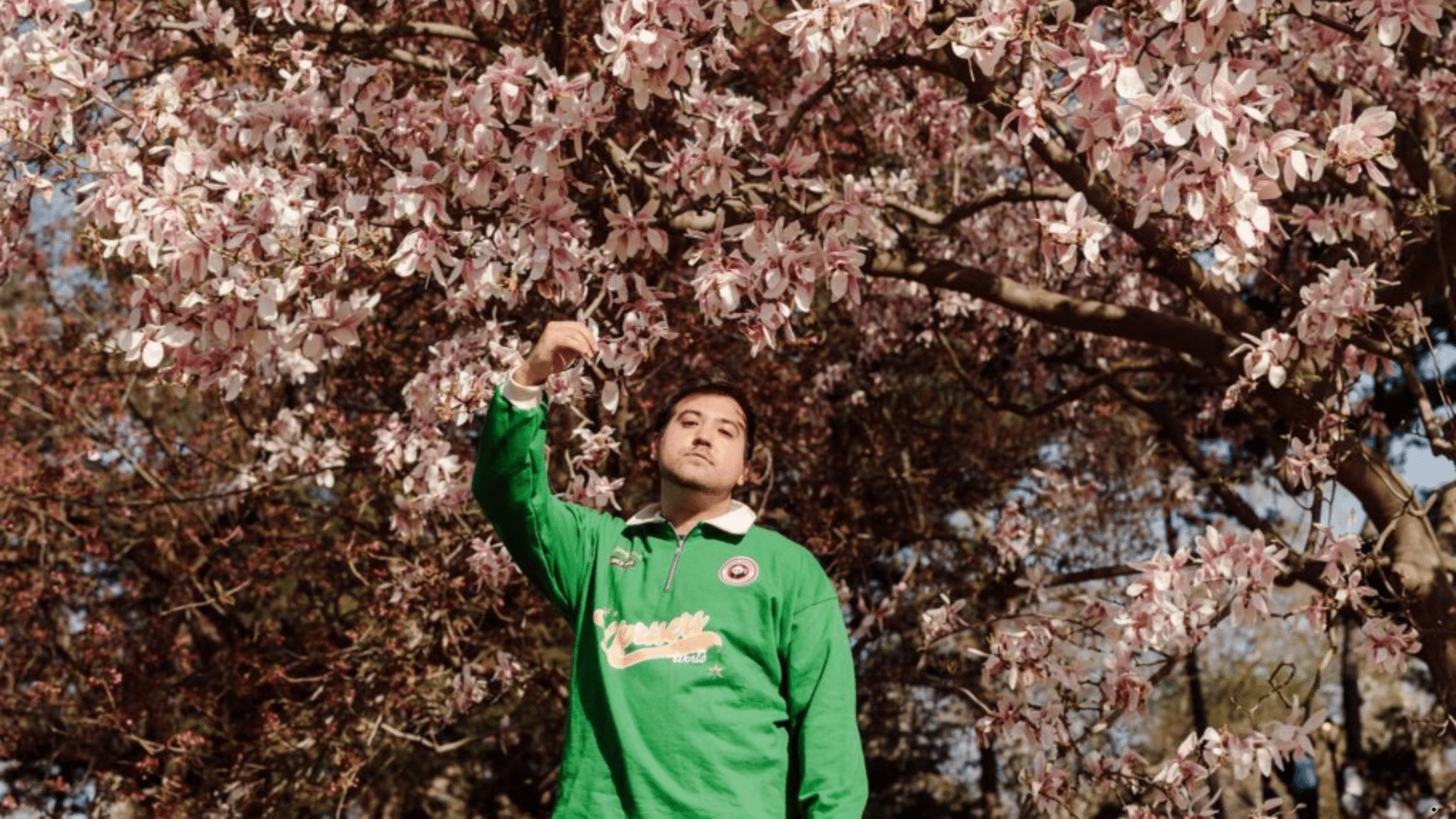
Owin is a queer, Japanese-American content creator and mental health advocate. Since 2016, he has produced content across Instagram, TikTok, YouTube, and Facebook about LGBTQ+ visibility, mental health, and travel. He has been featured in Forbes and ADWEEK, appeared on a Times Square billboard as part of GLAAD and OutFront Media’s “15 Seconds of Fabulous” campaign, and is now represented by Odyssey Entertainment Group. His brand portfolio includes KLM, Hilton, Harry’s, and an upcoming collaboration with the Japanese government.
“When I first started doing this, there were not as many influencers,” Owin says. “You had to be really good at telling your story in long form, video, or on pictures.”
He came to social media through photography and a psychology and education degree from George Mason University. What turned content production into a career was sustained in-person relationship-building across hotel lobbies, travel conferences, and industry events, as the industry itself was still figuring out what a creator business could be.
The Coming-Out Video That Reset the Content
Owin started posting on Instagram after a semester in Ecuador, where he photographed a study-abroad group and found that people wanted to see more. As his following grew, viewers began asking who was behind the camera.
In 2017, he came out publicly and shared his story. “I pivoted into doing more personal content about who I am as a person and my identity,” he says. “Not just my sexual orientation, but my ethnicity, how I see myself, and my mental health.” The post went viral. A career built on travel photography became an ongoing first-person account of moving through the world as a queer, Asian American person.
COVID removed the travel but deepened the mental health content. Without new destinations to post from, Owin turned to documenting his own experience of the pandemic. The resonance was recognized by the platform itself. “I really stepped into the limelight on social media, specifically Instagram, [Meta],” he says. “And they kind of helped support me more too, which made me go viral again.”
In a DM Economy, He Kept Showing Up in Rooms
Before signing with Odyssey Entertainment Group, Owin networked his way to brand deals by physically attending travel conferences and following up with the kind of persistence that agents typically supply. “Social media is a very lonely job if you don’t have the people to connect to in person,” he says.
At the 2024 IGLTA Annual Global Convention, an international LGBTQ+ travel conference, he met the WorldPride DC team in person. That introduction was a major networking opportunity, leading to other brand deals. “I was able to meet and talk to their team in person. And that introduction and meeting led to other brand deals for me.”
The process is methodical: conference introduction, email follow-ups, Zoom meetings, then a tiered rate structure pitched to the brand’s specific budget. Two reels, three reels, one reel, each priced accordingly.
The Fee Is the Floor, Not the Ceiling
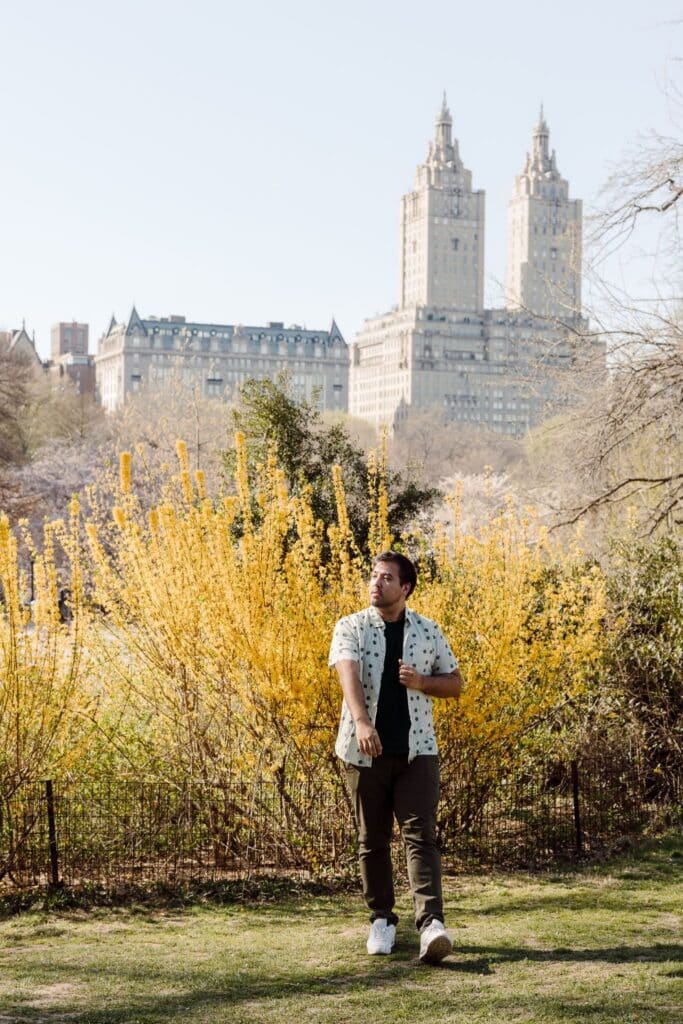
Owin identifies whitelisting and paid usage rights as where his real revenue accumulates, above the flat sponsorship fee that most creators treat as the benchmark.
Recent campaigns illustrate the pattern. After he moved to a new apartment and documented it, Hestan Culinary, a brand whose cookware appears in Michelin-starred kitchens, sent over $3,000 worth of product. He made one video. “Afterwards, they wanted to use that video for paid usage,” he says. “So then we were able to get money from that.”
A trade collaboration with Revival, a sustainable rug company, and a Trojan condoms campaign framed as comedic content addressing safe sex in LGBTQ+ communities both produced the same follow-through. “The major fee for me, compensation for me, was the paid, the whitelisting and the paid usage on top of everything else,” he says.
Affiliate links and commission structures played a larger role earlier in his career. The current model treats the flat fee as a starting line.
More Than a Label, and That Is the Business Case
The audience Owin has built is not, he argues, primarily there for travel content. “My main audience is definitely the young adult entrepreneur or like-minded people who either feel like they have more purpose in life or they feel like they want to get more out of their life,” he says. “The root of my content is about mental health.”
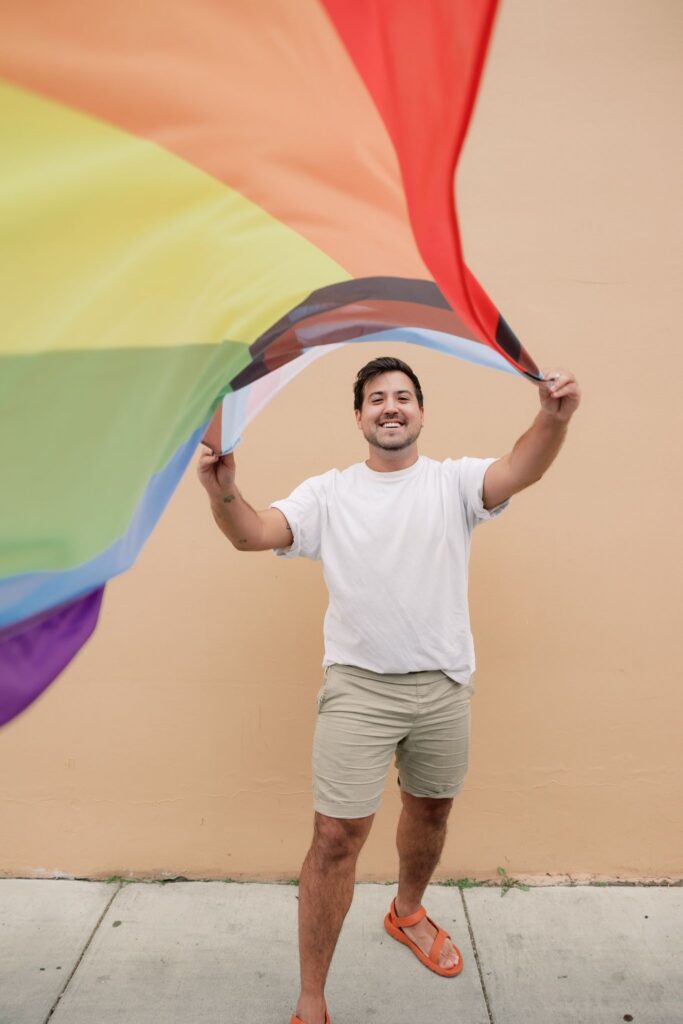
When he travels, he evaluates destinations in real time for whether they feel genuinely safe and diverse for queer people and BIPOC communities, and shares that assessment publicly. That transparency, he argues, creates trust that follower counts do not capture.
A few years ago, a brand offered a deal with one condition: drop the LGBTQ+ angle and post generic travel content. “I didn’t actually do the brand deal for that one,” he says. But the reasoning he offers is not purely principled. He describes his content pillars (mental health, identity, lifestyle, and travel) as both personally accurate and commercially flexible. “It’s because I’m willing to work with different structures that brands bring to me,” he says. “Because I think that makes it more multifaceted. It’s not just a one-trick pony.”
A Hundred Pitches, Three Deals
Earlier this year, Owin and his team had pitched roughly 100 brands in a single month. Ten responded. Three became deals.
Followers offered encouragement. Fellow creators offered a different calibration. “Actually, that’s so good,” he recalls them saying. “I haven’t gotten any brand deals. It’s hard for all of us.” The transparency is consistent with how he applies the mental health framework he built his brand on to the business itself. “For mental health, it’s a journey,” he says. “It’s not this straight line; it’s a roller coaster. It’s just about being honest with where you’re at.”
He advocates for income structures that do not depend entirely on brand deals. Consulting, investing, and building skills that translate outside social media are all options he names. “As content creators, we’re able to be the creative directors of our lives, and we’re able to work in more spaces than just social media because of our ability to wear many hats,” he says.
A Story That Outgrew the Feed
Owin’s self-help book is in development. He has largely resolved the memoir question by deciding his social media catalog already functions as one. A physical book, in his framing, serves a different purpose: “It’s going to be a good way to support people and legitimize me when I’m entering spaces in person to have a physical thing that I can share and give to people.”
A collaboration with the Japanese government is coming later this year, a professional trip sourced through an industry relationship rather than a cold brief. This week, between work commitments in Amsterdam and Chicago, he traveled to Belgium, not for a brand, but to walk the streets, slow down, and write.
The creator who photographed a study-abroad group in Ecuador, came out on camera in Los Angeles in 2017, and built a community through a pandemic is still running the same calculation: how to be visible and useful to communities that do not have another version of him to look to.
“I know I’m going to continue my story,” he says. “And that’s why I have grown to the success I have: because I do continue sharing.”
Photo source: Owin Pierson
Subscribe to Our Newsletter
Check Out Our Podcast