As creator marketing matures, the boundary between organic creator strategy and paid media execution is becoming harder to maintain. Formats such as Meta Partnership Ads and TikTok Spark Ads require coordination across teams that have often operated with different goals, tools, and reporting structures.
Yet, in many organizations, Influencer Marketing teams still focus on relationships, content, and engagement, while paid teams are measured on conversion, scale, and return. That separation can complicate everything from briefing and rights management to asset delivery, amplification, and measurement.
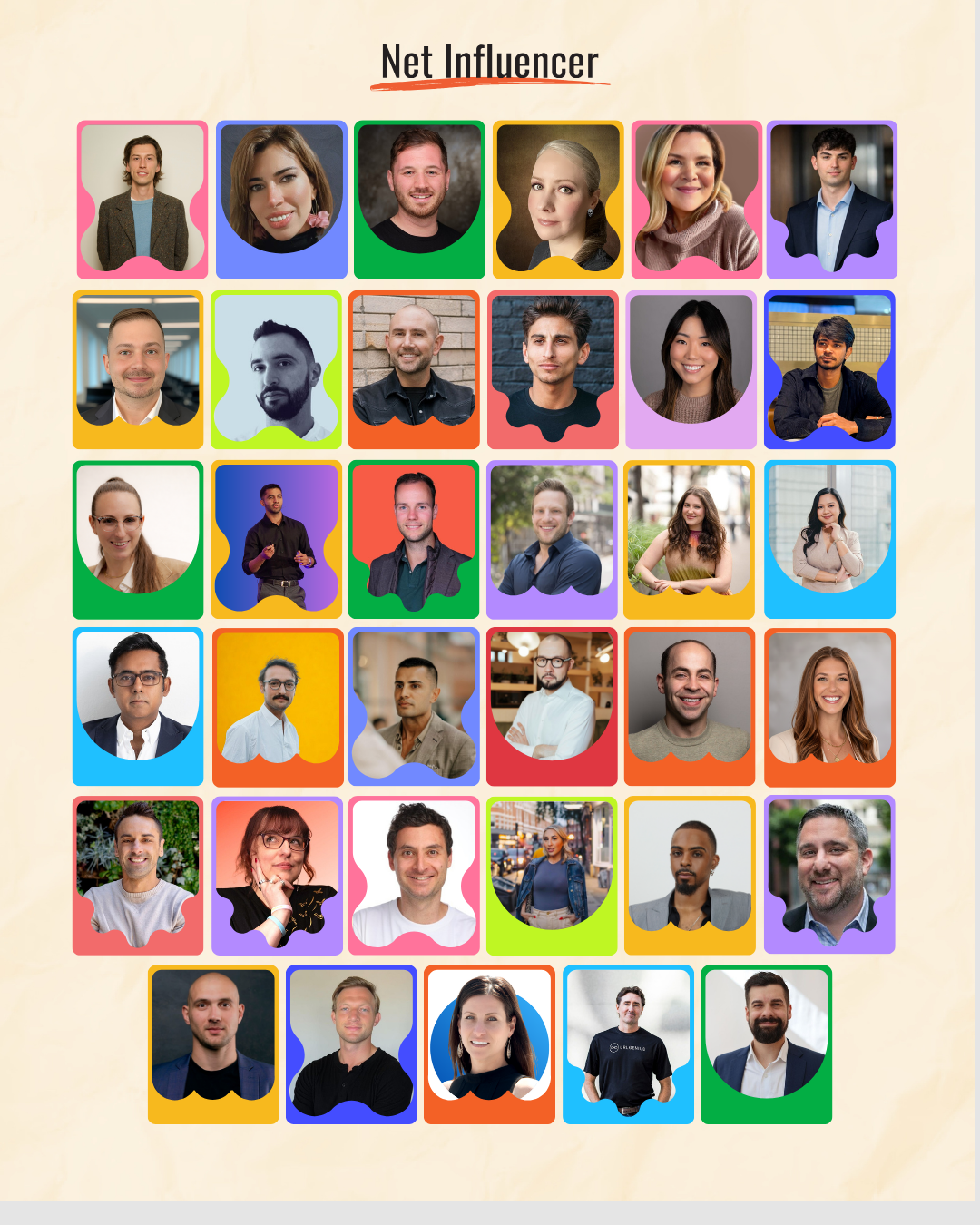
To examine where those disconnects most affect outcomes, this roundtable brings together insights from 35 executives, founders, agency leaders, and creator-industry operators.
Paid teams treat creator content like any other ad unit, they optimize for cost per click, retarget to cold audiences, and swap out captions. Organic teams build the relationship, understand the audience, and care about long-term trust. The two rarely sit in the same room. The scale of this disconnect is real. IAB data shows $16 billion is now spent amplifying creator content through paid, versus $9.6 billion on direct partnerships. The team that never spoke to the creator controls nearly twice the budget. That’s where the damage happens. A piece of content that worked because it felt personal gets served to people who have no context. The trust signal disappears, but nobody tracks it … organic reports engagement, paid reports ROAS, and the actual journey from trust to purchase sits in a blind spot. Honestly, the fix isn’t complicated in theory. One person needs to own both the relationship and the spend. Two separate teams with two separate dashboards will always optimize for their own metrics.
An influencer campaign is a process of synchronization. The agency aligns the brand and secures usage rights, the creator handles storytelling, the paid team resizes, and media scales. When everyone agrees on the rules upfront, it works. But when sequencing slips, performance leaks quietly. The same creative served from a brand handle instead of the creator’s sends a completely different signal to the algorithm. Meta’s own data shows Partnership Ads consistently outperform standard brand ads on both CPA and CTR; and TikTok reports that Spark Ads, where the ad runs from the creator’s account, generate significantly higher engagement than brand-served equivalents. Who posts first, when the Collab invitation is accepted, and which account serves the ad – these aren’t operational details. They are performance variables. The fix is simple: build the sequencing logic into your campaign architecture from day one. Make the data work for you before the first post even goes live.
I believe the biggest damage happens at the briefing stage. When paid and organic teams are not aligned from the beginning, the creator ends up producing content that works for one side but not the other. You get a great organic post that can’t be repurposed for paid, or a paid-optimized asset that feels fake and doesn’t perform organically either. In our experience managing over $60M in YouTube sponsorships, the teams that perform best are the ones where someone owns the full picture. Not necessarily the same person running both, but someone who sits in the middle and makes sure the creator brief, the usage rights, and the performance goals are connected from day one. Who owns fixing it? Transparently, I believe it should be the brand side. Creators are already handling too many things at once, they can’t be expected to bridge internal gaps between teams they don’t even have access to. The brand needs one person or partner that connects paid strategy with creator strategy before the campaign starts, not after the content is live. The breakdown is not a creative problem. It is a workflow problem. And workflow problems are fixed with structure, not with better content.
The biggest damage happens at the briefing stage. When paid teams inherit creator content they had no hand in shaping, they’re optimizing around constraints they didn’t see coming: wrong aspect ratios, no usage rights cleared, a hook that works organically, but dies in the first two seconds of a cold placement. But honestly, the briefing problem is downstream of a budget problem. If creator fees and paid amplification live in separate budgets with separate owners, collaboration becomes a favor rather than a process. Nobody fixes what nobody is accountable for. Ownership probably has to sit with whoever is closest to revenue – performance or growth, depending on the org. They can’t just absorb influencer work; they need to co-design it from the start. The brands getting this right aren’t just sharing tools or Slack channels. They’re writing briefs together before a creator is even selected.
The breakdown most damages outcomes when a single piece of content is forced into a “creative identity crisis”. We ask creators to speak authentically to their loyal community (organic), while simultaneously demanding high-conversion hooks for a cold audience (paid). When one asset is pressured to serve two purposes, it usually fails both. It feels too “salesy” for the feed and too “passive” for the ad account. This approach is a performance liability. To fix it, the campaign owner (or budget holder) must own the strategic alignment. We need to stop hoping for “accidental” hits and start contracting for intent. This means acknowledging that success might require two distinct deliverables: one native to the creator’s voice for organic reach, and a separate UGC-style asset built specifically with paid-media frameworks in mind. Clarity on intent and KPIs, with the budget to support the goals, is the best way to ensure success of a campaign.
The biggest breakdown happens in the handoff between “organic-first” creative and “paid-ready” execution. The creator team delivers great content, but paid needs specific inputs: usage rights, whitelisting access, platform specs, hook variations, clear CTAs, safe zones, and a testing plan. When those aren’t aligned upfront, performance tanks or gets “fixed” with last-minute edits that kill authenticity. Reporting silos make it worse: influencer teams optimize for views and sentiment, paid teams optimize for CPA/ROAS, and nobody owns the combined outcome. Fixing it needs one accountable owner and a shared operating system. Brands should assign a single lead (creator + paid) tied to business KPIs, run one joint brief, one asset matrix, and one measurement plan. Creators aren’t just organic distribution anymore, they’re premium media supply. Treat them that way, and paid becomes a multiplier instead of a liability.
The breakdown happens at vetting, and it damages paid performance before a dollar is spent. Influencer teams vet creators for organic publishing. But the moment paid dollars amplify that content through Partnership Ads or Spark Ads, the risk calculus changes entirely. FTC (Federal Trade Commission) disclosure requirements, competitor exposure, political content, all of it carries different weight at boosted scale. Most vetting frameworks never account for how content will be distributed, only whether it’s publishable. The second failure point is monitoring. Influencer teams own creator relationships; paid teams own the spend. But if a creator controversy surfaces mid-campaign, the paid team is typically last to know and still running the asset. Who owns fixing it? Neither team can do it alone, which is why it stays broken. The fix is structural: a shared intelligence layer that updates in real time and is visible to both sides of the house from brief to boost. The brands getting this right treat creator intelligence as infrastructure, not a pre-launch checkbox.
In most cases, the breakdown happens because there’s no “handoff” at all. The organic team that built the creator relationship and the paid team controlling amplification budget often operate as separate entities with different performance benchmarks. That misalignment kills momentum. Even small discrepancies in how success is measured lead to suboptimal media performance. One leader or team with authority over both strategy and amplification budget should own fixing this problem. The fix requires an institutional and mental shift. Paid and organic teams need unified objectives around making creator content perform. That means understanding context: a limited-time product offer needs immediate attribution, but shifting brand perception or building trust benefits from sustained investment with a creator across multiple integrations. Paid teams evaluating long-term creator partnerships with short-term performance benchmarks will underinvest at exactly the wrong moment. It’s like taking water off the stove before it reaches a boiling temperature because it didn’t boil as fast as you wanted it to.
Creator programs fail when organic and paid operate on separate scorecards. It’s that simple. Organic teams chase engagement, paid teams chase conversions, and the creator sits in the middle trying to serve two briefs that weren’t designed to work together. Combining organic and paid channels can amplify the benefit of both channels and drive much stronger outcomes than each channel as a silo. The damage shows up in efficiency: brands spending paid budget to scale content that wasn’t stress-tested for resonance. What should be a compounding system becomes two separate line items with no connection. Ownership has to sit at the leadership level, with a structural decision about how these teams are measured together. Leaders need to collapse the funnel: shared KPIs, shared creative briefings, and a single view of what organic content earns the right to be paid behind. Treat organic as the qualifying round: content earns paid support based on what it proves, not what it promises.
The breakdown happens before anyone launches anything. It is when influencer and paid media treat the creator relationship like two separate projects, with two different definitions of success. Organic is chasing engagement and trust, paid is chasing scale and performance, and the creator is stuck in the middle without a clear north star. If you do not align from day one on what the partnership is meant to do, you end up with content that performs but cannot scale, or ads that scale but do not feel credible. The fix is structural: one brief, one strategy, and one set of compensation rules that everyone agrees to upfront, including the creator. Then you need one person who owns the full outcome across organic and paid, not just their slice of it, and runs one weekly check-in against the same scorecard.
The breakdown happens earliest at the measurement layer and it cascades from there. When paid and influencer teams operate on misaligned KPIs, formats like Partnership Ads and Spark Ads become friction points rather than force multipliers. Paid media naturally optimizes for the asset. But the creator is the targeting signal. Their audience affinity, credibility, and recognizability represent intelligence that brands spend months modeling toward independently. That value is already in the room. Paid teams often receive content with no context on why it performed – was it the creator’s delivery, their audience’s behavior, the framing? Without that qualitative layer, optimization is partial at best. And when creative over-optimizes without creator input, it risks eroding the authenticity that drove performance. However, when team collaboration is mandated rather than left to goodwill, results follow. The brands closing this gap now will carry a structural advantage as creator-led paid formats scale, but that window won’t stay open indefinitely.
The biggest breakdown happens after the content is created. Organic teams think their job is done once the post goes live, and paid teams treat that same content like any other asset. That gap is where performance is lost. Creator content is not just another creative. It has context, tone, and audience intent built into it. When paid teams don’t understand that, they optimize it like a banner ad and it loses its edge. On the other side, if organic teams don’t plan for amplification from the start, the content is not built to scale. Fixing this cannot sit with one team. It has to be owned at a planning level. The brief itself needs to combine both organic and paid thinking. The brands that are getting this right are the ones where creator strategy, content, and media are planned as one system, not separate workflows.
The biggest breakdown between paid and creator teams happens when creators are treated as an upper-funnel awareness play, while paid teams are measured on performance. When those goals aren’t aligned from the start, you end up with beautiful content that was never built to scale – or performance campaigns that strip away what made the content authentic in the first place. Formats like Partnership Ads and Spark Ads require integration at the briefing stage, not after the post goes live. Paid teams should influence hooks, structure, and CTAs early on, while creator teams protect authenticity and audience trust. Fixing it isn’t about choosing one owner – it’s about shared accountability. Performance outcomes should be a joint KPI. When paid and creator teams plan together, test together, and optimize together, creator content stops being “Influencer Marketing” and starts becoming a true growth channel.
The biggest breakdown happens at the point of content selection and feedback loops. Influencer teams optimize for brand fit and delivery. Paid teams optimize for performance. No one owns the bridge between “this looks good” and “this actually scales.” So high-potential creator content never gets tested properly, and top-performing ads rarely feed back into creator briefs. Fixing it shouldn’t sit fully with either team. It needs a shared owner or system focused on creative performance. Someone responsible for identifying winning content, feeding insights back to creators, and aligning briefs with what converts. The brands that win here treat creators as an extension of their paid media engine, not a separate channel.
The breakdown usually happens at the handoff between storytelling and distribution. Influencer teams focus on relationships and creative authenticity, while paid teams focus on performance and optimization. When those functions operate in isolation, creator content is either treated like a one-off post or stripped of its native voice once it enters paid media. Both hurt performance. The damage shows up in three places: creators being brought in too late to shape the concept, paid teams receiving assets that were never designed for amplification, and reporting systems that separate organic engagement from paid outcomes. That fragmentation prevents the feedback loop that actually improves creator programs. Fixing it cannot sit with just one team. Creator strategy and paid media need a shared operating model where creators are involved early, content is designed for both organic resonance and paid scale, and performance data flows back into the creative process. The brands that align those functions turn creator content into a true growth engine.
Creator strategy and paid media should remain distinct functions because what performs well organically does not always translate to paid performance. Creators understand their audiences best and should have the freedom to produce content that feels authentic to their voice and community. When paid media requirements dictate the creative before content is even produced, it can limit authenticity and reduce the likelihood of strong organic engagement. The most effective model is collaborative but sequential. Creators should focus on making strong organic content first, and then paid media teams can adapt or edit that content for performance channels like Spark Ads or Partnership Ads. Leadership ultimately owns aligning the teams so they collaborate effectively without constraining each other’s strengths.
The biggest breakdown between paid and organic teams comes down to a lack of shared language. Brands assume creators understand paid media terms, and creators assume brands will handle everything on the backend. In reality, neither side is fully aligned. Creators are often not briefed properly on things like usage, whitelisting, Spark Ads, or how their content will actually be distributed, and paid teams are optimizing performance without fully understanding the creator’s audience or voice. That disconnect shows up in the work. The content either feels too branded and underperforms, or it performs well organically but is never set up to scale through paid. This is not a creator problem or a paid team problem. It is a communication problem.
The damage happens when organic and paid are treated as separate lanes instead of one integrated system. Creator content performs best when it is designed with amplification in mind from the beginning. That means the brief needs to include how the content will be used, what success looks like across both organic and paid, and how feedback will be shared between teams. Fixing it starts with brands. They own the structure, the budget, and the briefing process. But creators also need to meet that moment by understanding the basics of paid media so they can advocate for themselves and contribute strategically. The best outcomes happen when both sides are operating with the same level of awareness and treating the campaign like a shared performance effort, not a handoff.
After more than a decade of running and managing creator campaigns, I’ve seen the same issue surface again and again: influencer and paid media teams operate in silos until the very last stage. The creator team focuses on storytelling and relationships, while the paid media team enters later to optimize performance. By that point, the final content material often won’t be designed for paid amplification, which limits the results brands could have achieved. This, for me, is really an organizational design problem. Influencer Marketing today sits at the intersection of content, media, and community, but many companies still treat it as a standalone channel. The fix is really early integration. The brands getting it right are the ones bringing creator, paid, and brand teams together from the very beginning. When alignment happens early, creator-led media becomes significantly more powerful.
The need for collaboration between creator and paid teams is real, but it also highlights a bigger shift. Creators themselves are starting to take on both roles. Today, most creators are already operating as a one-person business by managing content, audience relationships, and monetization. However, the challenge is they haven’t had the infrastructure to actually make the most of it. What’s emerging now is a model where creators can own their audience and operate more like a complete business, not just driving engagement, but actually seeing what people respond to, reaching them directly, and turning that into revenue. Over time, that reduces the reliance on traditional paid distribution because creators aren’t just feeding the funnel, they’re owning it.
The biggest mistake brands make is assuming every creator post should be boosted. It shouldn’t. The real breakdown happens when influencer teams produce social-first, conversational content designed to live naturally in feeds, and paid teams later try to turn that same content into performance media. Some creator content is meant to spark conversation within communities. Other pieces should be designed from the start to scale through paid. When those decisions aren’t made upfront, brands end up amplifying content that was never built to perform. At Clark, our role is to bridge that gap: aligning creator strategy and paid media from the briefing stage, deciding what content is meant to influence and what content is meant to scale.
First of all, organic teams see what actually works with creators: what tone, format, and message drives real engagement, but that insight rarely gets passed properly to paid teams, who are responsible for scaling results. Instead, paid often builds campaigns from scratch or relies on assumptions. This disconnect leads to wasted budget, missed opportunities to scale winning content, and inconsistent performance. Fixing it isn’t the responsibility of one team over the other, it actually needs to be owned at a higher level. So, leadership must align both sides under shared goals, create clear feedback loops, and ensure that organic testing directly informs paid distribution. Without that structure, even strong creator content won’t reach its full potential.
The problem here begins with disjointed briefs at the start of the campaign. Goals, creatives, KPIs, content promotion structure must be aligned and discussed simultaneously by both organic and paid traffic teams. Each of them must complement the other to act consistently. I see marketing agencies as an intermediary role, which requires them to transform in a new way: serving as a bridge between organic and paid strategies. This new approach ensures a unified strategy and consistent alignment of brand messages with business goals.
At PMG, creator marketing sits at the intersection of content and media. In practice this means that we are building strategies that drive high-impact creator content across organic and paid channels. That starts with a clear, shared understanding of each campaign’s budget and goals. To maintain alignment through execution, our paid teams are involved in every internal and client conversation, giving them full visibility into the creators we’re partnering with and the content we’re producing. This allows them to build paid plans in parallel with creator content workstreams. As content goes live, that cohesion enables seamless handoff and amplification, supported by reporting that tracks campaign performance across channels and surfaces new opportunities to extend top-performing creator content into additional paid channels like CTV (Connected TV) or OOH (Out-of-Home). Ultimately, creators are at the heart of our programs, and our creator teams lead the strategy, relationships, and content that fuel paid amplification.
The biggest breakdown happens at the handoff when creator content moves from organic to paid. Organic teams optimize for engagement and authenticity, while paid teams optimize for conversion. Without alignment, you get content that either performs well organically but can’t scale, or converts in paid but loses what made it resonate in the first place. The main issues: Creative isn’t built with paid in mind (weak hooks, no clear CTA); No shared success metrics; Compliance gaps that block content from scaling; No feedback loop from paid back into creator strategy; Ownership shouldn’t sit with just one team. The brands doing this well have a central growth or creator lead bridging both sides. This ensures the content is built, measured, and optimized as a performance asset from day one.
The biggest breakdowns happen when paid media teams don’t fully understand the influencer strategy, or vice versa. Media plans and influencer plans should be designed from the ground up together: strategy, targeting, placement, buy objectives, all of it must be shaped in concert. We’ve already started moving influencer planning further upstream, getting into the room when media teams are making foundational decisions, and the work is stronger for it. It all starts with the client mandating inter-agency coordination and fostering an environment for collaboration. Then each agency must invest in the partnership through proactive information sharing and ongoing communication. Ultimately, alignment isn’t a phase of the process, it is the process.
The ability – and willingness – to share knowledge, adapt, and evolve remains a persistent challenge at the core of organizational performance. While tools, automation, and the latest AI solutions can help, they rarely address the root issue on their own. Gaps in translation, application, and communication between strategy and paid media teams often prevent valuable insights from being fully leveraged, limiting campaign effectiveness. These disconnects can compound quickly. Misaligned goals, inconsistent budget allocation, and fragmented execution frequently lead to inefficient spending and underwhelming results. What should be a collaborative advantage instead becomes a structural weakness. Building a truly cohesive cross-functional team begins with aligned leadership, but it doesn’t end there. Lasting improvement requires shared accountability, clear communication, and a commitment from every team member to contribute to a unified vision. Only then can organizations fully capitalize on their collective expertise and drive stronger, more consistent outcomes.
One of the biggest issues with creator programs today is that companies still treat organic influence and paid distribution as two separate strategies. They are not. They’re two parts of the same system. The breakdown usually happens because creator teams focus on relationships, storytelling and credibility, while paid teams focus on efficiency, targeting and scale. When those operate in isolation, you either get content that performs organically but never scales, or paid campaigns that scale but lack credibility with the audience. The best creator programs treat creators less like “ad inventory” and more like trusted distribution partners. Paid media then becomes the amplification layer, not the strategy. Fixing this is ultimately an organizational issue. Someone needs to own the full distribution loop (creator relationships, content and paid amplification). When those responsibilities sit in different silos, performance almost always suffers. The brands getting this right understand that creator partnerships aren’t just channels … they are the modern distribution model.
The biggest breakdown tends to happen when brands treat creator content like traditional ad creative. Creator strategy and paid media teams often operate separately, but the reality is that creator content performs best when it’s conceived as creator content first, not as an ad that a creator is asked to deliver. If brands allow creators to create in their natural style, the distinction between organic and paid becomes far less problematic. Creators are already required to declare advertising transparently, so audiences understand the commercial relationship. What matters more is whether the content still feels authentic to that creator’s voice. Where things start to damage performance is when brands brief creators to produce something that doesn’t resemble their usual content, and then rely on paid media to force the results.
No amount of spend can compensate for content that feels unnatural to the creator or their audience. In terms of who owns fixing it, I think agencies play a big role in bridging that gap. Agencies need to help brands understand that creators aren’t simply distribution channels, they’re creative partners who know how to translate brand messaging into a format their audience will actually engage with. If the creative is authentic from the outset, it will often perform well organically, and paid media then becomes a way to amplify something that’s already working rather than trying to rescue something that isn’t.
The biggest breakdown happens at the handoff, when creator content gets treated like a static asset instead of performance media. Organic teams brief for storytelling, while paid teams optimize for conversion, yet alignment rarely happens upfront. Creators are not briefed with paid in mind. Assets reach paid teams too late, and there is no feedback loop to drive iteration. The result is brands paying twice, once to produce and again when it underperforms. Ownership is the real issue. Creators should always retain control, as they understand their audience best. The moment that vision shifts or becomes diluted, performance drops. Paid and organic teams should not override creators; they should build around them from day one. Whoever owns revenue should enforce the system, while the creator remains the central focus.
More than half the value of creator partnerships is derived outside of the creator posting and paid amplification is a major reason. Brands are largely separate by brand and performance, which means the influencer team is typically in a separate org than the paid media team. It takes proactive people to bridge those divides and ensure the influencer strategy is fully connected to the paid strategy. We know paid teams are hungry for better, more human-first, authentic content so it’s not that they don’t want creator content. It’s that leadership has to set the tone that the two teams work closely together. So it takes leadership foresight to connect the swim lanes.
The divide between paid and organic teams is not about org charts – it’s about mindset. The moment a creator asks, “will this work as an ad?” – it’s already broken. The real brief is simple: make something people would watch for free, more than once, on their own. Organic content can always become an ad. An ad rarely becomes organic. That’s the whole thing and ultimate answer. The creator is always the endpoint – but the intention has to live from the very beginning, from the ideation stage. Build something that stands alone. Something naturally watchable, sustainable on its own curiosity. If it survives – great, you didn’t just make content, you built your future ad inventory without even trying to. And then the paid team’s job gets really simple: find what’s already working, and just turn up the volume.
The paid-organic divide isn’t just an organizational problem – it’s a rights problem. When creator content moves from an organic post into a paid media plan, the usage rights change fundamentally: different durations, different platforms, different audiences. But most brands still negotiate those rights in a static brief upfront, disconnected from how the content actually gets used downstream. That’s where performance suffers and trust breaks down. The fix isn’t just better cross-team communication – it’s shared infrastructure. Paid and organic teams need a single source of truth on what rights they’ve secured, what’s been used, and what’s expiring. When paid teams can see what’s licensed and creators can see how their content is actually being deployed, you get two things simultaneously – better performance and fairer payment. The brands getting this right aren’t choosing between scale and creator trust. They’re investing in the infrastructure that delivers both.
Nothing is worse than paying for creator media rights and not using the content within the agreed terms. I hear this from brands all the time. When brands pay an extra 20% to 30% for these rights, unused content becomes a real cost. The bigger issue is seat-based pricing. Many platforms make it hard to justify giving media teams access for occasional use, and billable hours only add to the waste.
The biggest breakdown between paid and organic for creators isn’t just organizational. It’s operational, and ownership is often unclear. When creators start working with agencies on paid media, they’re no longer just publishing content, they’re running a replication engine. High-performing organic content gets rebuilt into separate paid posts with new links, often across thousands of assets. That’s where things break down. Without coordination, paid and organic drift, and if those links aren’t properly deep-linked into apps, conversion performance drops significantly. At the same time, creators are small teams. The more they get pulled into paid execution, the more their organic content could suffer, which is the signal you’re trying to scale. The solution isn’t forcing one side to own it. It’s creating shared ownership at the link layer, so agencies can scale paid, creators stay focused on content, and every click delivers a consistent, high-converting app experience.
Paid partnerships introduce additional layers of complexity, requiring data collection from both the organic post and the associated ad campaign. Meta compounds this further: cross-posting Reels from Instagram to Facebook generates a combined view count, and Meta Advantage+ ad variant views aren’t rolling up to the public view count. The result is a tangled, difficult-to-parse dataset, and critically, there is little to no awareness of these issues across the team. The data picture here is complex and needs clear ownership, likely a joint responsibility between the paid and account teams.
Cecilia Carloni, Interview Manager at Influence Weekly and writer for NetInfluencer. Coming from beautiful Argentina, Ceci has spent years chatting with big names in the influencer world, making friends and learning insider info along the way. When she’s not deep in interviews or writing, she's enjoying life with her two daughters. Ceci’s stories give a peek behind the curtain of influencer life, sharing the real and interesting tales from her many conversations with movers and shakers in the space.








As creator marketing matures, the boundary between organic creator strategy and paid media execution is becoming harder to maintain. Formats such as Meta Partnership Ads and TikTok Spark Ads require coordination across teams that have often operated with different goals, tools, and reporting structures.
Yet, in many organizations, Influencer Marketing teams still focus on relationships, content, and engagement, while paid teams are measured on conversion, scale, and return. That separation can complicate everything from briefing and rights management to asset delivery, amplification, and measurement.
To examine where those disconnects most affect outcomes, this roundtable brings together insights from 35 executives, founders, agency leaders, and creator-industry operators.
Pierre-Louis Jacob-Morin, Founder, pylo studio
Paid teams treat creator content like any other ad unit, they optimize for cost per click, retarget to cold audiences, and swap out captions. Organic teams build the relationship, understand the audience, and care about long-term trust. The two rarely sit in the same room. The scale of this disconnect is real. IAB data shows $16 billion is now spent amplifying creator content through paid, versus $9.6 billion on direct partnerships. The team that never spoke to the creator controls nearly twice the budget. That’s where the damage happens. A piece of content that worked because it felt personal gets served to people who have no context. The trust signal disappears, but nobody tracks it … organic reports engagement, paid reports ROAS, and the actual journey from trust to purchase sits in a blind spot. Honestly, the fix isn’t complicated in theory. One person needs to own both the relationship and the spend. Two separate teams with two separate dashboards will always optimize for their own metrics.
Olgu Uysal, Founder, OH Medya
An influencer campaign is a process of synchronization. The agency aligns the brand and secures usage rights, the creator handles storytelling, the paid team resizes, and media scales. When everyone agrees on the rules upfront, it works. But when sequencing slips, performance leaks quietly. The same creative served from a brand handle instead of the creator’s sends a completely different signal to the algorithm. Meta’s own data shows Partnership Ads consistently outperform standard brand ads on both CPA and CTR; and TikTok reports that Spark Ads, where the ad runs from the creator’s account, generate significantly higher engagement than brand-served equivalents. Who posts first, when the Collab invitation is accepted, and which account serves the ad – these aren’t operational details. They are performance variables. The fix is simple: build the sequencing logic into your campaign architecture from day one. Make the data work for you before the first post even goes live.
Alan Kronik, VP, Creators, ThoughtLeaders
I believe the biggest damage happens at the briefing stage. When paid and organic teams are not aligned from the beginning, the creator ends up producing content that works for one side but not the other. You get a great organic post that can’t be repurposed for paid, or a paid-optimized asset that feels fake and doesn’t perform organically either. In our experience managing over $60M in YouTube sponsorships, the teams that perform best are the ones where someone owns the full picture. Not necessarily the same person running both, but someone who sits in the middle and makes sure the creator brief, the usage rights, and the performance goals are connected from day one. Who owns fixing it? Transparently, I believe it should be the brand side. Creators are already handling too many things at once, they can’t be expected to bridge internal gaps between teams they don’t even have access to. The brand needs one person or partner that connects paid strategy with creator strategy before the campaign starts, not after the content is live. The breakdown is not a creative problem. It is a workflow problem. And workflow problems are fixed with structure, not with better content.
Sarah McNabb, Chief Marketing Officer, GigaStar
The biggest damage happens at the briefing stage. When paid teams inherit creator content they had no hand in shaping, they’re optimizing around constraints they didn’t see coming: wrong aspect ratios, no usage rights cleared, a hook that works organically, but dies in the first two seconds of a cold placement. But honestly, the briefing problem is downstream of a budget problem. If creator fees and paid amplification live in separate budgets with separate owners, collaboration becomes a favor rather than a process. Nobody fixes what nobody is accountable for. Ownership probably has to sit with whoever is closest to revenue – performance or growth, depending on the org. They can’t just absorb influencer work; they need to co-design it from the start. The brands getting this right aren’t just sharing tools or Slack channels. They’re writing briefs together before a creator is even selected.
Amy Pearson, Team Lead, Shine Talent Group
The breakdown most damages outcomes when a single piece of content is forced into a “creative identity crisis”. We ask creators to speak authentically to their loyal community (organic), while simultaneously demanding high-conversion hooks for a cold audience (paid). When one asset is pressured to serve two purposes, it usually fails both. It feels too “salesy” for the feed and too “passive” for the ad account. This approach is a performance liability. To fix it, the campaign owner (or budget holder) must own the strategic alignment. We need to stop hoping for “accidental” hits and start contracting for intent. This means acknowledging that success might require two distinct deliverables: one native to the creator’s voice for organic reach, and a separate UGC-style asset built specifically with paid-media frameworks in mind. Clarity on intent and KPIs, with the budget to support the goals, is the best way to ensure success of a campaign.
Vicente Mirasol, CEO, TuManag3r
The biggest breakdown happens in the handoff between “organic-first” creative and “paid-ready” execution. The creator team delivers great content, but paid needs specific inputs: usage rights, whitelisting access, platform specs, hook variations, clear CTAs, safe zones, and a testing plan. When those aren’t aligned upfront, performance tanks or gets “fixed” with last-minute edits that kill authenticity. Reporting silos make it worse: influencer teams optimize for views and sentiment, paid teams optimize for CPA/ROAS, and nobody owns the combined outcome. Fixing it needs one accountable owner and a shared operating system. Brands should assign a single lead (creator + paid) tied to business KPIs, run one joint brief, one asset matrix, and one measurement plan. Creators aren’t just organic distribution anymore, they’re premium media supply. Treat them that way, and paid becomes a multiplier instead of a liability.
Theo Ruzhynsky, Co-Founder, VwD
The breakdown happens at vetting, and it damages paid performance before a dollar is spent. Influencer teams vet creators for organic publishing. But the moment paid dollars amplify that content through Partnership Ads or Spark Ads, the risk calculus changes entirely. FTC (Federal Trade Commission) disclosure requirements, competitor exposure, political content, all of it carries different weight at boosted scale. Most vetting frameworks never account for how content will be distributed, only whether it’s publishable. The second failure point is monitoring. Influencer teams own creator relationships; paid teams own the spend. But if a creator controversy surfaces mid-campaign, the paid team is typically last to know and still running the asset. Who owns fixing it? Neither team can do it alone, which is why it stays broken. The fix is structural: a shared intelligence layer that updates in real time and is visible to both sides of the house from brief to boost. The brands getting this right treat creator intelligence as infrastructure, not a pre-launch checkbox.
Lars Bengston, Head of Agency, HardScope
In most cases, the breakdown happens because there’s no “handoff” at all. The organic team that built the creator relationship and the paid team controlling amplification budget often operate as separate entities with different performance benchmarks. That misalignment kills momentum. Even small discrepancies in how success is measured lead to suboptimal media performance. One leader or team with authority over both strategy and amplification budget should own fixing this problem. The fix requires an institutional and mental shift. Paid and organic teams need unified objectives around making creator content perform. That means understanding context: a limited-time product offer needs immediate attribution, but shifting brand perception or building trust benefits from sustained investment with a creator across multiple integrations. Paid teams evaluating long-term creator partnerships with short-term performance benchmarks will underinvest at exactly the wrong moment. It’s like taking water off the stove before it reaches a boiling temperature because it didn’t boil as fast as you wanted it to.
Scott Sutton, CEO, Later
Creator programs fail when organic and paid operate on separate scorecards. It’s that simple. Organic teams chase engagement, paid teams chase conversions, and the creator sits in the middle trying to serve two briefs that weren’t designed to work together. Combining organic and paid channels can amplify the benefit of both channels and drive much stronger outcomes than each channel as a silo. The damage shows up in efficiency: brands spending paid budget to scale content that wasn’t stress-tested for resonance. What should be a compounding system becomes two separate line items with no connection. Ownership has to sit at the leadership level, with a structural decision about how these teams are measured together. Leaders need to collapse the funnel: shared KPIs, shared creative briefings, and a single view of what organic content earns the right to be paid behind. Treat organic as the qualifying round: content earns paid support based on what it proves, not what it promises.
Yehuda Neuman, SVP of Influencer Marketing, PartnerCentric
The breakdown happens before anyone launches anything. It is when influencer and paid media treat the creator relationship like two separate projects, with two different definitions of success. Organic is chasing engagement and trust, paid is chasing scale and performance, and the creator is stuck in the middle without a clear north star. If you do not align from day one on what the partnership is meant to do, you end up with content that performs but cannot scale, or ads that scale but do not feel credible. The fix is structural: one brief, one strategy, and one set of compensation rules that everyone agrees to upfront, including the creator. Then you need one person who owns the full outcome across organic and paid, not just their slice of it, and runs one weekly check-in against the same scorecard.
Rebecca Yi, Head of Influencer Marketing, Acadia
The breakdown happens earliest at the measurement layer and it cascades from there. When paid and influencer teams operate on misaligned KPIs, formats like Partnership Ads and Spark Ads become friction points rather than force multipliers. Paid media naturally optimizes for the asset. But the creator is the targeting signal. Their audience affinity, credibility, and recognizability represent intelligence that brands spend months modeling toward independently. That value is already in the room. Paid teams often receive content with no context on why it performed – was it the creator’s delivery, their audience’s behavior, the framing? Without that qualitative layer, optimization is partial at best. And when creative over-optimizes without creator input, it risks eroding the authenticity that drove performance. However, when team collaboration is mandated rather than left to goodwill, results follow. The brands closing this gap now will carry a structural advantage as creator-led paid formats scale, but that window won’t stay open indefinitely.
Dhanush Rajendiran, Co-Founder, KekuMeku
The biggest breakdown happens after the content is created. Organic teams think their job is done once the post goes live, and paid teams treat that same content like any other asset. That gap is where performance is lost. Creator content is not just another creative. It has context, tone, and audience intent built into it. When paid teams don’t understand that, they optimize it like a banner ad and it loses its edge. On the other side, if organic teams don’t plan for amplification from the start, the content is not built to scale. Fixing this cannot sit with one team. It has to be owned at a planning level. The brief itself needs to combine both organic and paid thinking. The brands that are getting this right are the ones where creator strategy, content, and media are planned as one system, not separate workflows.
Orad Eldar, VP, Media, Moburst
The biggest breakdown between paid and creator teams happens when creators are treated as an upper-funnel awareness play, while paid teams are measured on performance. When those goals aren’t aligned from the start, you end up with beautiful content that was never built to scale – or performance campaigns that strip away what made the content authentic in the first place. Formats like Partnership Ads and Spark Ads require integration at the briefing stage, not after the post goes live. Paid teams should influence hooks, structure, and CTAs early on, while creator teams protect authenticity and audience trust. Fixing it isn’t about choosing one owner – it’s about shared accountability. Performance outcomes should be a joint KPI. When paid and creator teams plan together, test together, and optimize together, creator content stops being “Influencer Marketing” and starts becoming a true growth channel.
Sambhav Chadha, Founder, Augmentum Media
The biggest breakdown happens at the point of content selection and feedback loops. Influencer teams optimize for brand fit and delivery. Paid teams optimize for performance. No one owns the bridge between “this looks good” and “this actually scales.” So high-potential creator content never gets tested properly, and top-performing ads rarely feed back into creator briefs. Fixing it shouldn’t sit fully with either team. It needs a shared owner or system focused on creative performance. Someone responsible for identifying winning content, feeding insights back to creators, and aligning briefs with what converts. The brands that win here treat creators as an extension of their paid media engine, not a separate channel.
Tobias Hoss, Senior Advisor, Lunar X
The breakdown usually happens at the handoff between storytelling and distribution. Influencer teams focus on relationships and creative authenticity, while paid teams focus on performance and optimization. When those functions operate in isolation, creator content is either treated like a one-off post or stripped of its native voice once it enters paid media. Both hurt performance. The damage shows up in three places: creators being brought in too late to shape the concept, paid teams receiving assets that were never designed for amplification, and reporting systems that separate organic engagement from paid outcomes. That fragmentation prevents the feedback loop that actually improves creator programs. Fixing it cannot sit with just one team. Creator strategy and paid media need a shared operating model where creators are involved early, content is designed for both organic resonance and paid scale, and performance data flows back into the creative process. The brands that align those functions turn creator content into a true growth engine.
Jake Rosen, CEO, Jake Rosen Entertainment
Creator strategy and paid media should remain distinct functions because what performs well organically does not always translate to paid performance. Creators understand their audiences best and should have the freedom to produce content that feels authentic to their voice and community. When paid media requirements dictate the creative before content is even produced, it can limit authenticity and reduce the likelihood of strong organic engagement. The most effective model is collaborative but sequential. Creators should focus on making strong organic content first, and then paid media teams can adapt or edit that content for performance channels like Spark Ads or Partnership Ads. Leadership ultimately owns aligning the teams so they collaborate effectively without constraining each other’s strengths.
Gigi Robinson, Founder, Hosts of Influence®
The biggest breakdown between paid and organic teams comes down to a lack of shared language. Brands assume creators understand paid media terms, and creators assume brands will handle everything on the backend. In reality, neither side is fully aligned. Creators are often not briefed properly on things like usage, whitelisting, Spark Ads, or how their content will actually be distributed, and paid teams are optimizing performance without fully understanding the creator’s audience or voice. That disconnect shows up in the work. The content either feels too branded and underperforms, or it performs well organically but is never set up to scale through paid. This is not a creator problem or a paid team problem. It is a communication problem.
The damage happens when organic and paid are treated as separate lanes instead of one integrated system. Creator content performs best when it is designed with amplification in mind from the beginning. That means the brief needs to include how the content will be used, what success looks like across both organic and paid, and how feedback will be shared between teams. Fixing it starts with brands. They own the structure, the budget, and the briefing process. But creators also need to meet that moment by understanding the basics of paid media so they can advocate for themselves and contribute strategically. The best outcomes happen when both sides are operating with the same level of awareness and treating the campaign like a shared performance effort, not a handoff.
Ace Gapuz, CEO, Blogapalooza
After more than a decade of running and managing creator campaigns, I’ve seen the same issue surface again and again: influencer and paid media teams operate in silos until the very last stage. The creator team focuses on storytelling and relationships, while the paid media team enters later to optimize performance. By that point, the final content material often won’t be designed for paid amplification, which limits the results brands could have achieved. This, for me, is really an organizational design problem. Influencer Marketing today sits at the intersection of content, media, and community, but many companies still treat it as a standalone channel. The fix is really early integration. The brands getting it right are the ones bringing creator, paid, and brand teams together from the very beginning. When alignment happens early, creator-led media becomes significantly more powerful.
Gautam Goswami, CEO, POP.STORE
The need for collaboration between creator and paid teams is real, but it also highlights a bigger shift. Creators themselves are starting to take on both roles. Today, most creators are already operating as a one-person business by managing content, audience relationships, and monetization. However, the challenge is they haven’t had the infrastructure to actually make the most of it. What’s emerging now is a model where creators can own their audience and operate more like a complete business, not just driving engagement, but actually seeing what people respond to, reaching them directly, and turning that into revenue. Over time, that reduces the reliance on traditional paid distribution because creators aren’t just feeding the funnel, they’re owning it.
Louis du Sartel, General Manager Associate, Clark Influence
The biggest mistake brands make is assuming every creator post should be boosted. It shouldn’t. The real breakdown happens when influencer teams produce social-first, conversational content designed to live naturally in feeds, and paid teams later try to turn that same content into performance media. Some creator content is meant to spark conversation within communities. Other pieces should be designed from the start to scale through paid. When those decisions aren’t made upfront, brands end up amplifying content that was never built to perform. At Clark, our role is to bridge that gap: aligning creator strategy and paid media from the briefing stage, deciding what content is meant to influence and what content is meant to scale.
Shawn Munir, Owner, Yamammi
First of all, organic teams see what actually works with creators: what tone, format, and message drives real engagement, but that insight rarely gets passed properly to paid teams, who are responsible for scaling results. Instead, paid often builds campaigns from scratch or relies on assumptions. This disconnect leads to wasted budget, missed opportunities to scale winning content, and inconsistent performance. Fixing it isn’t the responsibility of one team over the other, it actually needs to be owned at a higher level. So, leadership must align both sides under shared goals, create clear feedback loops, and ensure that organic testing directly informs paid distribution. Without that structure, even strong creator content won’t reach its full potential.
Michael Kuzminov, CEO, HypeFactory Agency
The problem here begins with disjointed briefs at the start of the campaign. Goals, creatives, KPIs, content promotion structure must be aligned and discussed simultaneously by both organic and paid traffic teams. Each of them must complement the other to act consistently. I see marketing agencies as an intermediary role, which requires them to transform in a new way: serving as a bridge between organic and paid strategies. This new approach ensures a unified strategy and consistent alignment of brand messages with business goals.
Ari Berkowitz, Head of Creator Solutions, PMG
At PMG, creator marketing sits at the intersection of content and media. In practice this means that we are building strategies that drive high-impact creator content across organic and paid channels. That starts with a clear, shared understanding of each campaign’s budget and goals. To maintain alignment through execution, our paid teams are involved in every internal and client conversation, giving them full visibility into the creators we’re partnering with and the content we’re producing. This allows them to build paid plans in parallel with creator content workstreams. As content goes live, that cohesion enables seamless handoff and amplification, supported by reporting that tracks campaign performance across channels and surfaces new opportunities to extend top-performing creator content into additional paid channels like CTV (Connected TV) or OOH (Out-of-Home). Ultimately, creators are at the heart of our programs, and our creator teams lead the strategy, relationships, and content that fuel paid amplification.
Sophia Trunzo, Co-Founder & CRO, Loopholes AI
The biggest breakdown happens at the handoff when creator content moves from organic to paid. Organic teams optimize for engagement and authenticity, while paid teams optimize for conversion. Without alignment, you get content that either performs well organically but can’t scale, or converts in paid but loses what made it resonate in the first place. The main issues: Creative isn’t built with paid in mind (weak hooks, no clear CTA); No shared success metrics; Compliance gaps that block content from scaling; No feedback loop from paid back into creator strategy; Ownership shouldn’t sit with just one team. The brands doing this well have a central growth or creator lead bridging both sides. This ensures the content is built, measured, and optimized as a performance asset from day one.
Brad May, SVP Creative & Strategy, Reach Agency
The biggest breakdowns happen when paid media teams don’t fully understand the influencer strategy, or vice versa. Media plans and influencer plans should be designed from the ground up together: strategy, targeting, placement, buy objectives, all of it must be shaped in concert. We’ve already started moving influencer planning further upstream, getting into the room when media teams are making foundational decisions, and the work is stronger for it. It all starts with the client mandating inter-agency coordination and fostering an environment for collaboration. Then each agency must invest in the partnership through proactive information sharing and ongoing communication. Ultimately, alignment isn’t a phase of the process, it is the process.
Emily Baine, Associate Media Director, Paid Social, Attention Arc
The ability – and willingness – to share knowledge, adapt, and evolve remains a persistent challenge at the core of organizational performance. While tools, automation, and the latest AI solutions can help, they rarely address the root issue on their own. Gaps in translation, application, and communication between strategy and paid media teams often prevent valuable insights from being fully leveraged, limiting campaign effectiveness. These disconnects can compound quickly. Misaligned goals, inconsistent budget allocation, and fragmented execution frequently lead to inefficient spending and underwhelming results. What should be a collaborative advantage instead becomes a structural weakness. Building a truly cohesive cross-functional team begins with aligned leadership, but it doesn’t end there. Lasting improvement requires shared accountability, clear communication, and a commitment from every team member to contribute to a unified vision. Only then can organizations fully capitalize on their collective expertise and drive stronger, more consistent outcomes.
Dani Markovits, CCO, Shake Content
One of the biggest issues with creator programs today is that companies still treat organic influence and paid distribution as two separate strategies. They are not. They’re two parts of the same system. The breakdown usually happens because creator teams focus on relationships, storytelling and credibility, while paid teams focus on efficiency, targeting and scale. When those operate in isolation, you either get content that performs organically but never scales, or paid campaigns that scale but lack credibility with the audience. The best creator programs treat creators less like “ad inventory” and more like trusted distribution partners. Paid media then becomes the amplification layer, not the strategy. Fixing this is ultimately an organizational issue. Someone needs to own the full distribution loop (creator relationships, content and paid amplification). When those responsibilities sit in different silos, performance almost always suffers. The brands getting this right understand that creator partnerships aren’t just channels … they are the modern distribution model.
Maya Orr, Founder, BNOC
The biggest breakdown tends to happen when brands treat creator content like traditional ad creative. Creator strategy and paid media teams often operate separately, but the reality is that creator content performs best when it’s conceived as creator content first, not as an ad that a creator is asked to deliver. If brands allow creators to create in their natural style, the distinction between organic and paid becomes far less problematic. Creators are already required to declare advertising transparently, so audiences understand the commercial relationship. What matters more is whether the content still feels authentic to that creator’s voice. Where things start to damage performance is when brands brief creators to produce something that doesn’t resemble their usual content, and then rely on paid media to force the results.
No amount of spend can compensate for content that feels unnatural to the creator or their audience. In terms of who owns fixing it, I think agencies play a big role in bridging that gap. Agencies need to help brands understand that creators aren’t simply distribution channels, they’re creative partners who know how to translate brand messaging into a format their audience will actually engage with. If the creative is authentic from the outset, it will often perform well organically, and paid media then becomes a way to amplify something that’s already working rather than trying to rescue something that isn’t.
Bryce Pickett, Talent Manager, The Digital Dept.
The biggest breakdown happens at the handoff, when creator content gets treated like a static asset instead of performance media. Organic teams brief for storytelling, while paid teams optimize for conversion, yet alignment rarely happens upfront. Creators are not briefed with paid in mind. Assets reach paid teams too late, and there is no feedback loop to drive iteration. The result is brands paying twice, once to produce and again when it underperforms. Ownership is the real issue. Creators should always retain control, as they understand their audience best. The moment that vision shifts or becomes diluted, performance drops. Paid and organic teams should not override creators; they should build around them from day one. Whoever owns revenue should enforce the system, while the creator remains the central focus.
Nader Alizadeh, CEO, Linqia
More than half the value of creator partnerships is derived outside of the creator posting and paid amplification is a major reason. Brands are largely separate by brand and performance, which means the influencer team is typically in a separate org than the paid media team. It takes proactive people to bridge those divides and ensure the influencer strategy is fully connected to the paid strategy. We know paid teams are hungry for better, more human-first, authentic content so it’s not that they don’t want creator content. It’s that leadership has to set the tone that the two teams work closely together. So it takes leadership foresight to connect the swim lanes.
Andrii Salii, YouTube Strategist, Andrii Salii Content
The divide between paid and organic teams is not about org charts – it’s about mindset. The moment a creator asks, “will this work as an ad?” – it’s already broken. The real brief is simple: make something people would watch for free, more than once, on their own. Organic content can always become an ad. An ad rarely becomes organic. That’s the whole thing and ultimate answer. The creator is always the endpoint – but the intention has to live from the very beginning, from the ideation stage. Build something that stands alone. Something naturally watchable, sustainable on its own curiosity. If it survives – great, you didn’t just make content, you built your future ad inventory without even trying to. And then the paid team’s job gets really simple: find what’s already working, and just turn up the volume.
Benjamin Woollams, CEO & Founder, TrueRights
The paid-organic divide isn’t just an organizational problem – it’s a rights problem. When creator content moves from an organic post into a paid media plan, the usage rights change fundamentally: different durations, different platforms, different audiences. But most brands still negotiate those rights in a static brief upfront, disconnected from how the content actually gets used downstream. That’s where performance suffers and trust breaks down. The fix isn’t just better cross-team communication – it’s shared infrastructure. Paid and organic teams need a single source of truth on what rights they’ve secured, what’s been used, and what’s expiring. When paid teams can see what’s licensed and creators can see how their content is actually being deployed, you get two things simultaneously – better performance and fairer payment. The brands getting this right aren’t choosing between scale and creator trust. They’re investing in the infrastructure that delivers both.
Jessica Thorpe, CEO, partnrUP Influencer Marketing Platform
Nothing is worse than paying for creator media rights and not using the content within the agreed terms. I hear this from brands all the time. When brands pay an extra 20% to 30% for these rights, unused content becomes a real cost. The bigger issue is seat-based pricing. Many platforms make it hard to justify giving media teams access for occasional use, and billable hours only add to the waste.
Brian Klais, CEO & Founder, URLgenius
The biggest breakdown between paid and organic for creators isn’t just organizational. It’s operational, and ownership is often unclear. When creators start working with agencies on paid media, they’re no longer just publishing content, they’re running a replication engine. High-performing organic content gets rebuilt into separate paid posts with new links, often across thousands of assets. That’s where things break down. Without coordination, paid and organic drift, and if those links aren’t properly deep-linked into apps, conversion performance drops significantly. At the same time, creators are small teams. The more they get pulled into paid execution, the more their organic content could suffer, which is the signal you’re trying to scale. The solution isn’t forcing one side to own it. It’s creating shared ownership at the link layer, so agencies can scale paid, creators stay focused on content, and every click delivers a consistent, high-converting app experience.
Thomas Kramer, Co-Founder & CEO, Measure Studio
Paid partnerships introduce additional layers of complexity, requiring data collection from both the organic post and the associated ad campaign. Meta compounds this further: cross-posting Reels from Instagram to Facebook generates a combined view count, and Meta Advantage+ ad variant views aren’t rolling up to the public view count. The result is a tangled, difficult-to-parse dataset, and critically, there is little to no awareness of these issues across the team. The data picture here is complex and needs clear ownership, likely a joint responsibility between the paid and account teams.
Subscribe to Our Newsletter
Check Out Our Podcast