





Platform
YouTube Terminates AI-Generated Fake Movie Trailer Channels

YouTube has permanently shut down two channels that produced AI-generated fake movie trailers, escalating enforcement action that began with demonetization earlier this year, according to a Deadline report.
India-based “Screen Culture” and Georgia-based “KH Studio,” which together accumulated more than 2 million subscribers and over 1 billion views, have been terminated from the platform. The channels now display a message stating “This page isn’t available. Sorry about that. Try searching for something else.”
YouTube cited violations of its spam and misleading-metadata policies as the reason for termination. The action follows the platform’s April decision to suspend advertising on both channels after a Deadline investigation documented their operations.
The channels briefly added disclaimers including “fan trailer,” “parody” and “concept trailer” to video titles following the initial demonetization, which allowed them to return to monetization. However, those caveats disappeared in recent months, prompting the permanent removal.
“The monster was defeated,” one YouTuber told Deadline following the enforcement action.
Channel Operations and Content Strategy
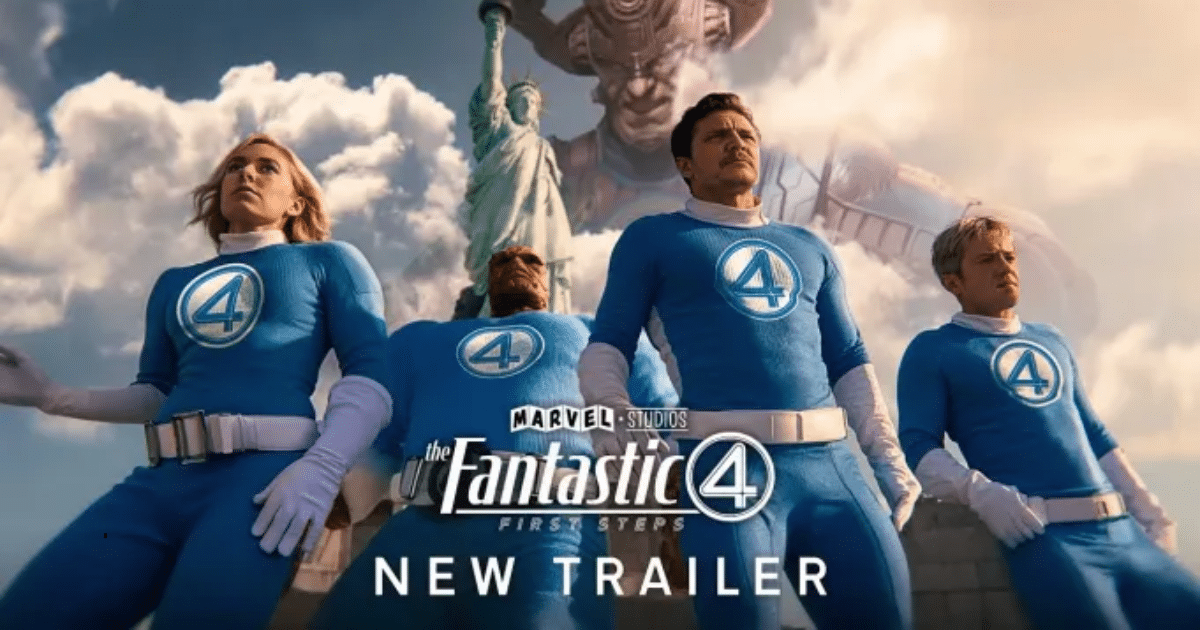
“Screen Culture” founder Nikhil P. Chaudhari previously told Deadline his team of 12 editors exploited YouTube’s algorithm by producing fake trailers quickly and creating multiple versions. The channel created 23 versions of a trailer for “The Fantastic Four: First Steps” by March, some of which ranked higher than the official trailer in YouTube search results.
The channels spliced official footage with AI-generated images to create franchise trailers. Recent examples included HBO’s “Harry Potter” series and Netflix’s “Wednesday,” according to Deadline.
Studio Response and Copyright Claims
Rather than requesting copyright takedowns, several Hollywood studios including Warner Bros. Discovery and Sony Pictures directed YouTube to redirect advertising revenue from the fake trailers to the studios themselves, Deadline’s investigation revealed.
Disney properties featured prominently on both terminated channels. The company sent a cease-and-desist letter to Google last week, claiming that its AI training models and services infringe on Disney’s copyrights “on a massive scale,” Deadline reported.
YouTube launched an experimental likeness detection tool in October to help creators identify AI-altered content featuring their faces. The feature, currently in limited beta, uses facial recognition technology similar to YouTube’s Content ID system, but focuses on detecting manipulated or generated likenesses rather than copyrighted content.
Subscribe to Our Newsletter
Check Out Our Podcast