





Influencer
The Renovation That Became A Business: How Anna & Philipp Built a Creator-Led ‘Chateau’ Empire

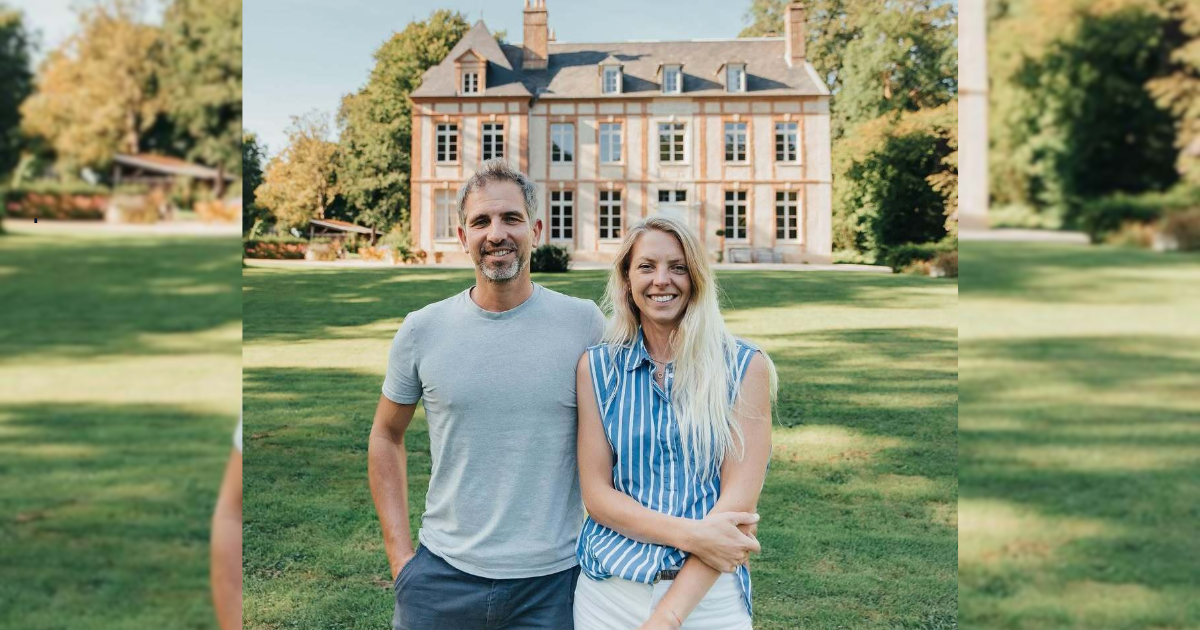
Life at the “chateau” (a French country house) was never meant to unfold on camera, yet Anna and Philipp Mayrhofer (@le_fleur_honfleur) have turned their quiet renovation project into a YouTube creative venture. What began as a family’s escape from Paris has become a full-scale storytelling enterprise, watched every week by a multitude of fans.
“It took off quite quickly,” Philipp says. “We didn’t even know when we started filming that there was such a thing as a YouTuber. We didn’t know that you could make money with YouTube.” Yet that early leap eventually reshaped their careers, their home, and the direction of their lives.
Today, Anna and Philipp’s “How To Renovate A Chateau” arguably stands among the most distinguished renovation channels on YouTube. Their blend of craftsmanship, storytelling, and gentle humor has become a defining voice in a growing niche. But behind the charm is a detailed orchestration of creative labor, business building, and a constant attempt to balance authenticity with sustainability.
This is the story of how a filmmaker and a textile designer became unlikely cornerstones of the creator economy: by documenting a dream that kept becoming a reality.
From Director to Digital Storyteller
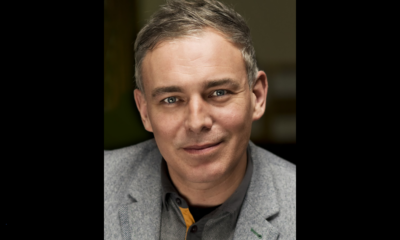
Before the chateau and the cameras, Philipp spent two decades in television. “I was a filmmaker. I was mainly working for TV. Documentaries and stuff like that,” he says. He directed for French and Austrian networks, occasionally stepping into feature film work, and spent much of his career behind the camera, not in front of it.
His training shaped the aesthetic that now defines their videos. But Philipp quickly realized that YouTube’s rhythm required a different approach. “I had to unlearn a lot of things from my TV work,” he explains. “I would edit several days of a video, which is not sustainable.” The perfectionism of broadcast production, he discovered, clashed with the immediacy and intimacy that audiences expect online.
Even his equipment tells a story of that transition. He speaks fondly of the first camera he ever used professionally – the Sony PD150, a DV cassette camera that helped launch an era of independent documentaries. “That gives away my age,” he says with a laugh. But the skills endured: framing, pacing, and a sense of cinematic patience that remains unusual on renovation channels.
A Chateau, a Pandemic, and a Sudden Pivot Online
The chateau was meant to be a family business. The guest house was the plan, the videos a secondary marketing idea. When COVID-19 halted tourism, the camera became the most productive tool they had.
“We thought maybe we could film what we’re doing here,” Philipp explains. “So at least when COVID stops, when we reopen the guest house, people have seen us.”
The early timing was ideal. “People were looking for alternative ways of living,” he says. The allure of countryside restoration, paired with the couple’s warmth and humor, resonated instantly. A house-tour compilation became their first viral hit. The audience arrived fast; not just curious viewers, but people actively longing for a life change of their own.
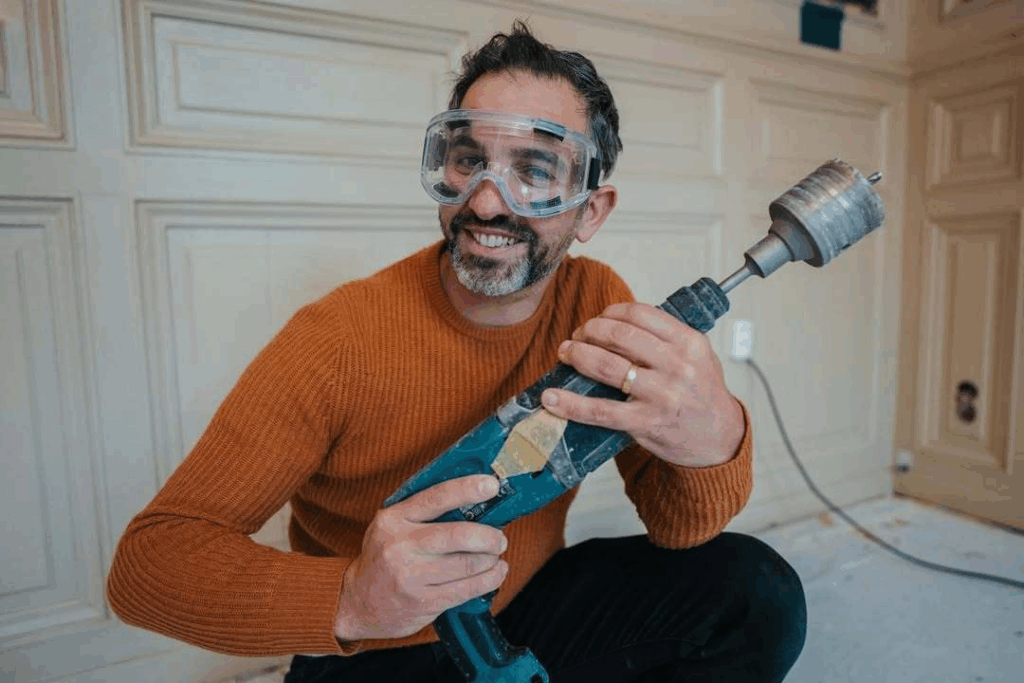
Their content was straightforward: real renovation, real mistakes, real progress. “I don’t think we have changed massively,” Philipp says. “We’re more comfortable in front of the camera now, but it’s always been the same concept.” Even today, the channel’s charm lies in its refusal to manufacture drama or spectacle. The camera follows whatever is happening that week, whether that’s a leak, a surprise discovery under old flooring, or an ambitious overhaul.

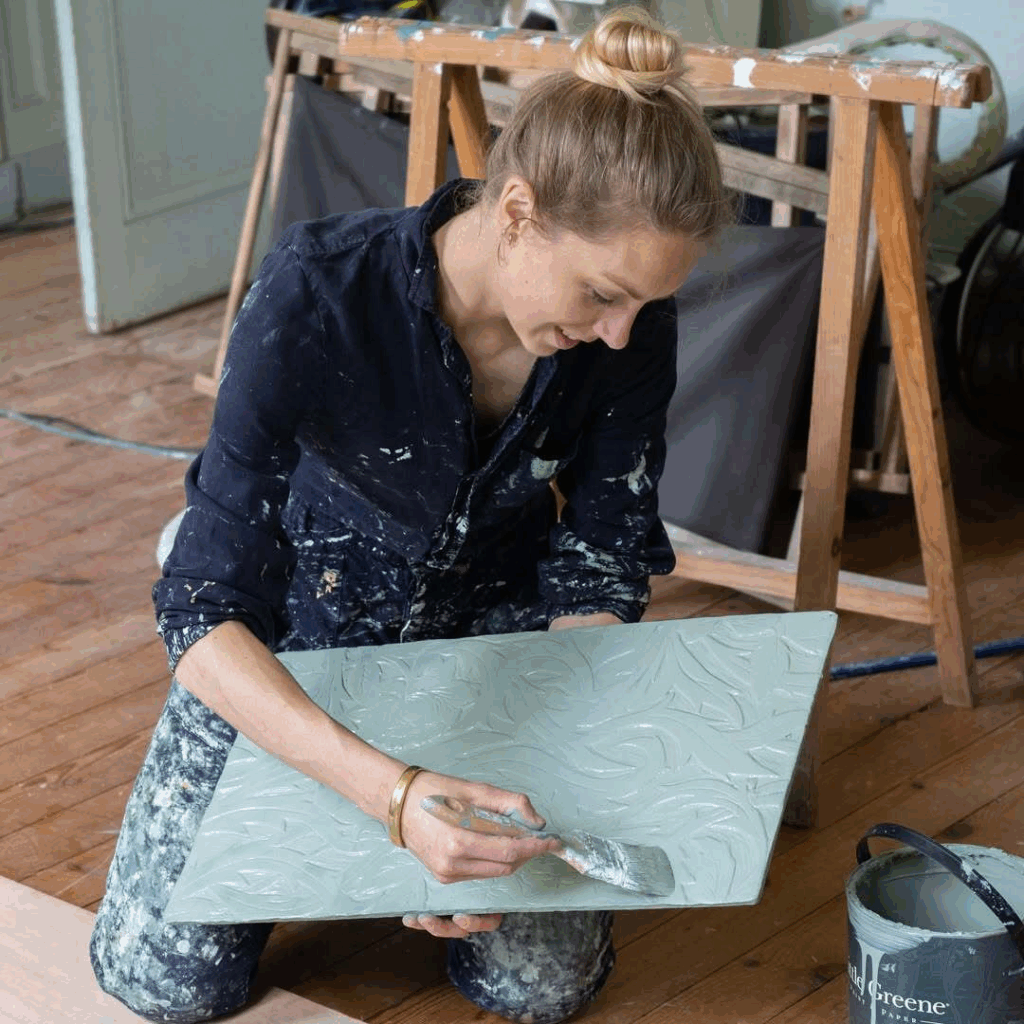
According to Philipp, the simplicity only works because it’s honest and because both creators possess real skill. Anna, a textile designer by trade, brings creative mastery to restoration, design, and now product development. Philipp’s direction shapes the narrative. Their combined experience gives the videos a polish that feels effortless, even though it rarely is.
A Growing Audience and the Challenge of Being Seen
As the channel grew, so did the complications of scale. The guest house, once envisioned as a peaceful complement to the renovation, became emotionally and logistically overwhelming.
Philipp remembers the shift clearly: “It became very intrusive, because the guests weren’t normal guests anymore. They were fans and they came in the door and they were shy and they were starstruck,” he says. The sudden collapse of privacy caught him off guard. “It made us really feel uncomfortable. It was never the plan to become any sort of C-list celebrities.”
At the same time, managing weekly uploads alongside guest stays pushed both creators toward burnout. “Doing YouTube as a YouTuber is more than a full-time job,” he says. The pair faced a choice: scale back the guest house or scale back the channel.
They chose to prioritize the channel.
Closing the guest house gave them room to breathe, but it also changed the direction of the renovation. “We struggled a little bit with what we do with this big building here,” he says. “It felt somehow wrong just to continue renovating for the sake of creating content.” Without a clear purpose, even meaningful progress felt unfocused.
The answer emerged only recently: reopen the guest house, but not as before.
Reopening the Guest House, But With Boundaries
The chateau will soon operate as a hotel rather than a family-run guest house. “Somebody else will take over,” Philipp shares. “We will just be there at the beginning, but then there will be a completely different team running it.”
This shift gives them two crucial things: content and freedom.
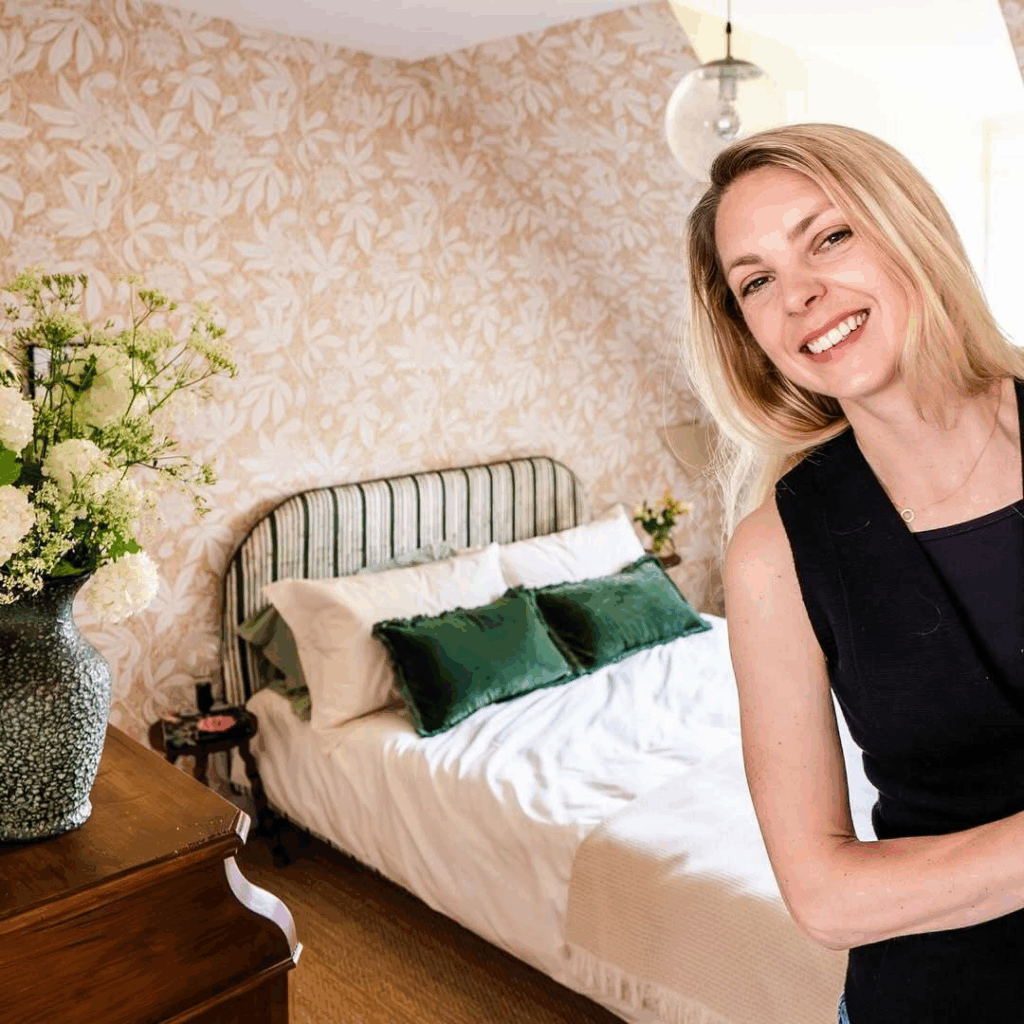
First, the renovation itself will generate at least two years of new projects: transforming rooms, designing spaces, and upgrading infrastructure for hospitality use.
Second, the family will move into an outbuilding on the property, physically separating their private life from their public-facing landmark. “We can separate our private life from the chateau life,” Philipp says. “If it doesn’t work out, we can even go further in the future.”
The plan also clarifies the channel’s long-term trajectory. With dedicated space to live and the chateau operating independently, Philipp and Anna can continue renovating without pressure to convert every corner of the property into content.
For audiences, the move renews the sense of purpose that made the early videos so compelling.
Inside the Creative Process
Philipp describes his and Anna’s weekly production cycle as intense. “We’re always in real time,” he says. “We struggle so much to get ahead.”
Typically, filming happens Monday through Wednesday, although household demands often push work later into the week. The couple films themselves – no crew, just multiple cameras capturing parallel tasks – and sends the footage to external editors who complete a rough cut. Philipp then finishes the edit himself, usually in a single day.
Some things remain stubbornly last-minute. “Two hours before we publish the video, we realize that we forgot to make a thumbnail,” he says. It’s a familiar panic and one he hopes AI tools may eventually ease.
The biggest challenge for the couple is balancing progress with storytelling. “What people want to see is transformation and progress,” he explains. But the work required to achieve meaningful change is often slow and technical. “Sometimes the projects are necessary, but if we film them, they might not be the most interesting ones.”
Their recent barrel house roof project is one example. “We thought it was a really quick project. It turns out it’s like three weeks in now,” Philipp says, adding that renovation, by nature, resists tidy scheduling.
And yet, the kitchen transformation remains his favorite. “It was a very long project, but we are still very happy with how it turned out,” he says. “Everything came well together.” Viewers agreed. The kitchen video remains one of their most beloved transformations.
Turning Creativity Into Commerce
Beyond YouTube, the Mayrhofer couple has explored multiple revenue streams. Their wallpaper line, rooted in Anna’s textile design expertise, became an instant success. “We sold out in a week or two weeks,” Philipp says. The strong performance came from showing the entire process: the hand-drawn designs, the antique machines printing each sheet, and the craft embedded in the final product.
The candles, on the other hand, were a painful lesson. “We wanted everything to be super premium, but the end product became super expensive,” Philipp recalls. They launched without showing the work behind them, making the price a shock. “It was a big fail,” he admits. They eventually sold 1,400 units, but only after lowering the price enough to break even.
Still, Philipp values the experience. “We learned a lot,” he says. And new products (such as a line of silk scarves Anna designed) are on the way.
Patreon remains a steady support system. Members receive uncut videos, occasional photos, and invitations to in-person meetups. “We almost know them now because they’ve been with us for many years [now],” Philipp says. The gatherings at the chateau have become cherished traditions.
The Business of Being a Creator
Running a creator-led renovation project means managing multiple businesses at once: real estate, hospitality, content production, design, retail, and community. Philipp credits the team at Ziggurat XYZ (a talent management and creative agency) for its essential support. “If I have any doubts, content-wise, thumbnail-wise, strategy-wise, they are the first ones I call,” he says. “If we need any sort of help, it’s them.”
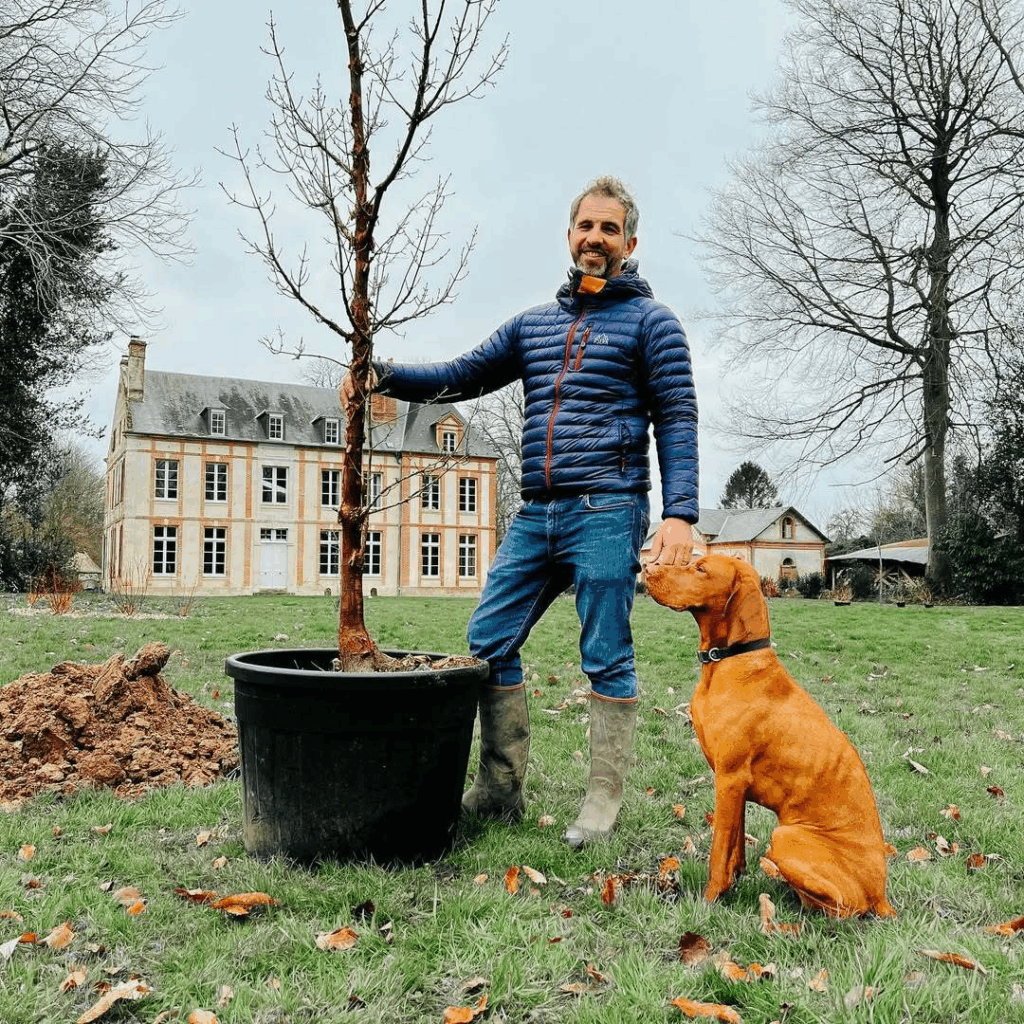
The partnership also expanded their sponsorship network. “The fact that we are fully booked for many months ahead, that’s amazing,” Philipp says. “That’s thanks to them.”
Yet the toughest decisions remain internal. “It’s not obvious to us how to have a better life-work balance without doing less,” he says. Hiring, outsourcing, and scaling the right way remain their biggest challenge.
Even so, Philipp remains energized by the business side. “YouTube has so many facets and so many different challenges,” he says. “It definitely made my life and my experience richer.”
A New Home and a New Era of Storytelling
With the guest house becoming a hotel, the next two years will focus on building the Mayrhofer family’s new home, renovating the coach house, and restoring four more attic rooms. How they structure these parallel projects (all happening in real time) remains an ongoing conversation with their management team.
Long term, Philipp envisions slower, more ambitious filmmaking. “Maybe work on a video for a month and have a bit more transformation from start to finish,” he says. Fewer uploads, but deeper ones. A creator’s version of breathing room.
He closes the conversation with a reflection that captures both the weight and the joy of the last five years. “We’re really grateful for our audience,” he says. “They watch our videos after so long, and they cope with all our ideas and changes in plans. That’s not obvious sometimes to follow us … because we change our plans … but that’s how it is.”