




Talent Collectives
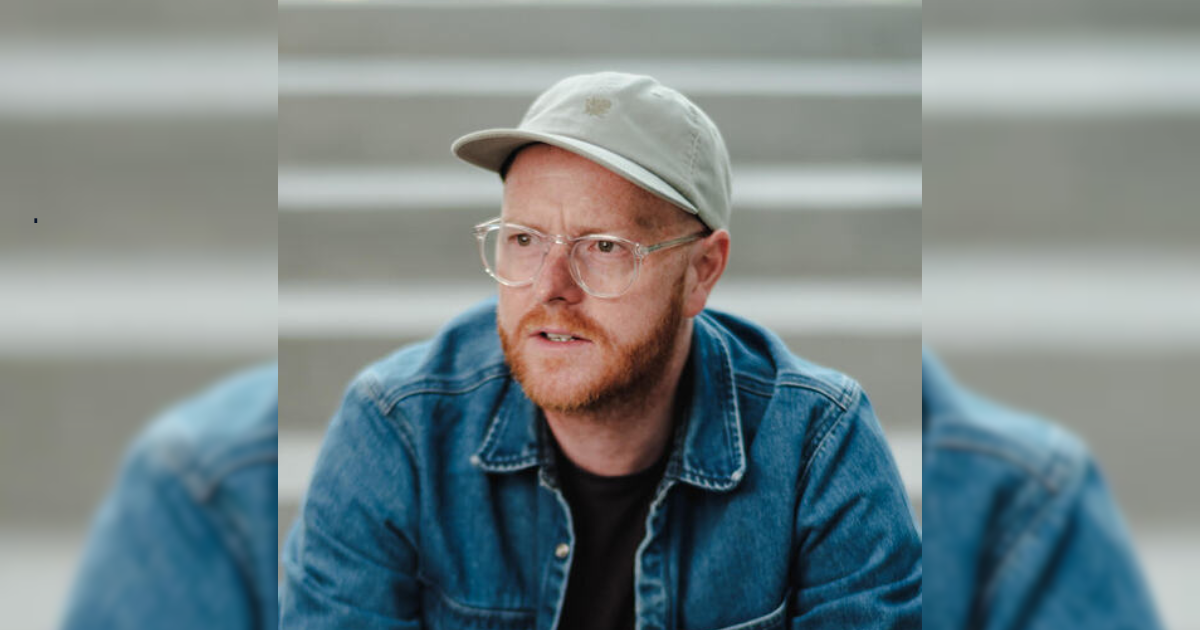
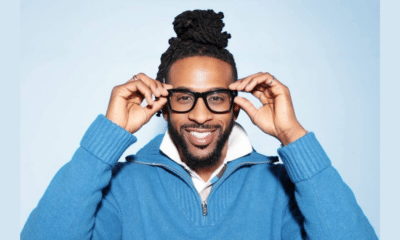
Simon Yoxall On Building A Social-First Agency With Creator DNA At NewGen

After spending nearly 15 years at Iris Worldwide, Simon Yoxall left to find a place that truly had a social-first, creator-driven mindset built into its DNA. In July 2025, that search led him to NewGen, where he became Managing Director, U.S., just as the agency was expanding across key markets in Europe and North America.
“I wanted to join an agency that didn’t just talk about being social first, but truly was,” Simon says. “NewGen grew up as a social and creator-first agency. That’s always been its area of focus, and that’s what makes it so unique.”

Founded a decade ago by creators & streamer Mike Craddock and Chris Parnell, NewGen began as a talent representation business before becoming a creative and influencer marketing agency with global ambitions. With offices in London, New York, and Paris (and now a growing U.S. base under Simon’s direction), the company works with top creators – including KSI and Amelia Dimoldenberg – and manages campaigns for brands such as Samsung, Cash App, Meta, and Sega.
For Simon, the move represents both a personal and professional reset. “I’d been at Iris for 15 years and just wanted to expand my horizons, work with new people, learn from new people,” he says. “But I also knew I’d miss the creativity of agency life. There’s an addiction to that unpredictability; the different challenges you get to sink your teeth into every day.”
A Career Shaped by Culture
Simon’s marketing philosophy has always been rooted in culture. Originally from the UK, he began his career at integrated agencies when social media was still in its infancy. Over time, he became one of the industry’s early advocates for embedding brands directly into cultural moments.
After leading Iris’s global Adidas account in London, he relocated to New York in 2019 to oversee the agency’s North American operations. His tenure included work with major brands such as Boars Head, California Pizza Kitchen, IHG, and Major League Soccer, but his creative legacy remains strongest in sports.
“I was leading the brand reset of adidas Football and helped launch the Lionel Messi brand for adidas,” he recalls. “That included the athlete brand strategy, social strategy, channel management, and product activation.”
The through-line in his career, he says, is helping brands achieve “outsized returns” through culture. “Many of the brands I’ve worked with didn’t have huge media budgets,” he explains. “So they needed to activate culture in an interesting way to create something social-first that could cut through.”
Why NewGen and Why Now
That creative philosophy made NewGen’s invitation hard to resist. “What struck me immediately was the energy, the ambition, the authenticity,” Simon says. “To work somewhere smaller, where everyone wears multiple hats and stays close to the output – It’s so refreshing.”
NewGen’s independence and creator-led heritage were also key factors. The agency was founded by creators with firsthand experience in the challenges and opportunities of building online audiences. “One of the founders was a streamer and creator in his own right,” Simon explains. “The company started out managing talent, and everything else grew from there. That means we don’t have to pretend to be social-first. It’s who we are.”
That distinction, he argues, is what makes NewGen stand out. “In a world of rinse-and-repeat agencies, everyone is saying the same thing. But our creators are shaping culture every day. We’re responsible for their publishing strategies, their social syndication, and their partnerships. That gives us a unique lens when we help brands activate creators, because we’re doing it from both sides.”
Simplicity as Strategy
After two decades in advertising, Simon has developed a clear leadership philosophy: focus and simplicity. “Agencies try to do too much,” he says. “There’s this hustle mentality; people say yes to everything, even when it’s not rooted in a clear strategy. My mantra is focus, simplicity, and consistency.”
He believes that clarity is vital in a market that swings between full-service integration and specialized expertise. “Brands want to work with specialists who really understand their space,” he explains. “So we’re confident about what we do well, and we stick to our guns. We’re not trying to boil the ocean.”
At NewGen, that means avoiding the bureaucracy and silos that often slow large agencies. “We’re flat, nimble, and plugged in,” he says. “Our creative thinkers are doers. They’re out shooting and creating content every day.”
Establishing NewGen’s U.S. Presence
Though NewGen has operated in the U.S. for four years, Simon sees 2025 as the company’s “point of inflection.” His focus is on building a strong cultural foundation, expanding the team, and strengthening partnerships with clients and creators.
“We’re investing in leadership across social strategy, influencer marketing, creative, and client partnerships,” he says. “This isn’t about scale. It’s about bringing in people who act as true strategic partners to our clients.”
The agency currently has about 15 employees in the United States. Simon aims to grow that number to around 50 by the end of his first full year, enough to serve new and existing accounts while maintaining NewGen’s agile identity.
A major part of that plan involves building a stronger West Coast presence, particularly for gaming clients. “NewGen grew up as a gaming-first business,” Simon says. “The founders were gamers themselves. The West Coast is a natural next step for us, not just for gaming, but for lifestyle and entertainment brands too.”
The U.S. team also includes veteran talent executive Dana Pirkle, formerly of CAA, who leads NewGen’s creator and talent management division. “We already represent a lot of U.S. creators,” Simon says. “Now we’re building a more robust on-the-ground presence for them here.”
A Culture That Reflects Creators
As the agency grows, maintaining its creative culture is a top priority. For Simon, that begins with authenticity, transparency, and empowerment. “I want everybody to feel empowered to bring their curiosity, experimentation, and agility to any client opportunity,” he says.
He envisions a flat organization that celebrates hybrid skill sets. “I love people who’ve had interesting career paths. Maybe they’ve done a bit of creative, some strategy, some growth,” he says. “That diversity of thought creates better work.”
For him, diversity goes beyond demographics. “Of course, I mean diversity in race and gender, but also in thinking,” he adds. “I don’t want to recruit people who are carbon copies of each other. When you bring together different intersections of culture and passion, that’s when creativity happens.”
He also wants his teams to enjoy the process. “There are many other industries you could go into if you wanted an easy ride,” he laughs. “This isn’t one of them. But I truly believe you can take the work seriously without taking yourself too seriously. Fun, energy, and dynamism have to be at the forefront if you want to create great work.”
Long-Term Partnerships Over One-Off Posts
As creator marketing grows, Simon believes deeper, more equitable partnerships will define the next chapter. “We never go into any creative collaboration seeing it as just a one-off post,” he says. “We’re looking for creators who are long-term brand fits. People who can play an evergreen role.”
That philosophy reflects a shift he’s observed between U.S. and European markets. “Creators in the U.S. tend to see themselves as businesses,” he says. “They’re focused on building IP and monetizing their brand. In Europe, it’s still a bit more grassroots. There’s more experimentation and play.”
NewGen’s own creator roster spans categories from gaming and lifestyle to comedy, a space Simon sees as a growing opportunity. “We’ve done a lot of great work with comedic creators like Elie Magic for Cash App,” he notes. “He’s a good example of someone who’s flexible enough to work across categories without losing his voice.”
Ultimately, Simon believes the most successful collaborations are built on shared authenticity. “We have a responsibility in this industry,” he says. “Even when we don’t represent a creator, we want to make sure the deal feels equitable for both sides.”
A New Center of Gravity
After nearly two decades in marketing, Simon has a clear view of where the industry is heading. “We’re entering the era where creators aren’t just the face of culture. They’re the engine of it,” he says.
He sees this shift as transformative for brands, requiring new structures and mindsets. “Creator marketing will eventually supersede some of the existing specialisms within agencies and brand teams,” he argues. “Brands need to act now because building true creator strategies takes time, and audiences will notice who got there first.”
For Simon, that urgency defines his first year at NewGen. “If, a year from now, people see NewGen as delivering social-first brand impact, that will be success,” he says. “We have the clients, the talent, and the culture to make that happen.”
Subscribe to Our Newsletter
Check Out Our Podcast