Rep. Kevin Mullin (CA-15) called on Congress on June 10 to require social media influencers to publicly disclose when campaigns pay them to promote candidates, arguing current rules leave voters without basic information about who finances the political content they see online.
During remarks on the House floor, Mullin said influencers can drive campaign narratives more effectively than television or radio, yet operate without disclosing paid relationships with candidates or campaigns.
“When someone sees a video or endorsement, they should know whether it’s actually an advertisement and who is paying for it,” he said.
In March, Mullin was among more than 180 Democrats to reintroduce the Democracy Is Strengthened by Casting Light On Spending in Elections (DISCLOSE) Act, which would require disclosure of payments made to social media influencers to promote or oppose candidates, among other provisions. Mullin previously authored California’s DISCLOSE Act as speaker pro tem in the state assembly, a measure now in effect statewide.
A Widening Legislative Push
Mullin’s remarks follow Rep. Mark Takano’s (CA-39) introduction of the Promoting Authenticity with Influencer Disclaimers (PAID) Act on June 2, which would amend the Federal Election Campaign Act of 1971 to require persons paid by political committees to include conspicuous disclosures in their online content, with FEC regulations due by January 1, 2027.
“Current campaign disclosure laws have not kept up with this new Creator Economy, and voters deserve to know who is financing their feeds before heading to the polling booths,” Takano said.
The FEC has attempted to establish transparency standards for creator-campaign relationships since 2013, but has been unable to enforce disclosure requirements without a clear statutory mandate. Texas became the first state to act in June 2024, when the Texas Ethics Commission adopted a rule requiring influencers to disclose payments exceeding $100 for political content.
Creator Economy Reach
Campaigns and PACs have paid hundreds of thousands of dollars for influencer content in recent years, according to reporting cited by Takano’s office. A 2024 Billion Dollar Boy study found 28% of U.S. content creators had been approached to produce political content ahead of the 2024 presidential election, with 43% of those not contacted expressing interest in future political partnerships.
A Pew Research Center study of 500 news creators and more than 100,000 posts found that 21% of Americans regularly get news from social media creators, rising to 37% among adults aged 18 to 29.
Undisclosed election spending grew from less than $5 million in 2006 to more than $1.9 billion in 2024, according to data cited by DISCLOSE Act sponsors.
Dragomir is a Serbian freelance blog writer and translator. He is passionate about covering insightful stories and exploring topics such as influencer marketing, the creator economy, technology, business, and cyber fraud.




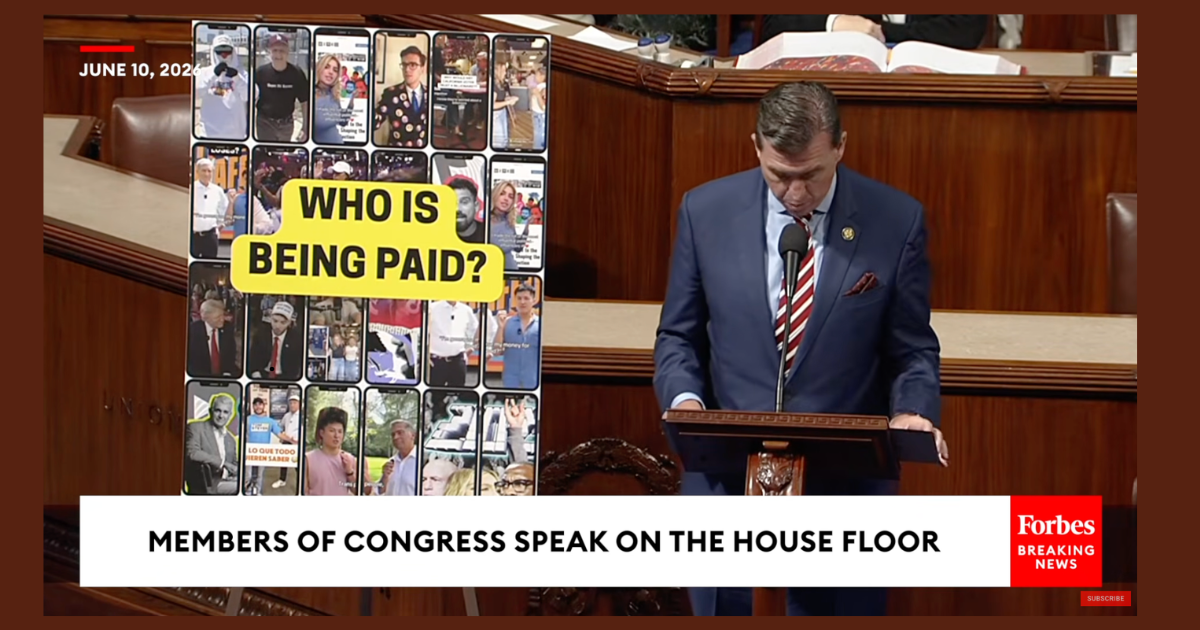








Rep. Kevin Mullin (CA-15) called on Congress on June 10 to require social media influencers to publicly disclose when campaigns pay them to promote candidates, arguing current rules leave voters without basic information about who finances the political content they see online.
During remarks on the House floor, Mullin said influencers can drive campaign narratives more effectively than television or radio, yet operate without disclosing paid relationships with candidates or campaigns.
“When someone sees a video or endorsement, they should know whether it’s actually an advertisement and who is paying for it,” he said.
In March, Mullin was among more than 180 Democrats to reintroduce the Democracy Is Strengthened by Casting Light On Spending in Elections (DISCLOSE) Act, which would require disclosure of payments made to social media influencers to promote or oppose candidates, among other provisions. Mullin previously authored California’s DISCLOSE Act as speaker pro tem in the state assembly, a measure now in effect statewide.
A Widening Legislative Push
Mullin’s remarks follow Rep. Mark Takano’s (CA-39) introduction of the Promoting Authenticity with Influencer Disclaimers (PAID) Act on June 2, which would amend the Federal Election Campaign Act of 1971 to require persons paid by political committees to include conspicuous disclosures in their online content, with FEC regulations due by January 1, 2027.
“Current campaign disclosure laws have not kept up with this new Creator Economy, and voters deserve to know who is financing their feeds before heading to the polling booths,” Takano said.
The FEC has attempted to establish transparency standards for creator-campaign relationships since 2013, but has been unable to enforce disclosure requirements without a clear statutory mandate. Texas became the first state to act in June 2024, when the Texas Ethics Commission adopted a rule requiring influencers to disclose payments exceeding $100 for political content.
Creator Economy Reach
Campaigns and PACs have paid hundreds of thousands of dollars for influencer content in recent years, according to reporting cited by Takano’s office. A 2024 Billion Dollar Boy study found 28% of U.S. content creators had been approached to produce political content ahead of the 2024 presidential election, with 43% of those not contacted expressing interest in future political partnerships.
A Pew Research Center study of 500 news creators and more than 100,000 posts found that 21% of Americans regularly get news from social media creators, rising to 37% among adults aged 18 to 29.
Undisclosed election spending grew from less than $5 million in 2006 to more than $1.9 billion in 2024, according to data cited by DISCLOSE Act sponsors.
Subscribe to Our Newsletter
Check Out Our Podcast