





Influencer
Mike Draper On Building A Creator Career Around Consistency, Clarity, And Long-Term Energy

Mike Draper did not enter the creator economy chasing fame or a personal brand. When he began posting on social media in early 2021, he was a former police officer, newly minted MBA graduate, and mortgage loan officer trying to solve a straightforward business problem: how to generate leads in a crowded market.
Like many professionals at the time, Mike kept hearing the same advice. “People kept saying, ‘Just post on social media,’” he recalls. “And I was like, ‘Okay, what does that mean?’”
Posting videos started as a practical experiment rather than a creative calling. Mike tested finance explainers, humor, and trending formats across TikTok and Instagram, largely to see what would get attention. Some videos stalled. Others went viral, often without a clear explanation.
“It was like a lottery pull every time you post,” he says. “All the tickets are free. You just have to post.”
Within months, the experiment began to reshape his career. Viral clips brought a level of visibility Mike had never encountered in his previous roles. Reality TV producers reached out. Brand inquiries followed. What began as a lead-generation tactic gradually turned into a full-time creator career, centered on audience connection and the business mechanics behind attention.
From Military and Policing to the Algorithm
Mike’s path into the creator economy was shaped by a background far removed from social media. He spent six years in the U.S. Air Force before serving more than five years as a police officer. From age 18 to 30, his adult life revolved around structured institutions and clearly defined career ladders.
“I could see where everything was going,” he says of both policing and later mortgage work. “And once I can see the whole path, I get bored.”
Social media offered the opposite. There was no visible ceiling and no guaranteed outcome. Mike describes the early phase of posting as playful and competitive, testing whether he could outperform other creators on trends, lip-syncs, and humor formats.
He credits his time in law enforcement with helping him shed fear of judgment online. “You see how short life is,” he says. “You stop caring what people think about you messing up a video or looking stupid.”
That lack of inhibition became an asset. Mike posted frequently, learned quickly, and began to understand what drove attention. He noticed that humor and relatability consistently outperformed purely informational content, even when his original intent was lead generation.
“I just wanted more eyeballs so I could sell more mortgages,” he says. “But then I realized there was a whole world behind this media thing.”

Chasing Views and Hitting the First Plateau
As Mike’s audience grew, so did his assumptions about monetization. Like many early-stage creators, he believed scale alone would unlock financial stability. When he crossed early milestones, first 10,000 followers, then 50,000, then 100,000 on Instagram, the results did not match expectations.
“I remember thinking, if I have 100,000 followers and I’m not crushing it with money, I’m doing something wrong,” he says.
Brand deals arrived, but not at the level he anticipated. The gap between visibility and income forced a recalibration. Mike began paying closer attention to who was actually listening to him rather than how many people were watching.
That realization coincided with a broader shift in the creator economy: brands had moved past experimental influencer spending and become more selective.
“Early on, brands were just throwing money everywhere,” Mike says. “By 2023, they had the data. It stopped being about followers and views and started being about audience fit.”
The change pushed Mike away from chasing virality and toward building repeatable formats that could naturally integrate partnerships.

Finding a Voice That Scales Without Burning Out
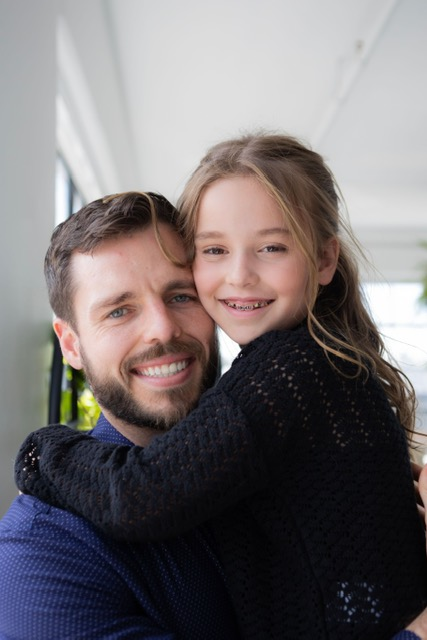
Today, Mike describes his content in simple terms. He creates millennial nostalgia music videos, films lighthearted dad content with his daughter, and posts conversational clips that feel like FaceTime calls with the audience.
“I want people to escape their day for a second and smile,” he says. “That’s the job.”
The clarity came after a period of burnout. Mike says he reached a point where creating purely for performance no longer felt sustainable.
“A lot of creators burn out because they’re making content they don’t care about anymore,” he says. “It pays the bills, but it’s not aligned.”
Pulling back from trends and focusing on content he enjoyed changed both his energy and his business outcomes. Brands found it easier to visualize how they fit into his work when the structure stayed consistent.
“When a creator has a series or a standard format, brands can see themselves in it immediately,” he explains. “The best ads feel so natural you don’t even notice them at first.”
Structure, Repeatability, and the No-Zero-Days Mindset
One of Mike’s most consistent themes is structure. He advises creators to think in terms of content pillars and repeatable series rather than constant reinvention.
“You need maintenance-mode content,” he says. “Stuff that’s easy to make so you can stay consistent.”
He recommends dedicating most output to formats that already work, while reserving 10% to 20% for experimentation. Consistency, however, is not just frequency.
“A lot of people say they’ll be more consistent,” Mike says. “That doesn’t mean anything.”
For him, consistency means daily action over a long enough period to produce meaningful data. He urges creators to audit their content every 30 days, identify what actually drove followers, clicks, or conversions, and refine accordingly.
“You can’t grow what you don’t measure,” he says. “Posting daily for two weeks and quitting doesn’t tell you anything.”
Consulting, Coaching, and the Gap He Saw in the Market
As Mike’s experience deepened, creators and brands began asking for help. His consulting work grew organically from inbound requests rather than a formal launch.
The gap he noticed was not a lack of information but a lack of application. “Most coaches say the same things,” he says. “Hooks, lighting, storytelling. The problem is they don’t give examples that fit the person in front of them.”
Mike focuses on translating best practices into context-specific execution. That often means reviewing past content, breaking down what failed, and rebuilding formats from scratch.
“The biggest results come from auditing what someone has already done,” he says. “Not from chasing new ideas every day.”
Built For Life and the Performance Layer of Creation
In parallel with his creator work, Mike founded Built For Life, a longevity and human performance platform that blends coaching, movement, and behavior change systems. The business reflects his broader belief that sustainability matters more than intensity.
“Fatigue and burnout aren’t wellness issues,” he says. “They’re performance issues.”
The connection to the creator economy is direct. Mike argues that content output, decision-making, and creative clarity all depend on energy management.
“If you want to create for five or ten years, you have to take care of your brain and body,” he says.
More Depth, Less Noise
Over the next year, Mike plans to reinvest heavily in content, particularly long-form formats like podcasting and YouTube. After a period of maintenance-mode posting, he wants to spend more time in direct conversation rather than constant production.
“I want to be the content more than create the content,” he says.
Longer term, his priorities extend beyond metrics or monetization. Mike is focused on being present for his daughter as she enters adolescence and on building a career that supports that presence. “I’ve seen how fast life changes,” he says. “Success doesn’t mean much if you’re not actually living it.”
For creators navigating similar paths, Mike’s advice is grounded in realism rather than hype.
“Everything people want is closer than they think,” he says. “But it only shows up after they take more action than feels comfortable.”
Subscribe to Our Newsletter
Check Out Our Podcast