






Brand
Rommi Bets on FilAm-Grade Vertical Romance Released in Daily Chapters to Build a Fandom

Rommi released its first film, the rivals-to-lovers road trip rom-com “Drive Me Mad,” free on Instagram in short vertical chapters, three a day for about two weeks. Its founders made it to show that romance written, cast, and shot to movie standards can build its own fandom on social feeds.
Social feeds are where Maggie Malina, Rommi’s co-founder and head of content, is chasing the audience she watched leave television while running scripted programming at MTV and VH1. Ad-supported cable pulled back on original shows, she says, and the series once made for MTV, Comedy Central or Lifetime are now being made for phones. “At MTV, our core audience literally left us. It just left,” Maggie says. “Now I’m catching up with them in a different way.”
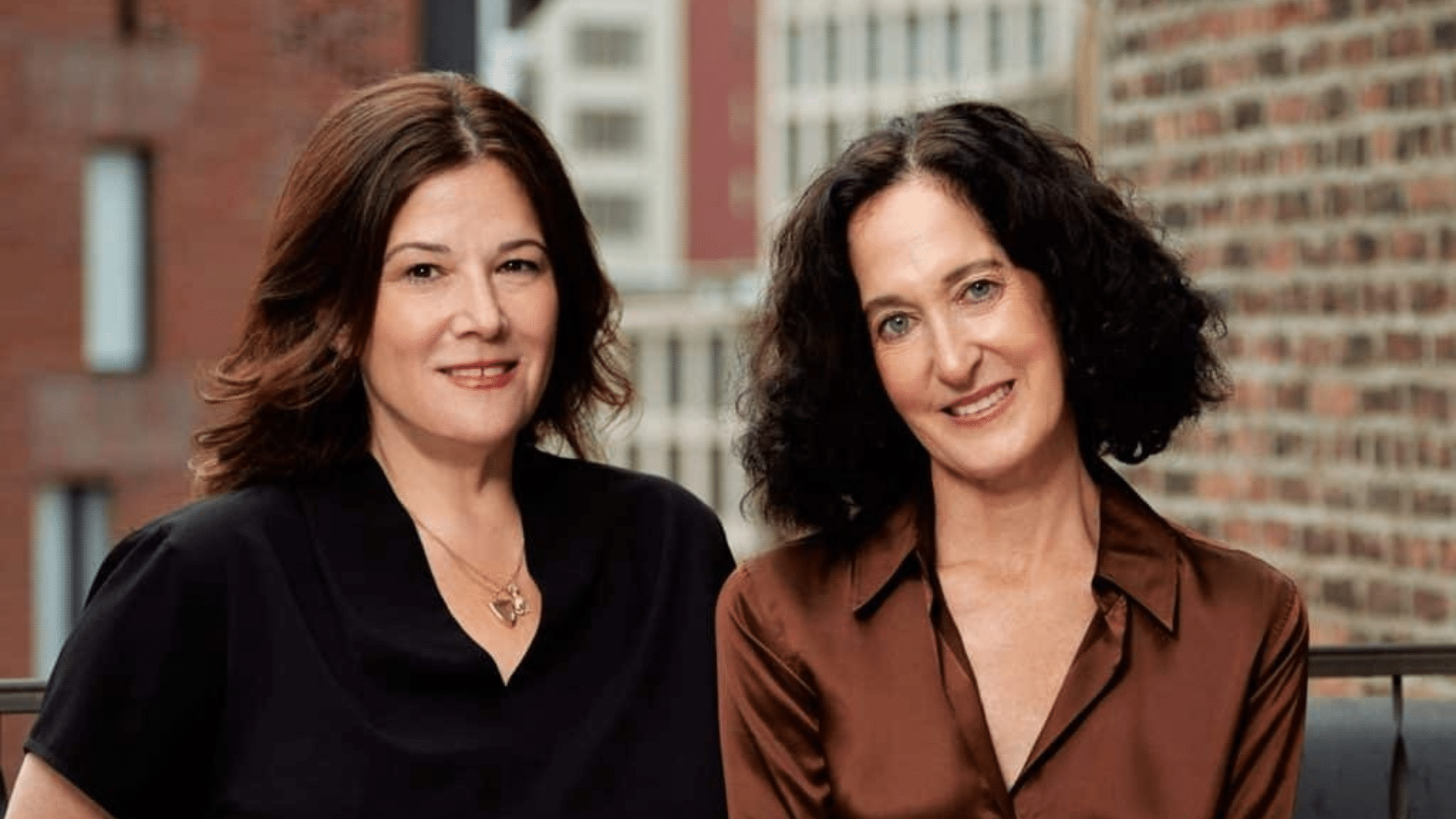
That audience is primarily women who want stories that reflect their lives and aspirations, and Rommi reaches them through the romance-reading community. Maggie co-founded the New York company in November 2025 with CEO Jamie Gordon, an independent producer whose credits run from PBS documentaries to studio features, and Jamie says most of “Drive Me Mad’s” viewers were women aged 18 to 35.
Vertical video is the delivery system. “This is quickly becoming almost a co-equal viewing experience, particularly with the audience we’re trying to reach,” Maggie says. Jamie calls “Drive Me Mad” a proof of concept for the founders and the industry, and the model it tests begins with the author.
Rommi Brings Authors to Screen Within Months
Rommi’s pitch to writers starts with how little Hollywood involves them. “In traditional movies and television, usually someone options a book and then you never hear from the author again,” Jamie says.
Maggie found little belief in romance as a screen genre while developing novels for film and television, where buyers saw it as niche. Demand showed up in retail instead. The Ripped Bodice, the romance-only bookstore she works with, started a wave that she says now reaches every state, and “Heated Rivalry’s” breakout last December showed what a well-made adaptation could do.
That show changed what authors wanted, Maggie says, and many had titles stuck in development or out of options. Rommi offered Ali Rosen, who wrote “Drive Me Mad,” a route around that process with an original story she had not had time to turn into a novel. “If you agree to partner with us on this, we’re going to make the movie in a few months, guaranteed,” Maggie says of the pitch. The author keeps the publishing rights, Jamie adds.
Speed is the selling point for prolific writers, in Maggie’s view. That guaranteed film within months only works if Rommi can produce quickly and still deliver the quality Jamie benchmarks against Amazon and Netflix.
Rommi Shot Its Pilot on a Television Schedule
“Drive Me Mad” was a SAG production shot in just under eight days, at roughly 10 pages a day. “We had more days to shoot an hour of content than I got on series for VH1,” Maggie says. A low-budget VH1 hour got six days, she explains, though Rommi worked with a fraction of the money and crew.
Jamie says it had the smallest budget of any project she has produced other than short films. Director Chell Stephen brought experience in verticals, indie film, television and music videos, and Maggie says the schedule allowed performance variations for the edit instead of the two takes she had braced for.
“We’re calling them micromovies because they’re a little smaller; they’re closed-ended stories,” Maggie says. She describes a commitment to working screenwriters and a distinct look for each film, an approach she calls more intentional than that of other microdrama producers, though she credits their productions with satisfying their audiences.
Casting followed the same standard. Meg Levine, a TikTok creator with 565,000 followers, won the lead through a standard audition in her first scripted film, and the founders say they learned about her following only after narrowing their choices. “Had she not nailed the chem read with Beau, she wouldn’t have gotten it,” Maggie says, referring to co-star Beau Minniear.
Partner Accounts Gave Drive Me Mad Its First Push
Meg’s audience came into play at launch, when Rommi’s own Instagram account had roughly 700 followers. “Chapter One” went live the same day from Rommi, Ali, Meg, Chell and Bookish Media, the company of producer Morgann Book, a BookTok creator with 2.6 million TikTok followers. Ali, whose Instagram following sits at around 67,000, posted a teaser the day before.
Jamie says every Instagram account in that launch had fewer than 100,000 followers. “I think we gave it the little push with our teammates, but then people started watching it and the algorithm worked in our favor,” she says.
The first 15 chapters drew more than 3 million views in five days, according to the company. From October 22 to November 4, the film logged 18.5 million views across Instagram, YouTube and Facebook, based on Meta Business Suite and YouTube Studio figures the company shared, along with 1.08 million Instagram profile visits, 463,500 Instagram interactions, 31,500 Instagram followers and 1,466 net YouTube subscribers. Jamie put views near 20 million by the interview.
Maggie points to “Chapter Two” as the surprise, since it carried neither the opening nor a kiss. “It was this banter that they had and people dug in,” she says.
Daily Drops Are Built to Start Conversations
Holding viewers after that push depended on the schedule. Rommi posted three chapters a day for about two weeks, a plan Jamie says came from research on how the algorithm performs. Maggie argues the current microdrama apps lack conversation because viewers finish a series in one sitting and move on.
“We wanted this to be about the ability to share and comment and hopefully get a fandom going, because that’s how you make hits now,” Maggie says. Bingeing, she argues, removes the anticipation that drives discovery.
Rommi enforced the schedule after an early misstep. It first posted the opening half of the film in full on YouTube and Facebook, and Instagram commenters began directing others there. At the midpoint, YouTube and Facebook switched to mirror the Instagram rollout. “That actually worked,” Jamie says.
TikTok’s short drama section would only accept all chapters at once, so Rommi held the film back and treats TikTok as what Jamie calls a “second window.” Where Rommi cannot ration chapters, it waits.
Rationing puts weight on every chapter ending. “You have 40 episodes. So you need 40 cliffhangers,” Jamie says. Maggie names cliffhangers and chemistry as her watchwords for the next film.
Brand Integration Leads Rommi’s Revenue Plans
“Drive Me Mad” has not earned Rommi money from that audience, and the pilot was never meant to. The future options Jamie lists are brand integration, advertising, licensing, and pay-per-view and subscription models, and Rommi has started early talks with some brands.
Those talks come with a condition. “We don’t want them to be ads for a company,” Jamie says. “Viewers sniff very quickly if you’re being sold something.”
Maggie, who handled brand integrations at the networks, says brands are increasingly acting like studios. “It would just be around finding the most creative way to pair our story with their product and how do we do it so that neither is diminished,” she says. In both founders’ terms, a partner brand has to value the stories Rommi is already telling.
Rommi Wants a Release Rhythm Like a Bookstore’s
Those stories need a steady supply. The second film shoots in December, and Jamie plans to work out teasers, trailers and promo clips during filming, after launching “Drive Me Mad” without knowing what would appeal to audiences.
Maggie expects vertical storytelling to outgrow the “microdrama” label, much as soap operasZ are one category of television, with comedies, thrillers and art films arriving in the format. For Rommi, she says, the task is consistency, possibly a new film every two weeks if that proves to be how long one holds an audience, which she calls a rough guide.
Jamie wants Rommi to be a trusted brand promising great acting, a happily ever after, and an author viewers love. Maggie frames it around the reading habit Rommi was built on. “Just like they can go to the bookstore every week and know there’s going to be a new release for them, I think that’s sort of the plan,” she says.
Cover photo: Maggie Malina (left) and Jamie Gordon (right)
Subscribe to Our Newsletter
Check Out Our Podcast