





Influencer
From Viral Breakout To Sustainable Vision: Alex Choi On Content, Risk, And The Business Beyond Views

Alex Choi does not treat virality as the point. For him, it is a byproduct.
What started as a middle-school obsession with filming dirt bikes, skate parks, and cars has become a career spanning more than a decade, multiple platforms, and multiple millions of views per video. But Alex is quick to reject the idea that any of this followed a formula.
“I feel like I hit the jackpot with this,” he says of his earliest success. “It was the same feeling as winning the lottery.”
That moment came in 2015 and 2016, when the first videos he ever uploaded immediately went viral. At 16, Alex went from earning a $50 weekly allowance to making tens of thousands of dollars in the same week, entirely through YouTube ad revenue. One video alone has generated more than $100,000 in AdSense over time. For most creators, that kind of early breakout would define everything that followed. For Alex, it simply cleared the runway.
“I always wanted to pursue some sort of career in film ever since I was 10 years old,” he says. “Content creation was just the most accessible version of that.”
From Film Obsession to Platform-Native Storytelling
Alex’s interest in video predates social media entirely. Growing up around extreme sports, he gravitated toward cameras before he ever stepped into the action himself.
“I would always be at skate parks as a kid filming other people rather than skating myself,” he explains. “Same thing at dirt bike tracks. I just loved making cool videos.”
That instinct shaped his earliest YouTube uploads, which focused heavily on cars. He describes cars as his first true niche, driven by a lifelong fascination rather than audience strategy. But, as his channel grew, Alex recognized the limitations of staying narrowly focused.
“Cars are such a small niche compared to what I’m doing today,” he says. “Now it’s more broadly my life in general.”
The shift was not about abandoning automotive content. It was about letting storytelling lead. Alex began treating his channel less like a category page and more like a feed of moments worth filming, wherever they happened to occur.
Letting Go of Gear and Relearning What Matters
One of the most counterintuitive lessons in Alex’s career came after years of obsessing over production quality. Early on, he believed the path to better videos ran through better equipment.
“I really focused too much on production value, rather than the content itself and telling the story,” he admits. “I was obsessed with having the right cameras, the right mics, the latest and greatest equipment.”
That mindset eventually flipped. Over the past five years, nearly all of Alex’s content has been filmed on his phone. “As long as the story is good, people don’t care what camera you film with,” he says.
The decision was as practical as it was philosophical. Much of his current work involves reacting in real time, often with no warning. To him, speed matters more than specs. “I need to be able to start recording within half a second of notice,” Alex explains. “That’s pretty tough to do with a camera.”
He has even shown up to professional shoots armed with nothing but his phone, surprising clients who expect a more traditional setup. The results, he notes, usually speak for themselves.
Chaos on Screen, Control Behind the Scenes
Alex’s recent videos often center on police activity, emergency scenes, and unpredictable moments that feel raw and chaotic. From the outside, the work can look reckless. Alex does not soften that perception.
“It’s as unsafe as it seems to be,” he says. “I go through near-death experiences once every two weeks.”
Still, he emphasizes that experience and preparation play a major role in managing risk. Over time, he has built relationships with first responders, pursued tactical training, and learned how to navigate dangerous environments without losing situational awareness. “I’ve learned tremendous amounts from being out there every single night,” he says.
Creatively, Alex separates filming from storytelling. The act of capturing footage is largely reactive. The narrative comes together later.
“The creativity comes in the editing,” he explains. “Once I get all the footage, that’s where I figure out how I’m going to frame that story together.”
Editing for Effortlessness
Despite how spontaneous his videos appear, Alex spends most of his time off-camera refining them. He reveals that even a ten-second clip can represent hours of work.
“I put a ton of effort into fixing the audio, fixing the colors, framing the shot,” he says. “If people saw how much time I sit in front of my laptop editing, they’d be shocked.”
That invisible labor shapes how he defines success. Views matter, but only in context. “I’ve posted videos with hundreds of millions of views that gave me zero sense of fulfillment,” Alex says. “If it’s not a video I’m proud of, it doesn’t matter.”
The videos that resonate most are the ones where effort and outcome align. Alex emphasizes that high engagement, paired with personal pride, keeps him invested after more than a decade online.
Shorter, Faster, and Unapologetically Direct
Platform shifts have also influenced Alex’s pacing. As attention spans compress, his videos have become more direct.
“With TikTok coming out, attention spans have gone way down,” he says. “So the pace of my videos has gone way up.”
He avoids voice-overs and rarely explains context. Instead, he relies on visuals to carry the story, trimming anything that feels unnecessary. “I’ve never tried to reach a certain time stamp for monetization,” Alex explains. “I don’t want viewers to feel like they wasted 60 seconds to get to a conclusion.”
He points out that some of his most successful uploads are only a few seconds long, reinforcing his belief that length should serve the moment, not the algorithm.
Monetization Without Middlemen
Unlike many creators at his scale, brand partnerships are not Alex’s primary revenue source. Platform payouts drive most of his income.
“Instagram has been paying a few thousand dollars every time I post a Reel,” he says. “Snapchat has been incredibly powerful with their ad revenue sharing.”
Sponsored content, by contrast, comes with friction. “I’ve always hated making infomercials in the middle of my content,” Alex says. “I don’t want to sell my audience something I have zero interest in.”
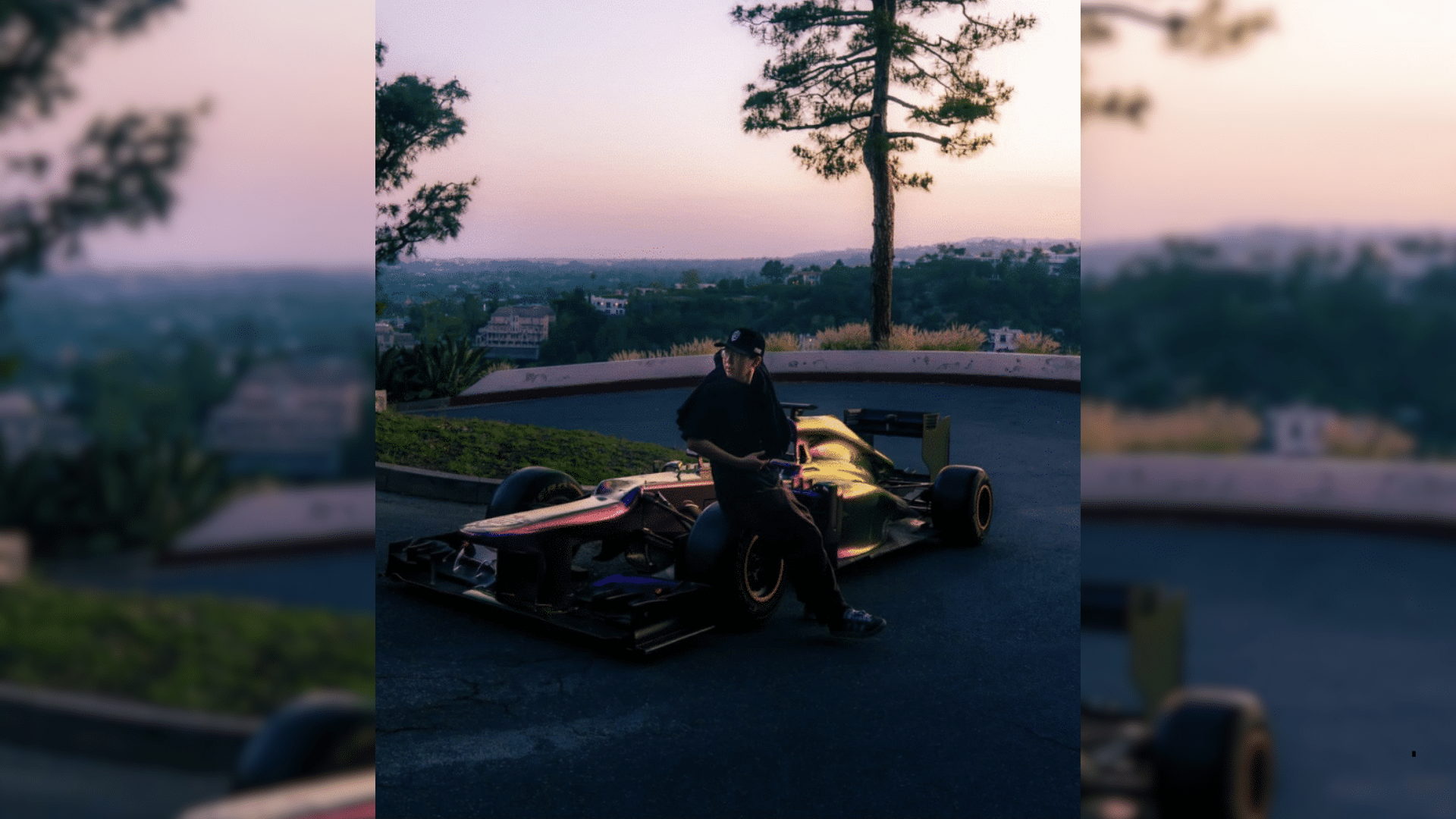
When he does collaborate, it is driven by genuine enthusiasm rather than payout. Past partnerships include Lamborghini, Red Bull Racing’s Formula One team, and the Experimental Aircraft Association, often with little or no direct compensation.
“I was more than happy to do it just for the experience,” he says.
Lessons in Ego and Longevity
Early success brought its own challenges. Alex is candid about how virality affected him as a teenager.
“My ego was through the roof,” he says. “I walked around thinking I was Justin Bieber.”
Looking back, he describes that phase as embarrassing, but formative. It taught him how quickly attention can distort perspective and how important it is to move beyond it.
Those lessons inform his broader view of the creator economy, which he sees as fundamentally unstable. “I think being a creator in general is unsustainable,” Alex says. “A lot of people get famous off one or two viral videos, and eventually, people move on.”
Thinking Beyond the Algorithm
Alex’s skepticism has led him to build businesses beyond content creation that will support him long after platforms change. Even as his videos continue to perform, he treats them as one part of a larger life strategy.
“My goal would be to create content completely for free,” he says. “If I monetize, I’d want it to go to charity.”
For now, he remains focused on quality over volume, stepping back from platform pressures that no longer align with his values.
“Being away from Snapchat allowed me to improve the quality of my content rather than posting a thousand stories a day,” Alex says.
A Career Built on Intention
After more than a decade online, Alex’s outlook is grounded. He still loves filming. He still loves editing. But he no longer confuses momentum with meaning.
“It’s the most fun job I’ve ever had,” he says. “But business-wise, it’s tough.”
That realism, paired with a deep respect for craft, is what he believes has kept him on people’s screens. And it is what shapes how he thinks about the future.
“As a creator, if you stop doing it, you’re not going to make money,” Alex says. “That’s why you have to think beyond just posting.”
Subscribe to Our Newsletter
Check Out Our Podcast