




Talent Collectives
Creator Managers Should Fund and Co-Own Their Clients’ Shows, According to Unicorn’s Founders

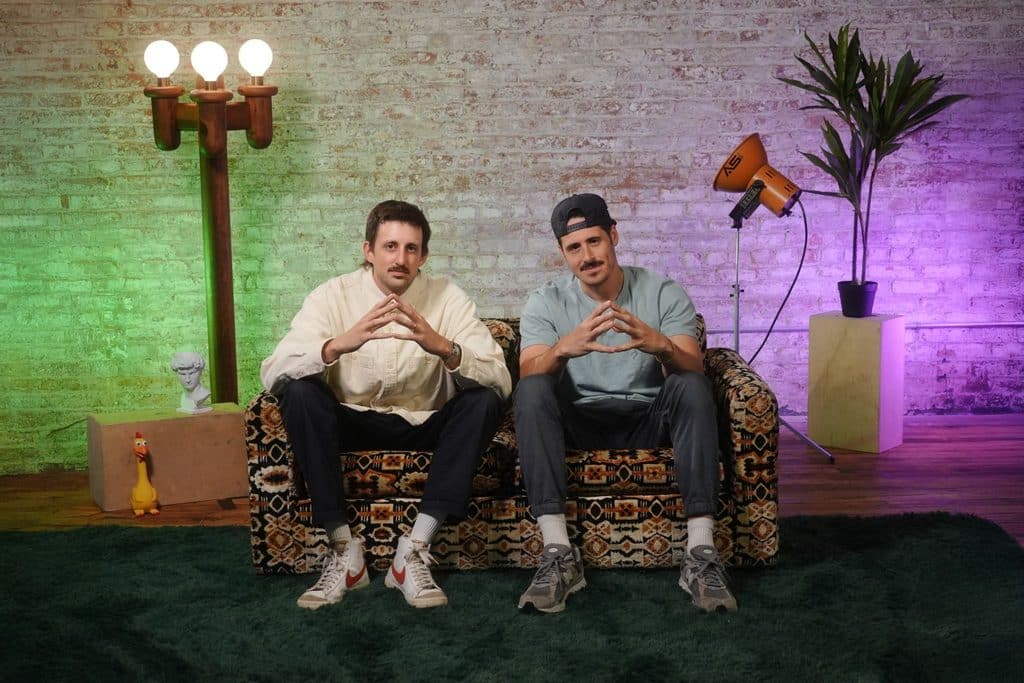
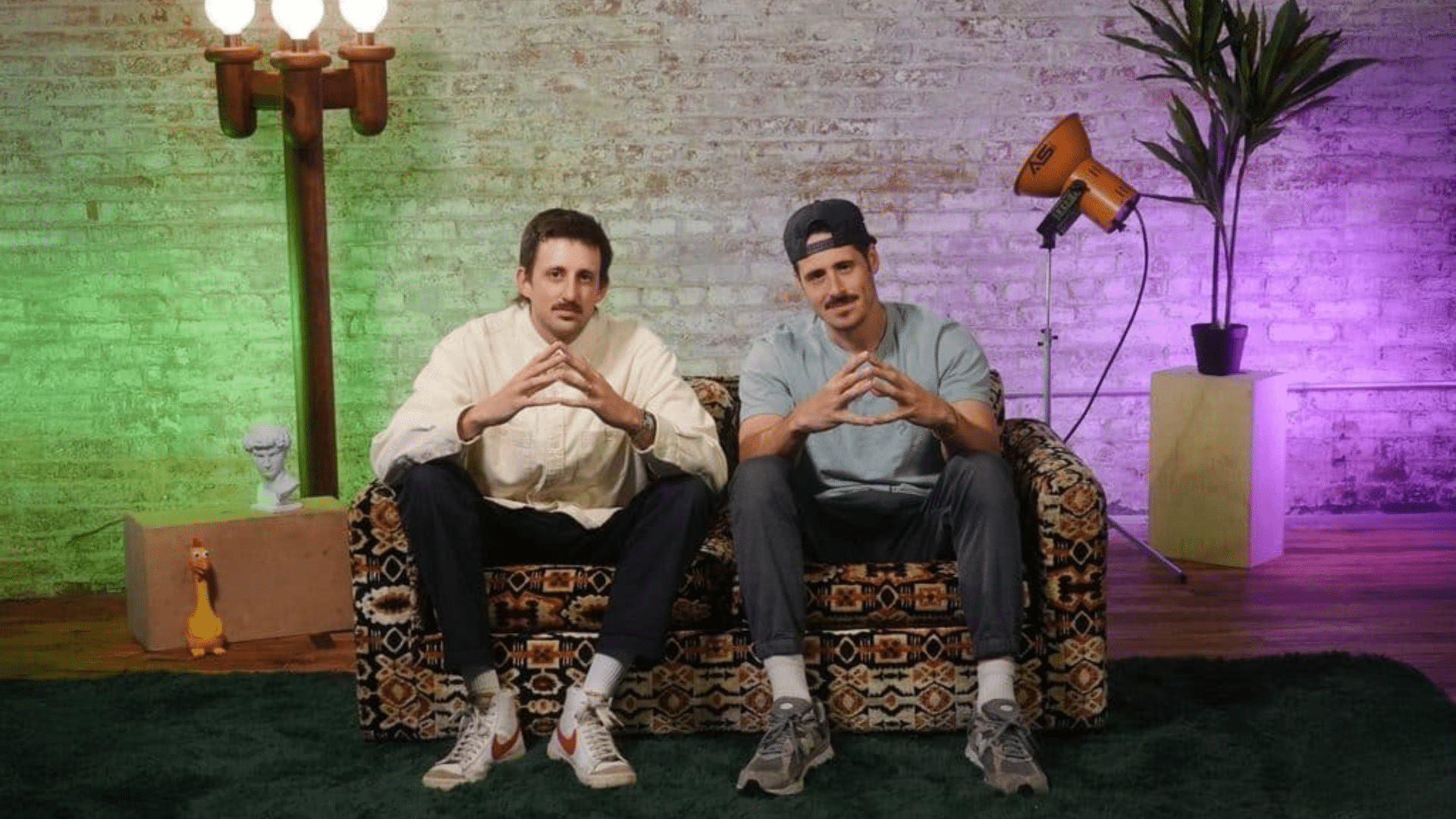
Unicorn manages online creators and, for clients it judges ready for a show, typically funds, produces, and operates the series itself, sharing profits and ownership with the creator as an equal partner. Co-founders Scott Dunn and Chris Gera argue that giving clients the resources to make IP is now the best way to manage them.
“We believe deeply that the most successful IP is built around and tailored for the talent,” Scott says. As the former Head of Creators at Doing Things Media, he launched “Recess Therapy,” “Bob Does Sports,” and “Breezy Golf.” In his account, the relationship between creators, managers, and studios often turns “really muddy and difficult” once a show succeeds.
Unicorn, founded in New York in 2025, keeps management and production under one roof. Chris, a former producer at BuzzFeed and Comedy Central, heads a studio that funds, produces, and monetizes shows almost exclusively for creators Unicorn manages. Scott calls digitally native shows the future of entertainment and argues that creators who want to make them need production support more than anything else. A studio inside the management company can supply it as the show and the creator grow.
When the Host Leaves, the Audience Goes Too
The creator is the part of that pairing a show cannot replace, in Chris’s experience. At BuzzFeed, the people who devised formats were often also their on-camera faces, and more often than not, their audiences followed them when they went on to their own ventures. “Formats are always going to be very important,” Chris says. He argues the talent is still the focal point, much as viewers of older TV shows objected when a character they tuned in for was recast.
Scott draws the business consequence. Creators have traditionally been hired as hosts for formats a team already wanted to make, and he argues that a creator whose strengths a show is built around should share in its creative decisions and its financial upside. Earlier in his career, he fielded a steady stream of requests from managers asking a studio to make a show for their client. “That then starts to deteriorate the ownership and the creative control,” Scott says.
That handoff between a manager and an outside studio is the step Unicorn removes. With both functions in one company, a client’s show idea stays in the building, and the question becomes what the creator signs up for.
Unicorn Fronts the Money and Splits the Profit
Unicorn typically funds production itself, recoups its hard costs, and then shares profits evenly with the creator. “No hidden fees, nothing off the top. We don’t charge for our time,” Scott says.
The split extends to creative control. “You own as much as we do,” he adds. “Your creative decision-making is as strong as ours.”
The co-founders name one thing a creator gives up. Unicorn is new, and a creator who wants the brand recognition of an established institution will not find it there yet, though they say becoming “the next institution” is the goal.
Using the studio is optional. A client who prefers a competitor still gets full management support, according to Scott, and the choice stays with the creator. One misreading Chris has heard is that a studio with its own perspective must be prescriptive. “This isn’t us fitting them into a box,” he says.
First Episodes Decide Where Money Goes
Spending follows no fixed rulebook either. Scott argues that too much money early can do more harm than good, since many of the team’s past hits started as one thing and became something else. “You gotta just sort of stay nimble and move like a jet ski versus like a cruise ship,” he says. Investment rises once a show starts to scale.
Chris applies the same logic to development, starting each idea at its lowest barrier to entry so production choices don’t obscure whether the concept works. Some ideas get a test shoot and an internal discussion before a formal block shoot, though others have gone from idea to release in under two weeks, he says. “We’re not investing six months in making a movie. If the movie flops, what did we just waste our time on for six months?”
“The Void,” a show built on the internet notion of a place where shouted words live forever, began when Chris pitched it and built the set from a black drape the next day. Former SNL cast member Michael Longfellow signed on as the floating-head oracle, 20 creators came to the studio the following week, and the show went live two days later.
Payback timing varies. Most Unicorn shows are made for YouTube and earn back through AdSense once they hit, and the first episode of “Human Trials” drew over a million views in under a week on a newly launched channel, according to Scott. “There’s no science to this,” he says.
A Show Needs a Core Audience First
A newly launched channel still needs a creator with a core audience that will follow them to something bigger, in the co-founders’ view, and they look for that audience before committing to a show, however strong the idea. Their test is whether someone who has followed a creator for three to six months could explain who that creator is and what they do.
The second condition is the person. Scott screens first for character, meaning whether someone is collaborative and takes feedback well, and then for drive. “A few of them didn’t have a single credit to their name,” he says of the biggest creators he has worked with. “What they had was this fearlessness and this relentlessness, this work ethic, this drive.” He puts those two traits at about 80% of the decision, possibly up to 90%.
Niko Emanuilidis, who posts as “The Daddy Academy” on Instagram, already had that core audience. He gives dating advice from a male perspective to a mostly female audience, and before Unicorn, he streamed from his living room couch to a couple hundred viewers. The studio built a custom set for a weekly Wednesday livestream and shot two hours of paywalled, masterclass-style content. A creator has to look fully committed before an audience will commit, the co-founders reason, and they say thousands now tune in live each week, driving conversions on the masterclass.
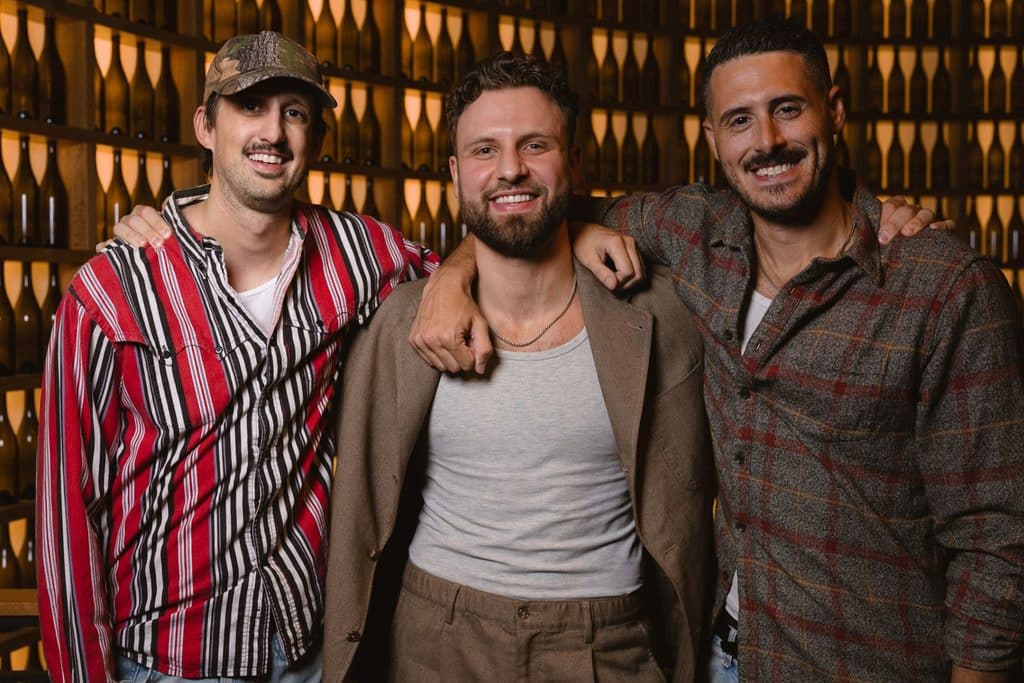
Photo: Chris, Niko and Scott
Credit: Michael Monti
A Weekly Show Gives Sponsors More to Buy
A show like Niko’s also changes what a creator can sell. “It’s just more inventory, honestly,” Scott says. Neil Arnet, known as “Ticket,” came to Unicorn from the “Bob Does Sports” group. He still posts daily short-form content on his personal channels and now also hosts a weekly golf show of an hour or more, with ad breaks and room for product placement.
A sponsor can buy the weekly integration and presenting sponsorship on that show, plus biweekly short-form branded cutdowns. “It guarantees more business deals for our clients, and it gives more inventory and value to our brand partners,” Scott says. A creator with a show has more to sell than one without, which is how Unicorn connects its studio to its management business.
Usage rights are where Scott sees most of a deal’s value. Usage was rarely part of a deal when he started managing creators, and brands now ask for 30 or 60 days and increasingly well over 90. “Now you almost never see a deal without usage,” he says. Unicorn will go longer when the budget matches, provided the team likes the creative and wants to align with the brand.
Managers Who Can’t Build Shows Risk Losing Clients
The model also rests on creator demand. The co-founders cite data from around the company’s launch a year ago showing that over 80% of online creators want to make shows, and they describe YouTube as the new television, where attention keeps growing.
The funding, the even split, and the audience test all trace back to the lesson Chris took from BuzzFeed: audiences follow the creator. If a manager isn’t helping clients make IP, the co-founders argue, those clients will look for someone who can, and they say the market has moved toward their model since launch.
Scott frames the expectation in terms of the year ahead. “If you are a manager in 2027 and you are trying to service your client and help them build a career, you should be imploring them to develop IP,” he says.
Cover photo credit: Matthew Gilbertson
Subscribe to Our Newsletter
Check Out Our Podcast