LIONS has announced that VidCon, the world’s largest celebration of digital culture and its creators, is joining its portfolio alongside Cannes Lions, Effie, WARC, and Contagious. The combined property, “VidCon x LIONS Creators,” will make its primary home at LIONS’ North American platform beginning in fall 2027, following the debut of “Insight to Impact” in Denver in October 2026.
The move gives creator marketing a more formal place inside one of advertising’s established industry institutions. But recognition is not the same as maturity. Across the Creator Economy, questions remain around measurement, pricing, internal ownership, buying practices, and the infrastructure needed to turn campaign-by-campaign spending into recurring budgets.
To explore that gap, we asked 18 executives across agencies, platforms, and Creator Economy businesses whether creator marketing is ready to compete with established advertising channels for long-term investment, what remains unresolved, and the single change they believe would unlock more consistent brand budgets.
Creators have the best measurement in media. A two-person YouTube channel can pull second-by-second retention, unique viewers, and repeat visits going back years. The NFL is arguing with Nielsen about whether the Super Bowl audience is off by 20 million. If measurement were the problem, creator budgets would already be permanent.
What’s missing is settlement. Every other channel prices off a number both sides agreed to accept. Television has Nielsen, however contested. Search has a click. Creator marketing has 50 dashboards and no currency, so a CMO defending the line item in a budget review is holding data nobody else in the building signed off on.
That’s why the money stays experimental. Nobody gets fired for buying television. Buying a creator still requires believing your own numbers in front of a CFO who doesn’t have to.
Recognition is arriving late, not early. On TikTok Shop, creator marketing already has what most channels would kill for: closed-loop attribution. Every affiliate video is tied to units sold. Commission is paid on real orders. The winning posts become the ads. Measurement isn’t the problem. Ownership is. At most brands, creators live under PR. Affiliate commissions hide in cost of goods. Paid social runs creator content without ever talking to the creators. That’s three teams, three budgets and one funnel. Nobody owns the whole thing, so nobody defends it at planning time. Meanwhile, the rest of the industry keeps selling impressions and “sentiment,” then acts surprised when CFOs cut it first. The unlock is to stop budgeting creators like a campaign and start budgeting them like a revenue channel: always-on, owned by one team and reported in dollars, not views. Do that, and creator marketing stops fighting for permanent budget. It becomes the budget.
The merger is a lagging indicator. Creators became a core channel years ago. The institutions are just catching up to where the money already went.
But recognition isn’t maturity.
And the gap everyone names is the wrong one. Measurement isn’t broken. Brands measure creator campaigns fine when they bother to set a real objective first.
The actual problem: there’s no standard unit of purchase. TV has GRPs. Digital has CPMs. Creator has a rate card a manager made up on a Tuesday and a scope renegotiated from scratch every single time.
That’s why budgets stay project-based. Procurement can’t commit annually to something it can’t benchmark or forecast. Every deal is bespoke. Bespoke is slow. Slow channels don’t get permanent budget lines.
Biggest unlock: agree on what’s actually being bought. Defined usage terms, defined scope, measurement definitions that mean the same thing across three different agencies. Boring infrastructure work. Nobody wins a Lion for it.
Creators benefit most here. Standards make pricing legible, and legible pricing is how the good ones stop losing to whoever guesses lowest.
Yes, with a caveat: infrastructure, standards, and measurement gaps persist, and the pressure to close them is rising fast as serious capital flows into the Creator Economy. The recognition and legitimacy are warranted, but not maturity. Ad spend in the industry is projected to hit $43.9 billion in the U.S. this year, pressured by those gaps, with the organic and whitelisting one-two punch becoming the SOP. Relying just on the algo slot machines isn’t enough.
Another phenomenon is monetization platforms evolving into “all-in-one” solutions to run creators’ entire businesses. As their core features commoditize, they’re pressured to develop more to differentiate themselves because they build tools, not businesses, risking the classic SaaS overextension red flag. The danger is creators swapping one walled garden (socials) for another: one company hosting everything. Real maturity is modular backend infrastructure behind a seamless, branded frontend creators own and can swap piece by piece, not built on a single proprietary platform.
The biggest ad investment unlock is creators building new ad inventory with owned, measurable, predictable distribution: email and SMS/WhatsApp lists, newsletters, blogs optimized for Google and AI discovery, native landing pages, and private communities. Bonus points for providing audience behavioral data for whitelisting.
Creator marketing is already mature enough to be a core advertising channel. The bigger problem is that most brands still aren’t structured to treat it like one.
I don’t think measurement is the real blocker. We’ve somehow decided creator marketing needs to prove every dollar with perfect attribution before it deserves permanent budget, while brands have spent billions for decades on TV, OOH, sponsorships and brand campaigns with far less precise attribution.
The infrastructure gap is mostly inside the advertiser. Creator is still split between social, PR, brand, performance, influencer teams, agencies and procurement. Budgets are often campaign by campaign, approvals take forever, payments take forever, and nobody truly owns creator as a channel.
I also think trying to force creator marketing to behave exactly like traditional media would be a mistake. Creators work because they’re people, not ad inventory. Overstandardize it and you risk destroying the thing brands are buying in the first place.
The single biggest unlock: give creator marketing a permanent budget and a senior internal owner with the authority to deploy it year round.
Stop making creator prove that it deserves to exist every quarter. Treat it like a channel first, then build better measurement and infrastructure around it.
Two things have me excited before we even get to the big question.
First, the calendar. Anyone working both events knows the June crunch, flying back from Cannes and catching maybe half of VidCon. Cannes in June and VidCon x LIONS Creators in the fall means two full events instead of two half ones.
Second, Nashville. Southern California is not short on creator events. Nashville opens up an entire region that hasn’t had a world-class creator conference in its backyard, including Uscreen customers I’m excited to see in person.
On the big question: the ad industry clearly sees creators as a real channel now, not a side experiment. But getting invited to the table isn’t quite the same as being ready to sit at it.
Measurement gets the blame, and I think that’s unfair. Brands paid around $8 million for 30-second Super Bowl ads and graded them on brand lift and next-day chatter. Billboard budgets get approved on estimated traffic counts. Creator marketing is held to a stricter standard than the channels it’s competing with for the same budget.
If I had to pick one unlock: give creator marketing one owner and one permanent budget line. Money tends to follow accountability before it follows proof.
The recognition is there. The maturity isn’t – not even close. Creator marketing is now impossible to ignore, but that doesn’t mean it can fully compete with established advertising channels yet. Even declining formats like print still carry something social media often struggles with: institutional trust.
That matters especially in conservative niches like finance, fishing, or even knitting, and among 55+ audiences who control enormous purchasing power and capital. A 15-year-old TikToker with millions of followers isn’t automatically credible to them, regardless of the size or length of the brand deal.
We also lack enough mature creator businesses: trusted creators across generations supported by real media-company infrastructure – teams handling sales, legal, partnerships, production, and long-term strategy.
The biggest unlock is trust, not better attribution. Brands need to stop treating creators primarily as another performance channel generating immediate conversions. The strongest creators spend years building credibility with a very specific audience.
Ultimately, a brand isn’t buying impressions from a creator. It is temporarily renting the trust that creator has spent years earning.
Understanding whose trust you are renting – and why that audience values it – is what will turn creator budgets from experiments into permanent investment.
Whether creator marketing works isn’t really the question anymore. The spend is there, and brands are growing their creator budgets four times faster than media overall. The real gap is how it’s used. Too many brands still treat creators as solo assets, clicked in after the campaign idea is locked.
The biggest unlock is bringing creators in at the start, into strategy and the creative idea, so that they’re no longer judged as a tactic, but as a channel. That’s what earns always-on budgets instead of one-off campaign items. VidCon joining Cannes Lions can push the industry that way.
VidCon joining the same portfolio as Cannes Lions is less about creator marketing finally being recognized and more about how impossible it has become for the advertising industry to separate creators from the broader marketing conversation.
We saw that firsthand this year. Creator attendance at VidCon was still strong, but more industry professionals were choosing events like Cannes, while creators themselves are increasingly showing up and becoming a bigger presence at traditional advertising events. That overlap is a sign of how much the Creator Economy has grown.
But the industry also needs to stop thinking about creators solely as a marketing channel. Creators are building businesses, owning direct relationships with their audiences and driving commerce themselves. The infrastructure around them needs to catch up with that reality, from how partnerships are measured to how creators manage and monetize the communities they’ve built.
If I had to pick one change, it would be moving beyond follower count and reach as shorthand for creator value. Brands need to understand the strength of the relationship a creator has with their audience and what that relationship can actually drive.
VidCon’s inclusion is a real milestone, and it reflects something we see every day at GigaStar: Creators are no longer adjacent to culture; they are driving it. But recognition and maturity are different. The Creator Economy still lacks the standardized measurement, transparent buying practices, and dedicated internal ownership that advertisers expect from every other channel they invest in at scale. Too many brands still treat creator marketing as a testing budget rather than a core line item, which means it is the first thing cut and the last thing built out with real talent and process.
The single biggest change that would unlock more consistent investment is third-party verified measurement tied to actual business outcomes, not platform-provided vanity metrics. Once CFOs can compare a creator campaign to a paid social or linear buy using the same trusted numbers, budgets stop being experimental and start being structural. That is the real gap between where creator marketing sits today and where advertising’s biggest channels already are, and closing it is what will finally earn creator marketing a permanent seat at the table.
Creator marketing is already a core advertising channel in terms of audience behavior, cultural influence, and the role it plays in discovery. What is still catching up is the way many organizations are structured around it.
Too often, creator marketing sits somewhere between social, PR, media, brand, and commerce. That fragmentation affects everything: who owns the strategy, how success is measured, where the budget comes from, and whether creator investment is treated as an annual priority or a series of isolated campaigns.
Measurement still needs to improve, but the industry should be careful not to force creator marketing into a single universal model. A creator-led brand campaign, an affiliate program, and a product launch are designed to achieve different outcomes and should not be evaluated against the same benchmarks.
The single biggest change that would unlock more consistent investment is clear internal ownership. When one team has responsibility for the strategy, budget, measurement, and long-term creator relationships, the channel becomes easier to plan, scale, and defend.
VidCon joining the LIONS ecosystem is meaningful recognition. The next stage of maturity is not proving that creators matter; it is building organizations that treat them as a permanent part of the marketing mix.
Creator marketing has already earned its place as a core advertising channel. The question is no longer whether brands should invest in creators, but whether the industry can build the infrastructure needed to make that investment consistent, measurable, and scalable.
We’ve been working in creator marketing since 2011, and we’ve seen the industry evolve from experimental campaigns into a fundamental part of how brands connect with culture and consumers. The merger of VidCon with the LIONS ecosystem is another strong signal that creators are no longer sitting on the sidelines of advertising.
The biggest gap today is not relevance – it is standardization. Measurement, pricing, usage rights, talent structures, data and even the definition of success can still vary dramatically from one campaign or platform to another.
If I had to choose one change that would unlock more permanent brand budgets, it would be a more unified measurement framework that connects creator activity to real business outcomes, beyond views and engagement. Once brands can evaluate creator marketing with the same confidence and consistency as other media channels, investment will naturally become more recurring and strategic.
Creator marketing has already earned its place as a core advertising channel. The bigger question is whether the infrastructure around it has caught up.
Brands are no longer experimenting with creators. They are using them across awareness, content, paid media, commerce, product launches and long-term brand building. We are also seeing creator content increasingly become the creative engine for other channels, particularly paid social. That changes the conversation from “Should creators have permanent budget?” to “How should creator investment sit within the broader marketing ecosystem?”
Where the industry still has work to do is measurement and standardization. We have spent years talking about views, reach and engagement while brands are increasingly asking harder questions around incremental impact, brand lift, search behavior, conversion and revenue. There is also still too much inconsistency in how performance is measured across platforms, agencies and campaigns. VidCon joining the same portfolio as Cannes Lions, WARC and Effie feels like a natural reflection of where the business is going. Creators today influence far more than marketing. They influence what people discover, what they buy, the communities they join, the products brands develop and how culture moves.
That is the bigger opportunity. The future of creator marketing is less about proving creators deserve a seat at the advertising table and more about understanding how much of the business they can actually impact. As that influence continues to grow, the infrastructure, investment and accountability around creators need to grow with it.
What was once treated as an emerging or experimental channel is increasingly being recognized by advertisers as a serious part of the media mix, with the power to build brand saliency and shape consumer behavior over the long term.
The next step is proving that impact. We don’t see measurement as a barrier to creator marketing becoming a permanent part of the media mix. By bringing together immediate, in-platform performance data with longer-term measurement, including dynamic econometrics, marketers can get a far clearer picture of the incremental impact and ROI their creator investment is driving. That moves the conversation beyond views and engagement toward genuine business value.
Creator marketing is absolutely an advertising channel. Brands are paying for distribution and access to an audience, just like they do across other media. What hasn’t caught up is the infrastructure around that spend. Finding and vetting the right creators, negotiating constantly changing rates, tracking what actually went live and measuring the outcome are still incredibly manual. The next phase is automating more of that workflow and giving brands the intelligence and measurement to invest in creators with the same confidence as any other major advertising channel.
It was frankly shocking to see how completely Cannes Lions went all in on creators this year. What had been the tentpole for celebrating creativity and impact in advertising suddenly centered on creator marketing, creator-led campaigns, and creator involvement in seemingly everything. I’ve never seen a shift happen so quickly and so comprehensively.
It’s easy to see why.
Creators give brands access to highly relevant audiences, with trust and attention already established. For marketers who believe that exposure to the right people makes them more likely to buy, the case for investment is a no-brainer and doesn’t depend on perfect attribution.
For the more performance-minded, something even more interesting is happening: the audience can talk back. On Instagram, creator campaigns are already starting conversations through comments and DMs, triggering workflows that qualify interest and help people take action. There’s a path from exposure to conversation to purchase, all within the same environment.
We’re going to see much more of that in 2027. The Creator Economy is only getting started.
VidCon joining the Cannes Lions portfolio is significant because creator marketing no longer needs to prove that it belongs in the advertising ecosystem. But recognition and maturity are two different things.
Creator marketing can’t become a mature advertising channel if only one side is expected to mature.
Brands need better measurement, clearer internal ownership and more disciplined investment strategies. Creators increasingly operating as media businesses need stronger business practices, content development and a clearer understanding of their commercial responsibilities. Platforms, agencies and intermediaries also have a responsibility to build infrastructure that supports sustainable growth rather than simply more transactions.
That’s where I believe Brand & Creator Stewardship becomes important. Performance will always matter, but so do alignment, audience trust and understanding the value and responsibilities each side brings to the relationship.
If I had to identify one change that would unlock more consistent advertiser investment, it would be greater accountability across the entire ecosystem. Measurement is part of that, but maturity requires brands, creators and the companies supporting them to evolve together.
This is a great move. Cannes Lions and VidCon are seminal events, and bringing them under the same management creates an opportunity to make both stronger. Each brings a different perspective and community. Better coordination can improve the experience for brands, agencies and creators, especially those who have had to stretch their teams, time and budgets to participate in both.
There’s also real value in bringing the people shaping creator culture closer to the people making major advertising investment decisions. That can help turn recognition into stronger working relationships and sustained investment.
Creator marketing is heading toward permanent budgets and brands are organizing themselves to support that commitment. Creative, social, paid media and communications teams need shared goals and a coordinated approach to planning and measurement.
The biggest unlock is getting those teams aligned. Bringing these events together is a positive step for the industry. That same coordination inside brands will help creator marketing earn a lasting place in the enterprise.
Dragomir is a Serbian freelance blog writer and translator. He is passionate about covering insightful stories and exploring topics such as influencer marketing, the creator economy, technology, business, and cyber fraud.















LIONS has announced that VidCon, the world’s largest celebration of digital culture and its creators, is joining its portfolio alongside Cannes Lions, Effie, WARC, and Contagious. The combined property, “VidCon x LIONS Creators,” will make its primary home at LIONS’ North American platform beginning in fall 2027, following the debut of “Insight to Impact” in Denver in October 2026.
The move gives creator marketing a more formal place inside one of advertising’s established industry institutions. But recognition is not the same as maturity. Across the Creator Economy, questions remain around measurement, pricing, internal ownership, buying practices, and the infrastructure needed to turn campaign-by-campaign spending into recurring budgets.
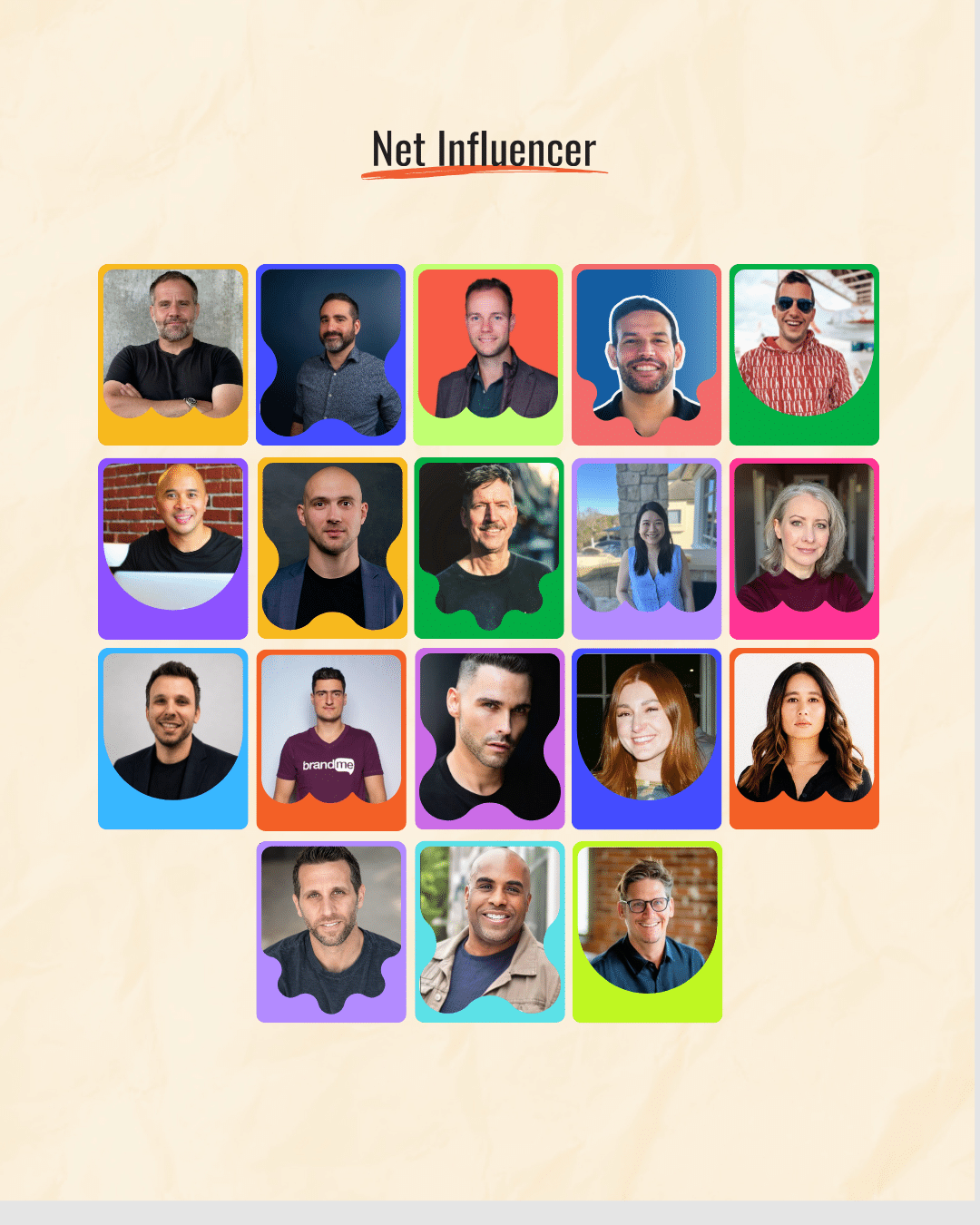
To explore that gap, we asked 18 executives across agencies, platforms, and Creator Economy businesses whether creator marketing is ready to compete with established advertising channels for long-term investment, what remains unresolved, and the single change they believe would unlock more consistent brand budgets.
Josh Stein, CEO, Attention Capital
Not yet, and the gap isn’t measurement.
Creators have the best measurement in media. A two-person YouTube channel can pull second-by-second retention, unique viewers, and repeat visits going back years. The NFL is arguing with Nielsen about whether the Super Bowl audience is off by 20 million. If measurement were the problem, creator budgets would already be permanent.
What’s missing is settlement. Every other channel prices off a number both sides agreed to accept. Television has Nielsen, however contested. Search has a click. Creator marketing has 50 dashboards and no currency, so a CMO defending the line item in a budget review is holding data nobody else in the building signed off on.
That’s why the money stays experimental. Nobody gets fired for buying television. Buying a creator still requires believing your own numbers in front of a CFO who doesn’t have to.
Itai Winter, VP, Social Commerce, Genni
Recognition is arriving late, not early. On TikTok Shop, creator marketing already has what most channels would kill for: closed-loop attribution. Every affiliate video is tied to units sold. Commission is paid on real orders. The winning posts become the ads. Measurement isn’t the problem. Ownership is. At most brands, creators live under PR. Affiliate commissions hide in cost of goods. Paid social runs creator content without ever talking to the creators. That’s three teams, three budgets and one funnel. Nobody owns the whole thing, so nobody defends it at planning time. Meanwhile, the rest of the industry keeps selling impressions and “sentiment,” then acts surprised when CFOs cut it first. The unlock is to stop budgeting creators like a campaign and start budgeting them like a revenue channel: always-on, owned by one team and reported in dollars, not views. Do that, and creator marketing stops fighting for permanent budget. It becomes the budget.
Tobias Hoss, Co-Founder, Senior Advisor, 30 Dishes
The merger is a lagging indicator. Creators became a core channel years ago. The institutions are just catching up to where the money already went.
But recognition isn’t maturity.
And the gap everyone names is the wrong one. Measurement isn’t broken. Brands measure creator campaigns fine when they bother to set a real objective first.
The actual problem: there’s no standard unit of purchase. TV has GRPs. Digital has CPMs. Creator has a rate card a manager made up on a Tuesday and a scope renegotiated from scratch every single time.
That’s why budgets stay project-based. Procurement can’t commit annually to something it can’t benchmark or forecast. Every deal is bespoke. Bespoke is slow. Slow channels don’t get permanent budget lines.
Biggest unlock: agree on what’s actually being bought. Defined usage terms, defined scope, measurement definitions that mean the same thing across three different agencies. Boring infrastructure work. Nobody wins a Lion for it.
Creators benefit most here. Standards make pricing legible, and legible pricing is how the good ones stop losing to whoever guesses lowest.
Daniel Caldas, Founder, Caldas Ecom
Yes, with a caveat: infrastructure, standards, and measurement gaps persist, and the pressure to close them is rising fast as serious capital flows into the Creator Economy. The recognition and legitimacy are warranted, but not maturity. Ad spend in the industry is projected to hit $43.9 billion in the U.S. this year, pressured by those gaps, with the organic and whitelisting one-two punch becoming the SOP. Relying just on the algo slot machines isn’t enough.
Another phenomenon is monetization platforms evolving into “all-in-one” solutions to run creators’ entire businesses. As their core features commoditize, they’re pressured to develop more to differentiate themselves because they build tools, not businesses, risking the classic SaaS overextension red flag. The danger is creators swapping one walled garden (socials) for another: one company hosting everything. Real maturity is modular backend infrastructure behind a seamless, branded frontend creators own and can swap piece by piece, not built on a single proprietary platform.
The biggest ad investment unlock is creators building new ad inventory with owned, measurable, predictable distribution: email and SMS/WhatsApp lists, newsletters, blogs optimized for Google and AI discovery, native landing pages, and private communities. Bonus points for providing audience behavioral data for whitelisting.
AB Lieberman, Founder, Clicks Talent
Creator marketing is already mature enough to be a core advertising channel. The bigger problem is that most brands still aren’t structured to treat it like one.
I don’t think measurement is the real blocker. We’ve somehow decided creator marketing needs to prove every dollar with perfect attribution before it deserves permanent budget, while brands have spent billions for decades on TV, OOH, sponsorships and brand campaigns with far less precise attribution.
The infrastructure gap is mostly inside the advertiser. Creator is still split between social, PR, brand, performance, influencer teams, agencies and procurement. Budgets are often campaign by campaign, approvals take forever, payments take forever, and nobody truly owns creator as a channel.
I also think trying to force creator marketing to behave exactly like traditional media would be a mistake. Creators work because they’re people, not ad inventory. Overstandardize it and you risk destroying the thing brands are buying in the first place.
The single biggest unlock: give creator marketing a permanent budget and a senior internal owner with the authority to deploy it year round.
Stop making creator prove that it deserves to exist every quarter. Treat it like a channel first, then build better measurement and infrastructure around it.
Rob Balasabas, Head of Creator Partnerships, Uscreen
Two things have me excited before we even get to the big question.
First, the calendar. Anyone working both events knows the June crunch, flying back from Cannes and catching maybe half of VidCon. Cannes in June and VidCon x LIONS Creators in the fall means two full events instead of two half ones.
Second, Nashville. Southern California is not short on creator events. Nashville opens up an entire region that hasn’t had a world-class creator conference in its backyard, including Uscreen customers I’m excited to see in person.
On the big question: the ad industry clearly sees creators as a real channel now, not a side experiment. But getting invited to the table isn’t quite the same as being ready to sit at it.
Measurement gets the blame, and I think that’s unfair. Brands paid around $8 million for 30-second Super Bowl ads and graded them on brand lift and next-day chatter. Billboard budgets get approved on estimated traffic counts. Creator marketing is held to a stricter standard than the channels it’s competing with for the same budget.
If I had to pick one unlock: give creator marketing one owner and one permanent budget line. Money tends to follow accountability before it follows proof.
Andrii Salii, Audiovisual Producer, MIA Studio
The recognition is there. The maturity isn’t – not even close. Creator marketing is now impossible to ignore, but that doesn’t mean it can fully compete with established advertising channels yet. Even declining formats like print still carry something social media often struggles with: institutional trust.
That matters especially in conservative niches like finance, fishing, or even knitting, and among 55+ audiences who control enormous purchasing power and capital. A 15-year-old TikToker with millions of followers isn’t automatically credible to them, regardless of the size or length of the brand deal.
We also lack enough mature creator businesses: trusted creators across generations supported by real media-company infrastructure – teams handling sales, legal, partnerships, production, and long-term strategy.
The biggest unlock is trust, not better attribution. Brands need to stop treating creators primarily as another performance channel generating immediate conversions. The strongest creators spend years building credibility with a very specific audience.
Ultimately, a brand isn’t buying impressions from a creator. It is temporarily renting the trust that creator has spent years earning.
Understanding whose trust you are renting – and why that audience values it – is what will turn creator budgets from experiments into permanent investment.
Rogier Vijverberg, Chief Creative Hero, SuperHeroes
Whether creator marketing works isn’t really the question anymore. The spend is there, and brands are growing their creator budgets four times faster than media overall. The real gap is how it’s used. Too many brands still treat creators as solo assets, clicked in after the campaign idea is locked.
The biggest unlock is bringing creators in at the start, into strategy and the creative idea, so that they’re no longer judged as a tactic, but as a channel. That’s what earns always-on budgets instead of one-off campaign items. VidCon joining Cannes Lions can push the industry that way.
Josephine (Jo) Wong, CRO & GM, POP.STORE
VidCon joining the same portfolio as Cannes Lions is less about creator marketing finally being recognized and more about how impossible it has become for the advertising industry to separate creators from the broader marketing conversation.
We saw that firsthand this year. Creator attendance at VidCon was still strong, but more industry professionals were choosing events like Cannes, while creators themselves are increasingly showing up and becoming a bigger presence at traditional advertising events. That overlap is a sign of how much the Creator Economy has grown.
But the industry also needs to stop thinking about creators solely as a marketing channel. Creators are building businesses, owning direct relationships with their audiences and driving commerce themselves. The infrastructure around them needs to catch up with that reality, from how partnerships are measured to how creators manage and monetize the communities they’ve built.
If I had to pick one change, it would be moving beyond follower count and reach as shorthand for creator value. Brands need to understand the strength of the relationship a creator has with their audience and what that relationship can actually drive.
Sarah McNabb, Chief Marketing Officer, GigaStar
VidCon’s inclusion is a real milestone, and it reflects something we see every day at GigaStar: Creators are no longer adjacent to culture; they are driving it. But recognition and maturity are different. The Creator Economy still lacks the standardized measurement, transparent buying practices, and dedicated internal ownership that advertisers expect from every other channel they invest in at scale. Too many brands still treat creator marketing as a testing budget rather than a core line item, which means it is the first thing cut and the last thing built out with real talent and process.
The single biggest change that would unlock more consistent investment is third-party verified measurement tied to actual business outcomes, not platform-provided vanity metrics. Once CFOs can compare a creator campaign to a paid social or linear buy using the same trusted numbers, budgets stop being experimental and start being structural. That is the real gap between where creator marketing sits today and where advertising’s biggest channels already are, and closing it is what will finally earn creator marketing a permanent seat at the table.
Fabio Gonçalves, Director of Talent, Viral Nation
Creator marketing is already a core advertising channel in terms of audience behavior, cultural influence, and the role it plays in discovery. What is still catching up is the way many organizations are structured around it.
Too often, creator marketing sits somewhere between social, PR, media, brand, and commerce. That fragmentation affects everything: who owns the strategy, how success is measured, where the budget comes from, and whether creator investment is treated as an annual priority or a series of isolated campaigns.
Measurement still needs to improve, but the industry should be careful not to force creator marketing into a single universal model. A creator-led brand campaign, an affiliate program, and a product launch are designed to achieve different outcomes and should not be evaluated against the same benchmarks.
The single biggest change that would unlock more consistent investment is clear internal ownership. When one team has responsibility for the strategy, budget, measurement, and long-term creator relationships, the channel becomes easier to plan, scale, and defend.
VidCon joining the LIONS ecosystem is meaningful recognition. The next stage of maturity is not proving that creators matter; it is building organizations that treat them as a permanent part of the marketing mix.
Gerardo Sordo Fernandez, CEO & Founder, BrandMe
Creator marketing has already earned its place as a core advertising channel. The question is no longer whether brands should invest in creators, but whether the industry can build the infrastructure needed to make that investment consistent, measurable, and scalable.
We’ve been working in creator marketing since 2011, and we’ve seen the industry evolve from experimental campaigns into a fundamental part of how brands connect with culture and consumers. The merger of VidCon with the LIONS ecosystem is another strong signal that creators are no longer sitting on the sidelines of advertising.
The biggest gap today is not relevance – it is standardization. Measurement, pricing, usage rights, talent structures, data and even the definition of success can still vary dramatically from one campaign or platform to another.
If I had to choose one change that would unlock more permanent brand budgets, it would be a more unified measurement framework that connects creator activity to real business outcomes, beyond views and engagement. Once brands can evaluate creator marketing with the same confidence and consistency as other media channels, investment will naturally become more recurring and strategic.
Pavllo Zengo, Chief Strategy & Brand Officer, The Influencer Marketing Factory
Creator marketing has already earned its place as a core advertising channel. The bigger question is whether the infrastructure around it has caught up.
Brands are no longer experimenting with creators. They are using them across awareness, content, paid media, commerce, product launches and long-term brand building. We are also seeing creator content increasingly become the creative engine for other channels, particularly paid social. That changes the conversation from “Should creators have permanent budget?” to “How should creator investment sit within the broader marketing ecosystem?”
Where the industry still has work to do is measurement and standardization. We have spent years talking about views, reach and engagement while brands are increasingly asking harder questions around incremental impact, brand lift, search behavior, conversion and revenue. There is also still too much inconsistency in how performance is measured across platforms, agencies and campaigns. VidCon joining the same portfolio as Cannes Lions, WARC and Effie feels like a natural reflection of where the business is going. Creators today influence far more than marketing. They influence what people discover, what they buy, the communities they join, the products brands develop and how culture moves.
That is the bigger opportunity. The future of creator marketing is less about proving creators deserve a seat at the advertising table and more about understanding how much of the business they can actually impact. As that influence continues to grow, the infrastructure, investment and accountability around creators need to grow with it.
Sophie Potter, Head of Organic Social, Open Partners
What was once treated as an emerging or experimental channel is increasingly being recognized by advertisers as a serious part of the media mix, with the power to build brand saliency and shape consumer behavior over the long term.
The next step is proving that impact. We don’t see measurement as a barrier to creator marketing becoming a permanent part of the media mix. By bringing together immediate, in-platform performance data with longer-term measurement, including dynamic econometrics, marketers can get a far clearer picture of the incremental impact and ROI their creator investment is driving. That moves the conversation beyond views and engagement toward genuine business value.
Megan Duong, Co-Founder & CEO, Plot
Creator marketing is absolutely an advertising channel. Brands are paying for distribution and access to an audience, just like they do across other media. What hasn’t caught up is the infrastructure around that spend. Finding and vetting the right creators, negotiating constantly changing rates, tracking what actually went live and measuring the outcome are still incredibly manual. The next phase is automating more of that workflow and giving brands the intelligence and measurement to invest in creators with the same confidence as any other major advertising channel.
Ido Mart, Chief Marketing Officer, Manychat
It was frankly shocking to see how completely Cannes Lions went all in on creators this year. What had been the tentpole for celebrating creativity and impact in advertising suddenly centered on creator marketing, creator-led campaigns, and creator involvement in seemingly everything. I’ve never seen a shift happen so quickly and so comprehensively.
It’s easy to see why.
Creators give brands access to highly relevant audiences, with trust and attention already established. For marketers who believe that exposure to the right people makes them more likely to buy, the case for investment is a no-brainer and doesn’t depend on perfect attribution.
For the more performance-minded, something even more interesting is happening: the audience can talk back. On Instagram, creator campaigns are already starting conversations through comments and DMs, triggering workflows that qualify interest and help people take action. There’s a path from exposure to conversation to purchase, all within the same environment.
We’re going to see much more of that in 2027. The Creator Economy is only getting started.
Bill Herndon, Founder & CEO, ATRX Agency
VidCon joining the Cannes Lions portfolio is significant because creator marketing no longer needs to prove that it belongs in the advertising ecosystem. But recognition and maturity are two different things.
Creator marketing can’t become a mature advertising channel if only one side is expected to mature.
Brands need better measurement, clearer internal ownership and more disciplined investment strategies. Creators increasingly operating as media businesses need stronger business practices, content development and a clearer understanding of their commercial responsibilities. Platforms, agencies and intermediaries also have a responsibility to build infrastructure that supports sustainable growth rather than simply more transactions.
That’s where I believe Brand & Creator Stewardship becomes important. Performance will always matter, but so do alignment, audience trust and understanding the value and responsibilities each side brings to the relationship.
If I had to identify one change that would unlock more consistent advertiser investment, it would be greater accountability across the entire ecosystem. Measurement is part of that, but maturity requires brands, creators and the companies supporting them to evolve together.
Glenn Ginsburg, President, QYOU Media
This is a great move. Cannes Lions and VidCon are seminal events, and bringing them under the same management creates an opportunity to make both stronger. Each brings a different perspective and community. Better coordination can improve the experience for brands, agencies and creators, especially those who have had to stretch their teams, time and budgets to participate in both.
There’s also real value in bringing the people shaping creator culture closer to the people making major advertising investment decisions. That can help turn recognition into stronger working relationships and sustained investment.
Creator marketing is heading toward permanent budgets and brands are organizing themselves to support that commitment. Creative, social, paid media and communications teams need shared goals and a coordinated approach to planning and measurement.
The biggest unlock is getting those teams aligned. Bringing these events together is a positive step for the industry. That same coordination inside brands will help creator marketing earn a lasting place in the enterprise.
Subscribe to Our Newsletter
Check Out Our Podcast