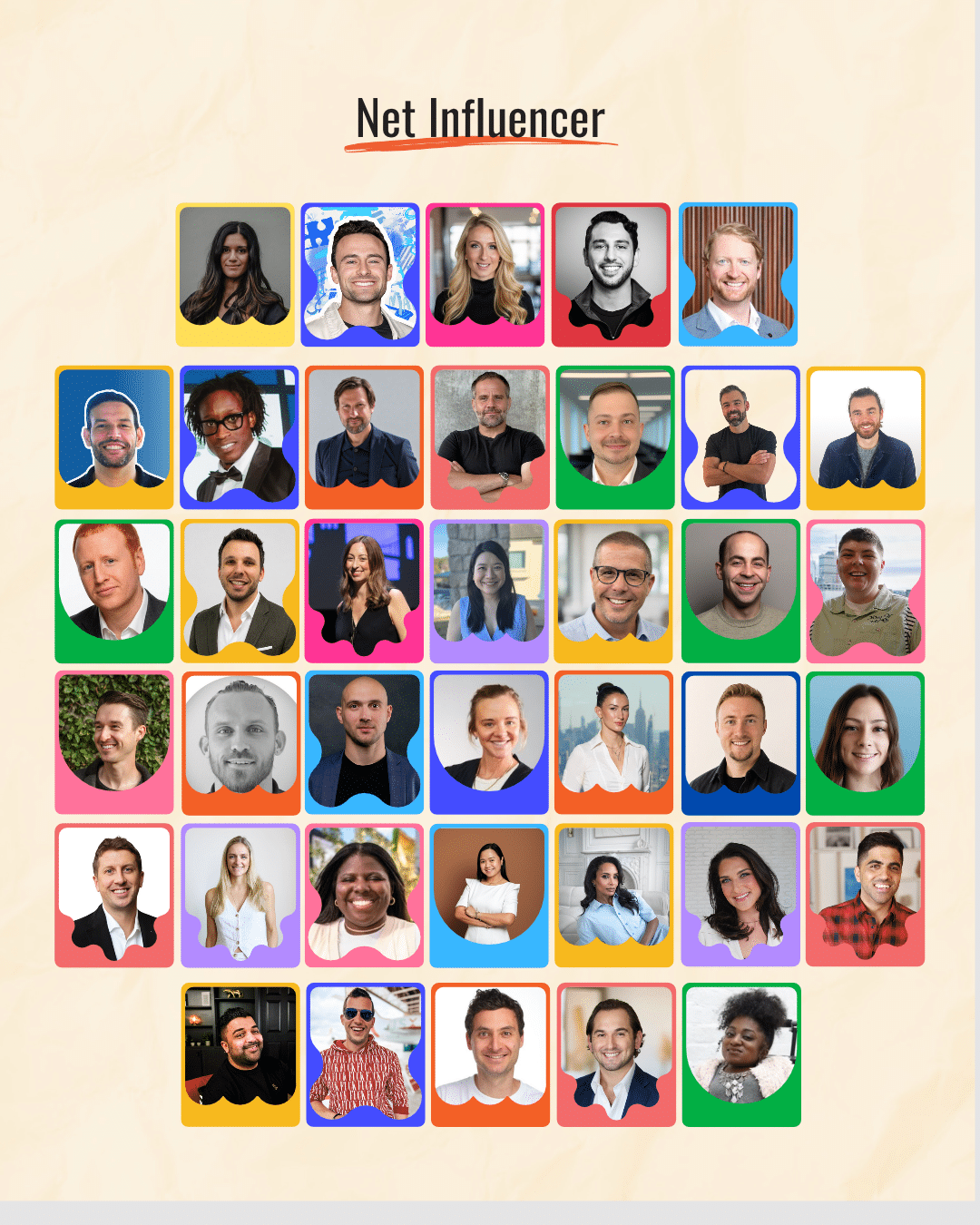
Expert creators continue to build audiences on LinkedIn and YouTube, and some enterprise software companies now pay creators five and six figures to post on LinkedIn. Most B2B brands, however, still spend little to nothing on creators compared with their consumer peers. To better understand why, we asked 39 industry professionals what is holding B2B brands back from investing in creators.
Measurement, not belief. A 2026 Walker Sands survey of 200 enterprise B2B marketing and sales leaders found that difficulty measuring ROI is the top barrier to more creator spend.
A lifter might see their favorite gymfluencer wearing an $89 pump cover hoodie and buy it that night. By contrast, enterprise software running at five figures a year goes through multiple people and departments, so a lead may land in the CRM in August and close the next March. If socials’ top-of-funnel metrics are a fragile conversion proxy in B2C, they’re mostly noise in B2B. By the time the deal closes, the CRM often just credits paid search, a direct visit, or the SDR, not the creator who started it.
The fix is recording that first touch. The brand builds a lead magnet for the campaign and runs it through creators’ owned channels: a dedicated landing page on their platform so the resource feels like it’s from them, promoted in their newsletter, private community, and blog. The sign-up form collects explicit consent to hear from the sponsor, so the brand gets opted-in leads it can match to CRM accounts months later, with the creator’s trust doing the early warming.
B2B brands aren’t holding back on creators because they don’t believe in the medium. They’re holding back because B2B marketing budgets are governed by a completely different approval chain to consumer brands, and most agencies pitching creator work haven’t adapted to that reality.
Three things get in the way. First, the measurement problem. Consumer brands can tolerate soft attribution because the sales cycle is short and the volume is high. In B2B the sales cycle runs six to eighteen months and every pound of marketing spend has to defend itself against pipeline, not impressions. Most creator agencies still pitch B2B programs with the same reach metrics they pitch to a soft drinks brand. That gets you a polite no from a CFO.
Second, the risk profile. A consumer brand getting a creator tone slightly wrong is a bad week on social. A B2B brand getting a creator tone slightly wrong is a procurement conversation, a legal conversation, and a board conversation. The internal cost of a bad creator decision is much higher, which means the internal appetite for risk is much lower. Agencies that treat B2B like consumer with a different filter miss this entirely.
Third, the talent pool genuinely is thinner. There are brilliant B2B creators on LinkedIn and YouTube now, but the number of them who can hold up against sustained enterprise brand use is still much smaller than consumer. Scaling a B2B creator program is harder than scaling a consumer one, and the operators who can actually do it are rare.
The B2B brands who will win this next cycle are the ones who stop asking “can we do what consumer brands do?” and start building the operational model their own audience and sales cycle actually requires.
B2B brands are generally behind B2C brands in their adoption of online creators and influencers and that’s partly a labeling issue. B2B has long relied on expertise, reputation and recommendation to influence buying decisions, so the principle isn’t new.
Part of it is language; B2C brands will look for reach, engagement and brand fit as the main measures of success. B2B buyers value relevance, authority and reputation. For example, if you ask a B2B marketer if they work with influencers or creators many might say no, but ask if they partner with industry experts, academics or professional bodies to create content and build credibility the answer is usually yes. The principle is the same however – using trusted voices to influence purchasing decisions.
The bigger hesitation among B2B brands tends to be measurement. With complex buying journeys, multiple decision makers and lengthy sales cycles that can stretch into years, demonstrating the direct commercial impact of creators is challenging, particularly when compared with more established B2B demand generation tactics.
Our advice is to start with the buying journey, not the influencer. Identify where there’s friction in the journey, where trust needs building or where expert voices could help move decisions forward, for example by reaching different members of a buying committee on platforms like LinkedIn and YouTube. Then define the role creators can play and agree upfront how to measure their contribution, using leading indicators such as engagement from target accounts and sales feedback rather than waiting for closed revenue.
One reason B2B brands hesitate is that the people they may most want to work with have built their audiences on independent judgment. The brand wants access to that credibility, but the usual sponsorship process can undermine it.
A technical expert earns an audience by being willing to say what works and what doesn’t. Put that person through six rounds of brand approvals and you risk losing the thing you’re paying for.
The more interesting partnerships give creators room to keep exercising that judgment. A brand might sponsor a series or support a newsletter, with the relationship disclosed and editorial independence intact.
That takes a different kind of commitment from the brand. You’re paying to reach an audience someone spent years earning, while accepting that you don’t get to dictate every word. A lot of companies still aren’t comfortable with that.
Attribution gets the blame, but B2B funds events without clean attribution all the time. The blocker is legal. An expert creator’s credibility comes from their day job, and so do their conflicts: competitor advisory roles, employer policies, old takes your buyers remember. Procurement can vet a vendor, not a person’s public history. Until it can, the budget goes somewhere safer.
LinkedIn is older than Facebook, but for most of its life it was a networking tool. You posted your resume and kept tabs on old coworkers. Nobody went there for content.
That changed during COVID, and Gen Z is pushing it further. They’re LinkedIn’s fastest-growing demographic and watch 82% more video than the average user. As they join buying committees, they bring their social habits with them.
The tools are even newer. LinkedIn started investing in creators in 2021. Thought Leader Ads opened to non-employees in 2024. The Creator Marketplace and BrandWorks launched this year. It’s hard to budget for a channel that barely existed.
Measurement is the other hurdle. In North America, the average B2B buying cycle is 11 months, and a typical purchase involves 6 to 10 decision makers. Creators build trust with that whole group long before anyone signs. That rarely shows up in last-click attribution.
It feels like YouTube in 2010. The brands that move now will have a head start.
1) Finding someone with a credible connection to their product.
2) Accepting that person might have their own ideas.
The first is genuinely harder in B2B. Your ideal customer might run procurement for a multinational, not a YouTube channel. But the second problem is entirely self-inflicted.
Look at the TikTok work Ramp (a business credit card) has done with Kolin Jones, (the face of Amalfi Jets). Rather than force a corporate finance pitch into a familiar influencer ad, they brought Ramp into his recognizable, entertaining private-jet skits. The product had a natural role in a format his audience already enjoyed.
That kind of collaboration gives control-obsessed B2B marketers the heebie-jeebies. Will it immediately result in a qualified lead? What about wastage? What if the creator goes off message?
Much safer to retreat into brand guidelines and make another entirely scrollable post.
Unfortunately, that’s just delaying the pain. 82% of B2B buyers are influenced by content creators during their buying journey according to LinkedIn. Competitors are taking advantage. Catching up later will hurt more.
The structure for a deal between an “expert” and a B2B brand often looks a lot different than a typical consumer-facing partnership. These expert arrangements more often are retainer or equity-based with ongoing deliverables as part of a larger partnership as opposed to singular deliverable(s) paid via a rate card, which is more typical for B2C brands and creators. Many agencies and/or rep firms have less experience with these partnerships, as do many brands, which causes a void of shareable case studies and in turn a slower uptick in these deals. Though when structured properly with the right creators, these B2B brands can experience tremendous upside.
What holds B2B brands back is not necessarily doubt that creators influence buyers. It is the mismatch between how that influence happens and how B2B companies measure and approve spending.
A software purchase may involve an end user, a technical evaluator, procurement, finance, and an executive sponsor. A creator can shape the thinking of one or several of those people months before a sales conversation begins, often while they are researching anonymously. Follower counts and last-click attribution rarely capture that contribution.
Creators are also held to a higher burden of proof than many established B2B channels. Trade shows, sponsorships, and networking remain familiar budget lines even when their impact is not perfectly measurable. Creator investment, by contrast, is often expected to prove exactly who was reached and how that exposure became pipeline.
The answer is not to evaluate B2B creators like broad-reach media. Brands need to look at audience relevance, professional credibility, content quality, and influence across a longer buying journey.
Until companies can connect creator exposure to account engagement, sales conversations, and eventual revenue, many will continue funding the channels they know how to justify rather than the voices already shaping buyer decisions.
B2B marketers need to stop fishing in overfished pools. Traditional B2B media is a relatively small, fragmented market, making inventory difficult to buy and often disproportionately expensive. Yet brands continue paying premiums, sometimes upwards of $400 CPMs, to reach narrowly defined audiences while overlooking the broader content those same decision makers consume every day.
As an executive decision maker myself, I can tell you that business content makes up a fraction of my media consumption. I might engage with industry content on LinkedIn, but I’m just as likely to be watching the Knicks or scrolling through fashion and cooking content on TikTok.
My purchasing authority doesn’t disappear when I log off for the day.
B2B brands need to get more comfortable investing in consumer creators and understand the impact of reaching decision makers outside of work mode. The opportunity is to collaborate with creators on messaging that feels natural to their content and resonates with audiences in the moment.
Your buyers are consumers first. Meet them where they already spend their time, and you’ll unlock opportunities that cold emails and gated content simply can’t deliver.
The real bottleneck for B2B brands isn’t measurement. It’s audience fit. Before investing in a creator, a brand needs to know the people following them are the ones who actually make the purchase decision.
In B2C, that question mostly answers itself. People follow creators because they identify with a lifestyle, so when a creator they admire talks about a skincare line or a pair of leggings, that trust carries straight over to a purchase.
B2B doesn’t work that way. The person a brand needs to reach is the executive who owns the buying decision, and finding a creator who has that person’s attention is far harder than finding a popular lifestyle influencer. Creator marketing was built for consumer brands, and it has to adapt as B2B turns to it to reach decision owners.
The answer starts with the buyer, not the creator. Brands have to map where their decision makers spend their attention, whether that’s LinkedIn, a niche newsletter or an industry podcast, then work backward to the creators those people already trust. A creator partnership is only the first touch, though. The brands that get this right build the path from content to action before the campaign goes live, whether that’s a webinar, a useful resource or a direct handoff to sales, so the attention a creator earns turns into real buying intent.
That’s why the real question goes beyond which creators to pick. It’s how creators fit into the broader channel strategy, and whether the spend is meant to build awareness or drive performance.
B2B brands are trying to measure creators like a consumer media buy or “Influencer Marketing.” The old-fashioned creator stats, reach and impressions, don’t map to a long sales cycle with a buying committee. But strategic communications today needs to put the AI chatbot front and center when imagining how a potential client builds their shortlist. Research from G2 shows that more than half of B2B buyers now turn to a chatbot before Google. On top of that, YouTube has become one of the most cited sources in AI answers. A respected expert explaining your category on camera builds credibility that compounds over time. The other mistake is treating creators as one-off sponsorships. B2B trust comes from repetition: recurring segments, co-authored research, a creator who actually uses the product. Brands that see this as reputation building instead of ad spend will find the budget.
Creators aren’t what holds B2B brands back from investing in creator marketing. Rather, the challenge is proving to B2B stakeholders that creator programs can meet the core demands of B2B marketing. That proof rests on three things.
First, strategic plans that go beyond a single consumer target, and instead map creators to niche audiences and each stakeholder across the B2B purchase journey. Second, creators who clear the high bar of trust and authenticity needed to convince these same audiences their advocacy is genuine. Oftentimes, that means identifying a brand’s existing advocates and engaging them as partners, or empowering employees to show up as creators. Finally, creators who can produce the content vehicles those strategies require. Broadly, that entails original content, often grounded in research, with omnichannel distribution and SEO/GEO strategies layered in to maximize visibility.
Put all of these factors together and B2B creator marketing is significantly harder and more nuanced than much of B2C creator marketing, which is why adoption and investment have lagged. But with the right strategic partner, B2B brands are poised to lead in a sector of the creator space that’s still emergent.
One of the biggest barriers to B2B brands investing in creators is the perception of wasted reach.
When you’re selling a niche product or service to a specific audience, investing in creators with thousands of followers can feel inefficient. Why pay to reach 100,000 people when only a fraction might ever become customers?
But that exposes a much bigger challenge in how B2B businesses approach marketing. We’ve become so focused on lead gen and immediate conversion that we’ve undervalued the role of brand building.
Creators offer an opportunity to change that. We’re seeing people like Eugene Healey, alongside brands like Tracksuit, build genuine influence within specialist communities, making complex industry conversations more engaging and relevant.
The opportunity for B2B brands is to think further up the funnel. To build familiarity and create demand among people who might become customers in the future or influence someone who will.
Ultimately, this requires a fundamental shift in mindset. B2B brands need to see creators as an investment in future demand, rather than judging every partnership on how many leads it delivers today.
Most B2B brands know exactly who their buyer is. What they can’t prove is which creators that buyer watches.
A D2C men’s grooming brand sells to a demographic, say men 18 to 45, and creator audience data shows that. A B2B buyer is a job title with a budget. They could be any age, anywhere, watching gaming, travel vlogs or anything else.
So B2B brands hold back until they can see what their buyers are watching. A big creator’s audience might hold only a handful of real buyers. Even content on the right topic can draw people learning the subject, not buying it.
Consumer brands can’t know who will buy either. They bet that the right demographics and content add up to a relevant audience. B2B brands make the same bet with far fewer signals.
Too many B2B brands still market as though they’re talking to businesses, not people. I think that’s part of what’s holding them back from investing in creators.
People don’t stop being people when they clock on. If anything, work brings more of us to the surface, not less. We’re still swayed by personalities, opinions and recommendations. It is all just humans talking to humans. Yet B2B marketing talks to the business and the job title, not the person carrying it.
Creators have built an industry on earning trust and attention. They know what interests people and how to say it without sounding like another corporate message.
Yes, ROI and measurement are open questions, and B2B creator marketing is still finding its feet. But some companies are already there. HubSpot has used creators for years, as an extension of the brand, and now credits them as one of its biggest sources of organic leads.
What’s really holding B2B back isn’t measurement. It’s a belief that being corporate makes B2B brands exempt from how people now choose who to trust. It doesn’t. Their buyers already follow creators. The only question is whether the brand shows up there too.
What holds B2B brands back is not a lack of creators. It is complexity, control, and measurement.
B2B companies are often slower by design. They have more stakeholders, longer approval chains, and more pressure to justify spend quarter by quarter. Creator marketing does not fit neatly into that system because the return is rarely immediate or perfectly attributable.
You can easily show how much you spent. It is much harder to prove exactly how many sales came from a specific creator within one quarter.
That uncertainty makes the easiest C-level decision: “Too complicated. Don’t do it.”
But the strongest brands understand that creator partnerships are not only a short-term acquisition channel. They are an investment in reputation, audience connection, and borrowed trust.
The easiest entry point is a controlled test: choose a small group of creators you already know, follow, or trust, and where the audience and brand genuinely overlap.
Start small. Measure what you can. Learn.
The biggest mistake is waiting for perfect attribution before entering the market.
By then, your competitors may already own the relationships.
B2B brands aren’t holding back because creators can’t reach their buyers. It’s because they don’t know how to measure it.
In B2B, the right creator is an expert who already has the trust of a very specific audience, often concentrated with key audiences on LinkedIn, YouTube and Reddit. Their influence shapes how buyers discover a company and judge its expertise, long before anyone talks to sales. But when buying cycles run close to a year, linking a creator post to pipeline can be harder (but always possible) with the right tracking and strategy.
The brands making progress treat creators as a program, not a campaign. They identify creators whose followers match their target ICP, they learn what converts, then narrow and amplify the best content through creator handles. You measure the whole journey, from brand lift to AI citations to pipeline created.
B2B brands hold back because they measure creator campaigns on a shorter timeline than their sales cycle. They want the credibility creators bring, but judge success by immediate leads. When those leads don’t materialize within a campaign window, they’re disappointed and reluctant to invest further.
Someone might watch an expert explain a problem on YouTube or follow their recommendations on LinkedIn long before requesting a demo. By the time that person talks to sales, the creator may have influenced which vendors they consider. If the reporting captures only the demo request, that contribution is easily missed.
The starting point is straightforward: Who are we trying to reach? What do we want them to do next? Read a case study? Explore a product? Sign up for a webinar? Brands and agencies should make those actions easy to take, track whether they lead to engagement and evaluate their contribution over a realistic sales cycle. A creator reaching 5,000 relevant buyers could be more valuable than one reaching 500,000 people outside the brand’s target market.
Creators should be accountable for performance. But if brands measure only the final step, they risk underfunding the people who helped buyers take the first one.
Many B2B brands still assume extended sales cycles and multiple decision-makers make their buying journeys too complex for creators to meaningfully influence. That belief is slightly outdated.
While copy and pasting B2C creator content methodologies wouldn’t yield meaningful results, B2B brands who don’t leverage creators at all in their strategy will ultimately be left behind. Regardless of who the decision-makers are, we all consume content in our daily lives, and businesses are not immune to influence. 6sense found the vendor a buyer favors before talking to sales wins 80% of the time, while LinkedIn reports nearly six in 10 B2B buyers discover new brands through creator content.
The real barrier to integrating creator content into B2B marketing strategies is measurement. The early influence of creators is nearly invisible to last-click attribution, so the impact of creators gets undervalued. The brands getting it right choose creators for expertise, because credibility doesn’t come from follower count, and measure them on pipeline like any other channel.
Most B2B brands aren’t afraid of creators. They’re afraid of writing a check today and waiting months to learn whether it worked.
They’re measuring only half the return. One creator investment can open two doors: reach buyers directly today and publish credible answers AI assistants may surface when buyers research – or increasingly buy – tomorrow.
We’ve seen the strongest results with our CPG clients using this approach. When a product is purchased repeatedly, acquiring one new-to-brand customer can pay off for years. B2B has its own version: long sales cycles and high customer lifetime value.
The key is to start with customer questions, not the creator’s content calendar. Analyze what buyers actually ask AI about comparisons, objections, use cases and limitations. Then pick credible creators on channels AI search already surfaces. Give them evidence, creative freedom and clear sponsorship disclosures.
Measure creator-driven demand alongside AI citations, recommendation share and new-customer sales. No one can promise an AI recommendation, but good answers can keep working long after a campaign ends.
Don’t rent an audience for a week. Build answers that buyers – and their AI agents – can find for years.
Too many B2B brands miss the forest for the trees when it comes to creator endorsements. They focus on content that matches their product instead of thinking about the people who actually buy it.
Say you sell payroll software. Your buyers might work in HR or finance, or hold CEO and director titles. That doesn’t mean your creator partnerships should be limited to finance and business content.
These are human beings with interests beyond their job descriptions. They laugh at Theo Von’s ramblings or settle in with a mug of tea and the latest Crime Junkie episode. Your next customer could be listening to either.
When you stick to your category, you limit your reach and compete in an environment already crowded with business solutions. Between the host’s investment advice, an interview about scaling a company, and three other software ads, your message can easily blend into the background.
B2B brands need to get more comfortable reaching decision-makers outside of “decision-maker mode.” A trusted creator’s endorsement can resonate even when the surrounding content has nothing to do with work. After all, you’re marketing to people, not job titles.
The biggest thing holding B2B brands back from investing in creators is the perceived lack of scale. Too many brands, particularly in SaaS, assume creator marketing begins and ends with tech and productivity channels. But decision makers don’t exclusively consume business content. They’re watching golf, Formula 1, luxury lifestyle and entertainment creators, too.
B2B brands need to stop targeting content categories and start targeting audiences. We’ve seen firsthand that creators outside traditional B2B niches can deliver strong returns when bought at the right price and measured against the right KPIs.
There’s also an incredible opportunity to connect creator campaigns with premium, real-world experiences that put brands directly in front of decision-makers.
B2B brands aren’t short of creators. They’re short of imagination about where their buyers actually spend their time.
B2B brands have been slower to embrace creators because they still see creator marketing as a consumer tactic. Behind every B2B decision is a human being, and people are influenced by people they trust, not just brands. Creators have built loyal audiences around their knowledge and opinions. In many ways, they’re the new trade press, giving B2B brands a powerful way to build credibility and influence.
Risk and measurement are part of the barrier, as is the preference for controlled messaging and easily attributable results. Creator partnerships are about building trust over time. The biggest opportunity is to build genuine, long-term relationships with people who already have the attention and trust of the audiences that matter.
Most B2B brands still treat creators as a way to get reach. But expert creators aren’t just audiences, they’re businesses built on trust. That’s where the hesitation comes from. A one-off sponsorship doesn’t match how B2B buyers make decisions, and creators who earn a living from their reputation are careful about who they put their name next to. The brands that set a clear goal and commit to a real, long-term relationship will find these creators much easier to work with, and much easier to justify internally.
I think what’s holding B2B brands back isn’t necessarily a lack of interest in creator marketing, but a lack of understanding of how influence translates into business outcomes. Unlike B2C, where success can generally be measured through reach, engagement, or immediate purchases, B2B has longer sales cycles, multiple decision-makers, and more complex customer journeys. This makes it harder for marketers to justify creator investments when they’re expected to demonstrate immediate ROI in any metric.
There’s also a misconception that Influencer Marketing is primarily for lifestyle, beauty, or entertainment brands (or B2C brands in general). But in B2B, influence isn’t necessarily about popularity. It’s about authority, credibility, and trust. A creator with 5,000 highly engaged LinkedIn followers who are actual industry decision-makers could potentially deliver more business value than someone with a million followers outside the target market.
I believe the opportunity lies in shifting the conversation from Influencer Marketing as a media buy to creator partnerships as a long-term trust-building strategy.
B2B brands don’t necessarily need bigger influencers. They need the right voices influencing the right people at the right stage of the buying journey.
The hesitation boils down to an outdated view of how today’s leaders learn. There’s a lingering assumption in B2B that serious buyers only make decisions behind closed doors or through white papers, completely discounting the influence of domain-expert creators. In reality, modern executives scroll LinkedIn and YouTube to stay sharp, and that’s often the exact place a new software or platform first lands on their radar. Niche creators have spent years building the kind of deep credibility that enterprise sales teams spend quarters trying to replicate. If you wait until a prospect is actively shopping, you’ve already missed the window where their opinions were shaped.
I respectfully disagree with the premise. It depends on the quality of the creator’s content and the expert insights they’re able to offer their audience. B2B brands are looking for creators who can break down complex tech and make it accessible to a broad audience. We’re seeing investment from B2B brands not only on LinkedIn and YouTube, but also on IG, TikTok, in creator newsletters, and IRL at global conferences. The hesitation comes into play when brands aren’t convinced a creator brings the expertise or audience fit.
They are not still convinced it will convert to revenue and have a hard time convincing upper management on how effective it can be when properly targeted. We will continue to see B2B startups accelerate in B2B creator marketing, before a massive push by legacy companies.
B2B creator marketing looks slow when you compare it with a consumer market that has had more than a decade to mature. The current wave of B2B investment is much younger, so brands are still building the confidence, experience, and internal support to commit meaningful budgets.
That confidence is growing. We’re seeing brands increase their creator spending year over year. As platforms like LinkedIn invest in creator tools and dedicated teams, the infrastructure around these partnerships is becoming more sophisticated. That makes it easier for brands to see where creators fit into their marketing strategies.
I don’t think B2B will need another decade to catch up. There are lessons from consumer marketing that can shorten the learning curve, from choosing the right partners to building relationships beyond a single campaign.
What needs to change is the willingness to give this channel enough time and investment to learn what works. Small, isolated experiments can only tell you so much. Brands need clear objectives, relevant creators, and the patience to build on results.
We’re still early, but the direction is clear: confidence is building, budgets are growing, and creator partnerships are becoming a more established part of the B2B mix.
B2B brands aren’t necessarily skeptical of creators; they’re cautious about investing in something they can’t clearly connect to business outcomes. B2B sales cycles are longer, involve several decision-makers, and rarely convert after a single interaction. That makes creator impact harder to capture with last-click attribution. Many teams also evaluate creators using consumer-marketing metrics, such as immediate reach or conversions, instead of looking at how expert content builds trust, shapes consideration, and supports the sales process over time. Until measurement reflects that longer journey, creator budgets will be harder to justify internally.
I think B2B brands are still too obsessed with measuring everything through immediate leads and conversions.
They’ll happily spend thousands on ads, events and sponsorships, but struggle to justify paying a creator who has spent years building trust with the exact audience they’re trying to reach. Part of the problem is that many still associate creator/Influencer Marketing with consumer brands, big audiences and vanity metrics.
But on LinkedIn, some of the most influential creators have relatively small audiences made up of founders, executives and decision-makers.
And in B2B, where buying cycles are long and trust plays such a big role, that influence is incredibly valuable.
I think B2B brands are leaving a huge opportunity on the table.
I think one of the biggest challenges for B2B brands is finding creators whose audiences actually align with who they’re trying to reach. A creator could have millions of followers, but if their audience isn’t made up of the business owners or decision-makers you’re trying to target, it may not be the right partnership.
That said, there are creators like Codie Sanchez who have built audiences around business, entrepreneurship, and investing. Those audiences could be incredibly valuable to the right B2B brand, even compared to a creator with a much larger following.
I also think a big part of it is how brands approach these partnerships. You can’t just hand a creator an advertisement and expect their audience to engage with it or buy the product. The best brand partnerships are the ones where the integration feels so organic to what the creator is already doing that it doesn’t even feel like you’re watching an ad. It’s content their audience would want to watch regardless of the brand being involved.
At the end of the day, it’s not always about having the biggest audience. It’s about reaching the right audience and working with creators to make something that genuinely connects with them.
In B2C, the connection between creator content and purchase feels pretty intuitive. In B2B, it’s a little more complicated, but that doesn’t mean the influence is any less powerful.
B2B brands are slowly starting to recognize the value of creators but many are still hesitant to put real dollars behind the strategy. Part of that comes down to measurement. When you’re selling a product with a longer sales cycle and multiple decision-makers, it’s harder to draw a straight line between a creator’s content and a closed deal. But that doesn’t mean the impact isn’t there.
We also need to rethink what a B2B creator actually looks like. They don’t have to be executives posting from corporate accounts. There are niche experts and industry personalities already building highly engaged communities on LinkedIn and YouTube, bringing a human perspective to technical conversations and earning the kind of trust that a traditional ad can’t always buy.
Brands that figure this out won’t be the ones trying to make B2B Influencer Marketing look like B2C. Instead, they’ll understand where their audiences already go for information and how to bring those voices into the conversation in a way that actually moves the business forward.
The biggest barrier is confidence: can a B2B brand reach relevant buyers through creators and demonstrate that the investment worked? Long buying cycles and specialist audiences make that harder to answer with follower counts or engagement alone.
I’m optimistic because better media measurement of creator marketing gives brands a stronger basis for investing.
The opportunity is to understand the target audience, preserve the creator’s credibility, and establish what success means before spending, amplify only to relevant audiences and measure the impact. As those capabilities improve, B2B marketers have more reason to invest with confidence.
I think there are two misconceptions holding brands back from B2B Influencer Marketing: either they don’t believe it delivers measurable ROI, or they think it isn’t right for their business. Both are far from the truth.
Influencer Marketing ROI can be measured in many ways, from link clicks and app downloads to event sign-ups and conversions. It’s not just about likes and views.
And when it comes to finding the right audience, every brand has potential customers on social media. The question isn’t whether Influencer Marketing is right for them, but where their audience is, which platforms they use, and how to reach them effectively.
This is where B2B Influencer Marketing agencies can make a real difference: helping brands identify the right creators, platforms, and strategies to make Influencer Marketing work for their business. All the brand needs to do is come to the agency with their target audience and goals for the campaign. The agency will handle the rest.
The biggest thing holding B2B brands back isn’t budget. It’s the measurement mindset. Most B2B teams were raised on last-click attribution, so they look at a creator post and ask, “How many demos did this drive this month?”
What they forget is that the average B2B deal cycle is several months, sometimes a full year. Nobody expects a trade show to close a six-figure contract in 30 days, so why expect that from creators? Creator marketing does speed up the cycle. Buyers show up warmer and already trust you. But it doesn’t rewrite enterprise buying overnight, and brands that pull the plug after one quarter are judging a long game by a short scoreboard.
That’s the bigger shift: B2B is moving from demand to brand. For a decade, everyone optimized for capturing existing demand. Now the winners are creating it, building trust long before buyers are in market through the voices they already follow. At Creator Match, we build custom reporting for every client so CMOs can see how that shows up in awareness, search, and pipeline over time.
B2B leaders also still picture “influencers” as consumer accounts holding up skincare. They miss the expert creators (former CMOs, operators, engineers) with real audiences of their exact buyers.
One of the biggest barriers holding B2B brands back from investing in creators is the misconception that business decision-makers aren’t influenced by social media. The reality is that B2B buyers are consumers too, and they increasingly turn to social media and trusted industry voices to inform purchasing decisions. We’ve seen LinkedIn perform particularly well for B2B creator partnerships, where industry experts can reach and engage professional audiences.
Creator partnerships give B2B brands an opportunity to build trust and credibility while bringing real-world applications of their services to life. Through authentic, relatable content, brands can connect with buyers in ways traditional marketing often can’t. Marketers need to start thinking about creators not just as an awareness tactic, but as drivers of trust and business growth.
The biggest thing holding B2B brands back from investing in creators isn’t a lack of belief in Influencer Marketing. It’s a lack of confidence that creator marketing can deliver measurable business outcomes at scale.
For years, Influencer Marketing has been positioned primarily as a brand awareness channel. Companies pay creators for content, impressions, and engagement, but struggle to connect that investment directly to qualified leads, pipeline, and revenue.
Creators should be viewed as distribution channels that brands can activate, measure, and optimize just like any other form of digital advertising.
Dragomir is a Serbian freelance blog writer and translator. He is passionate about covering insightful stories and exploring topics such as influencer marketing, the creator economy, technology, business, and cyber fraud.














Expert creators continue to build audiences on LinkedIn and YouTube, and some enterprise software companies now pay creators five and six figures to post on LinkedIn. Most B2B brands, however, still spend little to nothing on creators compared with their consumer peers. To better understand why, we asked 39 industry professionals what is holding B2B brands back from investing in creators.
Daniel Caldas, Founder, Caldas Ecom
Measurement, not belief. A 2026 Walker Sands survey of 200 enterprise B2B marketing and sales leaders found that difficulty measuring ROI is the top barrier to more creator spend.
A lifter might see their favorite gymfluencer wearing an $89 pump cover hoodie and buy it that night. By contrast, enterprise software running at five figures a year goes through multiple people and departments, so a lead may land in the CRM in August and close the next March. If socials’ top-of-funnel metrics are a fragile conversion proxy in B2C, they’re mostly noise in B2B. By the time the deal closes, the CRM often just credits paid search, a direct visit, or the SDR, not the creator who started it.
The fix is recording that first touch. The brand builds a lead magnet for the campaign and runs it through creators’ owned channels: a dedicated landing page on their platform so the resource feels like it’s from them, promoted in their newsletter, private community, and blog. The sign-up form collects explicit consent to hear from the sponsor, so the brand gets opted-in leads it can match to CRM accounts months later, with the creator’s trust doing the early warming.
Abraham Charles, Founder & CEO, each&everyone
B2B brands aren’t holding back on creators because they don’t believe in the medium. They’re holding back because B2B marketing budgets are governed by a completely different approval chain to consumer brands, and most agencies pitching creator work haven’t adapted to that reality.
Three things get in the way. First, the measurement problem. Consumer brands can tolerate soft attribution because the sales cycle is short and the volume is high. In B2B the sales cycle runs six to eighteen months and every pound of marketing spend has to defend itself against pipeline, not impressions. Most creator agencies still pitch B2B programs with the same reach metrics they pitch to a soft drinks brand. That gets you a polite no from a CFO.
Second, the risk profile. A consumer brand getting a creator tone slightly wrong is a bad week on social. A B2B brand getting a creator tone slightly wrong is a procurement conversation, a legal conversation, and a board conversation. The internal cost of a bad creator decision is much higher, which means the internal appetite for risk is much lower. Agencies that treat B2B like consumer with a different filter miss this entirely.
Third, the talent pool genuinely is thinner. There are brilliant B2B creators on LinkedIn and YouTube now, but the number of them who can hold up against sustained enterprise brand use is still much smaller than consumer. Scaling a B2B creator program is harder than scaling a consumer one, and the operators who can actually do it are rare.
The B2B brands who will win this next cycle are the ones who stop asking “can we do what consumer brands do?” and start building the operational model their own audience and sales cycle actually requires.
Sam Crocker, Managing Director, bray leino
B2B brands are generally behind B2C brands in their adoption of online creators and influencers and that’s partly a labeling issue. B2B has long relied on expertise, reputation and recommendation to influence buying decisions, so the principle isn’t new.
Part of it is language; B2C brands will look for reach, engagement and brand fit as the main measures of success. B2B buyers value relevance, authority and reputation. For example, if you ask a B2B marketer if they work with influencers or creators many might say no, but ask if they partner with industry experts, academics or professional bodies to create content and build credibility the answer is usually yes. The principle is the same however – using trusted voices to influence purchasing decisions.
The bigger hesitation among B2B brands tends to be measurement. With complex buying journeys, multiple decision makers and lengthy sales cycles that can stretch into years, demonstrating the direct commercial impact of creators is challenging, particularly when compared with more established B2B demand generation tactics.
Our advice is to start with the buying journey, not the influencer. Identify where there’s friction in the journey, where trust needs building or where expert voices could help move decisions forward, for example by reaching different members of a buying committee on platforms like LinkedIn and YouTube. Then define the role creators can play and agree upfront how to measure their contribution, using leading indicators such as engagement from target accounts and sales feedback rather than waiting for closed revenue.
Josh Stein, CEO, Attention Capital
One reason B2B brands hesitate is that the people they may most want to work with have built their audiences on independent judgment. The brand wants access to that credibility, but the usual sponsorship process can undermine it.
A technical expert earns an audience by being willing to say what works and what doesn’t. Put that person through six rounds of brand approvals and you risk losing the thing you’re paying for.
The more interesting partnerships give creators room to keep exercising that judgment. A brand might sponsor a series or support a newsletter, with the relationship disclosed and editorial independence intact.
That takes a different kind of commitment from the brand. You’re paying to reach an audience someone spent years earning, while accepting that you don’t get to dictate every word. A lot of companies still aren’t comfortable with that.
Theo Ruzhynsky, Co-Founder, VwD
Attribution gets the blame, but B2B funds events without clean attribution all the time. The blocker is legal. An expert creator’s credibility comes from their day job, and so do their conflicts: competitor advisory roles, employer policies, old takes your buyers remember. Procurement can vet a vendor, not a person’s public history. Until it can, the budget goes somewhere safer.
Brendan Gahan, Founder, Creator Authority, SVP B2B, Billion Dollar Boy
It’s early.
LinkedIn is older than Facebook, but for most of its life it was a networking tool. You posted your resume and kept tabs on old coworkers. Nobody went there for content.
That changed during COVID, and Gen Z is pushing it further. They’re LinkedIn’s fastest-growing demographic and watch 82% more video than the average user. As they join buying committees, they bring their social habits with them.
The tools are even newer. LinkedIn started investing in creators in 2021. Thought Leader Ads opened to non-employees in 2024. The Creator Marketplace and BrandWorks launched this year. It’s hard to budget for a channel that barely existed.
Measurement is the other hurdle. In North America, the average B2B buying cycle is 11 months, and a typical purchase involves 6 to 10 decision makers. Creators build trust with that whole group long before anyone signs. That rarely shows up in last-click attribution.
It feels like YouTube in 2010. The brands that move now will have a head start.
You can buy reach. You can’t buy credibility.
Olly Honess, Creative Director, Cubaka
B2B brands have two problems with creators:
1) Finding someone with a credible connection to their product.
2) Accepting that person might have their own ideas.
The first is genuinely harder in B2B. Your ideal customer might run procurement for a multinational, not a YouTube channel. But the second problem is entirely self-inflicted.
Look at the TikTok work Ramp (a business credit card) has done with Kolin Jones, (the face of Amalfi Jets). Rather than force a corporate finance pitch into a familiar influencer ad, they brought Ramp into his recognizable, entertaining private-jet skits. The product had a natural role in a format his audience already enjoyed.
That kind of collaboration gives control-obsessed B2B marketers the heebie-jeebies. Will it immediately result in a qualified lead? What about wastage? What if the creator goes off message?
Much safer to retreat into brand guidelines and make another entirely scrollable post.
Unfortunately, that’s just delaying the pain. 82% of B2B buyers are influenced by content creators during their buying journey according to LinkedIn. Competitors are taking advantage. Catching up later will hurt more.
Alec Shankman, Founder & CEO, HeartRock Partners
The structure for a deal between an “expert” and a B2B brand often looks a lot different than a typical consumer-facing partnership. These expert arrangements more often are retainer or equity-based with ongoing deliverables as part of a larger partnership as opposed to singular deliverable(s) paid via a rate card, which is more typical for B2C brands and creators. Many agencies and/or rep firms have less experience with these partnerships, as do many brands, which causes a void of shareable case studies and in turn a slower uptick in these deals. Though when structured properly with the right creators, these B2B brands can experience tremendous upside.
Fabio Gonçalves, Director of Talent, Viral Nation
What holds B2B brands back is not necessarily doubt that creators influence buyers. It is the mismatch between how that influence happens and how B2B companies measure and approve spending.
A software purchase may involve an end user, a technical evaluator, procurement, finance, and an executive sponsor. A creator can shape the thinking of one or several of those people months before a sales conversation begins, often while they are researching anonymously. Follower counts and last-click attribution rarely capture that contribution.
Creators are also held to a higher burden of proof than many established B2B channels. Trade shows, sponsorships, and networking remain familiar budget lines even when their impact is not perfectly measurable. Creator investment, by contrast, is often expected to prove exactly who was reached and how that exposure became pipeline.
The answer is not to evaluate B2B creators like broad-reach media. Brands need to look at audience relevance, professional credibility, content quality, and influence across a longer buying journey.
Until companies can connect creator exposure to account engagement, sales conversations, and eventual revenue, many will continue funding the channels they know how to justify rather than the voices already shaping buyer decisions.
Krystina Rubino, GM, Offline & Audio, Right Side Up
B2B marketers need to stop fishing in overfished pools. Traditional B2B media is a relatively small, fragmented market, making inventory difficult to buy and often disproportionately expensive. Yet brands continue paying premiums, sometimes upwards of $400 CPMs, to reach narrowly defined audiences while overlooking the broader content those same decision makers consume every day.
As an executive decision maker myself, I can tell you that business content makes up a fraction of my media consumption. I might engage with industry content on LinkedIn, but I’m just as likely to be watching the Knicks or scrolling through fashion and cooking content on TikTok.
My purchasing authority doesn’t disappear when I log off for the day.
B2B brands need to get more comfortable investing in consumer creators and understand the impact of reaching decision makers outside of work mode. The opportunity is to collaborate with creators on messaging that feels natural to their content and resonates with audiences in the moment.
Your buyers are consumers first. Meet them where they already spend their time, and you’ll unlock opportunities that cold emails and gated content simply can’t deliver.
Josephine Wong, Chief Revenue Officer, POP.STORE
The real bottleneck for B2B brands isn’t measurement. It’s audience fit. Before investing in a creator, a brand needs to know the people following them are the ones who actually make the purchase decision.
In B2C, that question mostly answers itself. People follow creators because they identify with a lifestyle, so when a creator they admire talks about a skincare line or a pair of leggings, that trust carries straight over to a purchase.
B2B doesn’t work that way. The person a brand needs to reach is the executive who owns the buying decision, and finding a creator who has that person’s attention is far harder than finding a popular lifestyle influencer. Creator marketing was built for consumer brands, and it has to adapt as B2B turns to it to reach decision owners.
The answer starts with the buyer, not the creator. Brands have to map where their decision makers spend their attention, whether that’s LinkedIn, a niche newsletter or an industry podcast, then work backward to the creators those people already trust. A creator partnership is only the first touch, though. The brands that get this right build the path from content to action before the campaign goes live, whether that’s a webinar, a useful resource or a direct handoff to sales, so the attention a creator earns turns into real buying intent.
That’s why the real question goes beyond which creators to pick. It’s how creators fit into the broader channel strategy, and whether the spend is meant to build awareness or drive performance.
Eric Schultz, Co-Founder, World’s Fair Communications
B2B brands are trying to measure creators like a consumer media buy or “Influencer Marketing.” The old-fashioned creator stats, reach and impressions, don’t map to a long sales cycle with a buying committee. But strategic communications today needs to put the AI chatbot front and center when imagining how a potential client builds their shortlist. Research from G2 shows that more than half of B2B buyers now turn to a chatbot before Google. On top of that, YouTube has become one of the most cited sources in AI answers. A respected expert explaining your category on camera builds credibility that compounds over time. The other mistake is treating creators as one-off sponsorships. B2B trust comes from repetition: recurring segments, co-authored research, a creator who actually uses the product. Brands that see this as reputation building instead of ad spend will find the budget.
Ari Berkowitz, Head of Creator Solutions, PMG
Creators aren’t what holds B2B brands back from investing in creator marketing. Rather, the challenge is proving to B2B stakeholders that creator programs can meet the core demands of B2B marketing. That proof rests on three things.
First, strategic plans that go beyond a single consumer target, and instead map creators to niche audiences and each stakeholder across the B2B purchase journey. Second, creators who clear the high bar of trust and authenticity needed to convince these same audiences their advocacy is genuine. Oftentimes, that means identifying a brand’s existing advocates and engaging them as partners, or empowering employees to show up as creators. Finally, creators who can produce the content vehicles those strategies require. Broadly, that entails original content, often grounded in research, with omnichannel distribution and SEO/GEO strategies layered in to maximize visibility.
Put all of these factors together and B2B creator marketing is significantly harder and more nuanced than much of B2C creator marketing, which is why adoption and investment have lagged. But with the right strategic partner, B2B brands are poised to lead in a sector of the creator space that’s still emergent.
Melo Meacher-Jones, Head of Social and Influencer, Iris London
One of the biggest barriers to B2B brands investing in creators is the perception of wasted reach.
When you’re selling a niche product or service to a specific audience, investing in creators with thousands of followers can feel inefficient. Why pay to reach 100,000 people when only a fraction might ever become customers?
But that exposes a much bigger challenge in how B2B businesses approach marketing. We’ve become so focused on lead gen and immediate conversion that we’ve undervalued the role of brand building.
Creators offer an opportunity to change that. We’re seeing people like Eugene Healey, alongside brands like Tracksuit, build genuine influence within specialist communities, making complex industry conversations more engaging and relevant.
The opportunity for B2B brands is to think further up the funnel. To build familiarity and create demand among people who might become customers in the future or influence someone who will.
Ultimately, this requires a fundamental shift in mindset. B2B brands need to see creators as an investment in future demand, rather than judging every partnership on how many leads it delivers today.
Race Johnson, Co-Founder, Pixly
Most B2B brands know exactly who their buyer is. What they can’t prove is which creators that buyer watches.
A D2C men’s grooming brand sells to a demographic, say men 18 to 45, and creator audience data shows that. A B2B buyer is a job title with a budget. They could be any age, anywhere, watching gaming, travel vlogs or anything else.
So B2B brands hold back until they can see what their buyers are watching. A big creator’s audience might hold only a handful of real buyers. Even content on the right topic can draw people learning the subject, not buying it.
Consumer brands can’t know who will buy either. They bet that the right demographics and content add up to a relevant audience. B2B brands make the same bet with far fewer signals.
Luke Grima, Managing Partner, Grey London
Too many B2B brands still market as though they’re talking to businesses, not people. I think that’s part of what’s holding them back from investing in creators.
People don’t stop being people when they clock on. If anything, work brings more of us to the surface, not less. We’re still swayed by personalities, opinions and recommendations. It is all just humans talking to humans. Yet B2B marketing talks to the business and the job title, not the person carrying it.
Creators have built an industry on earning trust and attention. They know what interests people and how to say it without sounding like another corporate message.
Yes, ROI and measurement are open questions, and B2B creator marketing is still finding its feet. But some companies are already there. HubSpot has used creators for years, as an extension of the brand, and now credits them as one of its biggest sources of organic leads.
What’s really holding B2B back isn’t measurement. It’s a belief that being corporate makes B2B brands exempt from how people now choose who to trust. It doesn’t. Their buyers already follow creators. The only question is whether the brand shows up there too.
Andrii Salii, Audiovisual Producer, MIA Studio
What holds B2B brands back is not a lack of creators. It is complexity, control, and measurement.
B2B companies are often slower by design. They have more stakeholders, longer approval chains, and more pressure to justify spend quarter by quarter. Creator marketing does not fit neatly into that system because the return is rarely immediate or perfectly attributable.
You can easily show how much you spent. It is much harder to prove exactly how many sales came from a specific creator within one quarter.
That uncertainty makes the easiest C-level decision: “Too complicated. Don’t do it.”
But the strongest brands understand that creator partnerships are not only a short-term acquisition channel. They are an investment in reputation, audience connection, and borrowed trust.
The easiest entry point is a controlled test: choose a small group of creators you already know, follow, or trust, and where the audience and brand genuinely overlap.
Start small. Measure what you can. Learn.
The biggest mistake is waiting for perfect attribution before entering the market.
By then, your competitors may already own the relationships.
Nicki Seaborn, Head of Creator Product, Later
B2B brands aren’t holding back because creators can’t reach their buyers. It’s because they don’t know how to measure it.
In B2B, the right creator is an expert who already has the trust of a very specific audience, often concentrated with key audiences on LinkedIn, YouTube and Reddit. Their influence shapes how buyers discover a company and judge its expertise, long before anyone talks to sales. But when buying cycles run close to a year, linking a creator post to pipeline can be harder (but always possible) with the right tracking and strategy.
The brands making progress treat creators as a program, not a campaign. They identify creators whose followers match their target ICP, they learn what converts, then narrow and amplify the best content through creator handles. You measure the whole journey, from brand lift to AI citations to pipeline created.
Scott Allan, Chief Marketing & Solutions Officer, URLgenius
B2B brands hold back because they measure creator campaigns on a shorter timeline than their sales cycle. They want the credibility creators bring, but judge success by immediate leads. When those leads don’t materialize within a campaign window, they’re disappointed and reluctant to invest further.
Someone might watch an expert explain a problem on YouTube or follow their recommendations on LinkedIn long before requesting a demo. By the time that person talks to sales, the creator may have influenced which vendors they consider. If the reporting captures only the demo request, that contribution is easily missed.
The starting point is straightforward: Who are we trying to reach? What do we want them to do next? Read a case study? Explore a product? Sign up for a webinar? Brands and agencies should make those actions easy to take, track whether they lead to engagement and evaluate their contribution over a realistic sales cycle. A creator reaching 5,000 relevant buyers could be more valuable than one reaching 500,000 people outside the brand’s target market.
Creators should be accountable for performance. But if brands measure only the final step, they risk underfunding the people who helped buyers take the first one.
Quinn Gawronski, Head of Content and Creators, Props
Many B2B brands still assume extended sales cycles and multiple decision-makers make their buying journeys too complex for creators to meaningfully influence. That belief is slightly outdated.
While copy and pasting B2C creator content methodologies wouldn’t yield meaningful results, B2B brands who don’t leverage creators at all in their strategy will ultimately be left behind. Regardless of who the decision-makers are, we all consume content in our daily lives, and businesses are not immune to influence. 6sense found the vendor a buyer favors before talking to sales wins 80% of the time, while LinkedIn reports nearly six in 10 B2B buyers discover new brands through creator content.
The real barrier to integrating creator content into B2B marketing strategies is measurement. The early influence of creators is nearly invisible to last-click attribution, so the impact of creators gets undervalued. The brands getting it right choose creators for expertise, because credibility doesn’t come from follower count, and measure them on pipeline like any other channel.
Andri Sadlak, Agentic Commerce Architect, Founder & CEO, ARTAN AI
Most B2B brands aren’t afraid of creators. They’re afraid of writing a check today and waiting months to learn whether it worked.
They’re measuring only half the return. One creator investment can open two doors: reach buyers directly today and publish credible answers AI assistants may surface when buyers research – or increasingly buy – tomorrow.
We’ve seen the strongest results with our CPG clients using this approach. When a product is purchased repeatedly, acquiring one new-to-brand customer can pay off for years. B2B has its own version: long sales cycles and high customer lifetime value.
The key is to start with customer questions, not the creator’s content calendar. Analyze what buyers actually ask AI about comparisons, objections, use cases and limitations. Then pick credible creators on channels AI search already surfaces. Give them evidence, creative freedom and clear sponsorship disclosures.
Measure creator-driven demand alongside AI citations, recommendation share and new-customer sales. No one can promise an AI recommendation, but good answers can keep working long after a campaign ends.
Don’t rent an audience for a week. Build answers that buyers – and their AI agents – can find for years.
Elsie Kaplan, VP of Partnerships, ADOPTER Media
Too many B2B brands miss the forest for the trees when it comes to creator endorsements. They focus on content that matches their product instead of thinking about the people who actually buy it.
Say you sell payroll software. Your buyers might work in HR or finance, or hold CEO and director titles. That doesn’t mean your creator partnerships should be limited to finance and business content.
These are human beings with interests beyond their job descriptions. They laugh at Theo Von’s ramblings or settle in with a mug of tea and the latest Crime Junkie episode. Your next customer could be listening to either.
When you stick to your category, you limit your reach and compete in an environment already crowded with business solutions. Between the host’s investment advice, an interview about scaling a company, and three other software ads, your message can easily blend into the background.
B2B brands need to get more comfortable reaching decision-makers outside of “decision-maker mode.” A trusted creator’s endorsement can resonate even when the surrounding content has nothing to do with work. After all, you’re marketing to people, not job titles.
Ed Fuller, CEO & Founder, Media Bodies
The biggest thing holding B2B brands back from investing in creators is the perceived lack of scale. Too many brands, particularly in SaaS, assume creator marketing begins and ends with tech and productivity channels. But decision makers don’t exclusively consume business content. They’re watching golf, Formula 1, luxury lifestyle and entertainment creators, too.
B2B brands need to stop targeting content categories and start targeting audiences. We’ve seen firsthand that creators outside traditional B2B niches can deliver strong returns when bought at the right price and measured against the right KPIs.
There’s also an incredible opportunity to connect creator campaigns with premium, real-world experiences that put brands directly in front of decision-makers.
B2B brands aren’t short of creators. They’re short of imagination about where their buyers actually spend their time.
Immy Groome, Co-Founder and COO, The Business of Creativity
B2B brands have been slower to embrace creators because they still see creator marketing as a consumer tactic. Behind every B2B decision is a human being, and people are influenced by people they trust, not just brands. Creators have built loyal audiences around their knowledge and opinions. In many ways, they’re the new trade press, giving B2B brands a powerful way to build credibility and influence.
Risk and measurement are part of the barrier, as is the preference for controlled messaging and easily attributable results. Creator partnerships are about building trust over time. The biggest opportunity is to build genuine, long-term relationships with people who already have the attention and trust of the audiences that matter.
Olivia Owens, Head of Marketing, Teachable
Most B2B brands still treat creators as a way to get reach. But expert creators aren’t just audiences, they’re businesses built on trust. That’s where the hesitation comes from. A one-off sponsorship doesn’t match how B2B buyers make decisions, and creators who earn a living from their reputation are careful about who they put their name next to. The brands that set a clear goal and commit to a real, long-term relationship will find these creators much easier to work with, and much easier to justify internally.
Ace Gapuz, CEO, Blogapalooza Inc.
I think what’s holding B2B brands back isn’t necessarily a lack of interest in creator marketing, but a lack of understanding of how influence translates into business outcomes. Unlike B2C, where success can generally be measured through reach, engagement, or immediate purchases, B2B has longer sales cycles, multiple decision-makers, and more complex customer journeys. This makes it harder for marketers to justify creator investments when they’re expected to demonstrate immediate ROI in any metric.
There’s also a misconception that Influencer Marketing is primarily for lifestyle, beauty, or entertainment brands (or B2C brands in general). But in B2B, influence isn’t necessarily about popularity. It’s about authority, credibility, and trust. A creator with 5,000 highly engaged LinkedIn followers who are actual industry decision-makers could potentially deliver more business value than someone with a million followers outside the target market.
I believe the opportunity lies in shifting the conversation from Influencer Marketing as a media buy to creator partnerships as a long-term trust-building strategy.
B2B brands don’t necessarily need bigger influencers. They need the right voices influencing the right people at the right stage of the buying journey.
Manar El Mugammar, President, Shine Talent Group
The hesitation boils down to an outdated view of how today’s leaders learn. There’s a lingering assumption in B2B that serious buyers only make decisions behind closed doors or through white papers, completely discounting the influence of domain-expert creators. In reality, modern executives scroll LinkedIn and YouTube to stay sharp, and that’s often the exact place a new software or platform first lands on their radar. Niche creators have spent years building the kind of deep credibility that enterprise sales teams spend quarters trying to replicate. If you wait until a prospect is actively shopping, you’ve already missed the window where their opinions were shaped.
Leila Marsh, Chief Talent Officer, The Drive
I respectfully disagree with the premise. It depends on the quality of the creator’s content and the expert insights they’re able to offer their audience. B2B brands are looking for creators who can break down complex tech and make it accessible to a broad audience. We’re seeing investment from B2B brands not only on LinkedIn and YouTube, but also on IG, TikTok, in creator newsletters, and IRL at global conferences. The hesitation comes into play when brands aren’t convinced a creator brings the expertise or audience fit.
Uptin Saiidi, Creator, @Uptin
They are not still convinced it will convert to revenue and have a hard time convincing upper management on how effective it can be when properly targeted. We will continue to see B2B startups accelerate in B2B creator marketing, before a massive push by legacy companies.
Aneesh Lal, CEO, The Wishly Group
B2B creator marketing looks slow when you compare it with a consumer market that has had more than a decade to mature. The current wave of B2B investment is much younger, so brands are still building the confidence, experience, and internal support to commit meaningful budgets.
That confidence is growing. We’re seeing brands increase their creator spending year over year. As platforms like LinkedIn invest in creator tools and dedicated teams, the infrastructure around these partnerships is becoming more sophisticated. That makes it easier for brands to see where creators fit into their marketing strategies.
I don’t think B2B will need another decade to catch up. There are lessons from consumer marketing that can shorten the learning curve, from choosing the right partners to building relationships beyond a single campaign.
What needs to change is the willingness to give this channel enough time and investment to learn what works. Small, isolated experiments can only tell you so much. Brands need clear objectives, relevant creators, and the patience to build on results.
We’re still early, but the direction is clear: confidence is building, budgets are growing, and creator partnerships are becoming a more established part of the B2B mix.
AB Lieberman, Founder, Clicks Talent
B2B brands aren’t necessarily skeptical of creators; they’re cautious about investing in something they can’t clearly connect to business outcomes. B2B sales cycles are longer, involve several decision-makers, and rarely convert after a single interaction. That makes creator impact harder to capture with last-click attribution. Many teams also evaluate creators using consumer-marketing metrics, such as immediate reach or conversions, instead of looking at how expert content builds trust, shapes consideration, and supports the sales process over time. Until measurement reflects that longer journey, creator budgets will be harder to justify internally.
Dani Markovits, CCO, Shake Content
I think B2B brands are still too obsessed with measuring everything through immediate leads and conversions.
They’ll happily spend thousands on ads, events and sponsorships, but struggle to justify paying a creator who has spent years building trust with the exact audience they’re trying to reach. Part of the problem is that many still associate creator/Influencer Marketing with consumer brands, big audiences and vanity metrics.
But on LinkedIn, some of the most influential creators have relatively small audiences made up of founders, executives and decision-makers.
And in B2B, where buying cycles are long and trust plays such a big role, that influence is incredibly valuable.
I think B2B brands are leaving a huge opportunity on the table.
Jared Jacobs, SVP, AGC Digital, AGC Studios
I think one of the biggest challenges for B2B brands is finding creators whose audiences actually align with who they’re trying to reach. A creator could have millions of followers, but if their audience isn’t made up of the business owners or decision-makers you’re trying to target, it may not be the right partnership.
That said, there are creators like Codie Sanchez who have built audiences around business, entrepreneurship, and investing. Those audiences could be incredibly valuable to the right B2B brand, even compared to a creator with a much larger following.
I also think a big part of it is how brands approach these partnerships. You can’t just hand a creator an advertisement and expect their audience to engage with it or buy the product. The best brand partnerships are the ones where the integration feels so organic to what the creator is already doing that it doesn’t even feel like you’re watching an ad. It’s content their audience would want to watch regardless of the brand being involved.
At the end of the day, it’s not always about having the biggest audience. It’s about reaching the right audience and working with creators to make something that genuinely connects with them.
Tamara Baskin, Senior Influencer Marketing Manager, Movers+Shakers
In B2C, the connection between creator content and purchase feels pretty intuitive. In B2B, it’s a little more complicated, but that doesn’t mean the influence is any less powerful.
B2B brands are slowly starting to recognize the value of creators but many are still hesitant to put real dollars behind the strategy. Part of that comes down to measurement. When you’re selling a product with a longer sales cycle and multiple decision-makers, it’s harder to draw a straight line between a creator’s content and a closed deal. But that doesn’t mean the impact isn’t there.
We also need to rethink what a B2B creator actually looks like. They don’t have to be executives posting from corporate accounts. There are niche experts and industry personalities already building highly engaged communities on LinkedIn and YouTube, bringing a human perspective to technical conversations and earning the kind of trust that a traditional ad can’t always buy.
Brands that figure this out won’t be the ones trying to make B2B Influencer Marketing look like B2C. Instead, they’ll understand where their audiences already go for information and how to bring those voices into the conversation in a way that actually moves the business forward.
Christian Dankl, Co-CEO & Co-Founder, Precisify
The biggest barrier is confidence: can a B2B brand reach relevant buyers through creators and demonstrate that the investment worked? Long buying cycles and specialist audiences make that harder to answer with follower counts or engagement alone.
I’m optimistic because better media measurement of creator marketing gives brands a stronger basis for investing.
The opportunity is to understand the target audience, preserve the creator’s credibility, and establish what success means before spending, amplify only to relevant audiences and measure the impact. As those capabilities improve, B2B marketers have more reason to invest with confidence.
Sapir Tori, Founder & CEO, Zano
I think there are two misconceptions holding brands back from B2B Influencer Marketing: either they don’t believe it delivers measurable ROI, or they think it isn’t right for their business. Both are far from the truth.
Influencer Marketing ROI can be measured in many ways, from link clicks and app downloads to event sign-ups and conversions. It’s not just about likes and views.
And when it comes to finding the right audience, every brand has potential customers on social media. The question isn’t whether Influencer Marketing is right for them, but where their audience is, which platforms they use, and how to reach them effectively.
This is where B2B Influencer Marketing agencies can make a real difference: helping brands identify the right creators, platforms, and strategies to make Influencer Marketing work for their business. All the brand needs to do is come to the agency with their target audience and goals for the campaign. The agency will handle the rest.
AJ Eckstein, Founder & CEO, Creator Match
The biggest thing holding B2B brands back isn’t budget. It’s the measurement mindset. Most B2B teams were raised on last-click attribution, so they look at a creator post and ask, “How many demos did this drive this month?”
What they forget is that the average B2B deal cycle is several months, sometimes a full year. Nobody expects a trade show to close a six-figure contract in 30 days, so why expect that from creators? Creator marketing does speed up the cycle. Buyers show up warmer and already trust you. But it doesn’t rewrite enterprise buying overnight, and brands that pull the plug after one quarter are judging a long game by a short scoreboard.
That’s the bigger shift: B2B is moving from demand to brand. For a decade, everyone optimized for capturing existing demand. Now the winners are creating it, building trust long before buyers are in market through the voices they already follow. At Creator Match, we build custom reporting for every client so CMOs can see how that shows up in awareness, search, and pipeline over time.
B2B leaders also still picture “influencers” as consumer accounts holding up skincare. They miss the expert creators (former CMOs, operators, engineers) with real audiences of their exact buyers.
Brooke McAlinden, Lead Brand Partner, Linqia
One of the biggest barriers holding B2B brands back from investing in creators is the misconception that business decision-makers aren’t influenced by social media. The reality is that B2B buyers are consumers too, and they increasingly turn to social media and trusted industry voices to inform purchasing decisions. We’ve seen LinkedIn perform particularly well for B2B creator partnerships, where industry experts can reach and engage professional audiences.
Creator partnerships give B2B brands an opportunity to build trust and credibility while bringing real-world applications of their services to life. Through authentic, relatable content, brands can connect with buyers in ways traditional marketing often can’t. Marketers need to start thinking about creators not just as an awareness tactic, but as drivers of trust and business growth.
Ayden Syal, Founder & CEO, MOGL
The biggest thing holding B2B brands back from investing in creators isn’t a lack of belief in Influencer Marketing. It’s a lack of confidence that creator marketing can deliver measurable business outcomes at scale.
For years, Influencer Marketing has been positioned primarily as a brand awareness channel. Companies pay creators for content, impressions, and engagement, but struggle to connect that investment directly to qualified leads, pipeline, and revenue.
Creators should be viewed as distribution channels that brands can activate, measure, and optimize just like any other form of digital advertising.
Subscribe to Our Newsletter
Check Out Our Podcast