Brand
Why e.l.f. Beauty Puts Paid Media Behind Creator Videos That Already Work Organically

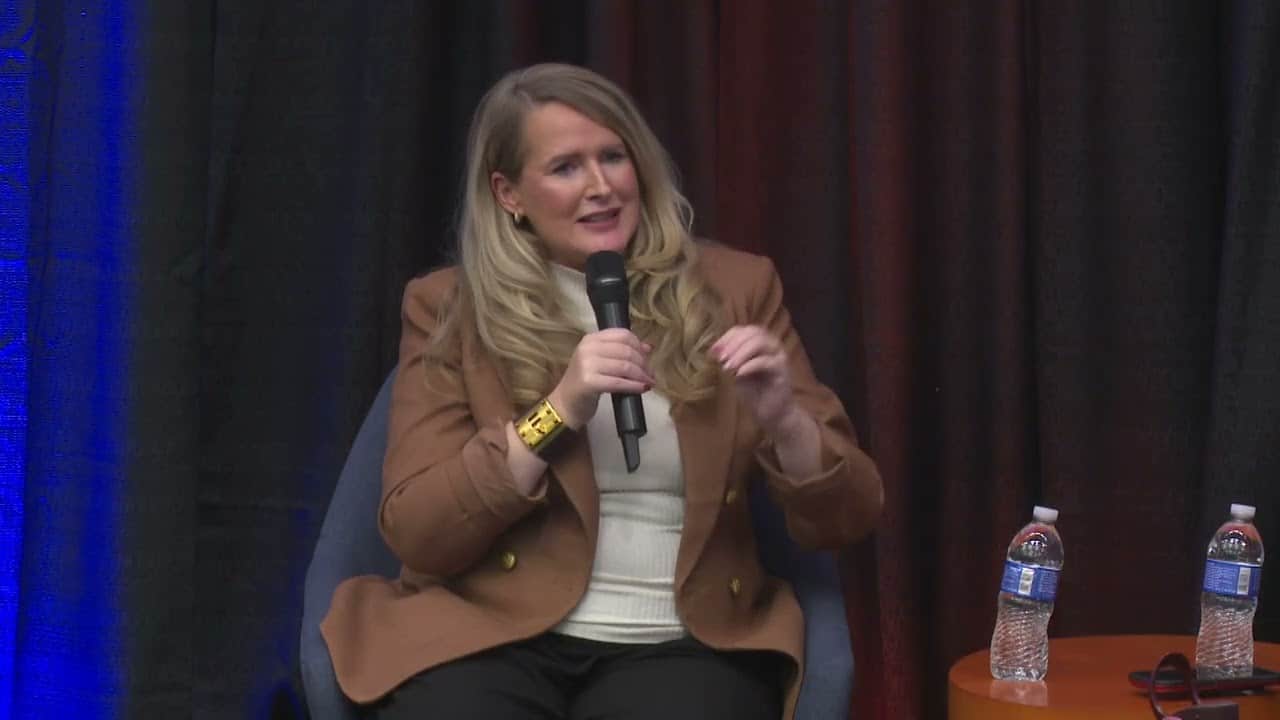
e.l.f. Beauty puts advertising behind creator videos that have already performed organically, from TikTok Shop affiliates and its agency alike, Kelly Shah-McDonnell, who leads connected commerce at the company, said in a fireside chat at Syracuse University’s ‘CUSE Creator Con that was posted to YouTube on October 29.
“If your video’s really good, we tend to boost it with advertising, so we’re taking what you produce and making it reach more eyeballs,” Shah-McDonnell said, speaking to students about e.l.f.’s affiliate program. The rule applies to content e.l.f. pays for as well. “If our agency posts a video of branded content and it works, then we’ll boost that. If an affiliate content runs, then they’ll boost it with paid,” Shah-McDonnell said. “So, we’re constantly watching the space.”
The affiliate program, which Shah-McDonnell called “Elphiliates,” runs mainly on TikTok Shop and is open to creators with at least 1,000 followers. Creators apply, receive a dashboard where they can claim product samples, and earn commission on the sales their videos drive. Shah-McDonnell’s team analyzes “which creators drove the most sales,” and whether those sales came from short video, live selling or broadcast. The team of about 40 also runs e.l.f.’s loyalty program, website, app and what Shah-McDonnell called “agentic discovery,” though Shah-McDonnell said most of the team’s time goes to TikTok Shop “because it is such a unique engine for us.”
Why Affiliates Come First
Shah-McDonnell’s case for starting with affiliates rests on incentives. “If you can over manufacture it with like a paid deal, it doesn’t always come to fruition,” Shah-McDonnell said. “Whereas an affiliate, they’re not really working a lot with [an] upfront paid deal in general. They are looking to the, the better my content is, the more chance I’m going to get a sale. And what’s going to drive a sale more than authenticity of telling an audience, this is my true opinion of this product.”
e.l.f. limits what it will amplify. “We don’t boost every video,” Shah-McDonnell said, citing AI-generated content and the “faceless accounts on TikTok Shop” that are “not really telling an authentic message.” The company also avoids tight creative control. “We don’t script, we don’t hyper hyper brief creators,” Shah-McDonnell said, adding that an honest negative review from a creator whose skin type does not suit a product was “okay for us cuz it’s authentic.”
Inside e.l.f., creator work is split by goal across three teams under a “one team, one dream” philosophy. Shah-McDonnell’s team handles “the lower funnel conversion side where we’re working with more affiliates that drive sales,” a separate influencer team buys into audiences for awareness, and a talent team negotiates celebrity deals. The company sorts the wider market into five groups internally: creators, affiliates, influencers, talent and broadcasters.
The approach sits alongside heavier creative bets. e.l.f.’s “Vanity Vandals” mockumentary with agency Movers+Shakers generated three billion press impressions and 40 million social views while keeping the brand’s name off screen for most of its runtime. YouGov data NI reported in July showed e.l.f. Cosmetics drew a Consideration score of 28% among Gen Z consumers who discover products through influencers, against 21% among Gen Z overall. A 5W report in June argued that beauty brands need programs of 1,000 creators or more to compete on TikTok Shop, citing e.l.f.’s roughly $1 billion acquisition of Rhode in May 2025.
The talk was part of Syracuse’s creator conference, where the university’s Center for the Creator Economy also released its “Creator, Defined.” study. Shah-McDonnell said e.l.f. is preparing for shoppers to check out inside AI assistants, framing the work as a hedge. “It’s not a definite, it’s more of a how do we stay agile enough that we can be there if it happens,” Shah-McDonnell said.
Subscribe to Our Newsletter
Check Out Our Podcast