
Agency
HLD Talent’s Hannah Holland Says Involve the Talent, Keep the IP, Price the Usage, Go Mainstream

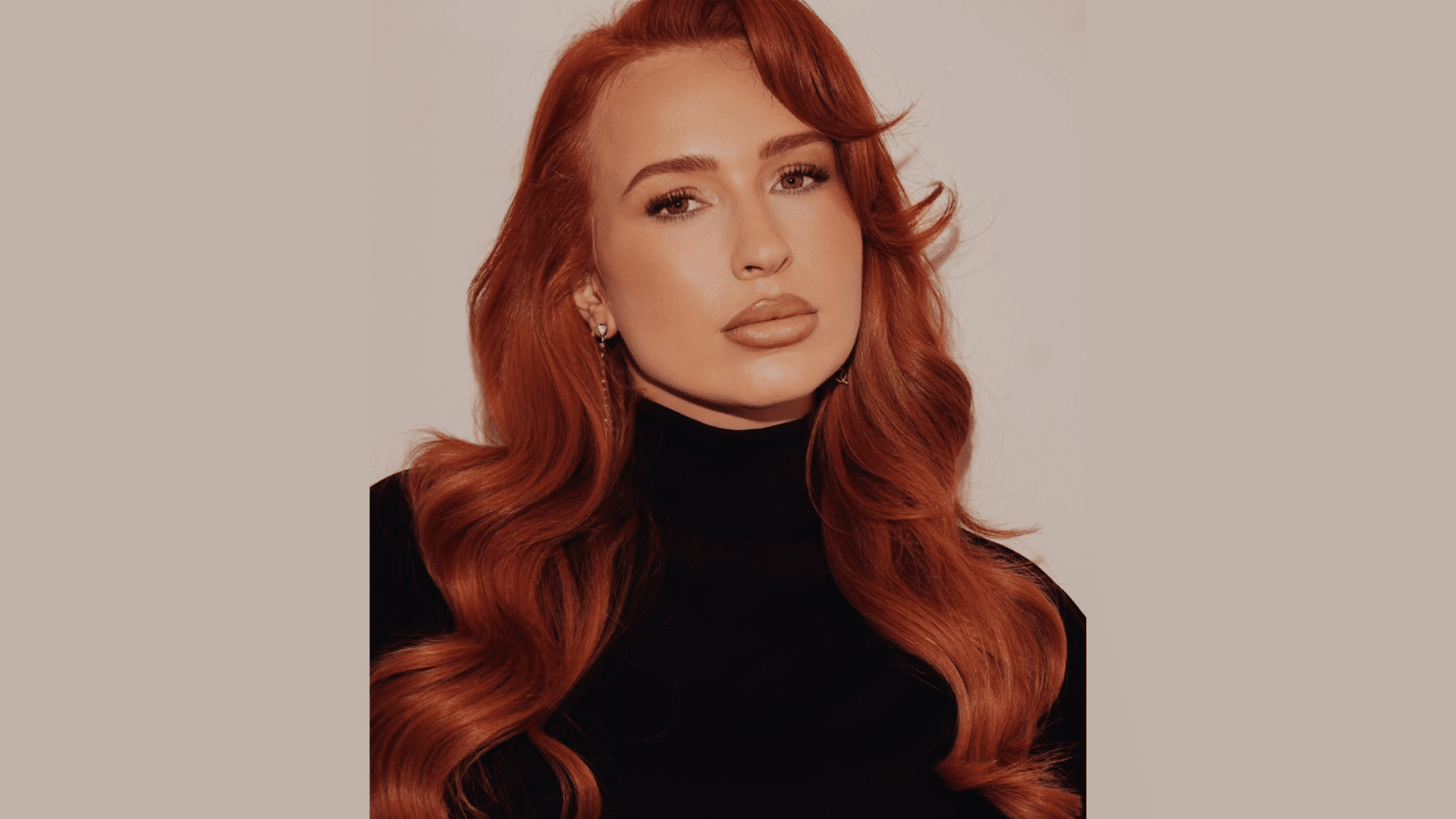
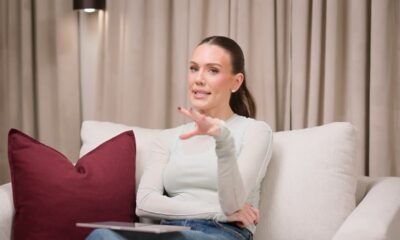
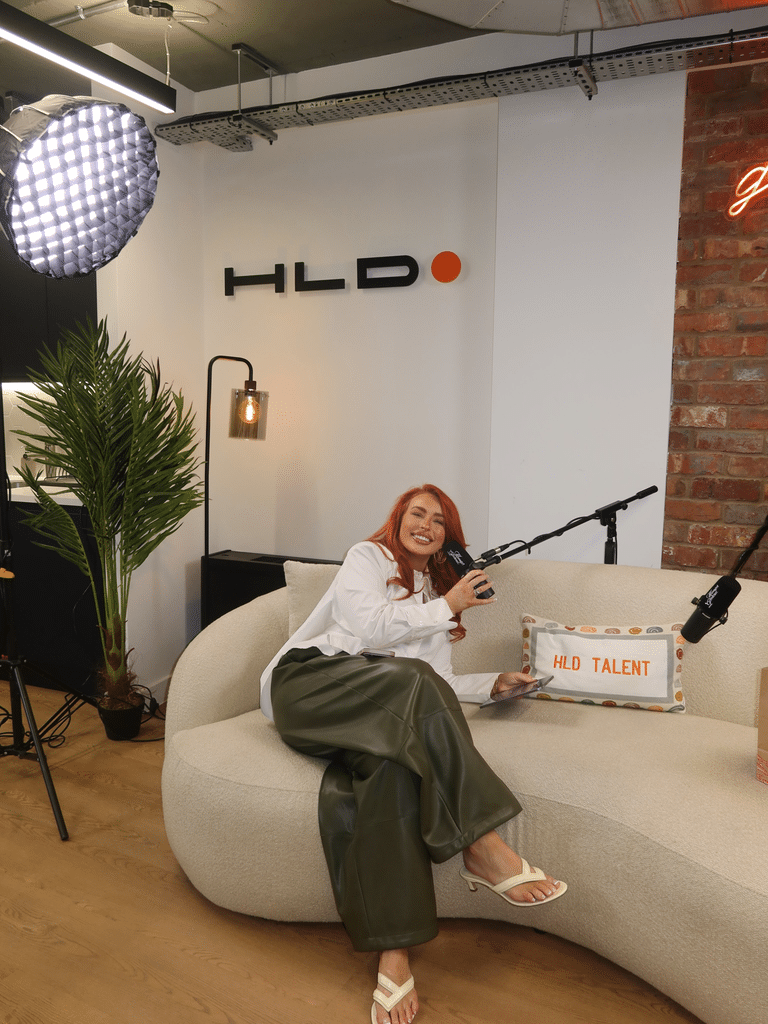
HLD Talent has largely stopped selling creators by the post. The London management agency now builds months-long brand partnerships with its talent involved from the start, pushes for creators to keep the intellectual property they help make, and moves them from social feeds onto television and radio. Founder Hannah Holland judges deal terms, from usage rights to ownership clauses, by what they do to a creator’s future earnings.
That longer view starts with how Hannah, a Forbes 30 Under 30 honoree, wants creators to see themselves. She argues that talent who don’t treat themselves as businesses stop growing. “We’re in an economy right now that is very oversaturated. So I think it’s eat or be eaten at this point,” she says. The 32-year-old founded HLD in London in 2019 after managing model Demi Rose Mawby at S66MGMT.
The creators HLD signs have big personalities and a clear niche, and the agency won’t take on anyone too similar to another existing client, so its talent isn’t competing for the same jobs. Hannah puts community ahead of reach. “You can have a million followers, but you have no influence on how they spend,” she says. HLD now represents about 50 creators, including GK Barry, under a model Hannah calls “boutique at scale.”
Scale still depends on managers who know each client in detail. UK agencies act as both agent and manager and, according to Hannah, all take a 20% commission, a model she prefers to the U.S. split between agents and managers. HLD keeps a talent bible, so a manager pitching a dog brand knows which clients own dogs. “It’s so important to know your talent inside and out that you could always answer on their behalf if needs be,” Hannah says.
Brand Partnerships Start Months Before the Shoot
That knowledge drives deal selection. Each year starts with managers and talent outlining the brands and subjects they want, and clients only partner with products they have tried. “That’s how people lose audiences very quickly: by inauthenticity,” Hannah says.
GK Barry’s deal with wine brand Echo Falls shows the process. HLD worked on it for about six months before the shoot. GK Barry tasted the wine, worked on the bottle labels and helped shape the launch concept, while HLD handled the contracts. According to Hannah, the collection generated higher first-day sales at Tesco than previous launches.
“Brands who don’t involve talent, they sort of just feed you what they want, and you’re just the face. That’s why sometimes things may fall short,” she says.
The structure changes what creators take from a deal. “We’re not doing loads of one-off deals where it’s like this much for a post,” Hannah says. HLD now negotiates deals where creators front a brand with commission and IP written in, which raises the question of who owns what they help build.
Cheap Usage Deals Cost Creators Later
“There’s just so much money going into usage exclusivity. And I think that’s how you differentiate good from the great: how much you can value that,” Hannah says of brand spending in 2026.
HLD usually prices usage as a percentage, depending on how content runs. It might be whitelisted through the back end of a creator’s Meta account, placed on a billboard or served as an ad on Tinder. Agencies in the UK each price it differently, she says, so every placement has to be understood before a number is set.
If a brand plans to put £100,000 behind usage and offers the creator £5,000, she says, “absolutely never, ever agree to that.” “If your client is just doing a one-off ad and then they’ve put £50,000 behind it, they are now known for that ad. It’s basically like a small campaign,” she says.
That exposure can affect future earnings, and the price has to account for it. “It’s not a quick cash thing,” she says. “The power of no is strong.” That future value matters more as HLD’s creators move into TV and radio.
Broadcast Turns Creators Into Household Names
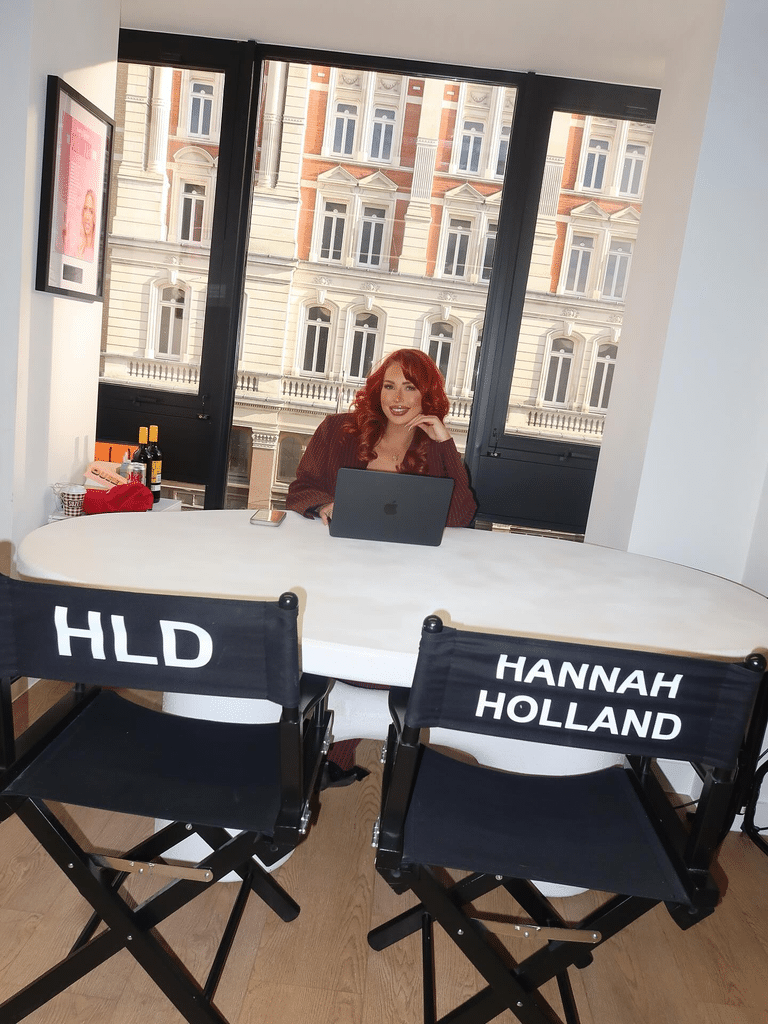
HLD’s stated specialty is taking digital talent mainstream. Two years ago, Hannah says, the industry still had to be convinced by TikTokers. She credits GK Barry’s run on “I’m a Celebrity… Get Me Out of Here!” that year with putting HLD on its current trajectory. “I think she really walked for others to run behind,” she says.
HLD made broadcast a formal division, led by Hannah. She now teaches managers how to take a client from digital to broadcast. Charley Marlowe narrated BBC’s “I Kissed a Girl” and broadcasts on Radio 1; GK Barry hosts a “Big Brother” spin-off; and Shakira Khan co-hosts a “Love Island” spin-off called “The Debrief” for ITV.
Hannah treats TV and radio largely as PR, since the money is limited unless a creator lands a major show, so most income still comes from digital and brand deals. HLD maps each client’s earnings as a pie chart and tries to fill every slice, from podcasts and live shows to the creator’s own brand.
HLD Pays for Its Growth From Its Own Revenue
Broadcast worked. Not every expansion has. “Commercial became more of an agenting style that’s not really us,” Hannah says of HLD Commercial. Other subsections didn’t work either. “We’ve tried. It didn’t work. Back to the drawing board. And I think that’s the beauty of being 100% self-owned,” she says.
HLD has no investors, no board, and no debt. Growth is funded by what the talent earns, which Hannah says has paid for higher salaries and new hires. Staff rose from about 15 or 16 two years ago to more than 20. “I’m a big believer in living within our means and growing as our income grows rather than forcing it,” she says, though she doesn’t rule out debt later. Independence lets HLD move quickly, she argues, citing BlackBerry as a company that didn’t.
She applies the pie chart to the agency itself, saying HLD has to strategize for its business the way it does for talent. “You shouldn’t have as one hero product and your whole income comes from there. You have to always be diversifying out,” Hannah says.
HLD has had many offers to sell, according to Hannah, and she feels no pressure from market consolidation. Her long-term goal is to acquire management firms and bring them in-house, though not yet. “Everyone’s like looking to sell, I’m looking to buy,” she says.
Digital and Broadcast Talent Are Converging
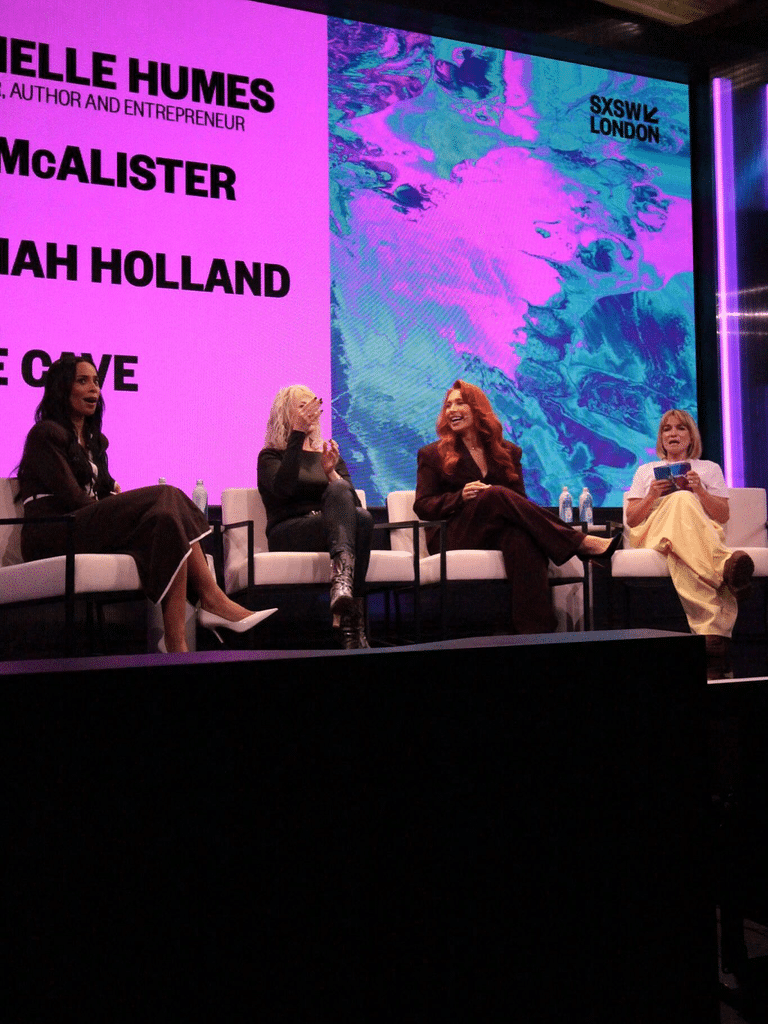
Over the next five years, Hannah expects the line between digital and heritage talent to disappear and ownership to keep moving toward creators, including stakes in production companies and television. That is the ownership she argues for in individual deals, extended to the companies that make the content. “What I thought would happen two years ago hasn’t,” she says.
HLD’s next step is a sister agency with a targeted launch early next year as Hannah prepares for maternity leave. “I think at some point you’re going to forget who came from where and it all just becomes one,” she says.
Subscribe to Our Newsletter
Check Out Our Podcast