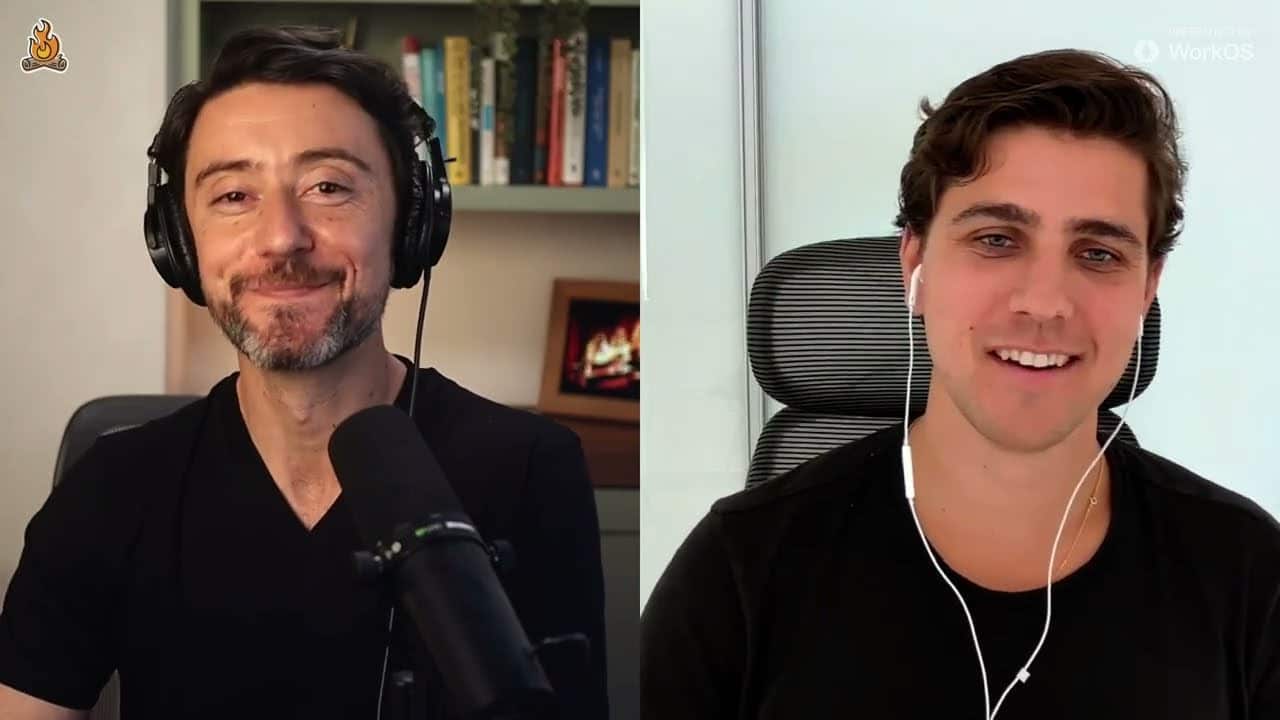
Hector Serrano, Head of Content at Wispr Flow, the AI voice-to-text company that raised at a $2 billion valuation, described how a 50-creator roster produces 500 to 600 paid user-generated content (UGC) ads a month. Creators earn a share of ad spend, and the best make more than $13,000 a month, Serrano said on “Lenny’s Podcast.” Serrano joined the company at 19, before the product had product-market fit. His program adapts a playbook DTC brands have used for years to SaaS.
Prove the Product, Then Turn on Paid Early
Paid UGC amplifies a product that already grows on its own. “There’s really no hack besides having a good product and then adding more leverage to pull from,” Serrano said. Once that holds, he recommends starting paid early, an “ecom approach” to SaaS. Paid advertising reveals more quickly whether messaging resonates and whether cold traffic converts, while organic content gives unclear numbers to companies new at it. He dismissed saturation fears, since new messaging and new ICPs are always available.
Pay on Performance, Not Views
Wispr Flow’s earlier organic UGC program paid creators on CPM to post from alternate accounts. It reached 500 million views in about two and a half months but drove few conversions, and the company ended it. About seven months ago, Serrano applied the same roster model to paid ads through Trybe, a platform for managing creators and paying them on ad results. SaaS brands pay a percentage of ad spend and ecommerce brands a percentage of GMV. Ad spend suits a product like Wispr Flow, where attribution can take a week or two.
Use a Smart Retainer
Commission alone can discourage new creators. In Serrano’s example, a creator who submits 25 videos is guaranteed $1,500. If commissions reach $500, the brand adds $1,000. If they reach $3,000, the creator keeps commissions only. Creators typically move to pure commission within three or four months, which Serrano called “pure profit” for the brand. Pay is uncapped and arrives every seven days. Some creators with 1,000 to 2,000 followers earn about $13,000 a month.
Skip the Brief
Serrano, a creator himself, argues that 10-page guidelines strip out the creative element. “There’s nothing more demotivating than that,” he said. Wispr Flow instead keeps the group open to experimentation. One top ad showed a keyboard on a rain-soaked roof, with raindrops typing words on a laptop under the caption “What is my keyboard trying to say?” “No two ads in our ad library look the same,” Serrano said.
Start with Five Creators to Fill Gaps
Serrano began with about five creators, selected to fill gaps in the ad library and customer profile rather than recruiting 100 similar ones. He avoided Trybe’s marketplace, where a brand with no payout history draws little interest. Instead, he searched Instagram keywords, mined followers lists, and sent 150 to 250 targeted, manual DMs over a week, which yielded five or six strong creators. His first message invites creators to join rather than immediately pitching performance-based pay, which creators often find new. The roster grew by five or six every few weeks. Of the roughly 1,000-1,500 weekly applicants, Wispr Flow accepts one to three and pays a $100 referral bonus.
Cast Creators Who Match the Customer
The roster includes engineers, lawyers, moms, sales reps, agency owners and an eight-figure ecommerce founder. For older, technical audiences, “the more boring and the uglier the ads are, the better they will perform,” Serrano said, citing long screen recordings. He also argues that creators with no following can be better investments than influencers, whom he says audiences often see as sellouts. Partnership ads from unknown accounts feel more genuine, he said.
Treat Creators as a Community
Onboarding starts with a conversation about the creator, followed by a slideshow covering Serrano’s background, the media buyer, the product, and example ads. Wispr Flow also runs weekly meetings, creator coaches, giveaways and a San Francisco retreat planned for next month. Word spreads quickly about brands that pay late, Serrano said, and companies with the best creator relationships “will win long term.”
Expect Fatigue and Demand Variety
When creators copy top performers, a brand ends up with hundreds of near-identical ads, which Serrano said Meta groups together. Fatigue also arrives faster than it once did: in 2024, an ad could run 12 months, but an ad that reaches about $100,000 in spend is now finished, sometimes within two to four weeks. Wispr Flow has about 5,000 lifetime ads and 800 to 900 live, spanning UGC videos, statics, influencer and celebrity videos, in-house ads and founder content.
Keep Humans on the Creative
“The best marketers are allergic to AI,” Serrano said. He argues AI should not touch final creative, and that AI-generated ads and AI influencers risk backlash. The team stays lean. Serrano handles creator communications, concepts and approvals, while a media buyer, Eric Zaworski, runs the ad accounts across Meta, LinkedIn and YouTube. Marketing has about 15 full-time staff within a company of more than 120. For hires, Serrano looks for someone who has grown an account past roughly 10,000 followers.
Dragomir is a Serbian freelance blog writer and translator. He is passionate about covering insightful stories and exploring topics such as influencer marketing, the creator economy, technology, business, and cyber fraud.














Hector Serrano, Head of Content at Wispr Flow, the AI voice-to-text company that raised at a $2 billion valuation, described how a 50-creator roster produces 500 to 600 paid user-generated content (UGC) ads a month. Creators earn a share of ad spend, and the best make more than $13,000 a month, Serrano said on “Lenny’s Podcast.” Serrano joined the company at 19, before the product had product-market fit. His program adapts a playbook DTC brands have used for years to SaaS.
Prove the Product, Then Turn on Paid Early
Paid UGC amplifies a product that already grows on its own. “There’s really no hack besides having a good product and then adding more leverage to pull from,” Serrano said. Once that holds, he recommends starting paid early, an “ecom approach” to SaaS. Paid advertising reveals more quickly whether messaging resonates and whether cold traffic converts, while organic content gives unclear numbers to companies new at it. He dismissed saturation fears, since new messaging and new ICPs are always available.
Pay on Performance, Not Views
Wispr Flow’s earlier organic UGC program paid creators on CPM to post from alternate accounts. It reached 500 million views in about two and a half months but drove few conversions, and the company ended it. About seven months ago, Serrano applied the same roster model to paid ads through Trybe, a platform for managing creators and paying them on ad results. SaaS brands pay a percentage of ad spend and ecommerce brands a percentage of GMV. Ad spend suits a product like Wispr Flow, where attribution can take a week or two.
Use a Smart Retainer
Commission alone can discourage new creators. In Serrano’s example, a creator who submits 25 videos is guaranteed $1,500. If commissions reach $500, the brand adds $1,000. If they reach $3,000, the creator keeps commissions only. Creators typically move to pure commission within three or four months, which Serrano called “pure profit” for the brand. Pay is uncapped and arrives every seven days. Some creators with 1,000 to 2,000 followers earn about $13,000 a month.
Skip the Brief
Serrano, a creator himself, argues that 10-page guidelines strip out the creative element. “There’s nothing more demotivating than that,” he said. Wispr Flow instead keeps the group open to experimentation. One top ad showed a keyboard on a rain-soaked roof, with raindrops typing words on a laptop under the caption “What is my keyboard trying to say?” “No two ads in our ad library look the same,” Serrano said.
Start with Five Creators to Fill Gaps
Serrano began with about five creators, selected to fill gaps in the ad library and customer profile rather than recruiting 100 similar ones. He avoided Trybe’s marketplace, where a brand with no payout history draws little interest. Instead, he searched Instagram keywords, mined followers lists, and sent 150 to 250 targeted, manual DMs over a week, which yielded five or six strong creators. His first message invites creators to join rather than immediately pitching performance-based pay, which creators often find new. The roster grew by five or six every few weeks. Of the roughly 1,000-1,500 weekly applicants, Wispr Flow accepts one to three and pays a $100 referral bonus.
Cast Creators Who Match the Customer
The roster includes engineers, lawyers, moms, sales reps, agency owners and an eight-figure ecommerce founder. For older, technical audiences, “the more boring and the uglier the ads are, the better they will perform,” Serrano said, citing long screen recordings. He also argues that creators with no following can be better investments than influencers, whom he says audiences often see as sellouts. Partnership ads from unknown accounts feel more genuine, he said.
Treat Creators as a Community
Onboarding starts with a conversation about the creator, followed by a slideshow covering Serrano’s background, the media buyer, the product, and example ads. Wispr Flow also runs weekly meetings, creator coaches, giveaways and a San Francisco retreat planned for next month. Word spreads quickly about brands that pay late, Serrano said, and companies with the best creator relationships “will win long term.”
Expect Fatigue and Demand Variety
When creators copy top performers, a brand ends up with hundreds of near-identical ads, which Serrano said Meta groups together. Fatigue also arrives faster than it once did: in 2024, an ad could run 12 months, but an ad that reaches about $100,000 in spend is now finished, sometimes within two to four weeks. Wispr Flow has about 5,000 lifetime ads and 800 to 900 live, spanning UGC videos, statics, influencer and celebrity videos, in-house ads and founder content.
Keep Humans on the Creative
“The best marketers are allergic to AI,” Serrano said. He argues AI should not touch final creative, and that AI-generated ads and AI influencers risk backlash. The team stays lean. Serrano handles creator communications, concepts and approvals, while a media buyer, Eric Zaworski, runs the ad accounts across Meta, LinkedIn and YouTube. Marketing has about 15 full-time staff within a company of more than 120. For hires, Serrano looks for someone who has grown an account past roughly 10,000 followers.
Subscribe to Our Newsletter
Check Out Our Podcast