



Strategy
Deloitte Digital’s Christina Kavalauskas On Why The Creator Economy Is A Business System, Not A Media Line Item

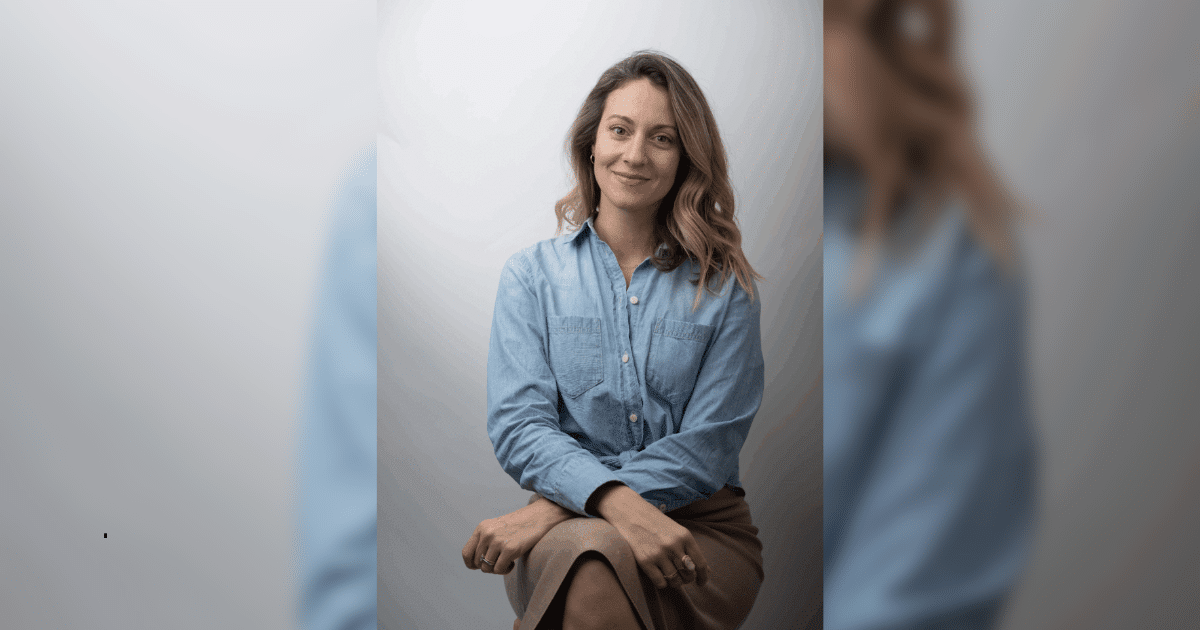
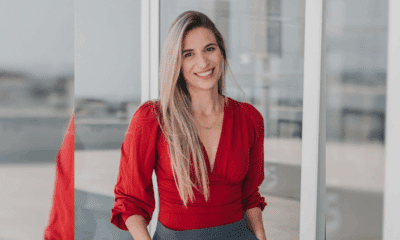
For Christina Kavalauskas, the creator economy is not an advertising channel, a media tactic, or a budget line item. It is a business system that sits at the intersection of culture, technology, and organizational decision-making. As Executive Strategy Director of Social & Creator at Deloitte Digital, Christina works with platforms and brands to understand how creator-led behavior reshapes not just marketing, but governance, measurement, and long-term growth strategy.
Christina has spent more than a decade operating at moments of platform inflection, from the early days of vertical video to the first wave of augmented reality advertising. Today, her work focuses on helping brands and technology companies make sense of creator-driven ecosystems as generative AI, platform fragmentation, and shifting consumer behavior converge.
“The work that we do within the creator economy is so much bigger than advertising alone,” she says. “It goes back to helping clients solve their biggest business challenges.”
At Deloitte Digital – part of Deloitte, founded in 1845 and now one of the world’s largest professional services organizations – Christina operates within a consulting environment that brings creator strategy into conversations typically reserved for operating models, monetization frameworks, and enterprise-level governance.
From Platform Innovation to Business Consulting
Christina did not begin her career in consulting. She came up through media and platform strategy, holding senior creative strategy roles at Snap and TikTok before joining Deloitte Digital in 2022.
Her early work centered on introducing marketers to unfamiliar formats and behaviors.
“In my old life, it was bringing vertical video to market for the first time and teaching creative teams that you can just flip your camera, and everything’s going to be okay,” she recalls. “Or launching augmented reality in the market for the first time and teaching people why that was a new, innovative way to connect with consumers.”
Those experiences shaped how she thinks about creators today, not as media placements, but as signals of how people actually behave. Moving into consulting gave her proximity to a different set of problems.
“What brought me over to Deloitte was the ability to get closer from a consultative perspective to my clients, beyond the world of advertising alone,” she says. “Thinking and partnering with them to solve these business challenges that are emerging based on new technology, new platform innovations, and the creator economy in general.”
Why Creator Strategy Now Extends Beyond Social Feeds
Much of Christina’s current work centers on how social and creator content operates beyond the feed.
Brands, she notes, are no longer thinking about social strategy in isolation. “The lens with which social strategy development is being taken by brands right now has evolved,” she says. “This content is informing the results that consumers are seeing in multiple places, not just on platform.”
Christina believes this shift has elevated creator content into areas such as generative search, discovery, and decision-making. “A lot of the results people are getting in generative search engines are being fueled by data from social platforms,” she explains. “If brands can’t replicate that thinking internally, they’re going to fall behind.”
According to her, this development is driving more fundamental questions from clients about who to work with, but how creator activity fits into enterprise-level strategy. For Deloitte Digital, that often means starting upstream. “Strategy is first and foremost,” Christina says. “What is the role that the creator plays for your larger business objectives, and how do we pull those levers in the right way?”
The Governance Problem Brands Didn’t Anticipate
As creator investment has scaled, governance has emerged as one of the most persistent challenges Christina encounters. Over the past year, many brands publicly committed larger budgets to creator partnerships. What followed was operational friction.
“When you do paid media, there’s a consistent endpoint; we all buy from the same place,” she says. “With creators, it’s infinite.” Global brands with decentralized marketing teams now find themselves engaging creators in radically different ways across regions, agencies, and business units.
“Clients are coming to us saying, ‘We’ve got to reel this in,’” Christina explains. “We need to make sure that when we go to market and talk to creators, our brand shows up consistently in how we engage them, how we contract them, and how we pay them.”
That work extends beyond campaign execution. Deloitte Digital is often brought in when internal structures begin to strain under creator scale. “We’re helping leaders make smart and strategic decisions about where they invest resources and financial dollars so they can have continued success in this space, not just for the campaign they’re activating today.”
The Persistent Confusion Between Creators and Celebrities
Despite years of industry discourse, Christina still sees brands struggle to distinguish between creators, influencers, and celebrities, and, more importantly, when to use each.
“We still talk to brands who say, ‘Oh yeah, we’re activating creators. We hired a celebrity for our TV spot,’” she says. “And you’re like, wait, that’s not what a creator is.”
The issue is not that celebrity partnerships lack value, she points out. The issue is misalignment. “You have to start with the business objective you’re bringing creators on board to help you with,” Christina says. “Then you determine who the right creators are to do that.”
Lower-funnel conversion, she notes, requires a different approach than awareness or brand association. Yet many brands default to large-scale partnerships because they are operationally easier. “It’s easier to contract a single talent through an agency,” she says. “When you go into micro and niche creators, you’re working with human beings who are building a business for the first time.”
That human complexity creates friction, but it also creates value, according to Christina. “Sometimes activating a creator really well is in opposition to the efficiencies brands are trying to find elsewhere,” she says.
Measurement Remains the Missing Infrastructure
One of the most consistent gaps Christina sees is measurement. “There is no consistent industry standard for how to look at the ROI (Return on Investment) of creators today,” she says.
Deloitte Digital is developing frameworks that move beyond vanity metrics by linking creator performance to first-party data and consumer behavior insights. “How do you actually say, ‘This creator is going to give you this ROI versus that creator,’ and put rigor behind it?” Christina asks.
Without that rigor, she believes brands risk cycling through the same debates year after year. “If brands can’t figure out what their core business objectives are and the role creators play in that, they’re constantly going to be in this circular reference of not really knowing how to use them the right way.”
Social Listening as an Underused Advantage
Christina believes one of the most overlooked capabilities in marketing organizations is social listening. “There is so much information in these spaces not just about brands, but about culture, community, and adjacent behaviors,” she says.
Yet, many teams still treat social and creator as executional outputs rather than insight engines. “The social space is where you should start and finish,” Christina argues. “If creative teams pull insights from community and creator conversations and use those to fuel ideas, the work is already built for the space it’s going back into.”
This shift requires organizational change. “We’re still stuck in this world of big idea, media campaign, and then social and creator as a line item,” she says. “That model doesn’t reflect how consumers actually behave anymore.”
Power in the Creator Economy Is Conditional
When it comes to the powerholders in the creator economy, Christina thinks “there isn’t a single powerful entity, but the balance shifts ebbs and flows across all players in the ecosystem as they are intrinsically linked.”
For her, platforms that invest in creator success, through tools, education, and business support, earn loyalty. “Creators are building businesses,” she says. “The platforms that make that easier are the ones creators continue to invest in.”
Creators, in turn, exert power through choice. “They can turn it on and turn it off,” Christina says, pointing to creators stepping back for mental health or refusing partnerships that feel transactional. “That ripple effect matters.”
For brands, Christina notes that power depends on how human their approach is. “This is a human-driven economy,” she says. “When that human element isn’t upheld, that’s where the power dynamic breaks.”
Saturation, Differentiation, and the Next Creator Phase
Looking ahead, Christina sees both opportunity and strain, particularly for creators. “Black Friday was a good example,” she emphasizes. “There was so much commission-based content that it started to feel saturated.”
As a result, creators are rethinking monetization. “The playbook of post content and secure brand partnerships has changed,” she says. “Creators are getting creative about how they make their businesses work.”
Christina believes that experimentation will force brands to adapt. “If creators are building revenue streams off platform, brands have to decide how they engage with that,” she says. “Do they lean into it, or stick to a traditional playbook?”
AI as an Enabler, Not a Replacement
AI will be a major focus for Deloitte Digital in 2026, particularly within social and creator workflows. However, Christina is clear about its role. “AI is a tool to help enable humans,” she says.
She points to a personal example: watching her children learn to use image-generation tools. “The tools still need human intervention,” she says. “Humans need to know how to use them well.”
That philosophy guides Deloitte Digital’s approach. The goal is not automation for its own sake, but to use AI to help brands address creator-economy challenges more effectively while preserving what makes the space work.
What Comes Next?
For Christina, the future of the creator economy depends on collaboration done right. “I want to continue to see brands collaborate with creators in ways that are unique to those creators and their communities,” she says.
She remains optimistic. Not because the industry has solved its problems, but because it is being forced to confront them.
“This is a space where creativity can thrive, and success can be had if we approach it the right way,” Christina concludes. “I’m excited to keep learning, seeing new perspectives shine through, and helping brands navigate what comes next.”
Photo source: Deloitte Digital
Checkout Our Latest Podcast