






Technology
Manychat CMO Argues That Creators Who Build Sales Systems Should Be Paid and Measured Like Businesses

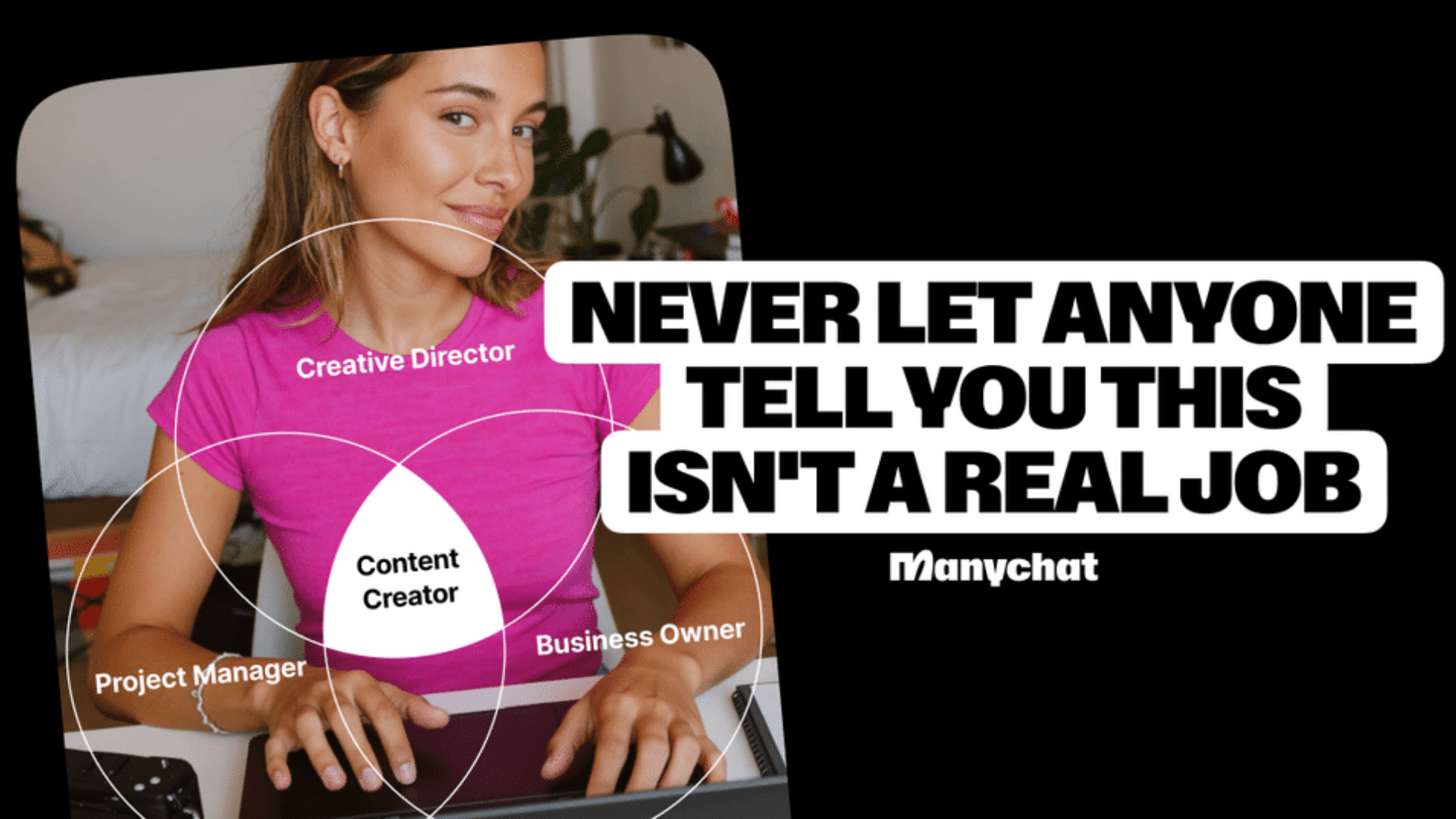
The U.S. Small Business Administration now counts 27 million creator-led businesses. Ido Mart, Chief Marketing Officer of Manychat, says the real number is higher because he draws the line earlier, at the moment a creator starts building a system to market and sell. That threshold, he argues, also changes how brands should contract with creators and what they should measure.
The creator side of that shift is where Manychat operates. The Austin-based company automates conversations in Instagram DMs, WhatsApp, Messenger, and other messaging channels for more than 2 million creators and businesses. Brand deals remain the main income source for creators generally, Ido says, but Manychat’s base carries a much higher share of people selling courses, coaching, products, or affiliate offers.
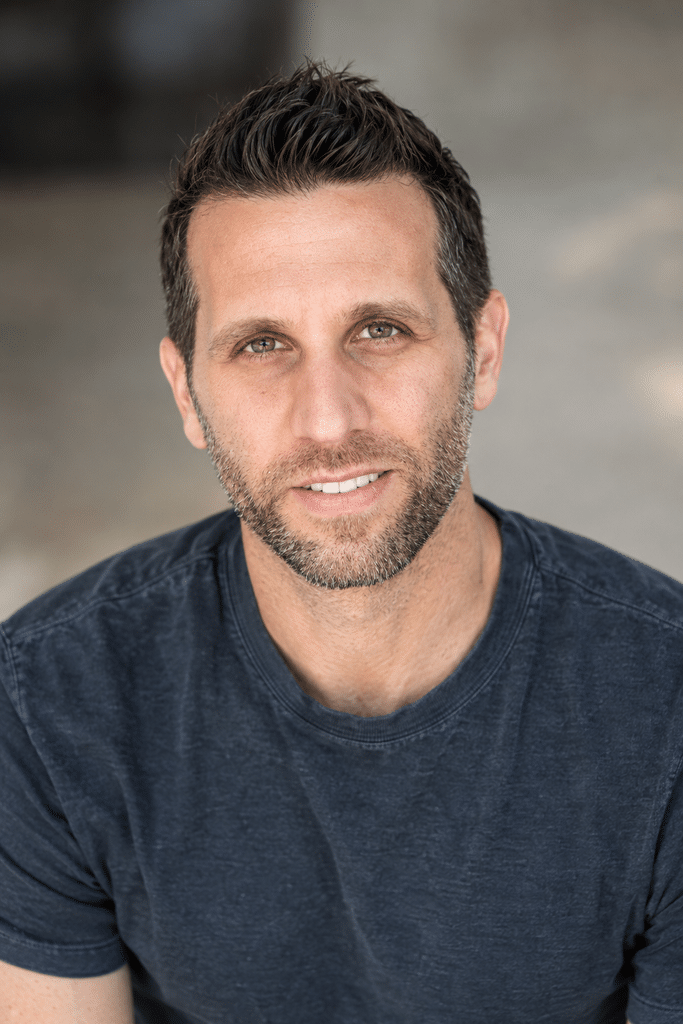
Those sellers face a problem Ido first saw in small businesses. Before joining Manychat as CMO in November 2023, he led marketing at SparkBeyond and Wix, and earlier ran Flok, a loyalty platform for local businesses that Wix acquired. Small business owners, he found, start with a craft and treat money as a necessity.
“They’re not fully in the business of monetizing it, even though if they want to live, they need to monetize it,” Ido says of creators.
Monetizing is also where Ido locates the line between hobby and business, with or without an LLC. “The moment you take yourself seriously as a creator, I consider you a business,” he says. Acting on that, in his telling, means learning to sell, and few creators start there.
Selling Is the Step Creators Put Off
The SBA guidance describes creators as people who produce, edit, distribute, market and monetize their own work. Ido singles out the last two jobs. “The market and sell part is just not an obvious part of the creator journey,” he says. A successful creator can rely on brands reaching out, he explains, while one who wants a “dependable and not opportunistic” income builds systems they can forecast.
Manychat has its own test for when a creator is ready to scale. “The main signal we look for is that there’s value added in the conversation between a creator and their audience,” Ido says. Attention alone does not pass it. An audience that wants more education, information, or connection from a creator can support a business, in his view, which places the core of that business in the conversation.
Most creators, Ido argues, overestimate how hard the selling step is. “More people are frozen in place because they think it’s much harder than it actually is,” he says. “The first sale you make will open your eyes to all these futures that you never dared imagine.”
A Loan Should Fund the System First
Money for that first push now has a possible source, as the guidance clarifies creator businesses’ eligibility for SBA-backed loans. Ido sees a trap in it. Creators tend to want to spend new money on more content and more events, he says. “Typically, businesses put money against plans. They don’t put money against passions.”
His advice is to map the system before the spending. A creator should know what content produces what traction, how that traction gets monetized and whether the return on the whole loop is positive. “You need to start thinking like a business in order to take risks. And loans are risks, as we all know,” Ido says. In his account, plenty of creators adopted that business logic before Washington weighed in.
Brand Deals Already Run Like B2B Contracts
“[Creators] did not wait for the SBA to build businesses,” Ido says. He expects brand deals to look more like B2B partnerships and credits creators for the change. Many now work with managers, and some use AI agents as business managers, he notes. Contracting and usage rights, once too complicated for a creator deal, are now part of those relationships almost all the time.
“I think the SBA designation is a result of that. It’s a recognition that creators have crossed that threshold as a community,” Ido says. He puts the government’s late arrival down to a creator economy that reaches a new threshold every year. He considers the film and video code reasonable because a creator’s primary way of showing up as a business is visual content.
Brands are catching up more slowly. Ido says they still skip questions they should ask when choosing and onboarding creators. “Influencer Marketing was a side gig for most marketing teams, and it’s now becoming the main event,” he says. Measurement is one of the questions brands are only now learning to ask, according to Ido.
Views Count Only When the Creator Fits
Ido rejects the premise that views are the wrong thing to buy. “First of all, who said that views are the wrong thing to pay for?” he says. A brand that picked a creator for a curated, niche audience and the right kind of content already knows it is reaching the right people, so views measure that exposure well. “The problem with views is if you don’t choose well, then views are meaningless,” he adds.
Algorithms are deprioritizing follower counts, Ido says, so reach is what matters now. He also separates signals that engagement totals lump together. “Sharing vastly increases the exposure that you are paying for, while liking doesn’t do anything,” he says. Exposure is also only one outcome a brand might want, and the others need a different unit of measurement.
Comments Should Turn Into Conversations
For brands that want deeper engagement, Ido would swap comments for conversations as the metric. “Comment is one and conversation is two or more,” he says. Manychat’s core function is turning comments into DMs. A brand can then build out the DM with media, buttons and qualification steps, or send people off platform.
Signups, conversions and purchases cannot always be measured inside the platforms themselves, Ido says, so brands need a tracking system for them. He describes driving the action and measuring it as Manychat’s two main values. Manychat says it is also piloting a new offering that will allow brands to run creator campaigns with conversation-based engagement and measurement built in.
Measurement has limits as a basis for pay. Ido says pure performance deals only work when audience and product are an exact match. “A creator can generate demand that later converts through another channel, namely AI search these days,” he says. He expects most deals to be hybrid. Most of the fee would pay for reaching and engaging the right audience, with an added component tied to a tangible outcome.
Brands Should Leave the Creative to Creators
That fee structure pays for influence, which Ido treats as the creator’s real asset. “Stop treating creators as distribution channels or ad units. They are influence vectors,” he says, adding that a brand’s next deal should start with what it wants to influence and why a specific creator and audience fit that goal.
After that, the creator runs the content. “If you want to control the creative, produce your own ad, don’t hire a creator,” Ido says.
He argues creators give brands trust with their market, reach into curated niche audiences and cultural relevance. “Now you have a shortcut to coolness,” he says.
AI Raises the Value of Being a Person
Ido sees creators’ relevance resting on being people, and he expects that to matter more as AI absorbs much of the business work creators are now learning. “The one thing that will never be superseded by AI is just being a person,” he says.
That forecast fits the system he describes. A creator with medium to large reach cannot hold conversations by hand. Software qualifies and sorts the audience and brings the creator in for the moments that need a human. For brands, the same infrastructure turns a view into a conversation and a conversation into a measurable result.
Ido believes creators will become the main form of business, though he expects it to take reinvention and new systems on the creator side. “The one undisruptible thing in this whole economy is people,” he says.
Subscribe to Our Newsletter
Check Out Our Podcast