Brands running creator programs across multiple markets must decide who holds the controls. Global teams typically want consistency, shared rates, and a single set of approvals. Local teams argue that creator relationships, platform habits, and what audiences find credible differ in every market. We asked 32 brand, agency, and talent-side professionals whether creator programs should be run globally or left to local markets, which model they use, and where it breaks down.
Both. Global owns definitions, SOPs, measurement, and contracts. Local owns creators, channels, voice, and regulatory adaptation.
Language was a barrier, leading big YouTubers to invest in dedicated dubbed channels. Now Meta dubs and lip-syncs Reels in English, Spanish, Portuguese and Hindi, and YouTube auto-dubs 20+ languages for free. It’s tempting to flick the switch and launch everywhere, but auto-dub translates words, not culture and nuance. An American Reel may land in Brazil on auto-dub alone, while a Spain-based creator’s Short may flop in Argentina despite the shared language.
So test markets by comparing content, dubbed or not, to local creators’ baselines (completion and shares, not just views). At 80% of baseline or better, keep it as is. Below that, Local reviews creative and dub. Regulatory sign-off stays with Local either way. Culture moves, so retest annually.
Ops break when decision rights are hazy. HQ quietly dictates creative, Local ignores measurement, and one global rate card overpays in one market and insults in another. Rates must share formulas, not fixed numbers. Even Billion Dollar Boy’s Companion tool, built on data from 50+ territories, reviews deals market by market. Define who decides what, keep approvals lean, and let Local call edge cases.
Run the rules globally and the creators locally. Head office should own one brief template, one approval standard, one contract and one way of paying people. That keeps legal calm and the reporting comparable. Everything an audience can feel belongs to the market: who gets picked, what they’re paid and how the brief sounds.
The global model usually breaks on rates first. Germany and Switzerland share a language but not a going rate. Across 2,045 campaigns on Refluenced from January to October 2026, 62% of Swiss briefs included a cash fee for creators. In Germany it was 37%. Put one rate card across both and you’ll overpay in Berlin or get ignored in Zurich.
Approvals break next. When one central team signs off every video, the local slang and in-jokes get sanded off, and those are the reason the creator was worth hiring.
Brands seem to know this already. 84% of our completed campaigns ran in a single country.
Neither. Centralize the plumbing, localize the people.
Global owns everything that doesn’t need taste. Contracts, usage terms, payments, brand safety, measurement. Nobody in Munich should be renegotiating a whitelisting clause Paris already solved.
Local owns everything that does. Which creators, which platforms, what actually reads as credible. A household name in Germany is a stranger in the UK. Confident in the US reads arrogant in half of Europe. No HQ dashboard sees that.
Where it breaks, every time:
Global rate cards. A 500K creator in Poland and a 500K creator in the US aren’t the same asset. One price per tier means you overpay in one market and lose the best talent in the other.
Global approvals. Route every local brief through a central committee and the content lands two weeks after the moment it was made for.
Standardize how you work. Localize what you make. Get it backwards and you end up with perfectly consistent campaigns nobody in any market cares about.
We see both models across the global brands and agencies we work with. The ones that work don’t pick one. They split it by layer.
Global owns the floor: what the brand will never be tied to, the legal non-negotiables, and one shared record of every creator vetted, cleared, or dropped. Local owns everything above it: who’s credible, which platforms matter, what the audience actually trusts.
The global model breaks when HQ exports its own idea of risk. A safety list written in English and translated word for word misses local slang and flags things no one in-market would blink at. The law changes at the border too. A paid cosmetic surgery post needs a disclosure in the US. In France, it’s been banned since 2023.
The local model breaks on memory. Without a shared record, the creator one market dropped gets signed by the market next door. And a scandal in one market is a headline in all of them.
Centralize what protects the brand. Localize what makes the content land. Rate cards are the last thing I’d standardize.
The debate around global versus local creator programmes often starts in the wrong place. Brands spend more time arguing over who controls the programme than agreeing what it needs to achieve. That’s when structure becomes a power debate rather than a strategic decision.
Creators do different jobs: reach, trust, access to a community and sales. Each needs a different setup. If the job is reach around a global event like the World Cup, run it centrally. If it’s building trust within a community, decisions belong to those who are part of it. Without a clear ‘why’, the structure becomes a fight over who holds the budget.
Both extremes break in predictable ways. Centralise everything and a reactive post can die in a two-week sign-off chain. Leave everything to local markets and the same creator could be contracted at different rates, with no shared view of performance.
Agree which decisions need consistency everywhere: vetting, contracts, usage terms, disclosure and measurement. Write those rules with the markets, not for them. Everything else should sit with whoever is closest to the audience.
‘Global’ should be a service, not a checkpoint. Can a market get a creator live in 48 hours without asking permission?
I’d set the commercial rules globally and leave creator selection and relationships with local markets. Headquarters should establish usage rights, payment terms and consistent reporting. Local teams know which creators their audiences trust, and what those audiences will respond to.
The model gets tested at renewal. A brand can have a fully documented contract and still lose the relationship when the local manager leaves. The question is who knows what worked, what the audience bought, and why the creator would want to work together again.
That’s where centralized reporting becomes valuable. The brand needs to retain that knowledge without taking away the local team’s ability to act on it. Otherwise, headquarters owns the paperwork, and the person who leaves owns the relationship.
Creator programs should combine global direction with local decision-making, starting with a brief developed together.
Global teams should define objectives, brand boundaries, and common reporting standards. Local teams should lead creator selection, relationships, and execution within that framework.
In my experience with campaigns in Brazil, WhatsApp is part of managing talent relationships. An email-only workflow can add friction. Humor, platform habits, and product recommendations also need local judgment. Shared pricing benchmarks should compare equivalent deliverables and rights, while leaving room for local market conditions and each creator’s value.
The model breaks down when local teams receive a finished campaign and can only translate it, or when every adjustment requires headquarters’ approval. At the other extreme, disconnected local campaigns make it harder to maintain direction and learn across markets.
I would agree upfront on what requires global approval and what local teams can decide independently. That keeps routine adjustments moving while preserving oversight of significant changes.
If local teams are accountable for relevance, they need the authority to shape the campaign.
Hot take: a creator program run entirely from headquarters is just a media buy with extra steps.
Audiences trust people who look, sound, and scroll as they do. A creator chosen by a global team and handed a translated brief can come across as an ad, and audiences are quick to scroll past.
The model that works splits ownership deliberately. Global owns the infrastructure: contracts, usage rights, compliance, rate bands, and a shared approach to measurement. Local owns the relationships: which creators to work with, which platforms to use and how the brief should sound.
Shared rate cards are often the first thing to break. A nano creator in Brazil and one in Canada may charge very different amounts for the same post, reflecting differences in local markets, rather than quality. A single global approval chain can break next. Creator content is built for the moment and can go stale while it waits for sign-off at headquarters.
The hybrid model has its own weak spot: uncertainty over who decides what. Multinationals running creator programs across markets need enough resources to manage them and a clear way to assess whether their spend is building the brand or driving short-term clicks.
Keep consistency in operations and measurement. Push it too far into the creative, and you risk losing the credibility you hired creators for.
Global for the plumbing, local for the voice. At ITV America, I adapted formats like Hell’s Kitchen and Alone across territories, and the same rule applies to creator programs: centralize what the audience never sees, localize everything it does. Rate frameworks, contracting, brand safety and measurement belong at the global level. Creator selection, briefs and creative approvals belong with people who live in the market.
When a central team signs off every cut, it strips out the local cues that make a creator credible, and the content reads like a translated ad. The local model breaks down at data. Every market reports differently, so nobody can say which spend actually worked.
The creators who travel best are rarely the ones built to travel. They are hyper-specific to their audience first. Brands should pay for that specificity and standardize everything around it.
We represent creators, so we see both models from the receiving end. Our take: standardize the terms, localize the rate and the creative.
Global teams are right about the paperwork. One usage-rights standard, one whitelisting policy, one approval flow and one payment schedule cut a lot of back and forth out of every deal, and creators like knowing the rules up front.
Global breaks on price and voice. One rate card ignores how much creator rates and audience value swing from market to market, so the same number overpays in one place and gets turned down in another. And a script written for one market tends to read as an ad in the next. Audiences can tell when a creator is reading someone else’s lines.
The programs that work set the guardrails centrally and let local teams, and the creators themselves, own the hook, the angle and the fee.
Ideally both, but most smaller brands can only build one, so start global. A global team sets direction and keeps things consistent. Local teams handle platform habits and close creator relationships, and you add them once a market proves itself.
It also depends on where the product can be bought. A VPN can be sold almost anywhere, so global makes sense. A product that only ships in the U.S. needs creators whose audience is mostly in the U.S.
Global breaks down on the details. Creator rates and disclosure rules change by country, so one global rate card and one set of approvals rarely fit every market. In places like France and Italy, the top YouTube channels are almost all local, which a global team can miss.
For brands new to Influencer Marketing, I’d run the highest-impact tests, across different creators, content types and deal structures, then scale what works. Going hyper-local from day one splits a small budget so thin that no market shows whether creators work, and it can pigeonhole you into small programs.
Creator programs should follow a global strategy, but with enough flexibility to trust local markets to decide how it’s implemented.
The benefit of a global approach is consistency in branding, unified campaign objectives and clear expectations across markets.
However, creator marketing is heavily influenced by local internet culture. Creators’ sense of humour, references, memes and trends can be very different from country to country.
Sometimes, a creator will look great on paper: amazing reach, follower count and median views. But without knowing the local culture, you might not know that they’re actually a running joke in their country, and people follow them just to see what they’ll say next. The numbers look great, but their audience might never actually buy from the brand because they don’t take that creator seriously.
This is where local teams become invaluable. They know the market and its niches through everyday exposure to local internet culture, even outside working hours.
That’s why global teams should give local teams the opportunity to provide context and justify their creative decisions and creator selections. Otherwise, there’s a risk of rejecting perfectly good content or choosing the wrong creator simply because the cultural context behind them is missing.
We run it hybrid. On Paramount’s Ebenezer, one brief ran across six markets, and creators in each one staged it their own way, from a French creator’s Christmas-hating waiter skit to a Portuguese-language haunted-house transformation in Brazil. The film opened #1.
The key is casting the right voices and making room for cultural nuance: the references, platform habits and points of view that make content feel credible in each market. A single global playbook can help align teams, but it breaks down when it leaves no room for those differences.
So we keep the strategy and guardrails shared, and let creators bring their own perspective to how it’s expressed.
A strong global campaign starts with a human idea that can travel. Take Romeo and Juliet: the story resonates across countries, but each culture brings its own interpretation. Creator programs work the same way. The core message stays consistent, while local creators shape how it comes to life for their communities.
Viewing global and local creator programs as opposite approaches is an extreme. The strongest programs bring both strategies to the table.
Global teams provide the strategic foundation for local markets, with broader brand knowledge, guidelines and structure that create consistency. But global teams aren’t truly in the know on what motivates local audiences in every market, just as local teams don’t have all of the broader knowledge and processes global brings.
That’s where the two work together. Local teams know their markets and what’s happening on the ground. Tapping into a local market is like tapping into a gold mine. We saw that firsthand during the World Cup in Boston. We were monitoring social in real time, quickly identifying creators already organically part of the conversation, aligning across our team, bringing recommendations to our clients and activating, all in less than 24 hours. Pre-approved guidelines made it easy to streamline the process, move quickly and stay authentic to the local community.
Having the foundation from global but the freedom and creativity to act locally allowed us to make the most of the moment. That hybrid is where the strongest programs excel.
The best model is hybrid: global for scale, local for relevance.
Global creators bring obvious advantages – recognition, credibility, reach, and often a stronger ability to generate awareness and qualified demand across multiple markets.
But campaigns still need to be adapted market by market: first by language, then by culture, and finally by what is happening locally right now. Relevance changes quickly, and even global creators benefit from adjusting packaging, references, and messaging to local context.
Local creators have a different advantage. They understand the invisible layers of a market: slang, cultural cues, community dynamics, platform habits, and what audiences actually consider credible.
That matters even more when the objective is not just reach, but leads and conversions.
If I want broad awareness, I would lean more heavily on global creators.
If I need to influence a specific audience in a specific market with a specific message, local creators usually have the edge because their relationship with that audience is already highly tuned.
So I would not choose global or local.
I would use global creators to open the door, and local creators to close the distance.
It depends on the business, but think global, act local is the right starting point. Set the strategy, brand guardrails and budget centrally, then let the local teams decide who to work with and which messages will resonate with their audiences.
The local team is closer to the culture. They know which creators people actually trust, how they use each platform and what will feel off. A creator who’s a big deal in one market can be unknown in the next, and a reference that works at home can land badly somewhere else.
How far you lean local depends on what you’re selling and where your customers are. A restaurant chain or regional retailer needs more local input than a global brand running a campaign across markets. But even global campaigns need to account for local culture.
Where it breaks down is approvals. If every post has to go back through headquarters, you lose the speed and local feel that made the creator worth hiring.
Wow – there is a lot of ‘it depends’. Generally speaking, you NEED local information – local culture matters … A LOT. But, the issue is that often the local market doesn’t have the staffing to have a specific ‘creator person’ – so it’s left to the comms or community person (who is often the marketing manager as well) – this is where HQ can provide overall strategic planning and guidance, which relieves the local staff from doing things they aren’t equipped for but still allows them to work from the playbook, but knows local culture and talent to make sure the choices are as ‘authentic’ as possible.
Obviously – this isn’t always true – with large organisations – there is a full staff in nearly every local market and then an overarching strategy can come from HQ, but local execution and choices can be made on a much larger scale. The key is to find ways to work together to keep a globally relevant campaign, but remain locally specific.
Rayna Hoffman, Global Influencer Marketing and PR Manager, Doona
Leading global Influencer Marketing at Doona, I’ve learned that the biggest mistake brands make is treating global consistency as a reason to standardize influence.
I’m constantly seeding creators across diverse markets, and the differences go far beyond language or content preferences. In the US, creator marketing is heavily driven by lifestyle integration, personal storytelling, and aspirational content. Across Asian markets, strategies can lean more heavily on product education, detailed demonstrations, and commerce-driven content, although this varies significantly by country and platform.
These differences fundamentally change how I evaluate creators. A creator’s value shouldn’t be determined by a universal engagement benchmark or standardized rate card. Audience trust, purchasing behavior, and the relationship between content and conversion look different across markets.
I believe global teams should own brand positioning, commercial objectives, and performance measurement, while allowing flexibility in creator selection, content execution, and partnership structures.
Where centralized programs break down is when operational efficiency takes priority over cultural intelligence. A campaign can be perfectly aligned with global brand guidelines and still completely miss its local audience.
Global strategy should establish what a brand stands for. Local execution determines whether anyone actually cares.
I run a regional model, but I’m the content creator. I need to know how my content is doing according to my audience and that can easily be on a global scale. It’s not as simple as “which is best” because that’s not how the internet works. We’re not making commercials for a regional audience. We’re making videos for the chance to reach a global market that never sleeps. Usually the brands are acting regionally if you think about needing to see a 50% or more audience in the US, but the US market still has six different time zones that the person making the content for the brand could be in.
From the creator perspective, we just want consistency in expectation on deliverables. Time zones are constantly misused to expect assets that are in line with where the team is sending an email from. I’m a West Coast creator, so if I’m asked to meet a deadline based out of England that is working off of the expectation of the East Coast then there’s going to be an issue.
Rates change with region, that’s unavoidable. Approvals are also usually set in the contract, but it’s the expectation of changes from region to region that needs to change. The issue works from the top down so if there’s an organizational issue with a global team working in a regional capacity, the corporation needs to make a change. Work with the creators that make sense for the product and understand the expectation of deliverables changes with time zone.
Authenticity doesn’t scale from HQ. Audiences spot borrowed realness in a second, and they scroll past it. So we don’t pick between global and local. We split the job. Global owns the idea, the rate card, the approval flow and the measurement. Local owns the creators: storytellers who are part of the culture, the niche and the platform habits of their market. Their craft is the proof the content is real: a visible process, a clear point of view, a name on the work.
We build every brief as a multi-asset strategy, so one craft moment becomes a full content series tailored to each market, without losing the overarching idea. The opportunity is to scale the idea, not replicate the execution.
The model breaks down when global control gets in the way of local credibility, or when the data does. If paid sits in one dashboard, organic in another and effectiveness in a slide nobody trusts, global teams end up estimating engagement rates and earned media value by hand. That’s marketing like it’s 2000. You need one platform with one view of paid, organic and results across every market. Without it, global consistency is just a feeling.
The biggest mistake brands make is treating global scale and local relevance as competing priorities. They’re not.
My view is that creator programmes need global strategic direction but local creative authority. Global teams should define the ambition, measurement framework, and commercial objectives. Local markets should determine how those ambitions translate into culture, communities, and conversations.
A creator who performs exceptionally well in one market isn’t necessarily the right voice in another. Influence is built on trust, and trust doesn’t automatically translate across borders.
Localisation shouldn’t become an excuse for fragmentation either. When every market operates independently, brands lose the ability to compare performance, share learnings, and build long-term creator equity.
The future isn’t centralised control or complete decentralisation; it’s a connected model where global teams create the conditions for consistency, and local teams have the freedom to make the work matter.
My two cents? Scale the strategy and localise the influence.
When you hear local vs. global, I think it’s easy to assume global = bigger = more reach. But there’s something to be said for making a brand feel relevant within a specific community. You can create the feeling of “this brand is popping up everywhere” within a single city, especially when you’re working with creators in places people already look to for inspiration. Building momentum there can help the campaign reach beyond the city itself.
There are so many nuances between markets, from platform habits to routines and cultural references. A creator overseas can resonate with a US audience, but seeing a familiar face work a product into a lifestyle you recognize gives you a different reason to try the product. It’s a different connection.
Global teams often set the overarching vision, but local teams know their community, who people trust, what trends are taking off in their region. Local teams need room to make smart, contextual calls as opposed to being handed a campaign that’s already been decided for them.
Global teams should set the direction, but local teams should bring the influence to life.
Having built creator programs in the Philippines for over a decade, I’ve learned that cultural relevance cannot be standardised. Global teams should own brand objectives, guardrails, and measurement, while local teams lead creator selection, storytelling, and community engagement.
The model breaks down when global consistency becomes creative control. A creator who looks perfect on a global spreadsheet may not resonate locally.
My philosophy is simple: standardise the strategy, localize the influence. That’s how brands achieve both global consistency and genuine cultural connection.
Creator programs should be globally coordinated but locally run. A shared framework helps maintain consistent goals, standards, and measurement, while local teams understand which creators, platforms, and messages will feel credible in their markets. The model breaks down when global approvals become too slow or when local teams work in silos. The strongest approach is global alignment with local ownership.
In agentic commerce, global brands need one standard of product truth and many local ways to earn trust.
For CPG brands, I recommend giving local teams ownership of creator relationships, rates and creative, supported by shared measurement and verified product facts for each market.
The model breaks when headquarters wants local relevance but still approves every decision, or when local teams make product promises the evidence cannot support. Give them approval authority within clear boundaries.
A useful creator comparison can help shoppers today and become a source AI shopping assistants reference later. But a review can be accurate in one market and misleading in another if formulations differ. If an AI assistant draws on that review, it may recommend the wrong version of the product or get confused and not recommend our brand at all.
We know the pain, as we track sales, cited sources, product facts and how often brands appear in AI recommendations. For global programs, I’d apply that measurement market by market, checking that recommendations match the products shoppers can actually buy there.
Creator programs should be globally aligned, not globally identical.
Global teams should set the business goal, how success is measured, and what needs approval. Local teams should have the authority to choose creators and platforms, negotiate rates that make sense in their market, and give creators room to speak in their own voice.
The model breaks down when brands assume a local campaign reaches only local shoppers. A U.S. creator might also reach shoppers in Canada. If everyone is sent to the U.S. storefront, some shoppers may find that the product can’t be shipped to them. And a shopper’s current location does not necessarily tell you their preferred language or where they intend to shop.
A creator can get the recommendation right, and the brand can still lose the sale after the tap. Brands need a consistent way to measure performance across markets, but the shopping experience should work for the people each creator actually reaches. That means taking shoppers to a storefront that serves them and opening directly to the retailer’s app when applicable.
I strongly believe global brands benefit from working with one strategic agency partner across markets. Centralization brings consistency, operational efficiency, shared technology, unified measurement, and the ability to scale learnings across countries.
We have offices in six Latin American countries but operate across approximately 20 markets. For L’Oréal alone, we manage creator programs in 12 markets. Our biggest challenge is ensuring the same level of cultural relevance in countries where we don’t have local teams.
That’s why we’re investing heavily in AI, technology, and new operating models. We’ve developed RegIA, our AI-powered regional intelligence platform, which provides local consumer insights, cultural trends, platform behaviors, and market context. Additionally, GoldfishDNA helps us scale and optimize campaign execution through creator intelligence, data-driven decisions, and performance measurement.
We combine these technologies with local cultural expertise to ensure our strategies remain relevant and authentic, without replicating entire agency structures in every country.
The future isn’t global versus local. It’s globally connected, locally intelligent.
Global strategy, local execution. That’s where creator marketing works best.
At BrandMe, we’ve seen that global brands benefit from centralized strategies, consistent KPIs, and unified reporting. However, Influencer Marketing is fundamentally driven by local culture, audience behavior, and authentic creator relationships.
A campaign that resonates in Mexico won’t necessarily perform the same way in Colombia, Argentina, or Spain. Creator rates, content trends, platform preferences, and even humor can vary significantly between markets.
The biggest mistake global teams make is assuming that standardization automatically creates efficiency. It can actually limit performance when local teams lose the flexibility to select the right creators and adapt messaging to their audiences.
Our approach at BrandMe is to centralize strategy, technology, and measurement while empowering local execution. Think globally, but let creators connect locally.
The debate shouldn’t be whether Influencer Marketing is managed globally or locally, but rather how we can leverage the strengths of both. Global consistency and local relevance are not mutually exclusive.
A global team brings strategic alignment, ensuring brand messaging, positioning, and performance benchmarks remain consistent across markets. It can also streamline creative development, establish shared frameworks, and reduce the operational burden on local teams.
But consistency shouldn’t come at the expense of cultural relevance. Local teams understand the nuances of their markets: which creators audiences genuinely trust, how they engage with content, what resonates culturally, and how to negotiate partnerships effectively. They should have the flexibility to select creators, adapt concepts, and execute campaigns in ways that feel authentic to their audiences.
The model I advocate for is centralized strategy, decentralized execution. Give local teams the strategic direction, tools, and creative foundations to succeed, without restricting the market expertise that makes Influencer Marketing effective in the first place.
Ultimately, the goal isn’t to make every market look the same. It’s to make every market feel locally relevant while telling a consistent global brand story.
I’m a strong believer in a hybrid approach. Global teams should own the overall strategy, brand positioning, campaign objectives, and performance measurement, while local teams should have the flexibility to execute based on their markets.
Coming from a talent management and Influencer Marketing background, I’ve seen how important creator relationships and audience trust are. A creator who performs well in the U.S. won’t necessarily have the same impact in another market. Cultural nuances, content styles, audience behavior, and even what feels authentic vary significantly.
I think the biggest mistake brands make is trying to standardize everything, especially creator rates and creative direction. Consistency matters, but forcing every market into the same structure can limit creativity and performance.
My approach would be simple: centralize the strategy, localize the storytelling, and measure success against shared goals. Give local teams enough ownership to understand their audiences while keeping everyone aligned with the bigger brand vision.
Creator marketing is one of the clearest examples of why all business is local. Global teams can align measurement, governance, and brand objectives, but influence itself is built market by market through local relationships and community trust. What’s considered authentic, aspirational, or even credible can differ dramatically across regions, making local expertise essential to creator selection and content development. The most scalable model isn’t full centralization, it’s a hybrid approach where global teams set the framework and local teams shape the execution.
I don’t think the question is whether creator campaigns should be global or local. The smartest strategy is to think globally, create locally.
We’re seeing firsthand how niche communities can transcend borders. Swimming is a universal sport, but the humor, personalities, cultural references, and even the way audiences engage with content can vary dramatically by market.
Brands naturally want global scale and consistency, but creator marketing works because of authenticity. The moment you over-engineer a campaign to fit a global playbook, you risk losing the very thing that makes creators valuable: their connection to their audience.
My background in television has taught me that great storytelling travels, but the best stories are rooted in specific people, places, and perspectives.
The opportunity is to build a global strategy with local creative freedom. Establish the brand’s objectives centrally, then empower creators to tell stories that resonate with their communities.
Ultimately, audiences don’t connect with campaigns. They connect with people. And that connection is what gives a campaign the potential to travel globally.
Dragomir is a Serbian freelance blog writer and translator. He is passionate about covering insightful stories and exploring topics such as influencer marketing, the creator economy, technology, business, and cyber fraud.


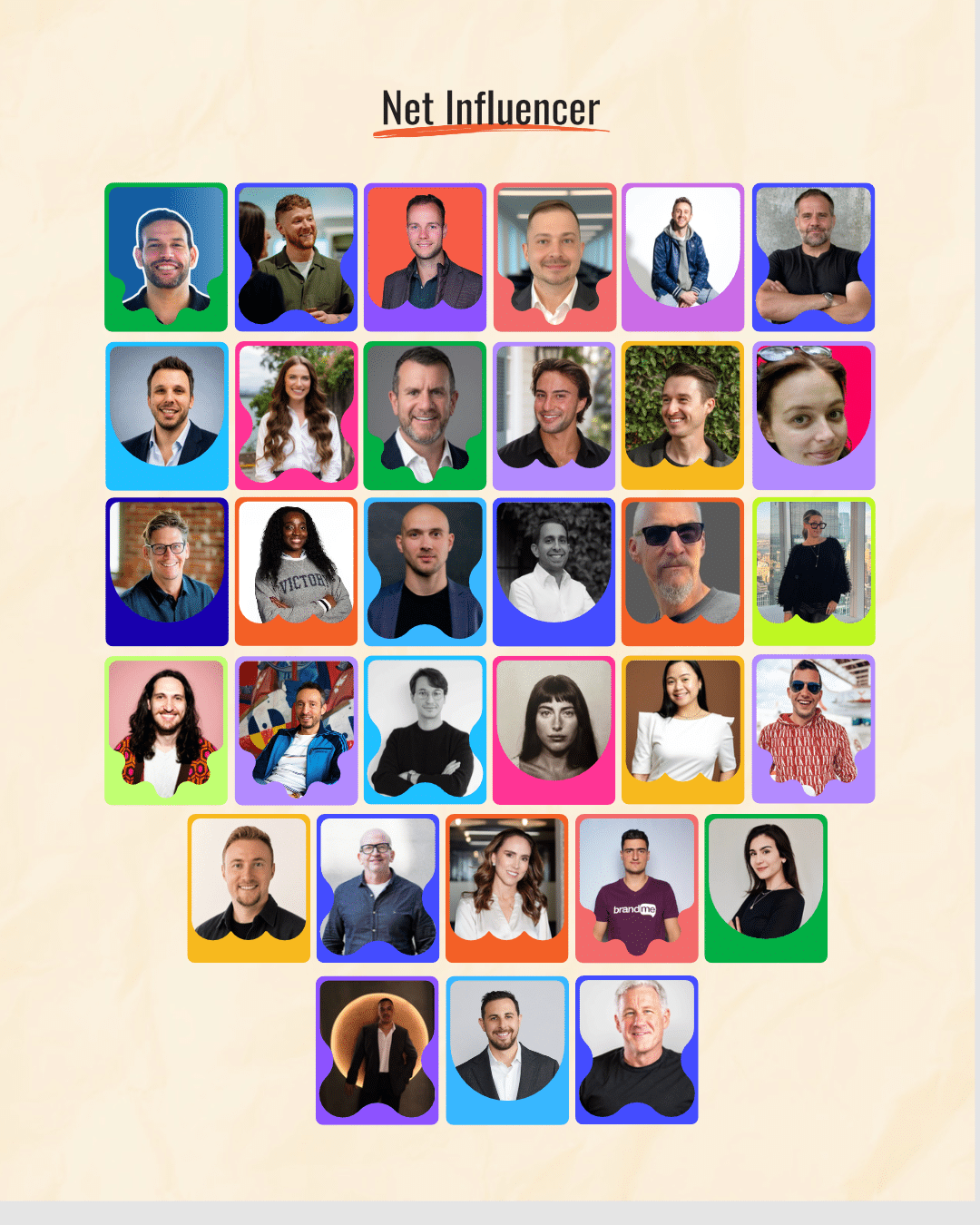











Brands running creator programs across multiple markets must decide who holds the controls. Global teams typically want consistency, shared rates, and a single set of approvals. Local teams argue that creator relationships, platform habits, and what audiences find credible differ in every market. We asked 32 brand, agency, and talent-side professionals whether creator programs should be run globally or left to local markets, which model they use, and where it breaks down.
Daniel Caldas, Founder, Caldas Ecom
Both. Global owns definitions, SOPs, measurement, and contracts. Local owns creators, channels, voice, and regulatory adaptation.
Language was a barrier, leading big YouTubers to invest in dedicated dubbed channels. Now Meta dubs and lip-syncs Reels in English, Spanish, Portuguese and Hindi, and YouTube auto-dubs 20+ languages for free. It’s tempting to flick the switch and launch everywhere, but auto-dub translates words, not culture and nuance. An American Reel may land in Brazil on auto-dub alone, while a Spain-based creator’s Short may flop in Argentina despite the shared language.
So test markets by comparing content, dubbed or not, to local creators’ baselines (completion and shares, not just views). At 80% of baseline or better, keep it as is. Below that, Local reviews creative and dub. Regulatory sign-off stays with Local either way. Culture moves, so retest annually.
Ops break when decision rights are hazy. HQ quietly dictates creative, Local ignores measurement, and one global rate card overpays in one market and insults in another. Rates must share formulas, not fixed numbers. Even Billion Dollar Boy’s Companion tool, built on data from 50+ territories, reviews deals market by market. Define who decides what, keep approvals lean, and let Local call edge cases.
Lewis Girvin, Growth Lead, Refluenced
Run the rules globally and the creators locally. Head office should own one brief template, one approval standard, one contract and one way of paying people. That keeps legal calm and the reporting comparable. Everything an audience can feel belongs to the market: who gets picked, what they’re paid and how the brief sounds.
The global model usually breaks on rates first. Germany and Switzerland share a language but not a going rate. Across 2,045 campaigns on Refluenced from January to October 2026, 62% of Swiss briefs included a cash fee for creators. In Germany it was 37%. Put one rate card across both and you’ll overpay in Berlin or get ignored in Zurich.
Approvals break next. When one central team signs off every video, the local slang and in-jokes get sanded off, and those are the reason the creator was worth hiring.
Brands seem to know this already. 84% of our completed campaigns ran in a single country.
Tobias Hoss, Co-Founder, Senior Advisor, Tentpole Studios, Copyright Capital, TopFan, Talentir
Neither. Centralize the plumbing, localize the people.
Global owns everything that doesn’t need taste. Contracts, usage terms, payments, brand safety, measurement. Nobody in Munich should be renegotiating a whitelisting clause Paris already solved.
Local owns everything that does. Which creators, which platforms, what actually reads as credible. A household name in Germany is a stranger in the UK. Confident in the US reads arrogant in half of Europe. No HQ dashboard sees that.
Where it breaks, every time:
Global rate cards. A 500K creator in Poland and a 500K creator in the US aren’t the same asset. One price per tier means you overpay in one market and lose the best talent in the other.
Global approvals. Route every local brief through a central committee and the content lands two weeks after the moment it was made for.
Standardize how you work. Localize what you make. Get it backwards and you end up with perfectly consistent campaigns nobody in any market cares about.
Theo Ruzhynsky, Co-Founder, VwD Technologies Inc.
We see both models across the global brands and agencies we work with. The ones that work don’t pick one. They split it by layer.
Global owns the floor: what the brand will never be tied to, the legal non-negotiables, and one shared record of every creator vetted, cleared, or dropped. Local owns everything above it: who’s credible, which platforms matter, what the audience actually trusts.
The global model breaks when HQ exports its own idea of risk. A safety list written in English and translated word for word misses local slang and flags things no one in-market would blink at. The law changes at the border too. A paid cosmetic surgery post needs a disclosure in the US. In France, it’s been banned since 2023.
The local model breaks on memory. Without a shared record, the creator one market dropped gets signed by the market next door. And a scandal in one market is a headline in all of them.
Centralize what protects the brand. Localize what makes the content land. Rate cards are the last thing I’d standardize.
Matt Hocken, Group Creative Director, Mongoose
The debate around global versus local creator programmes often starts in the wrong place. Brands spend more time arguing over who controls the programme than agreeing what it needs to achieve. That’s when structure becomes a power debate rather than a strategic decision.
Creators do different jobs: reach, trust, access to a community and sales. Each needs a different setup. If the job is reach around a global event like the World Cup, run it centrally. If it’s building trust within a community, decisions belong to those who are part of it. Without a clear ‘why’, the structure becomes a fight over who holds the budget.
Both extremes break in predictable ways. Centralise everything and a reactive post can die in a two-week sign-off chain. Leave everything to local markets and the same creator could be contracted at different rates, with no shared view of performance.
Agree which decisions need consistency everywhere: vetting, contracts, usage terms, disclosure and measurement. Write those rules with the markets, not for them. Everything else should sit with whoever is closest to the audience.
‘Global’ should be a service, not a checkpoint. Can a market get a creator live in 48 hours without asking permission?
Josh Stein, Founder and CEO, Attention Capital
I’d set the commercial rules globally and leave creator selection and relationships with local markets. Headquarters should establish usage rights, payment terms and consistent reporting. Local teams know which creators their audiences trust, and what those audiences will respond to.
The model gets tested at renewal. A brand can have a fully documented contract and still lose the relationship when the local manager leaves. The question is who knows what worked, what the audience bought, and why the creator would want to work together again.
That’s where centralized reporting becomes valuable. The brand needs to retain that knowledge without taking away the local team’s ability to act on it. Otherwise, headquarters owns the paperwork, and the person who leaves owns the relationship.
Fabio Gonçalves, Director of Talent, Viral Nation
Creator programs should combine global direction with local decision-making, starting with a brief developed together.
Global teams should define objectives, brand boundaries, and common reporting standards. Local teams should lead creator selection, relationships, and execution within that framework.
In my experience with campaigns in Brazil, WhatsApp is part of managing talent relationships. An email-only workflow can add friction. Humor, platform habits, and product recommendations also need local judgment. Shared pricing benchmarks should compare equivalent deliverables and rights, while leaving room for local market conditions and each creator’s value.
The model breaks down when local teams receive a finished campaign and can only translate it, or when every adjustment requires headquarters’ approval. At the other extreme, disconnected local campaigns make it harder to maintain direction and learn across markets.
I would agree upfront on what requires global approval and what local teams can decide independently. That keeps routine adjustments moving while preserving oversight of significant changes.
If local teams are accountable for relevance, they need the authority to shape the campaign.
Kate Fleming, Director of Influencer Strategy, PartnerCentric
Hot take: a creator program run entirely from headquarters is just a media buy with extra steps.
Audiences trust people who look, sound, and scroll as they do. A creator chosen by a global team and handed a translated brief can come across as an ad, and audiences are quick to scroll past.
The model that works splits ownership deliberately. Global owns the infrastructure: contracts, usage rights, compliance, rate bands, and a shared approach to measurement. Local owns the relationships: which creators to work with, which platforms to use and how the brief should sound.
Shared rate cards are often the first thing to break. A nano creator in Brazil and one in Canada may charge very different amounts for the same post, reflecting differences in local markets, rather than quality. A single global approval chain can break next. Creator content is built for the moment and can go stale while it waits for sign-off at headquarters.
The hybrid model has its own weak spot: uncertainty over who decides what. Multinationals running creator programs across markets need enough resources to manage them and a clear way to assess whether their spend is building the brand or driving short-term clicks.
Keep consistency in operations and measurement. Push it too far into the creative, and you risk losing the credibility you hired creators for.
Ed Simpson, CEO, Wonderloom Media
Global for the plumbing, local for the voice. At ITV America, I adapted formats like Hell’s Kitchen and Alone across territories, and the same rule applies to creator programs: centralize what the audience never sees, localize everything it does. Rate frameworks, contracting, brand safety and measurement belong at the global level. Creator selection, briefs and creative approvals belong with people who live in the market.
When a central team signs off every cut, it strips out the local cues that make a creator credible, and the content reads like a translated ad. The local model breaks down at data. Every market reports differently, so nobody can say which spend actually worked.
The creators who travel best are rarely the ones built to travel. They are hyper-specific to their audience first. Brands should pay for that specificity and standardize everything around it.
Alex Gunnarsson, Founder, OVO Talent
We represent creators, so we see both models from the receiving end. Our take: standardize the terms, localize the rate and the creative.
Global teams are right about the paperwork. One usage-rights standard, one whitelisting policy, one approval flow and one payment schedule cut a lot of back and forth out of every deal, and creators like knowing the rules up front.
Global breaks on price and voice. One rate card ignores how much creator rates and audience value swing from market to market, so the same number overpays in one place and gets turned down in another. And a script written for one market tends to read as an ad in the next. Audiences can tell when a creator is reading someone else’s lines.
The programs that work set the guardrails centrally and let local teams, and the creators themselves, own the hook, the angle and the fee.
Race Johnson, Co-Founder, Pixly
Ideally both, but most smaller brands can only build one, so start global. A global team sets direction and keeps things consistent. Local teams handle platform habits and close creator relationships, and you add them once a market proves itself.
It also depends on where the product can be bought. A VPN can be sold almost anywhere, so global makes sense. A product that only ships in the U.S. needs creators whose audience is mostly in the U.S.
Global breaks down on the details. Creator rates and disclosure rules change by country, so one global rate card and one set of approvals rarely fit every market. In places like France and Italy, the top YouTube channels are almost all local, which a global team can miss.
For brands new to Influencer Marketing, I’d run the highest-impact tests, across different creators, content types and deal structures, then scale what works. Going hyper-local from day one splits a small budget so thin that no market shows whether creators work, and it can pigeonhole you into small programs.
Ala Truchel, Junior Campaign Manager, The Influencer Marketing Factory
Creator programs should follow a global strategy, but with enough flexibility to trust local markets to decide how it’s implemented.
The benefit of a global approach is consistency in branding, unified campaign objectives and clear expectations across markets.
However, creator marketing is heavily influenced by local internet culture. Creators’ sense of humour, references, memes and trends can be very different from country to country.
Sometimes, a creator will look great on paper: amazing reach, follower count and median views. But without knowing the local culture, you might not know that they’re actually a running joke in their country, and people follow them just to see what they’ll say next. The numbers look great, but their audience might never actually buy from the brand because they don’t take that creator seriously.
This is where local teams become invaluable. They know the market and its niches through everyday exposure to local internet culture, even outside working hours.
That’s why global teams should give local teams the opportunity to provide context and justify their creative decisions and creator selections. Otherwise, there’s a risk of rejecting perfectly good content or choosing the wrong creator simply because the cultural context behind them is missing.
Glenn Ginsburg, President, QYOU Media
We run it hybrid. On Paramount’s Ebenezer, one brief ran across six markets, and creators in each one staged it their own way, from a French creator’s Christmas-hating waiter skit to a Portuguese-language haunted-house transformation in Brazil. The film opened #1.
The key is casting the right voices and making room for cultural nuance: the references, platform habits and points of view that make content feel credible in each market. A single global playbook can help align teams, but it breaks down when it leaves no room for those differences.
So we keep the strategy and guardrails shared, and let creators bring their own perspective to how it’s expressed.
A strong global campaign starts with a human idea that can travel. Take Romeo and Juliet: the story resonates across countries, but each culture brings its own interpretation. Creator programs work the same way. The core message stays consistent, while local creators shape how it comes to life for their communities.
Chloe Wright, Associate, Public Relations, A&G (Allen & Gerritsen)
Viewing global and local creator programs as opposite approaches is an extreme. The strongest programs bring both strategies to the table.
Global teams provide the strategic foundation for local markets, with broader brand knowledge, guidelines and structure that create consistency. But global teams aren’t truly in the know on what motivates local audiences in every market, just as local teams don’t have all of the broader knowledge and processes global brings.
That’s where the two work together. Local teams know their markets and what’s happening on the ground. Tapping into a local market is like tapping into a gold mine. We saw that firsthand during the World Cup in Boston. We were monitoring social in real time, quickly identifying creators already organically part of the conversation, aligning across our team, bringing recommendations to our clients and activating, all in less than 24 hours. Pre-approved guidelines made it easy to streamline the process, move quickly and stay authentic to the local community.
Having the foundation from global but the freedom and creativity to act locally allowed us to make the most of the moment. That hybrid is where the strongest programs excel.
Andrii Salii, Audiovisual Producer, MIA Studio
The best model is hybrid: global for scale, local for relevance.
Global creators bring obvious advantages – recognition, credibility, reach, and often a stronger ability to generate awareness and qualified demand across multiple markets.
But campaigns still need to be adapted market by market: first by language, then by culture, and finally by what is happening locally right now. Relevance changes quickly, and even global creators benefit from adjusting packaging, references, and messaging to local context.
Local creators have a different advantage. They understand the invisible layers of a market: slang, cultural cues, community dynamics, platform habits, and what audiences actually consider credible.
That matters even more when the objective is not just reach, but leads and conversions.
If I want broad awareness, I would lean more heavily on global creators.
If I need to influence a specific audience in a specific market with a specific message, local creators usually have the edge because their relationship with that audience is already highly tuned.
So I would not choose global or local.
I would use global creators to open the door, and local creators to close the distance.
Sean Akaks, Co-Founder & CEO, SonderCo
It depends on the business, but think global, act local is the right starting point. Set the strategy, brand guardrails and budget centrally, then let the local teams decide who to work with and which messages will resonate with their audiences.
The local team is closer to the culture. They know which creators people actually trust, how they use each platform and what will feel off. A creator who’s a big deal in one market can be unknown in the next, and a reference that works at home can land badly somewhere else.
How far you lean local depends on what you’re selling and where your customers are. A restaurant chain or regional retailer needs more local input than a global brand running a campaign across markets. But even global campaigns need to account for local culture.
Where it breaks down is approvals. If every post has to go back through headquarters, you lose the speed and local feel that made the creator worth hiring.
Keith Pape, CEO, YellowPike Media
Wow – there is a lot of ‘it depends’. Generally speaking, you NEED local information – local culture matters … A LOT. But, the issue is that often the local market doesn’t have the staffing to have a specific ‘creator person’ – so it’s left to the comms or community person (who is often the marketing manager as well) – this is where HQ can provide overall strategic planning and guidance, which relieves the local staff from doing things they aren’t equipped for but still allows them to work from the playbook, but knows local culture and talent to make sure the choices are as ‘authentic’ as possible.
Obviously – this isn’t always true – with large organisations – there is a full staff in nearly every local market and then an overarching strategy can come from HQ, but local execution and choices can be made on a much larger scale. The key is to find ways to work together to keep a globally relevant campaign, but remain locally specific.
Rayna Hoffman, Global Influencer Marketing and PR Manager, Doona
Leading global Influencer Marketing at Doona, I’ve learned that the biggest mistake brands make is treating global consistency as a reason to standardize influence.
I’m constantly seeding creators across diverse markets, and the differences go far beyond language or content preferences. In the US, creator marketing is heavily driven by lifestyle integration, personal storytelling, and aspirational content. Across Asian markets, strategies can lean more heavily on product education, detailed demonstrations, and commerce-driven content, although this varies significantly by country and platform.
These differences fundamentally change how I evaluate creators. A creator’s value shouldn’t be determined by a universal engagement benchmark or standardized rate card. Audience trust, purchasing behavior, and the relationship between content and conversion look different across markets.
I believe global teams should own brand positioning, commercial objectives, and performance measurement, while allowing flexibility in creator selection, content execution, and partnership structures.
Where centralized programs break down is when operational efficiency takes priority over cultural intelligence. A campaign can be perfectly aligned with global brand guidelines and still completely miss its local audience.
Global strategy should establish what a brand stands for. Local execution determines whether anyone actually cares.
Sid Raskind, President, Nokind Media
I run a regional model, but I’m the content creator. I need to know how my content is doing according to my audience and that can easily be on a global scale. It’s not as simple as “which is best” because that’s not how the internet works. We’re not making commercials for a regional audience. We’re making videos for the chance to reach a global market that never sleeps. Usually the brands are acting regionally if you think about needing to see a 50% or more audience in the US, but the US market still has six different time zones that the person making the content for the brand could be in.
From the creator perspective, we just want consistency in expectation on deliverables. Time zones are constantly misused to expect assets that are in line with where the team is sending an email from. I’m a West Coast creator, so if I’m asked to meet a deadline based out of England that is working off of the expectation of the East Coast then there’s going to be an issue.
Rates change with region, that’s unavoidable. Approvals are also usually set in the contract, but it’s the expectation of changes from region to region that needs to change. The issue works from the top down so if there’s an organizational issue with a global team working in a regional capacity, the corporation needs to make a change. Work with the creators that make sense for the product and understand the expectation of deliverables changes with time zone.
Elja Polak, Head of LOIS & Chief Growth Officer, SuperHeroes
Authenticity doesn’t scale from HQ. Audiences spot borrowed realness in a second, and they scroll past it. So we don’t pick between global and local. We split the job. Global owns the idea, the rate card, the approval flow and the measurement. Local owns the creators: storytellers who are part of the culture, the niche and the platform habits of their market. Their craft is the proof the content is real: a visible process, a clear point of view, a name on the work.
We build every brief as a multi-asset strategy, so one craft moment becomes a full content series tailored to each market, without losing the overarching idea. The opportunity is to scale the idea, not replicate the execution.
The model breaks down when global control gets in the way of local credibility, or when the data does. If paid sits in one dashboard, organic in another and effectiveness in a slide nobody trusts, global teams end up estimating engagement rates and earned media value by hand. That’s marketing like it’s 2000. You need one platform with one view of paid, organic and results across every market. Without it, global consistency is just a feeling.
Raf Pieroni, Director of Influence, W Group’s HelloFranses!
The biggest mistake brands make is treating global scale and local relevance as competing priorities. They’re not.
My view is that creator programmes need global strategic direction but local creative authority. Global teams should define the ambition, measurement framework, and commercial objectives. Local markets should determine how those ambitions translate into culture, communities, and conversations.
A creator who performs exceptionally well in one market isn’t necessarily the right voice in another. Influence is built on trust, and trust doesn’t automatically translate across borders.
Localisation shouldn’t become an excuse for fragmentation either. When every market operates independently, brands lose the ability to compare performance, share learnings, and build long-term creator equity.
The future isn’t centralised control or complete decentralisation; it’s a connected model where global teams create the conditions for consistency, and local teams have the freedom to make the work matter.
My two cents? Scale the strategy and localise the influence.
Neven Krut, Brand Strategist, The Digital Dept.
When you hear local vs. global, I think it’s easy to assume global = bigger = more reach. But there’s something to be said for making a brand feel relevant within a specific community. You can create the feeling of “this brand is popping up everywhere” within a single city, especially when you’re working with creators in places people already look to for inspiration. Building momentum there can help the campaign reach beyond the city itself.
There are so many nuances between markets, from platform habits to routines and cultural references. A creator overseas can resonate with a US audience, but seeing a familiar face work a product into a lifestyle you recognize gives you a different reason to try the product. It’s a different connection.
Global teams often set the overarching vision, but local teams know their community, who people trust, what trends are taking off in their region. Local teams need room to make smart, contextual calls as opposed to being handed a campaign that’s already been decided for them.
Ace Gapuz, Chief Executive Officer, Blogapalooza Inc.
Global teams should set the direction, but local teams should bring the influence to life.
Having built creator programs in the Philippines for over a decade, I’ve learned that cultural relevance cannot be standardised. Global teams should own brand objectives, guardrails, and measurement, while local teams lead creator selection, storytelling, and community engagement.
The model breaks down when global consistency becomes creative control. A creator who looks perfect on a global spreadsheet may not resonate locally.
My philosophy is simple: standardise the strategy, localize the influence. That’s how brands achieve both global consistency and genuine cultural connection.
AB Lieberman, CEO, Clicks Talent
Creator programs should be globally coordinated but locally run. A shared framework helps maintain consistent goals, standards, and measurement, while local teams understand which creators, platforms, and messages will feel credible in their markets. The model breaks down when global approvals become too slow or when local teams work in silos. The strongest approach is global alignment with local ownership.
Andri Sadlak, Agentic Commerce Architect, Founder & CEO, ARTAN AI
In agentic commerce, global brands need one standard of product truth and many local ways to earn trust.
For CPG brands, I recommend giving local teams ownership of creator relationships, rates and creative, supported by shared measurement and verified product facts for each market.
The model breaks when headquarters wants local relevance but still approves every decision, or when local teams make product promises the evidence cannot support. Give them approval authority within clear boundaries.
A useful creator comparison can help shoppers today and become a source AI shopping assistants reference later. But a review can be accurate in one market and misleading in another if formulations differ. If an AI assistant draws on that review, it may recommend the wrong version of the product or get confused and not recommend our brand at all.
We know the pain, as we track sales, cited sources, product facts and how often brands appear in AI recommendations. For global programs, I’d apply that measurement market by market, checking that recommendations match the products shoppers can actually buy there.
Scott Allan, Chief Marketing & Solutions Officer, URLgenius
Creator programs should be globally aligned, not globally identical.
Global teams should set the business goal, how success is measured, and what needs approval. Local teams should have the authority to choose creators and platforms, negotiate rates that make sense in their market, and give creators room to speak in their own voice.
The model breaks down when brands assume a local campaign reaches only local shoppers. A U.S. creator might also reach shoppers in Canada. If everyone is sent to the U.S. storefront, some shoppers may find that the product can’t be shipped to them. And a shopper’s current location does not necessarily tell you their preferred language or where they intend to shop.
A creator can get the recommendation right, and the brand can still lose the sale after the tap. Brands need a consistent way to measure performance across markets, but the shopping experience should work for the people each creator actually reaches. That means taking shoppers to a storefront that serves them and opening directly to the retailer’s app when applicable.
Natalia Serna, CEO, Goldfish Group
I strongly believe global brands benefit from working with one strategic agency partner across markets. Centralization brings consistency, operational efficiency, shared technology, unified measurement, and the ability to scale learnings across countries.
We have offices in six Latin American countries but operate across approximately 20 markets. For L’Oréal alone, we manage creator programs in 12 markets. Our biggest challenge is ensuring the same level of cultural relevance in countries where we don’t have local teams.
That’s why we’re investing heavily in AI, technology, and new operating models. We’ve developed RegIA, our AI-powered regional intelligence platform, which provides local consumer insights, cultural trends, platform behaviors, and market context. Additionally, GoldfishDNA helps us scale and optimize campaign execution through creator intelligence, data-driven decisions, and performance measurement.
We combine these technologies with local cultural expertise to ensure our strategies remain relevant and authentic, without replicating entire agency structures in every country.
The future isn’t global versus local. It’s globally connected, locally intelligent.
Gerardo Sordo Fernandez, CEO & Founder, BrandMe
Global strategy, local execution. That’s where creator marketing works best.
At BrandMe, we’ve seen that global brands benefit from centralized strategies, consistent KPIs, and unified reporting. However, Influencer Marketing is fundamentally driven by local culture, audience behavior, and authentic creator relationships.
A campaign that resonates in Mexico won’t necessarily perform the same way in Colombia, Argentina, or Spain. Creator rates, content trends, platform preferences, and even humor can vary significantly between markets.
The biggest mistake global teams make is assuming that standardization automatically creates efficiency. It can actually limit performance when local teams lose the flexibility to select the right creators and adapt messaging to their audiences.
Our approach at BrandMe is to centralize strategy, technology, and measurement while empowering local execution. Think globally, but let creators connect locally.
Julia Salume, Head of Influencer Marketing and UGC, Moburst
The debate shouldn’t be whether Influencer Marketing is managed globally or locally, but rather how we can leverage the strengths of both. Global consistency and local relevance are not mutually exclusive.
A global team brings strategic alignment, ensuring brand messaging, positioning, and performance benchmarks remain consistent across markets. It can also streamline creative development, establish shared frameworks, and reduce the operational burden on local teams.
But consistency shouldn’t come at the expense of cultural relevance. Local teams understand the nuances of their markets: which creators audiences genuinely trust, how they engage with content, what resonates culturally, and how to negotiate partnerships effectively. They should have the flexibility to select creators, adapt concepts, and execute campaigns in ways that feel authentic to their audiences.
The model I advocate for is centralized strategy, decentralized execution. Give local teams the strategic direction, tools, and creative foundations to succeed, without restricting the market expertise that makes Influencer Marketing effective in the first place.
Ultimately, the goal isn’t to make every market look the same. It’s to make every market feel locally relevant while telling a consistent global brand story.
Cedric Burgan, Founder, CEO, Haus Of CLB
I’m a strong believer in a hybrid approach. Global teams should own the overall strategy, brand positioning, campaign objectives, and performance measurement, while local teams should have the flexibility to execute based on their markets.
Coming from a talent management and Influencer Marketing background, I’ve seen how important creator relationships and audience trust are. A creator who performs well in the U.S. won’t necessarily have the same impact in another market. Cultural nuances, content styles, audience behavior, and even what feels authentic vary significantly.
I think the biggest mistake brands make is trying to standardize everything, especially creator rates and creative direction. Consistency matters, but forcing every market into the same structure can limit creativity and performance.
My approach would be simple: centralize the strategy, localize the storytelling, and measure success against shared goals. Give local teams enough ownership to understand their audiences while keeping everyone aligned with the bigger brand vision.
Justin Garvin, SVP, Media Strategy and Activation, Rise, a Quad agency
Creator marketing is one of the clearest examples of why all business is local. Global teams can align measurement, governance, and brand objectives, but influence itself is built market by market through local relationships and community trust. What’s considered authentic, aspirational, or even credible can differ dramatically across regions, making local expertise essential to creator selection and content development. The most scalable model isn’t full centralization, it’s a hybrid approach where global teams set the framework and local teams shape the execution.
Ross Breitenbach, Founder & Executive Producer, BC+M/Athletic Creator Collective
I don’t think the question is whether creator campaigns should be global or local. The smartest strategy is to think globally, create locally.
We’re seeing firsthand how niche communities can transcend borders. Swimming is a universal sport, but the humor, personalities, cultural references, and even the way audiences engage with content can vary dramatically by market.
Brands naturally want global scale and consistency, but creator marketing works because of authenticity. The moment you over-engineer a campaign to fit a global playbook, you risk losing the very thing that makes creators valuable: their connection to their audience.
My background in television has taught me that great storytelling travels, but the best stories are rooted in specific people, places, and perspectives.
The opportunity is to build a global strategy with local creative freedom. Establish the brand’s objectives centrally, then empower creators to tell stories that resonate with their communities.
Ultimately, audiences don’t connect with campaigns. They connect with people. And that connection is what gives a campaign the potential to travel globally.
Subscribe to Our Newsletter
Check Out Our Podcast