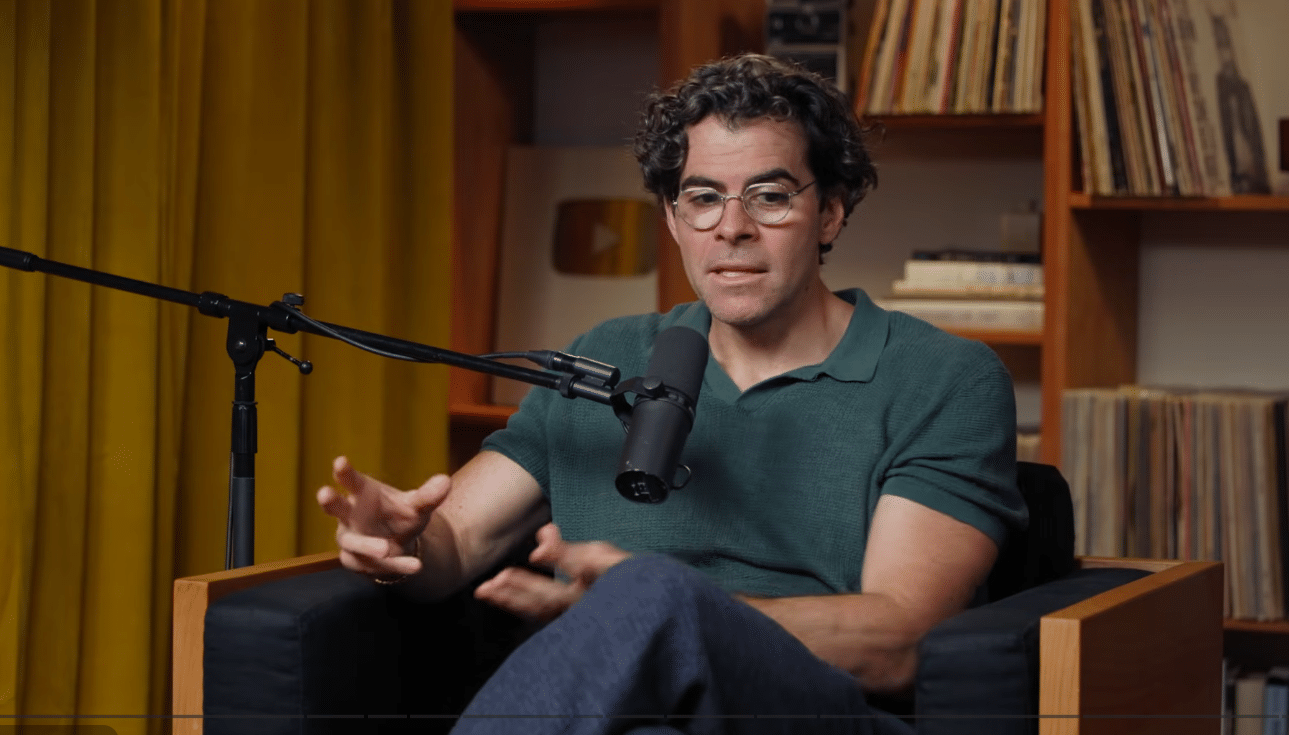
On October 26, Instagram head Adam Mosseri choseThe Colin & Samir Show to unveil Features, a test of horizontal videos up to 90 minutes long. The 72-minute interview became the main source for nearly every outlet that covered the launch. It also left creators’ central question unresolved: whether Instagram will ever share ad revenue on long-form video, and when.
Instagram has not announced a revenue share for Features. A Meta spokesperson told TechCrunch it was “too early to share a long-term monetization model,” although Instagram told Variety it is directly funding some creators during the test. YouTube pays creators in its Partner Program 55 percent of the ad revenue their videos earn and says it paid more than $100 billion to creators and media companies over four years. That model is the benchmark Instagram is asking creators to give up. Instagram’s last long-form effort, IGTV, launched in 2018 and closed in 2022.
The Interview Raised Pay Early and Let Mosseri’s Answer Stand
Monetization takes up about 12 minutes of the episode. The hosts opened that section by telling Mosseri it was the top question from every creator they had asked. They framed it sharply, asking whether Instagram offered a place to distribute a show or a business model that supports one.
Mosseri’s answer was that paying creators directly does not work for Instagram. He called the company’s small performance-based program “ROI negative” and said scaling it would mean “burning capital.” He also said pre-roll and mid-roll ads, which would make per-video payouts easier to attribute, would annoy users.
The conversation that followed largely developed his reasoning. The hosts invited him to re-explain why paying creators does not generate enough extra viewing to cover its cost, and one of them summarized that argument for the audience. A host made one counterargument: that long-form shows make attribution easier. Mosseri conceded the point, and the discussion moved on to licensing and originals. When pay came up again later in the episode, it was framed around brand sponsorship. At that point Samir described a potential ad revenue share as “nominal.”
In that same exchange, Mosseri gave his most direct statement of the stakes. “If we don’t figure out a way for creators to get a sufficient amount of value, whether it’s dollars or something else, out of posting Features, they won’t post Features,” he said. A few sentences later he added, “We’re going to have to figure this out. Otherwise, it will fail.” The hosts did not ask about a timeline or about what value other than dollars might look like. Their next question was about AI.
Several lines of questioning never came up. Meta already pays creators on Facebook, which undercuts the claim that it cannot attribute ad revenue to them. YouTube’s payout figures went unmentioned when Mosseri said YouTube was focusing “less” on revenue sharing. Instagram has cut creator bonus programs before. And Mosseri volunteered a detail that went unexamined: Instagram plans “bespoke deals” for creators with outsize reach “with creators themselves,” intended “to establish legitimacy for the program.” There were no follow-up questions about who would get those deals, on what terms, or whether they would be disclosed.
The Backlash Centered on Framing
Two days after the launch, The Publish Press, the newsletter Colin Rosenblum and Samir Chaudry run alongside the show, covered the creator reaction. It included the complaints about pay and Mosseri’s statement that Instagram is “exploring multiple options.” It then framed the debate in the hosts’ terms. Colin argued that YouTube is “the exception to how long-form content is monetized,” and Samir called attention and discovery “forms of currency.”
In a second post, Raskind described what he saw as the logic behind Instagram’s position and who it leaves behind: the aspiring creators who upload long-form video with no path to getting paid. “From Meta’s point of view, ‘Well, there’s always someone else that will do it,'” he wrote. “They lose time, they lose hope, they lose.” His posts drew dozens of responses from creators, talent managers and former platform executives.
Samir responded publicly. He agreed that Meta should pay and noted that it already does so on Facebook, a point the interview had not raised. He also argued that free global distribution has real value, concluding that “both things are true.”
Every Company That Wants a Creator’s Audience Is Asking for Its Trust
Any creator who builds an audience becomes valuable to the companies that want to reach it. Brands send products and pay for integrations. Platforms offer creator funds, early access and launch exclusives. Political campaigns have begun credentialing creators alongside reporters. Each offer is aimed at the same thing, the trust between a creator and the people who watch them, and the creator decides how much of that trust each offer gets to use.
US law covers only part of that decision. Under the Federal Trade Commission’s endorsement guides, creators must disclose paid relationships when they promote a product. No rule governs how hard a creator should question the executive who handed them an exclusive. That balance falls on each creator, and it grows harder as creators move into news and analysis about the same companies that court them.
The Features launch shows how explicit the courting has become. Mosseri said Instagram intends to pay creators whose standing with other creators can lend the program legitimacy. In other words, Instagram plans to pay for the same trust that creator media, and every creator with an audience, is built on. Instagram has not publicly named the creators it is funding during the Features test
Nii A. Ahene is the founder and managing director of Net Influencer, a website dedicated to offering insights into the influencer marketing industry. Together with its newsletter, Influencer Weekly, Net Influencer provides news, commentary, and analysis of the events shaping the creator and influencer marketing space. Through interviews with startups, influencers, brands, and platforms, Nii and his team explore how influencer marketing is being effectively used to benefit businesses and personal brands alike.






On October 26, Instagram head Adam Mosseri chose The Colin & Samir Show to unveil Features, a test of horizontal videos up to 90 minutes long. The 72-minute interview became the main source for nearly every outlet that covered the launch. It also left creators’ central question unresolved: whether Instagram will ever share ad revenue on long-form video, and when.
Instagram has not announced a revenue share for Features. A Meta spokesperson told TechCrunch it was “too early to share a long-term monetization model,” although Instagram told Variety it is directly funding some creators during the test. YouTube pays creators in its Partner Program 55 percent of the ad revenue their videos earn and says it paid more than $100 billion to creators and media companies over four years. That model is the benchmark Instagram is asking creators to give up. Instagram’s last long-form effort, IGTV, launched in 2018 and closed in 2022.
The Interview Raised Pay Early and Let Mosseri’s Answer Stand
Monetization takes up about 12 minutes of the episode. The hosts opened that section by telling Mosseri it was the top question from every creator they had asked. They framed it sharply, asking whether Instagram offered a place to distribute a show or a business model that supports one.
Mosseri’s answer was that paying creators directly does not work for Instagram. He called the company’s small performance-based program “ROI negative” and said scaling it would mean “burning capital.” He also said pre-roll and mid-roll ads, which would make per-video payouts easier to attribute, would annoy users.
The conversation that followed largely developed his reasoning. The hosts invited him to re-explain why paying creators does not generate enough extra viewing to cover its cost, and one of them summarized that argument for the audience. A host made one counterargument: that long-form shows make attribution easier. Mosseri conceded the point, and the discussion moved on to licensing and originals. When pay came up again later in the episode, it was framed around brand sponsorship. At that point Samir described a potential ad revenue share as “nominal.”
In that same exchange, Mosseri gave his most direct statement of the stakes. “If we don’t figure out a way for creators to get a sufficient amount of value, whether it’s dollars or something else, out of posting Features, they won’t post Features,” he said. A few sentences later he added, “We’re going to have to figure this out. Otherwise, it will fail.” The hosts did not ask about a timeline or about what value other than dollars might look like. Their next question was about AI.
Several lines of questioning never came up. Meta already pays creators on Facebook, which undercuts the claim that it cannot attribute ad revenue to them. YouTube’s payout figures went unmentioned when Mosseri said YouTube was focusing “less” on revenue sharing. Instagram has cut creator bonus programs before. And Mosseri volunteered a detail that went unexamined: Instagram plans “bespoke deals” for creators with outsize reach “with creators themselves,” intended “to establish legitimacy for the program.” There were no follow-up questions about who would get those deals, on what terms, or whether they would be disclosed.
The Backlash Centered on Framing
Two days after the launch, The Publish Press, the newsletter Colin Rosenblum and Samir Chaudry run alongside the show, covered the creator reaction. It included the complaints about pay and Mosseri’s statement that Instagram is “exploring multiple options.” It then framed the debate in the hosts’ terms. Colin argued that YouTube is “the exception to how long-form content is monetized,” and Samir called attention and discovery “forms of currency.”
The Verge covered the same reaction on the same day under the headline “Instagram doesn’t have a plan to pay long-form video creators.” That contrast set off Sidney Raskind, a creator who says he has 8 million followers across platforms and who was quoted in The Verge’s piece. On LinkedIn, he wrote that it was “unbelievably upsetting” for “a publication that’s for creators” to gloss over the pay gap.
In a second post, Raskind described what he saw as the logic behind Instagram’s position and who it leaves behind: the aspiring creators who upload long-form video with no path to getting paid. “From Meta’s point of view, ‘Well, there’s always someone else that will do it,'” he wrote. “They lose time, they lose hope, they lose.” His posts drew dozens of responses from creators, talent managers and former platform executives.
Samir responded publicly. He agreed that Meta should pay and noted that it already does so on Facebook, a point the interview had not raised. He also argued that free global distribution has real value, concluding that “both things are true.”
Every Company That Wants a Creator’s Audience Is Asking for Its Trust
Any creator who builds an audience becomes valuable to the companies that want to reach it. Brands send products and pay for integrations. Platforms offer creator funds, early access and launch exclusives. Political campaigns have begun credentialing creators alongside reporters. Each offer is aimed at the same thing, the trust between a creator and the people who watch them, and the creator decides how much of that trust each offer gets to use.
US law covers only part of that decision. Under the Federal Trade Commission’s endorsement guides, creators must disclose paid relationships when they promote a product. No rule governs how hard a creator should question the executive who handed them an exclusive. That balance falls on each creator, and it grows harder as creators move into news and analysis about the same companies that court them.
The Features launch shows how explicit the courting has become. Mosseri said Instagram intends to pay creators whose standing with other creators can lend the program legitimacy. In other words, Instagram plans to pay for the same trust that creator media, and every creator with an audience, is built on. Instagram has not publicly named the creators it is funding during the Features test
Subscribe to Our Newsletter
Check Out Our Podcast